
Prepared formula can safely stay in portable storage for up to four hours, provided it is kept in a high-quality insulated cooler bag packed tightly with frozen ice packs. However, if the prepared formula is left uncooled at room temperature or exposed to Singapore’s typical outdoor heat, the safe storage window shrinks to just one hour. Understanding these strict time limits and the science behind bacterial growth is essential for planning safe outings with your infant.
The "Two-Hour Rule" vs. Singapore's Tropical Climate
Standard pediatric and food safety guidelines generally recommend that prepared infant formula can sit at room temperature for up to two hours. This universal “two-hour rule” is designed for temperate climates and air-conditioned indoor environments, typically assumed to be around 20°C to 22°C. Within this moderate temperature range, bacterial activity remains relatively slow, allowing a brief window of safety before the liquid becomes compromised.
However, bacteria thrive and multiply exponentially in nutrient-rich liquids like milk formula when exposed to the “Danger Zone,” which ranges between 4°C and 60°C. Microorganisms such as Cronobacter sakazakii and Salmonella can double in number every 20 minutes under optimal conditions. Because milk formula provides an ideal combination of moisture, proteins, and sugars, any exposure to warm temperatures turns the bottle into an active incubation site.
Products mentioned in this guide
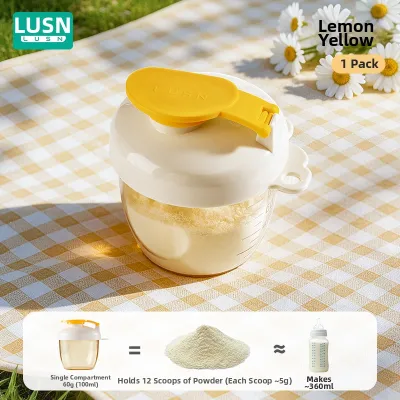
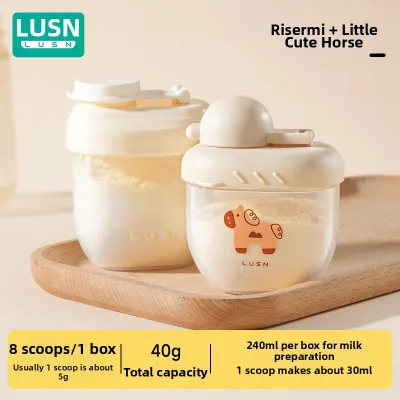
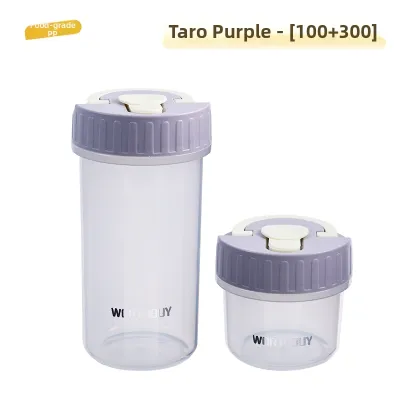
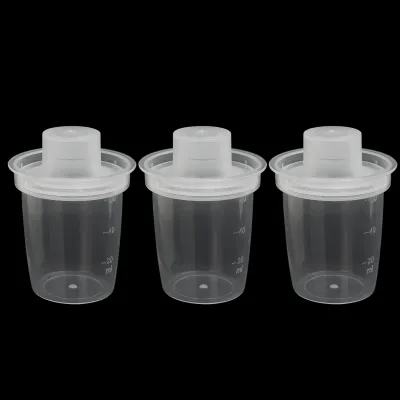
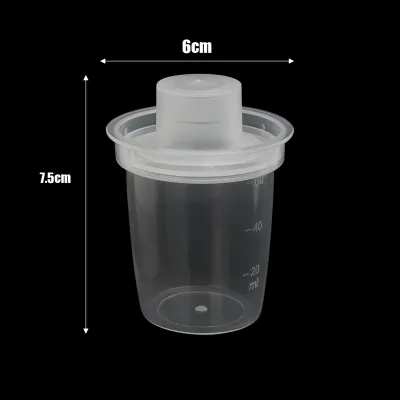
Prices are valid at publication and may change. Please refer to the product page for the latest price.
In Singapore, ambient outdoor temperatures regularly exceed 30°C, accompanied by high relative humidity that prevents natural evaporative cooling. This tropical climate significantly accelerates heat transfer, causing uncooled liquids to reach the peak bacterial reproduction temperature much faster than they would in cooler regions. Consequently, the standard two-hour safety window is highly unreliable when you are outdoors in Singapore.
Microclimates in un-air-conditioned environments present even greater risks for milk spoilage. Spaces such as open-air hawker centers, stroller cup holders, diaper bags left in the sun, or the interior of a parked car can experience temperatures far exceeding the ambient outdoor forecast. In these specific scenarios, the safe limit for uncooled, prepared formula drops to a maximum of one hour, after which the milk must be discarded to protect your baby’s developing digestive system.
Safe Time Limits by Portable Storage Method
Managing milk safety on the go requires matching your travel plans with the appropriate storage gear. Different portable storage methods offer varying levels of thermal protection, each carrying its own strict time limits and operational requirements.

Insulated Cooler Bags with Ice Packs
A robust, insulated cooler bag packed with fully frozen ice packs is the most reliable way to transport prepared formula, keeping it safe for up to four hours. This duration is only valid if the internal temperature of the bag remains consistently cold, ideally below 4°C, which mimics the environment of a home refrigerator.
To ensure success, the ice packs must be frozen solid rather than merely chilled, and they should be positioned to directly surround the formula bottles. Simply placing a single ice pack next to a bottle is insufficient; you must sandwich the bottle between multiple frozen packs to minimize heat transfer.
Because insulation efficiency varies significantly between brands, you should always check the manufacturer’s specified cooling duration and temperature retention ratings. High-performance bags designed for tropical climates generally offer better thermal barriers than standard diaper bag compartments.
Additionally, limit how often you open the cooler bag during your outing. Every open zipper allows warm, humid air to rush inside, rapidly melting the ice packs and shortening the safe storage window.
Thermal Flasks and Vacuum Bottles
Storing already-mixed, warm formula inside a thermal flask is highly risky and should generally be avoided. While vacuum-insulated flasks are excellent at maintaining temperature, they are not sterile environments; if warm formula is poured inside, the flask will keep the milk at a lukewarm temperature that sits directly within the bacterial danger zone.
If you must store prepared, warm liquid formula in a thermal flask, it must be consumed within a strict one-hour limit from the moment of preparation. Keeping mixed formula warm for several hours in a flask creates a high-risk environment for rapid microbial growth.
A much safer alternative is to use your thermal flask solely to transport hot, sterile water (heated to at least 70°C to comply with safe preparation guidelines) or cooled, pre-boiled water. You can then carry dry formula powder in a separate, dry dispenser and mix the bottle immediately before feeding your baby.
Uncooled Exposure in Hot Environments
Leaving a prepared bottle of formula in a standard diaper bag, a stroller pocket, or on a table without any ice packs exposes it to rapid thermal degradation. Under Singapore’s intense daily heat, uncooled formula is subject to the most stringent safety limits.
If the bottle is kept in a shaded, well-ventilated outdoor area, it must be consumed or discarded within one hour. If the bottle is accidentally left in direct sunlight, on a hot concrete surface, or inside a parked vehicle without air conditioning, it must be thrown away immediately, even if the hour has not passed.
Infant immune systems are highly vulnerable to foodborne pathogens, which can cause severe gastrointestinal distress, dehydration, or more serious complications. When managing milk storage on the go, always prioritize your baby’s health by following the rule: when in doubt, throw it out.
How to Choose Reliable Portable Milk Storage Gear
Selecting the right portable storage equipment is a critical step in keeping your baby’s milk safe. Parents should evaluate gear based on objective material specifications and structural designs rather than relying on vague marketing claims.
- Cooling Technology: While standard gel-based ice packs are common, Phase Change Material (PCM) ice packs offer superior performance. PCM packs are engineered to freeze and thaw at specific, stable temperatures, maintaining a consistent cold environment for longer periods compared to water-based gels.
- Insulation Quality: Look for cooler bags constructed with thick, high-density open-cell or closed-cell foam insulation. The inner lining should feature a heat-reflective, radiant-barrier material (such as food-grade aluminum foil lining) rather than thin, single-layer PVC.
- Capacity and Fit: The bag should comfortably accommodate the specific bottle sizes and brands you use, including larger 240ml or wide-neck bottles. Avoid bags that force you to cram bottles against the sides, which can compress the insulation and reduce its effectiveness.
- Material Safety and Hygiene: Verify that all interior linings and bottle compartments are certified food-grade, BPA-free, lead-free, and leak-proof. Because Singapore's high humidity creates a breeding ground for mold and mildew, choose materials that are easy to wipe clean and dry quickly.
Always read the manufacturer’s user manual for your specific cooler bag and ice packs to understand their care instructions. Some ice packs require a minimum of 12 to 24 hours in a deep freezer to reach their maximum cooling potential, while certain bag linings should only be spot-cleaned to preserve their reflective properties.
Step-by-Step Safety Routine for Outings
A structured preparation and packing routine helps eliminate errors and ensures your baby’s formula remains safe throughout your journey.
- Preparation at Home: If you choose to prepare formula before leaving, mix the powder with safe, pre-boiled water according to the manufacturer's instructions. Cool the prepared bottle rapidly by placing it under running cold water or in an ice bath, then store it in the coldest part of your home refrigerator until you are ready to leave.
- The "Dry Mix" Strategy: For any outing expected to last longer than four hours, transition to the dry-mix method. Pack pre-measured dry formula powder in a clean, sterile dispenser, and carry a thermal flask filled with hot water alongside a bottle of cool, pre-boiled water to mix fresh feeds on demand.
- Packing Order: Immediately before stepping out, retrieve your cold bottles and frozen ice packs. Place a solid frozen pack at the bottom of the cooler bag, arrange the bottles vertically in the center, and pack additional ice packs tightly around the sides. Fill any remaining empty air pockets with a clean, dry washcloth to block warm air circulation.
- Hygiene on the Go: Before handling bottles, teats, or feeding equipment during your outing, wash your hands thoroughly with soap and water. If running water is unavailable, use an alcohol-based hand sanitizer or baby-safe sanitizing wipes. Never rinse a dropped teat in public restroom tap water, as it may contain harmful pathogens; always carry spare sterile teats in a sealed bag.
- Feeding Protocol: The moment your baby's mouth touches the bottle teat, saliva enters the formula. Saliva introduces oral bacteria and digestive enzymes that rapidly break down the milk and accelerate spoilage. Once a feed has started, the bottle must be finished or discarded within one hour, regardless of whether it is kept in a cooler bag between sips.
When to Discard: Spoilage Signs and Hard Limits
Knowing when to discard formula is vital, as feeding spoiled milk to an infant can lead to serious health risks. Parents must establish firm boundaries and rely on strict time limits rather than sensory checks alone.
Observable Spoilage Signs: Inspect the formula closely before offering it to your baby. Signs of spoilage include a sour or rancid odor, visible clumping or curdling, separation of fats that does not recombine with a gentle swirl, or any unusual discoloration.
The Invisible Threat: It is critical to understand that dangerous levels of bacterial growth can occur long before the formula exhibits any noticeable smell, taste, or visual changes. Because pathogens like Cronobacter are invisible and odorless, time-based limits must always take precedence over physical inspection.
The Leftover Rule: Any formula left over at the end of a feeding session must be discarded within one hour. Do not attempt to save partially consumed formula by putting it back into a cooler bag or refrigerating it, as the introduced oral bacteria will continue to multiply even at lower temperatures.
Avoid Tasting: Never taste-test the formula yourself to determine its freshness. An adult’s mature digestive tract and stomach acid can easily neutralize small amounts of bacteria that could cause severe food poisoning or systemic infections in an infant’s highly sensitive, developing gut.
Frequently Asked Questions (FAQ)
Can I refrigerate or re-cool formula after it has been in a cooler bag?
Yes, but only under strict conditions. If the prepared formula has been kept consistently cold (below 4°C) inside a high-quality cooler bag with frozen ice packs, and the total time out of your home refrigerator has not exceeded four hours, you can safely transfer it back to the fridge. However, if the ice packs have melted, the interior of the bag feels lukewarm, or the four-hour window has passed, the formula must be discarded immediately. Never attempt to re-chill warm or room-temperature formula, as slow cooling in a refrigerator will not destroy the bacteria that have already accumulated.
Is it safer to carry dry formula and mix it on the go?
Carrying dry formula powder and mixing it with water immediately before feeding is the safest method for outings in Singapore’s heat. Dry formula powder does not contain the moisture required to support rapid bacterial growth, making it highly stable even in warm tropical climates. If you follow the World Health Organization (WHO) recommendation to mix formula with water heated to at least 70°C to eliminate potential bacteria present in the dry powder, ensure you have a safe, practical plan to cool the prepared bottle to a comfortable feeding temperature before giving it to your baby.
Community discussion
Share your experience or ask a question. Comments are reviewed before publication.