
A newborn mattress must be exceptionally firm, flat, and unyielding. Unlike adult beds, which prioritize plush comfort and pressure relief, an infant sleep surface must resist compression entirely. This structural rigidity is the foundation of safe sleep, ensuring your baby’s airway remains completely unobstructed throughout the night. For parents preparing a nursery, understanding how to evaluate and maintain this firmness is one of the most critical steps in creating a secure sleep environment.
Why a Firm Surface Is Critical for Newborn Safety
Adults often equate comfort with softness, preferring mattresses that contour to the body and cushion pressure points. However, a baby’s anatomy and developmental stage require the exact opposite. Newborns have soft, pliable bones, and their neck muscles are not yet strong enough to support the weight of their heads. During the first few months of life, they lack the motor skills and strength to lift or turn their heads if they accidentally roll over or if their face becomes pressed against a soft surface.
If a mattress is too soft, it conforms to the shape of the baby’s head or face. This indentation creates a physical barrier to breathing. When a baby breathes in a confined, indented space, they can end up rebreathing their own exhaled carbon dioxide. This rebreathing reduces oxygen levels and can lead to silent suffocation. A firm, flat surface ensures that even if a baby turns slightly, their nose and mouth remain clear of any sinking pockets.
Products mentioned in this guide


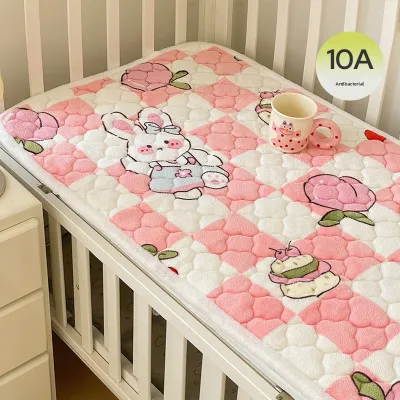

Prices are valid at publication and may change. Please refer to the product page for the latest price.
Furthermore, a firm surface supports the natural alignment of a newborn’s rapidly growing spine. Unlike adults, who have an S-shaped spinal curve, newborns have a C-shaped spine that requires flat, consistent support to develop correctly. A soft mattress that allows the baby’s heavier midsection to sink can strain their developing muscles and joints.
Pediatric safe sleep guidelines globally emphasize that a firm, flat, and empty sleep space is the single most important factor in reducing sleep-related infant hazards. While these guidelines provide a strong foundation for nursery safety, parents should always consult a qualified pediatrician or healthcare professional for specific medical concerns or unique sleep needs.
Practical Tests to Check Mattress Firmness
You do not need specialized laboratory equipment to evaluate a mattress’s firmness. You can perform several simple, physical checks in a local showroom or at home before placing your baby down to sleep. These tests help ensure the mattress maintains its structural integrity under the weight of your child.

The first check is the hand press test. Place your hand flat in the center of the mattress and press down firmly with your body weight. When you release the pressure, the mattress should spring back immediately to its original, flat shape. There should be no lingering indentation, handprint, or slow-recovery sinking. Repeat this test along the edges and corners, as these areas must also resist deep compression to prevent sagging.
Next, inspect the mattress cover. A safe mattress cover must fit tightly over the core material without any slack. Pinch the fabric on the top of the mattress; if you can easily pull up loose fabric, the cover is too loose. Loose fabric can bunch up under the baby’s face, creating a localized suffocation hazard or an entanglement risk. If you use a removable, washable cover, ensure it maintains this tight fit even after multiple laundry cycles.
Finally, assess the structural integrity of the edges. Press down on the outer perimeter of the mattress. The edges should remain rigid and supportive. If the sides collapse easily under pressure, the mattress may sag when placed inside the crib. This sagging can create dangerous gaps between the mattress and the crib frame, where a rolling baby could become trapped.
If you are purchasing a roll-packed foam mattress, allow it to expand fully according to the manufacturer’s instructions before performing these tests. Some foam materials require up to 48 hours to reach their full density and firmness. Testing the mattress before it has fully expanded can give an inaccurate impression of its safety and support.
Labels and Fit Specifications to Verify Before Purchase
Before making a purchase, carefully review the manufacturer’s product documentation and labels. Do not rely solely on marketing terms like “orthopedic” or “extra-supportive,” as these are not standardized safety terms. Instead, look for clear, verifiable specifications provided by the manufacturer.
Look for explicit manufacturer warnings and specifications stating that the product is designed specifically as a firm sleep surface for infants. Safe sleep products will clearly state the intended age, weight, and developmental stage limits. Always verify these details against your baby’s current growth stage, and stop using the mattress if your child exceeds the manufacturer’s specified limits.
The fit of the mattress inside the crib is just as critical as its firmness. To check this, use the two-finger rule. Once the mattress is placed inside the crib, try to slide your index and middle fingers between the edge of the mattress and the crib frame. If you can fit more than two fingers in the gap, the mattress is too small for the crib. This gap poses a severe entrapment hazard where a baby’s limbs or head could become stuck.
Because crib and mattress dimensions can vary slightly between different brands and regions, always measure the interior of your crib frame and compare it directly to the mattress dimensions listed on the packaging. In Singapore, where space-saving or European-sized cribs are common, ensuring a precise match between the crib and the mattress is especially important to prevent dangerous gaps.
Additionally, check if the mattress is a dual-firmness model. Many modern baby mattresses feature a two-sided design: a highly firm side for newborns and a slightly softer, pressure-relieving side for toddlers. If you purchase one of these models, read the manufacturer’s labels carefully to ensure you install the mattress with the infant side facing up. Markings on the cover or core usually indicate which side is which.
Common Setup Mistakes That Compromise Sleep Safety
Even with a high-quality, firm mattress, certain setup mistakes can compromise your baby’s sleep environment. One of the most common errors is attempting to soften the mattress for comfort. Parents often worry that a firm mattress feels “too hard” and add soft mattress toppers, quilted mattress pads, or thick blankets. These additions completely defeat the purpose of a firm mattress, creating a soft, sinking surface that increases suffocation risks.
Using second-hand or hand-me-down mattresses is another common hazard. While it may seem economical, older mattresses often suffer from material degradation. Over years of use, the internal foam or springs can break down, leading to soft spots, sagging, or uneven surfaces that are no longer safe for a newborn. Furthermore, in Singapore’s warm and humid climate, stored mattresses can easily harbor hidden mold, mildew, or dust mites, which can trigger respiratory issues or allergies. If you must use a pre-loved mattress, inspect it thoroughly for any signs of sagging, soft spots, or moisture damage.
Lastly, avoid placing the mattress on an uneven, non-standard, or makeshift base. A mattress must lie completely flat on a supportive, manufacturer-approved crib base. Placing a mattress on a sagging wire base, a makeshift wooden board, or directly on the floor without proper support can warp the mattress structure over time. This warping alters the intended firmness and can create dangerous gaps along the sides of the crib. Always follow the crib manufacturer’s instructions regarding the appropriate base support.
Frequently Asked Questions (FAQ)
Can I add a soft topper if the newborn mattress feels too hard?
No, you should never add a soft topper, sheepskin, or quilted pad to a newborn’s mattress. While it may feel firm to you, any added layer can conform to your baby’s face and block their airway. To keep the sleep surface safe, use only a tight, well-fitted sheet designed specifically for that mattress size.
Does foam or innerspring provide better firmness for newborns?
Both high-density foam and innerspring mattresses can provide an appropriately firm and safe sleep surface for newborns. Rather than choosing based on material alone, verify that the specific mattress passes physical firmness tests, fits your crib perfectly, and carries clear manufacturer safety labels for infant use.
When is it safe to switch to a softer toddler mattress?
Most manufacturers recommend transitioning to a slightly softer toddler surface after the first year, when the child has developed strong head control and motor skills. If you are using a dual-firmness mattress, check the manufacturer’s guidelines for the recommended age or weight milestone before flipping it to the toddler side.
Community discussion
Share your experience or ask a question. Comments are reviewed before publication.