
An infant mattress must be exceptionally firm, feeling almost completely rigid to the touch. While adults often prefer plush, contouring beds, a baby requires a flat, unyielding surface that does not conform to the shape of their head or body. This structural resistance is the single most important safety feature of any nursery bed, serving as a critical barrier against sleep-related hazards during the first year of life.
Why Firmness is the Most Critical Spec for Infant Safety
When an infant is placed on a soft sleeping surface, their relatively heavy head can easily sink into the material. If the baby rolls onto their stomach or side, a soft mattress can conform around their nose and mouth, creating a physical barrier to breathing. Because infants lack the neck strength and motor control to lift or turn their heads when their airway is obstructed, a firm surface is a non-negotiable safety requirement.
Beyond preventing airway obstruction, a firm mattress provides the necessary physical resistance for a baby’s physical development. As infants learn to roll over, push up, and eventually crawl, they rely on a stable, solid base to push against. A soft, sagging surface inhibits these movements, making it difficult for a struggling baby to reposition themselves if they roll into an unsafe posture.
Products mentioned in this guide
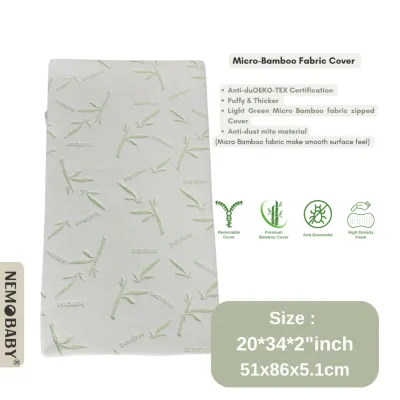
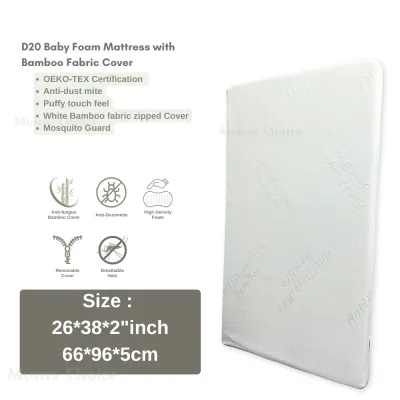
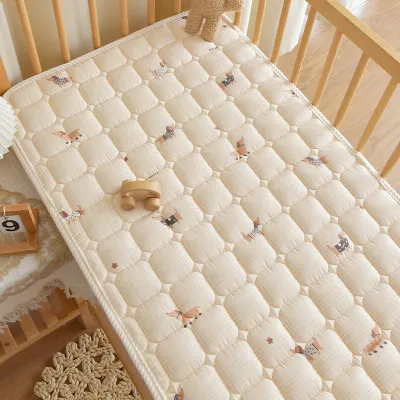

Prices are valid at publication and may change. Please refer to the product page for the latest price.
Parents often worry that a firm mattress will cause discomfort or disrupt their baby’s sleep. However, infants do not have the same pressure-point sensitivities as adults, nor do they have a preference for plush bedding. Their developing bones and muscles are best supported by a flat, rigid surface, making adult comfort standards entirely irrelevant to nursery safety.
How to Test Mattress Firmness at Home and In-Store
You can perform a simple physical assessment to verify the firmness of an infant mattress before or after purchase. The hand-press test is a reliable starting point: press your palm firmly down onto the center of the mattress, then release it. A safe mattress will resist deep indentation and spring back immediately to its original flat shape without leaving a lingering handprint.

Repeat this press test along the edges and corners of the mattress. The perimeter must offer consistent resistance, as weak edges can collapse under a baby’s weight, potentially trapping them between the mattress and the crib frame. Ensure there are no soft spots or sagging areas across the entire surface.
While physical tests are helpful, you should also verify the mattress dimensions against your crib frame. A safe mattress must fit snugly inside the crib, leaving no gaps wider than two fingers between the edge of the mattress and the crib sides. If a gap is larger, a baby can slip into the space and become trapped, presenting a severe safety hazard.
If a mattress fails any of these physical checks, shows permanent sagging, or feels noticeably soft, it should not be used for an infant. In such cases, you must replace the mattress or consult the manufacturer’s guidelines regarding structural integrity. Do not attempt to modify a soft mattress with home remedies or extra layers.
Decoding Mattress Materials and Their Impact on Firmness
Infant mattresses generally rely on either high-density foam or innerspring coils to achieve the necessary rigidity. High-density polyurethane foam mattresses are lightweight and rely on a dense, compact cell structure to prevent sinking. In contrast, innerspring mattresses use tempered steel coils to provide a highly resilient, traditional support system that resists compression.
It is a common misconception that a thicker or heavier mattress is automatically firmer. A thick mattress can still be made of low-density, soft foam that easily collapses under pressure, while a thin, high-density foam mattress can offer excellent, safe rigidity. Always look for specific density ratings or structural descriptions rather than relying on physical thickness alone.
When reading product tags and manufacturer specifications, look for clear indicators of core support. For foam mattresses, look for terms indicating high-density or firm support cores. For innerspring options, check the coil count and wire gauge; a lower gauge number indicates thicker, stiffer wire, which generally translates to a firmer edge and surface support.
Avoid materials like memory foam, gel foam, or plush quilting layers on an infant sleep surface. Memory foam is specifically designed to contour to the body and retain heat, both of which pose significant safety risks for a sleeping baby. The surface must remain flat and unyielding, without any plush topper or quilted cushioning that could pocket carbon dioxide or block a baby’s airway.
Specifications That Matter Less Than Core Firmness
Many modern infant mattresses feature a dual-firmness design, which includes a highly rigid side for infants and a slightly softer, more cushioning side for toddlers. While this design offers long-term utility, you must carefully identify which side is which before use. Manufacturers typically label these sides clearly, and the infant side must always face up until your child transitions out of infancy.
Waterproof covers and wipe-clean surfaces are highly practical for managing spills and diaper leaks, but they do not contribute to the structural safety of the mattress. A waterproof barrier is excellent for hygiene, but it must be paired with a firm internal core. Never prioritize an easy-to-clean cover over the actual rigidity of the underlying support structure.
Similarly, marketing claims regarding mattress breathability should not overshadow the primary requirement for firmness. While air-permeable materials can assist with temperature regulation, they do not replace the physical necessity of a firm, unyielding surface. A mattress must first be structurally firm to prevent airway obstruction, regardless of how much airflow the fabric claims to allow.
Frequently Asked Questions (FAQ)
Can I use a mattress topper or extra padding to make a firm infant mattress softer?
No, you should never add mattress toppers, mattress pads, sheepskins, or extra blankets to an infant’s bed to make it softer. Adding any soft, unapproved material on top of a firm mattress creates a serious suffocation hazard, as these layers can bunch up or allow the baby’s face to sink in. The only item that should go over the mattress is a tight-fitting, flat sheet designed specifically for that mattress’s dimensions to prevent loose fabric from gathering.
When is it safe to flip a dual-firmness mattress to the softer toddler side?
You should generally wait until your child is at least 12 months old before flipping a dual-firmness mattress to the toddler side. Before making this transition, consult your pediatrician and review the manufacturer’s specific age, weight, and developmental guidelines. Transitioning to a softer surface too early, before your child has fully developed motor skills and head control, can reintroduce safety risks associated with soft sleep environments.

Community discussion
Share your experience or ask a question. Comments are reviewed before publication.