
Selecting the right crib mattress is one of the most critical decisions you will make when preparing your baby’s nursery. For newborns, a mattress must be exceptionally firm and flat to prevent sleep-related hazards, whereas a toddler can safely transition to a slightly softer, more contouring surface once they reach key developmental milestones. In Singapore’s warm and humid climate, finding a mattress that balances safety, structural support, and breathability is essential for comfortable, safe sleep.
Why Mattress Firmness Is a Critical Safety Specification
When shopping for baby gear, the word “comfort” often conjures images of plush, cloud-like surfaces that invite deep relaxation. However, for an infant, adult standards of comfort do not apply; instead, a firm mattress is a fundamental safety specification. Soft sleep surfaces present a severe hazard to newborns because they can conform to a baby’s face, potentially blocking their nose and mouth and leading to suffocation or Sudden Infant Death Syndrome (SIDS).
During the first few months of life, a baby’s respiratory system is still developing, and their ability to wake up when their breathing is compromised is limited. If a mattress is too soft, a baby who accidentally rolls onto their stomach or turns their head can sink into the material. This creates a pocket where exhaled carbon dioxide becomes trapped, leading to rebreathing and oxygen deprivation. A firm, unyielding surface ensures that even if a baby’s face comes into contact with the mattress, their airway remains clear and unobstructed.
Products mentioned in this guide
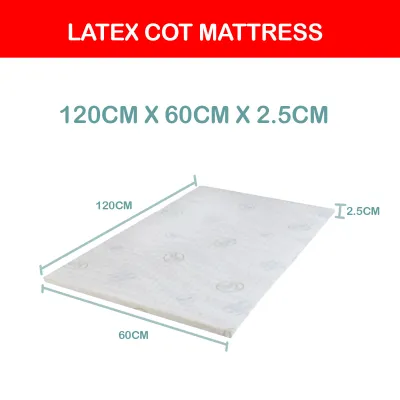
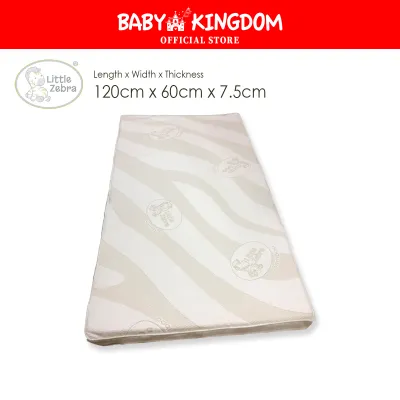
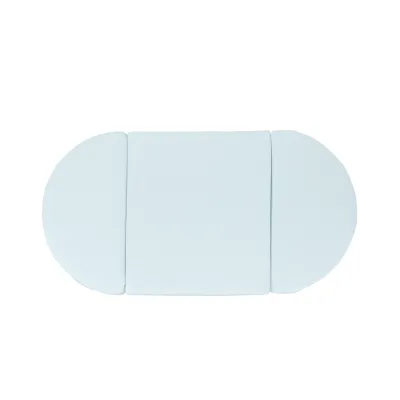
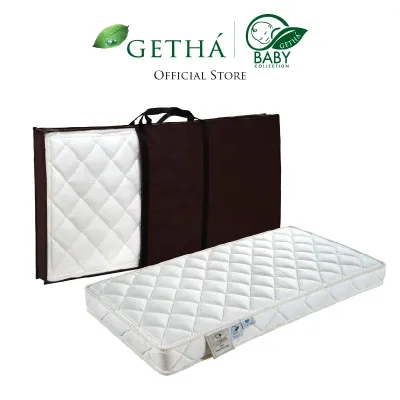
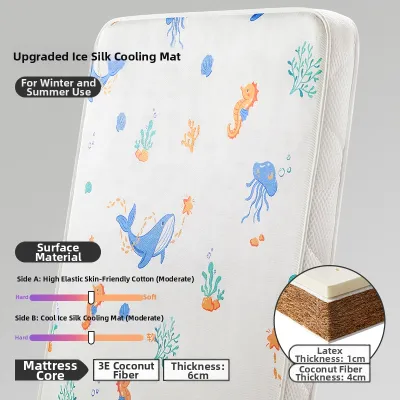
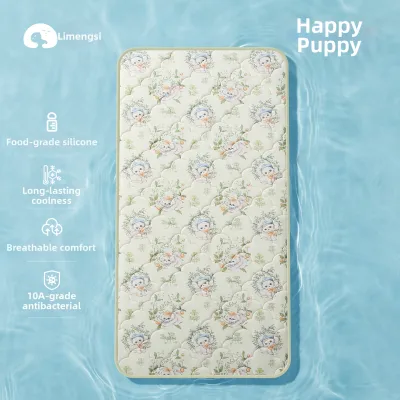
Prices are valid at publication and may change. Please refer to the product page for the latest price.
Beyond immediate airway safety, mattress firmness plays a vital role in early physical development. A newborn’s skeleton consists largely of pliable cartilage that gradually ossifies into bone over the first few years of life. A firm surface provides the necessary resistance to support the natural alignment of their developing spine and skull. Without this steady support, a baby’s body can sink unevenly, placing unnatural strain on their growing bones and joints during critical periods of sleep.
Parents should remain cautious of clever marketing terms that promote “ultra-plush,” “memory foam contouring,” or “cloud-like softness” for infant bedding. While these descriptions appeal to adult preferences, they represent significant safety risks for young babies. Prioritizing verified safety standards over comfort buzzwords is the most effective way to ensure your child has a secure sleep environment.
Newborns: The Need for a Very Firm Sleep Surface
During the newborn stage, which spans from birth through the first several months, infants possess very limited motor control. They lack the neck strength required to lift their heads or roll over independently if they find themselves in a position that restricts their breathing. Consequently, the sleep surface must do all the work of keeping their airway clear by remaining completely flat and unyielding under the baby’s weight.

In this context, “firm” means that the mattress does not contour to the shape of the baby’s head or body. When you place your baby on the mattress, there should be no visible indentation or sinking. The surface must resist compression entirely, providing a stable platform that supports the infant’s head, neck, and back in a neutral alignment. Caregivers must always review the manufacturer’s documentation to verify the specific weight, age, and developmental milestones designated for the newborn side of the mattress.
A common concern among new parents is that a firm mattress feels “too hard” or uncomfortable for their baby. It is helpful to remember that infants do not experience joint pressure or body weight discomfort in the same way adults do. Their lightweight bodies do not compress the mattress enough to cause pressure points, and they are accustomed to the compact, firm environment of the womb. A firm mattress is actually highly comforting to a newborn because it provides the stable sensory feedback they need to feel secure.
If you observe any signs of discomfort, restlessness, or physical strain, consult your pediatrician to rule out underlying issues like reflux before assuming the mattress is the cause. Never attempt to soften a newborn’s mattress with unapproved accessories or DIY modifications, as altering the sleep surface can introduce severe safety hazards.
Toddlers: When and How to Transition to Slightly Softer Support
As your baby grows into a toddler, their physical capabilities and sleep needs undergo a significant transformation. The transition from a newborn-firm surface to a slightly softer, more pressure-relieving surface typically occurs around the one-year mark, but the exact timing depends entirely on individual developmental milestones rather than a strict calendar age. Key indicators that your child is ready for this transition include the ability to roll over independently in both directions, sit up without assistance, pull themselves up to a stand, and begin transitioning to a toddler bed.
Toddlers benefit from a slightly softer surface because their growing joints and changing sleep positions require more pressure relief. Unlike newborns, toddlers move constantly during sleep and may prefer sleeping on their sides or stomachs. A mattress with a touch of cushioning allows their shoulders and hips to sink slightly, maintaining healthy spinal alignment while relieving pressure on their joints. However, “slightly softer” is a relative term; the mattress must still remain highly supportive and should never be as soft or plush as a standard adult mattress.
Before flipping a dual-sided mattress or purchasing a softer toddler model, parents must consult their pediatrician and carefully review the manufacturer’s guidelines. Verify the recommended weight limits and age ranges specified in the product manual. If your child has developmental delays or low muscle tone, your pediatrician may recommend keeping them on a firmer surface for a longer period to ensure they can move and breathe safely.
In Singapore’s tropical climate, as toddlers become more active, they may sweat more during sleep. When transitioning to a toddler-friendly surface, look for materials that promote airflow and heat dissipation alongside the appropriate level of support. This ensures that the slightly softer surface does not trap body heat, keeping your child comfortable and preventing skin irritation.
How to Test and Verify Crib Mattress Firmness Before Buying
Evaluating a crib mattress independently is crucial to ensure that safety claims align with the physical product. When shopping in Singapore showrooms or evaluating a delivered mattress purchased from an online marketplace, you can perform several practical checks to verify its firmness and fit.
The physical “hand-press test” is a reliable way to assess surface resistance. Press your hand down firmly into the center of the mattress, then release it. The mattress should snap back to its original flat shape immediately without leaving any lingering indentation or conforming to the contours of your hand. Repeat this test along the edges and corners, as uniform firmness across the entire surface is essential to prevent a baby from rolling into a soft pocket near the sides.
Another critical safety check is the “two-finger rule” for mattress fit. Place the mattress inside the crib frame and attempt to slide your fingers between the edge of the mattress and the crib rails. There should be no more than two fingers’ width of space anywhere around the perimeter. If the gap is wider, your baby could slip into the space and become trapped, posing a severe suffocation hazard. Always measure your crib frame carefully and compare it to the mattress specifications before making a purchase.
Parents must also verify safety and emissions certifications printed on the product label or detailed in the manufacturer’s documentation. Look for recognized standards such as GREENGUARD Gold, which verifies low chemical emissions, and CertiPUR-US, which ensures the foam is made without harmful flame retardants or heavy metals. Additionally, verify that the mattress complies with local safety regulations and consumer protection standards enforced in Singapore for nursery furniture.
Avoid relying solely on online product descriptions or promotional images. If you are purchasing online, verify the retailer’s return policy so you can perform the hand-press test at home and return the mattress immediately if it fails to meet safety expectations.
Frequently Asked Questions (FAQ)
Can I use a dual-sided crib mattress for both stages?
Yes, dual-sided (or dual-firmness) crib mattresses are designed specifically to accommodate both developmental stages, making them a highly practical choice. These mattresses feature an extra-firm side engineered for newborns and a slightly softer, more resilient side for toddlers. Before use, you must clearly identify and mark the correct side—manufacturers typically label each side clearly with tags or color-coded covers. Always follow the manufacturer’s specific weight limits, age recommendations, and transition instructions before flipping the mattress to the toddler side.
Is it safe to add a soft mattress topper for my newborn?
No, it is highly unsafe to add any soft mattress toppers, mattress pads, thick blankets, or pillows to a newborn’s crib. These aftermarket additions completely negate the safety benefits of a firm mattress by creating a soft, compressible surface where an infant’s face can sink. This significantly increases the risk of suffocation, rebreathing, and SIDS. To keep your baby safe, the sleep surface must remain completely bare, covered only by a tight-fitting, manufacturer-approved crib sheet.
Community discussion
Share your experience or ask a question. Comments are reviewed before publication.