
A baby nest must be exceptionally firm, providing a flat, rigid surface that does not conform to the shape of your infant’s head or face. While adults associate plushness with comfort, infants require a firm foundation to protect their developing airways and support their growing spines. Any soft or sinking surface poses a serious risk of suffocation or rebreathing. Understanding how to evaluate this firmness and verify manufacturer specifications is essential for creating a secure resting environment.
Why Firmness Matters for Infant Sleep Safety
Infants lack the motor skills and neck strength to extricate themselves if they roll over or if their faces press against a soft surface. When a baby rests on an overly soft mattress or nest base, the material can indent, creating a pocket that can trap exhaled carbon dioxide. This increases the risk of rebreathing, where the infant inhales their own exhaled air, leading to a dangerous drop in oxygen levels. A firm surface prevents this indentation, keeping the airway clear and unobstructed.
Beyond airway protection, a firm base plays a critical role in supporting your baby’s physical development. An infant’s spine is highly flexible and requires a flat, unyielding surface to maintain neutral alignment during rest. Soft surfaces do not provide the necessary resistance, which can place unnatural strain on developing bones and muscles.
Products mentioned in this guide
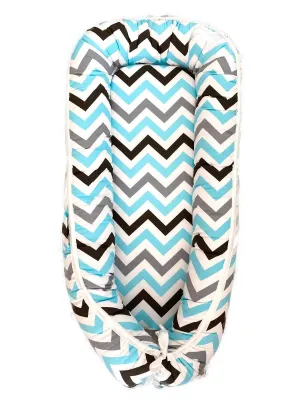
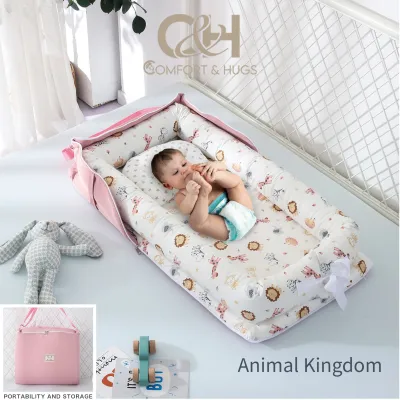

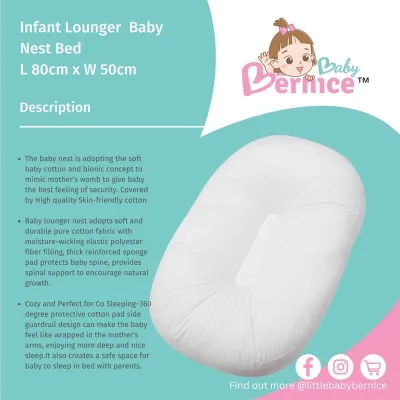
Prices are valid at publication and may change. Please refer to the product page for the latest price.
Parents often struggle with this concept because adult sleep preferences lean toward plush, cushioned mattresses. It is vital to separate adult comfort from infant safety requirements. What feels cozy to an adult can be highly hazardous to a newborn. A safe infant sleep surface should feel surprisingly rigid to the touch, prioritizing structural support over cushioning.
How to Evaluate Baby Nest Firmness Before Use
Before placing your infant in any baby nest, you can perform several simple, observable checks to evaluate its firmness. The first is a manual press test. Press your hand firmly down into the center of the nest’s base mattress and then release it. The material should resist deep sinking and must spring back immediately to its original flat shape without leaving a lasting handprint or indentation. If the surface remains depressed or feels spongy, it is too soft for safe use.

Next, inspect the construction of the nest for any structural gaps. Check the boundary where the flat base mattress meets the raised outer bumper. There should be no loose fabric, deep crevices, or wide gaps where a baby’s head could become wedged. The base mattress must fit snugly against the sides of the bumper without shifting or creating pockets.
Finally, observe your baby’s posture when they are placed on the surface. The infant’s head and body should rest entirely on top of the mattress without sinking into the material. If you notice the fabric bunching around the baby’s face, or if their head tilts downward into a depression, the surface is unsafe. The baby’s face and airway must remain completely clear and elevated above the surrounding materials at all times.
Key Specifications and Labels to Verify
When shopping for a baby nest, do not rely solely on visual appeal or marketing claims of comfort. Always read the product tags and packaging carefully to verify the manufacturer’s specified age and weight limits. Many nests are designed only for specific developmental windows, and using them beyond these parameters can compromise their structural integrity and safety.
Look for official compliance marks and safety standard references on the packaging. Depending on where you purchase the product, look for recognized regional standards that govern infant sleep products or mattresses. Because safety standards for baby nests can vary, you must verify that the product explicitly states it complies with relevant local or international infant safety regulations. Do not assume a product is safe simply because it is sold on a popular ecommerce platform or online marketplace. Whether you are purchasing a premium model or a basic option costing around S$100, safety labels must be your primary guide.
Be cautious when reading material descriptions. Terms like “organic cotton,” “breathable mesh,” or “hypoallergenic foam” describe the physical properties of the textiles, not the safety or firmness of the structure itself. A nest made of organic materials can still be dangerously soft. Always prioritize verified structural firmness and official safety certifications over appealing material buzzwords.
Safe Sleep Practices and When to Stop Using a Baby Nest
Using a baby nest requires strict adherence to safety boundaries and developmental milestones. You must monitor your baby’s growth and stop using the nest as soon as they reach the manufacturer’s maximum weight limit or show signs of physical progression. The moment your baby attempts to roll over, wiggle out of position, or push themselves up, the nest is no longer safe to use.
When these developmental milestones are reached, transition your baby to a standard, firm crib mattress in a cot or playpen. A standard crib mattress provides a larger, flat, and highly regulated sleep environment that accommodates rolling and movement safely. Continuing to use a nest once a baby can roll increases the risk of them turning into the soft outer bumpers.
If you are ever unsure about the safety of your baby’s sleep environment, or if your infant has specific health or developmental needs, consult a qualified pediatrician. A professional can provide personalized guidance tailored to your child’s growth, helping you make informed decisions about their nursery setup.
Frequently Asked Questions (FAQ)
Can I add a soft blanket or mattress topper inside the baby nest for extra comfort?
No, you should never add blankets, mattress toppers, pillows, or any extra padding inside a baby nest. Altering the sleep surface by adding soft layers completely bypasses the manufacturer’s safety design and significantly increases the risk of suffocation. The nest must be used exactly as manufactured, with only the firm base mattress provided. Keep the resting space completely free of loose bedding, toys, or unauthorized accessories.
Is a baby nest safe for overnight, unsupervised sleep?
Generally, baby nests are not recommended for overnight or unsupervised sleep. You must check the specific product’s label and user manual, as many manufacturers explicitly state their nests are intended only for supervised lounging or awake time. Pediatric guidelines universally emphasize that infants should sleep unsupervised only on a flat, firm, and completely unencumbered surface, such as a standard crib mattress, to minimize sleep-related hazards.
Community discussion
Share your experience or ask a question. Comments are reviewed before publication.