
When setting up a nursery, selecting a baby bed mattress is one of the most critical decisions you will make for your infant’s health and safety. Unlike adult beds, which prioritize plush comfort and body contouring, a baby bed mattress must be exceptionally firm. To the touch, a safe infant mattress should feel almost rigid, providing a flat, unyielding surface that does not conform to the shape of your baby’s head or body.
In Singapore’s warm and humid climate, creating a secure sleep environment requires careful attention to both mattress construction and physical characteristics. A mattress that is too soft poses severe safety hazards, including airway obstruction and suffocation. Understanding how to evaluate and maintain the proper firmness level is key to ensuring your baby sleeps safely through the night.
Why Mattress Firmness is Critical for Infant Safety
The primary reason for insisting on a firm sleep surface lies in the physiological development of newborns and young infants. During the first few months of life, babies lack the motor skills and neck strength required to lift or turn their heads if they roll over or if their faces become pressed against a soft surface. If a baby bed mattress is too soft, it can contour around the infant’s face, creating a physical barrier to breathing.
Products mentioned in this guide
![[INSTOCK OVAL SERIES] LittleBabyBernice™ Premium Coconut Fibre Baby Mattress | Newborn Support Cooling Cot Mattress](https://img.lazcdn.com/g/ff/kf/S35781472dd344be3802d7af2878ff1ebK.jpg_400x400q80.jpg_.webp)
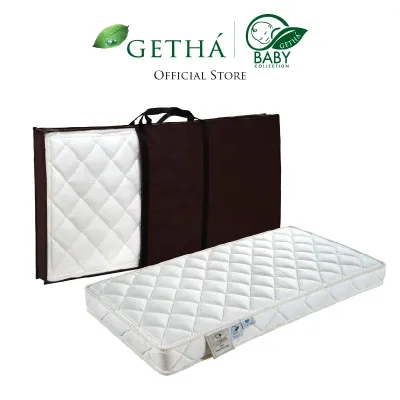
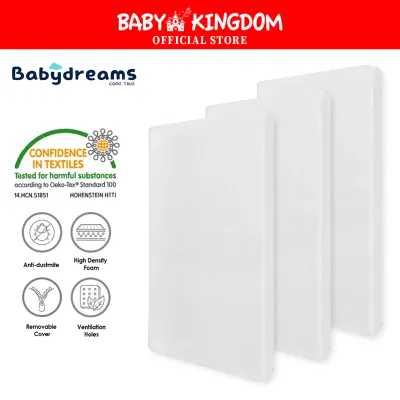

Prices are valid at publication and may change. Please refer to the product page for the latest price.
When an infant sleeps on a soft surface, they run the risk of rebreathing their own exhaled carbon dioxide. A soft mattress allows a pocket of air to form around the baby’s face, trapping carbon dioxide. When the baby inhales this trapped air instead of fresh oxygen, it can lead to hypoxia, a dangerous drop in oxygen levels that can be fatal. A firm, unyielding surface prevents the formation of these air pockets, ensuring a continuous flow of fresh air around the baby’s nose and mouth.
Furthermore, soft mattresses increase the risk of accidental suffocation and physical entrapment. If a baby rolls onto their stomach on a soft surface, their nose and mouth can sink directly into the material, blocking their airway entirely. Pediatric health authorities worldwide emphasize that a firm mattress is a non-negotiable foundation for safe infant sleep, directly reducing the risk of Sudden Infant Death Syndrome (SIDS) and sleep-related accidents.
Always remember that a baby’s skeletal system is rapidly developing. A firm surface provides the necessary structural support for their growing bones and spine. While adults associate softness with comfort, infants do not have the same pressure points and actually benefit from a flat, firm base that keeps their spine naturally aligned.
Practical Ways to Test Baby Bed Mattress Firmness
Evaluating mattress firmness should not rely on visual inspection alone. Whether you are shopping at a physical retail store in Singapore or assessing a mattress you have already purchased, there are several practical, hands-on tests you can perform to verify that the surface is safe for your baby.

The Hand Press Test To perform the hand press test, place the mattress on a flat, solid surface. Press down firmly with the palm of your hand in the center of the mattress, applying significant pressure, and then release. A safe, firm baby bed mattress will resist the pressure and immediately snap back to its original flat shape the moment you lift your hand. If your hand leaves a visible indentation, or if the material takes several seconds to recover its shape, the mattress is too soft and should not be used for an infant.
The Edge Check The edges of the mattress require the same level of scrutiny as the center. Press down firmly along the entire perimeter and the corners of the mattress. The edges should remain sturdy and resist collapsing under pressure. Strong edge support is crucial because as babies grow and begin to roll or move around the crib, weak edges can sag, creating dangerous gaps between the mattress and the crib frame where a baby could become trapped.
Visual and Physical Observation Once you place your baby on the mattress, closely observe how their body rests on the surface. The baby’s head, shoulders, and torso should sit completely on top of the mattress without any visible sinking or indentation. If you notice even a slight dip around your baby’s head or body, or if the mattress contours to their shape like memory foam, the surface lacks the necessary firmness required for safe sleep.
Weight and Density Indicators When reviewing manufacturer specifications, pay close attention to the density of the materials used. For foam mattresses, high-density polyurethane or specialized breathable foam cores generally offer superior firmness and structural longevity. For innerspring mattresses, a high coil count with thick, heavy-gauge steel wire indicates a sturdy, supportive structure. Checking these technical specifications helps ensure the mattress will maintain its safe firmness level over months of continuous use.
Essential Safety Checks Beyond Mattress Firmness
While firmness is the cornerstone of safe sleep, a baby bed mattress does not exist in isolation. To ensure a completely secure sleeping environment, you must evaluate how the mattress interacts with the crib and other bedding elements.
The Fit Test A safe mattress must fit snugly within the crib frame with no gaps. You can verify this by performing the “two-finger rule.” Insert your index and middle fingers between the edge of the mattress and the inner side of the crib. If you can fit more than two fingers into the gap, the mattress is too small for the crib. This gap poses a severe entrapment risk, as a rolling baby could slide into the space and become wedged between the mattress and the crib rails.
Flatness and Bare Sleep Surfaces The sleep surface must remain completely flat and entirely bare. Never place pillows, heavy blankets, quilts, sheepskins, stuffed toys, or crib bumpers on or around the baby bed mattress. These items compromise the firm surface and introduce immediate suffocation and strangulation hazards. If you are concerned about your baby staying warm, use a well-fitted sleep sack or swaddle appropriate for their developmental stage, rather than loose blankets.
Breathability and Covers In Singapore’s tropical climate, heat and humidity can build up quickly in a nursery. Look for mattresses featuring breathable cores or ventilation channels that promote airflow. If you use a waterproof mattress protector—which is highly recommended to prevent hygiene issues—ensure it is thin, tightly fitted, and flat. Avoid quilted or plush mattress covers that add a soft, padded layer on top of the firm mattress, as these can defeat the safety benefits of the firm core.
Verification of Standards Do not rely solely on vague marketing terms such as “pediatrician-approved” or “orthopaedic.” Instead, look for physical labels or manufacturer documentation proving compliance with recognized safety standards. These include international benchmarks such as the European standard EN 16890 or the American ASTM F2933. Verifying these certifications ensures the product has undergone rigorous mechanical testing for firmness, dimensions, and structural integrity.
Signs It Is Time to Replace Your Baby Mattress
A baby bed mattress is subject to significant wear and tear from daily sleep, diaper leaks, and the natural physical development of your growing child. Over time, even the highest-quality mattresses can lose their structural integrity and safety.
Visible Sagging and Indentations Regularly inspect the mattress surface for any signs of permanent sagging, dipping, or body impressions. If you can see a visible hollow where your baby typically sleeps, even when the mattress is empty, the internal support has failed. A sagging mattress creates an uneven surface that can cause an infant to roll onto their stomach involuntarily or sink into a pocket of trapped air. If sagging is present, the mattress must be replaced immediately.
Loss of Structural Integrity Physical damage to the mattress is a clear indicator that it is no longer safe to use. Inspect the mattress for torn outer covers, exposed inner foam, broken or squeaking coils, and warped borders. These structural failures can create sharp edges, uneven sleeping surfaces, or gaps that increase the risk of physical injury or entrapment.
Risks of Second-Hand Mattresses While reusing a mattress for a second child or accepting a hand-me-down from family might seem practical, it carries substantial safety and hygiene risks. Internal sagging and degradation of foam or springs are not always visible to the naked eye. Additionally, older mattresses can harbor accumulated moisture, dust mites, bacteria, and mold deep within their cores—a particular concern in Singapore’s humid climate. Unless you can fully verify the storage history, age, and physical integrity of a used mattress, investing in a new, certified baby bed mattress is the safest choice.
Transitioning to a Toddler Bed As your baby grows into a toddler, their sleep needs and physical capabilities change. Many crib mattresses are dual-sided, featuring an ultra-firm side for infants and a slightly softer, more cushioned side for toddlers. Always refer to the manufacturer’s specific guidelines regarding the age or weight threshold for flipping the mattress to the toddler side. Once your child exceeds the height or weight limits of their crib, or begins attempting to climb out, it is time to transition them to a toddler bed to prevent fall injuries.
Frequently Asked Questions (FAQ)
Can I add a soft topper to a firm baby mattress?
No, you should never add a soft topper, mattress pad, or extra layer of quilting to a baby bed mattress. Adding soft materials on top of a firm mattress completely defeats its safety purpose. It introduces the exact risks of suffocation, airway obstruction, and carbon dioxide rebreathing that a firm mattress is designed to prevent. The sleep surface must remain flat, firm, and covered only by a tight-fitting sheet.
Is a firm mattress uncomfortable for a newborn?
While a firm mattress may seem uncomfortable to an adult, it is perfectly comfortable and safe for a newborn. Infants do not have the same heavy pressure points as adults, and their developing bones require a stable, flat surface for proper alignment. More importantly, safety and airway protection must always take precedence over adult assumptions of comfort. A firm surface ensures your baby can breathe easily and sleep safely.
How do I know if a mattress meets safety standards?
To verify if a baby bed mattress meets safety standards, inspect the physical tags sewn onto the mattress, check the product packaging, or review the manufacturer’s official website. Look for explicit compliance with recognized infant sleep safety standards, such as EN 16890 or ASTM F2933. If you cannot find clear certification details or if the manufacturer’s safety claims seem vague, consult a pediatrician or a qualified retail specialist before making a purchase.
Community discussion
Share your experience or ask a question. Comments are reviewed before publication.