
The Short Answer: How Firm Is Safe?
A baby mattress must be exceptionally firm, flat, and completely stable. Unlike adult beds, which often feature plush, contouring, or pillow-top surfaces, a safe infant sleep surface must feel rigid to the touch and resist any deep indentation. There is a direct, well-documented link between soft sleep surfaces and an increased risk of accidental suffocation, entrapment, and Sudden Infant Death Syndrome (SIDS).
In practical terms, “firm” means the mattress surface must not conform to the shape of your baby’s head, face, or body. When you place your baby down, the mattress should maintain its flat profile without wrapping around or cradling any part of their body. If the surface yields or molds to your baby’s weight, it is too soft and poses a serious safety hazard.
Why Firmness Is Critical for Infant Safe Sleep
During the first year of life, infants undergo rapid physical development but initially lack the motor skills and muscle strength of older children. If a baby rolls onto their stomach or turns their face sideways on a soft mattress, their nose and mouth can easily sink into the material. Because young infants cannot easily lift their heads or roll back over, a soft surface can quickly block their airway.
Products mentioned in this guide
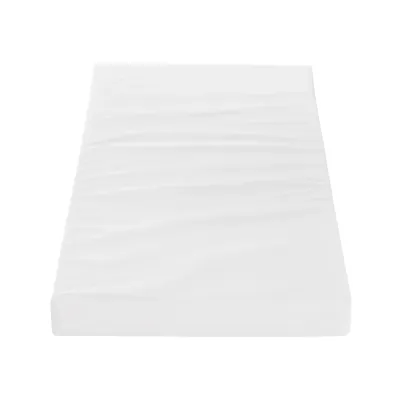
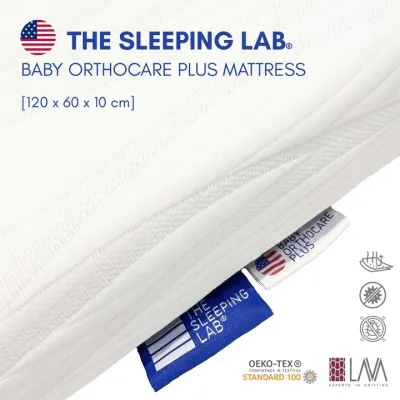
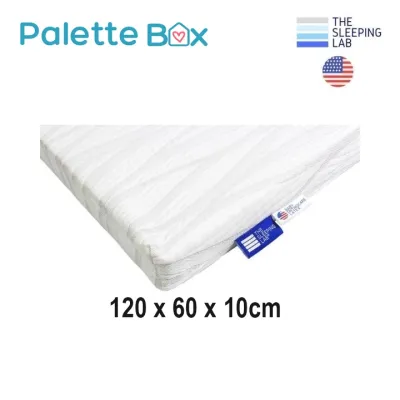

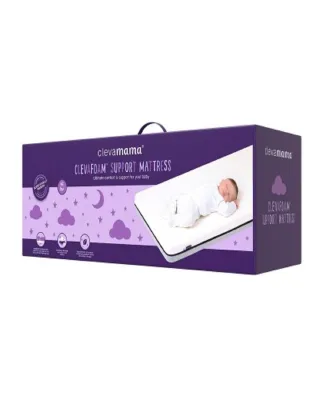

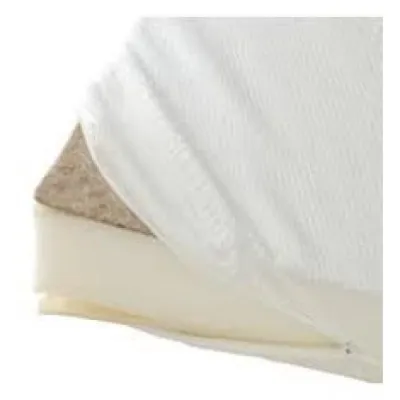
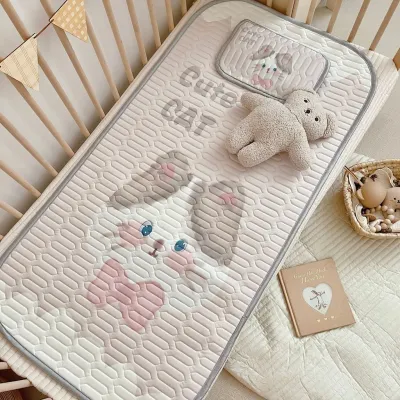
Prices are valid at publication and may change. Please refer to the product page for the latest price.

Another critical danger associated with soft bedding is the risk of rebreathing trapped carbon dioxide. When an infant’s face presses into a plush or indenting surface, a small pocket of stale air can form around their nose and mouth. The baby then breathes in their own exhaled carbon dioxide rather than fresh oxygen, which can rapidly lead to hypoxia and safe sleep failures.
It is common for parents to project their own comfort preferences onto their children, assuming a hard mattress must feel uncomfortable. However, adult bodies have fully developed skeletal structures that benefit from pressure-point relief, whereas infants require a flat, unyielding surface to support their growing bones and keep their airways completely unobstructed. Prioritizing safety over adult-defined comfort is the most important decision you can make when setting up the nursery.
Practical Ways to Test Mattress Firmness Before Buying
Evaluating a 60×120 cm mattress in a physical showroom or immediately upon home delivery requires more than a casual glance. You can perform several reliable, hands-on tests to verify that the mattress meets safe firmness standards before allowing your baby to sleep on it.
- The Hand-Press Test: Place the mattress on a flat, solid surface. Press your open palm down firmly into the center of the mattress, applying significant downward pressure, and then release. A safe, firm mattress will resist your push and spring back to its original, flat shape immediately. If your hand leaves a temporary print, or if the material takes more than a second to recover, the mattress is too soft.
- The Perimeter Check: Apply firm pressure along the entire outer edge and corners of the 60×120 mattress. The edges must feel just as rigid and supportive as the center. Weak, sagging edges can compress under a baby's weight, creating a dangerous slope that could cause the baby to roll into a gap and become trapped against the crib frame.
- The Weight Deflection Check: To simulate a baby's weight, place a heavy, flat-bottomed object (such as a large, heavy book or a small hand weight) on the mattress. Observe the surface closely. The mattress should remain completely flat around the object, with no visible dipping, sloping, or contouring around the edges of the weight.
Essential Safety Checks for 60×120 Crib Mattresses
While firmness is the foundation of safe sleep, a 60×120 crib mattress must also meet other critical safety and structural criteria to ensure a secure sleep environment.
- The Fit Test (The Two-Finger Rule): A standard 60×120 cm mattress must fit your specific crib frame snugly. Once the mattress is placed inside the crib, check for any gaps between the mattress edges and the crib rails. If you can fit more than two fingers into any gap, the mattress is too small for the crib. This gap poses a severe entrapment risk where a baby's limbs or head could become stuck.
- Breathability and Airflow: In warm, humid climates like Singapore, proper mattress ventilation is essential. Look for mattresses designed with open-cell foam cores, natural fiber layers, or 3D mesh covers that facilitate continuous airflow. Good breathability helps regulate your baby's body temperature, reducing the risk of overheating, which is a known contributor to sleep-related infant risks.
- Verifiable Certification Labels: Do not rely solely on retail marketing claims of safety or non-toxicity. Look for recognized, independent certification marks directly on the product tag, such as OEKO-TEX Standard 100 or CertiPUR-US. Because safety standards and certifications can change, take a moment to verify these credentials on the certifying body's official database or the manufacturer's website.
- Waterproofing and Hygiene: Keeping the mattress clean and dry is vital for preventing mold, mildew, and bacterial growth. Opt for a mattress with a removable, machine-washable cover or a non-toxic, wipe-clean waterproof layer. Ensure that any waterproof cover fits tightly over the mattress core without creating loose folds, wrinkles, or loud rustling noises that could disturb sleep or pose a suffocation risk.
Signs It Is Time to Replace the Crib Mattress
Crib mattresses do not last indefinitely, and their safety profile can degrade with regular use. Knowing when to retire a mattress is crucial for maintaining a safe sleep environment.
Regularly inspect the mattress for visible signs of wear. If you notice any permanent sagging, body indentations, or a loss of edge support, the mattress is no longer safe and must be replaced immediately. Over time, the internal core materials can break down, leading to soft spots that are difficult to detect visually but fail the hand-press test.
Using second-hand or hand-me-down mattresses is generally discouraged unless you can fully verify their history, storage conditions, and structural integrity. A mattress that has been stored in a damp environment may have internal mold growth, while an older mattress may have lost its original firmness. If you are reusing a mattress for a second child, re-evaluate it using the hand-press and perimeter tests to ensure it has not softened over time.
Finally, always monitor your child’s developmental milestones and weight. When your child reaches the manufacturer’s maximum weight limit for the mattress, or when they begin to show signs of climbing out of the crib, it is time to transition them to a toddler bed or a larger, age-appropriate sleep surface.
Frequently Asked Questions (FAQ)
Can I add a soft mattress topper for my baby's comfort?
No, you should never add a soft mattress topper, pillow, sheepskin, or any loose bedding to a baby’s crib. Adding a soft topper completely negates the safety benefits of a firm mattress and introduces a severe risk of suffocation and entrapment. The sleep surface must remain completely bare, covered only by a tight, well-fitted sheet that wraps securely around the mattress corners without bunching.
Does the thickness of a 60×120 mattress affect its firmness?
Thickness is not an indicator of firmness. A thick mattress can be dangerously soft, while a thin, high-density foam or natural fiber mattress can provide excellent, safe support. When choosing a 60×120 mattress, prioritize the density of the core material and its resistance to pressure rather than its overall height. Additionally, check your crib manufacturer’s manual to ensure the mattress thickness does not exceed the maximum allowable height, which could make it easier for an active baby to climb out of the crib.
Community discussion
Share your experience or ask a question. Comments are reviewed before publication.