
The primary differences between HiPP Stage 1 and Stage 2 baby formulas lie in their targeted age ranges, nutritional compositions, and how they complement your baby’s developing digestive system. Stage 1 is designed as a complete breastmilk substitute for newborns, whereas Stage 2 is formulated as a follow-on milk to accompany the introduction of solid foods. As infants grow, their nutritional requirements shift, particularly regarding iron, calcium, and protein, which is why the nutrient ratios are adjusted between these two stages.
Because HiPP produces several regional variations—such as German, Dutch, and UK versions—caregivers must verify the specific packaging of the product they purchase to confirm the exact age guidelines and ingredient lists. While the general principles of transitioning from a first infant milk to a follow-on milk remain consistent, the precise formulations can vary by market. Understanding these differences helps you make an informed decision that supports your baby’s growth and digestive comfort.
Choosing the right formula stage requires looking closely at your baby’s developmental milestones, feeding patterns, and overall health. This guide breaks down the core purposes of each stage, compares their nutritional profiles, and provides a clear framework to help you decide when and how to make the transition safely.
Products mentioned in this guide
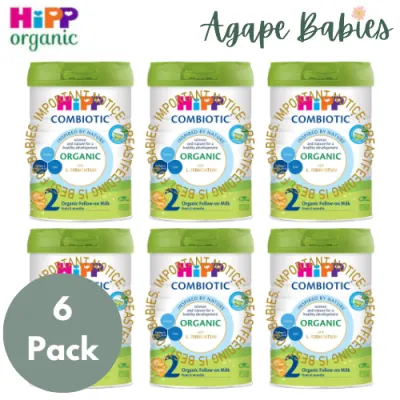
16 Lazada user ratings
Healthy choice for my baby, Smooth and plain flavor, High-quality ingredients, Healthy choice for my baby,
Trusted brand, Smooth and plain flavor, Healthy choice for my baby, thank you Lazada!! Will order again
Trusted brand, High-quality ingredients, Excellent nutritional value,
Trusted brand, Smooth and plain flavor. Convenient pack of 6.
Great follow-on milk,
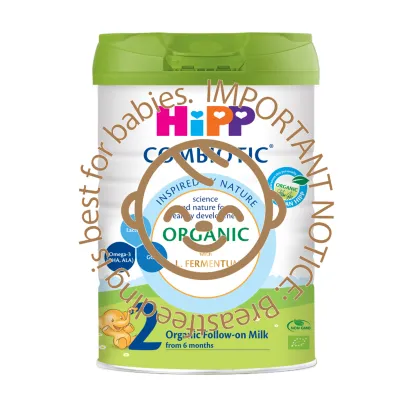
80 Lazada user ratings
High-quality organic baby formula, Trusted brand for baby formula, Supports baby's healthy development, Great formula for babies,
🏆Brand Trust: 100% My infant stuck with this brand since newborn and it’s working very well overall
Trusted brand for baby formula, High-quality organic baby formula, Great value for money.
Promotes healthy digestion and immune system, Great formula for babies,
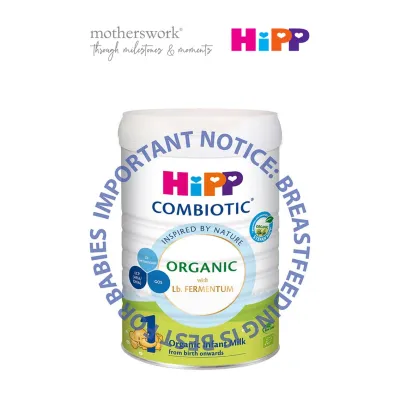
173 Lazada user ratings
Nourishing for toddlers, With prebiotic GOS, Organic toddler milk, Organic toddler milk, Easy to digest formula, Enriched with vitamins A, C…Read full reviewShow less
Nourishing for toddlers, With prebiotic GOS, Organic toddler milk, Organic toddler milk, Easy to digest formula, Enriched with vitamins A, C & D, Supports immune system,
Organic toddler milk, Natural and organic ingredients, Nourishing for toddlers, Based on breast milk research, Enriched with vitamins A, C &…Read full reviewShow less
Organic toddler milk, Natural and organic ingredients, Nourishing for toddlers, Based on breast milk research, Enriched with vitamins A, C & D,
My baby really loves this formula and it helps her bowel motion a lot better. Don't think I'll change out of this brand any time soon.
With prebiotic GOS, Easy to digest formula, Enriched with vitamins A, C & D, Nourishing for toddlers, Natural and organic ingredients,
Based on breast milk research, Natural and organic ingredients, Natural and organic ingredients, With prebiotic GOS
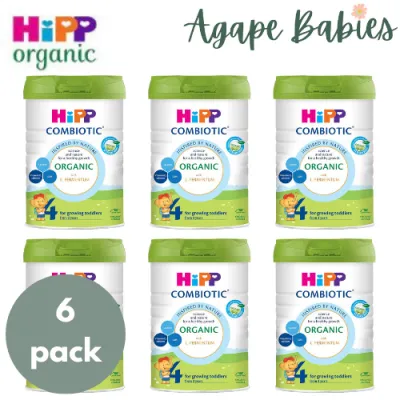
7 Lazada user ratings
Good buy plus discount from lazada. Will buy more soon! Recommended!!
Prices are valid at publication and may change. Please refer to the product page for the latest price.
Understanding the Core Purpose of Each Stage
HiPP Stage 1 formula is primarily formulated for infants from birth up to around six months of age. During these first few months, a baby’s digestive system is highly sensitive and still developing. Stage 1 formulas are designed to be exceptionally gentle, serving as the sole source of nutrition when breastfeeding is not possible or when you are combination feeding.
HiPP Stage 2 formula is designed as a “follow-on” milk, typically intended for infants from six months to twelve months of age. At this stage, babies are starting to sit up, crawl, and explore solid foods, which alters their overall nutrient intake and energy expenditure. Stage 2 is not meant to be a sole source of nutrition but rather a complement to a weaning diet.
Around the six-month mark, a baby’s natural iron stores accumulated during gestation begin to deplete. Stage 2 formula is structured to support this developmental milestone by offering a different balance of nutrients that works in tandem with solid foods. The physiological transition to solids means your baby’s gut is now capable of processing slightly more complex nutrient structures.
Because HiPP formulas are distributed across various global markets, labeling laws and stage definitions can differ. For instance, some regional versions might label Stage 1 as “First Infant Milk” and Stage 2 as “Follow-on Milk,” while others might use different age thresholds. Always inspect the specific tin or box to verify the manufacturer’s intended age range and preparation instructions for your specific region.
Comparing Nutritional Profiles and Ingredients
The balance of proteins, fats, and carbohydrates changes between Stage 1 and Stage 2 to match your baby’s growing metabolic capabilities. Stage 1 formulas often use lactose as the primary carbohydrate to mimic the sweetness and digestibility of breastmilk. Stage 2 formulas, depending on the regional version, may introduce other carbohydrates like mild starch to provide a more sustained feeling of fullness for older, more active babies.

The protein ratios are also adjusted between the two stages to reflect the changing composition of natural breastmilk over time. Stage 1 typically features a higher whey-to-casein ratio, which is highly soluble and easy for a newborn’s immature stomach to break down. Stage 2 may adjust this ratio to include more casein, which digests more slowly and aligns with the robust digestive capabilities of an older infant.
Micronutrients like iron and calcium see a notable shift in follow-on formulas. The physical growth spurt that occurs after six months requires increased support for bone density and blood volume, leading to higher levels of these minerals in Stage 2. Caregivers should examine the nutritional information panel on their specific HiPP tin to compare the exact milligram values of these essential nutrients.
HiPP formulas are well-regarded for incorporating beneficial ingredients such as prebiotic dietary fibers and sometimes probiotics, alongside essential fatty acids like DHA (Docosahexaenoic Acid). However, the presence and sources of these ingredients can vary significantly between the German, Dutch, and UK formulations. You must read the ingredient list on your specific package to verify which beneficial compounds are included in the version you are purchasing.
Signs and Conditions for Transitioning Formulas
Reaching the six-month milestone is the standard baseline for considering a transition, but physical readiness is equally important. Signs that your baby might be ready to transition to Stage 2 include showing a keen interest in solid foods, successfully swallowing purees, and demonstrating an increased appetite that is no longer fully satisfied by Stage 1 formula alone.
Some babies may benefit from staying on Stage 1 formula longer than the typical six months. If your infant was born prematurely, has a sensitive digestive system, or is experiencing developmental delays, continuing with Stage 1 is often recommended. Stage 1 formula remains nutritionally complete and safe for older infants when paired with a monitored weaning diet.
Before making any changes to your infant’s feeding regimen, it is critical to consult a pediatrician or a qualified healthcare professional. They can evaluate your baby’s growth trajectory, weight gain, and digestive health to ensure that transitioning to a follow-on formula is appropriate. A professional can also help you rule out any underlying issues if your baby is struggling to gain weight.
When transitioning, some parents choose to introduce the new formula gradually, while others switch immediately. If you decide to transition, monitor your baby closely for any signs of digestive discomfort, such as unusual gassiness, constipation, or changes in stool consistency. If these symptoms persist or cause distress, stop the transition and seek medical advice.
Decision Framework: Choosing the Right HiPP Formula
To help you finalize your purchasing decision, consider the following structured guidelines based on your baby’s current development and health status.
Choose Stage 1 if:
- Your infant is under six months of age.
- Your baby relies entirely on formula for their nutritional needs and has not yet started solid foods.
- Your baby has a highly sensitive stomach that tolerates the lighter protein and carbohydrate profile of Stage 1 better.
Choose Stage 2 if:
- Your baby is at least six months old and has successfully begun complementary feeding with solid foods.
- A pediatrician or healthcare professional has confirmed that your baby is ready for a follow-on formula.
- Your baby requires the higher iron and calcium levels typically found in Stage 2 to support their rapid physical development.
Verify first if:
- Your baby has diagnosed allergies, reflux, or specific dietary requirements that necessitate a specialized formula (such as HA or Comfort versions) rather than the standard Stage 1 or Stage 2.
- You are purchasing the correct regional version (German, Dutch, or UK) to ensure consistency in preparation and ingredients.
Purchasing Checklist:
- Verify the Seal: Ensure the tin or box is completely intact, with no punctures, dents, or broken safety seals.
- Check the Expiration Date: Confirm the product has a long shelf life remaining before purchase.
- Confirm the Regional Version: Double-check that you are purchasing the correct regional version to maintain consistency in preparation and ingredients.
- Select a Reputable Retailer: Purchase only from trusted, authorized sellers to ensure proper storage conditions and product authenticity.
Frequently Asked Questions (FAQ)
Can I mix HiPP Stage 1 and Stage 2 during the transition?
Mixing different formula powders in the same bottle is generally not recommended by formula manufacturers unless specifically advised by a healthcare professional. Each stage has a precise water-to-powder ratio designed to ensure your baby receives the correct concentration of nutrients and hydration. Altering these ratios or mixing powders can lead to digestive strain or nutritional imbalances. Always follow the exact preparation instructions on the HiPP packaging. If your baby shows signs of digestive discomfort, constipation, or significant changes in stool patterns during a transition, stop the transition and consult your pediatrician.
Does HiPP Stage 2 contain more iron than Stage 1?
Yes, Stage 2 follow-on formulas generally contain higher levels of iron compared to Stage 1. This adjustment aligns with the natural depletion of an infant’s prenatal iron stores around six months of age and supports rapid physical growth and blood volume expansion. However, because formulations can vary significantly between different regional versions of HiPP (such as the German, Dutch, or UK lines), you should always compare the exact milligram (mg) values listed on the nutritional information panels of the specific products you are considering. Discuss your baby’s individual iron requirements with a pediatrician, especially if they are already consuming iron-rich solid foods.

Community discussion
Share your experience or ask a question. Comments are reviewed before publication.