
Quick Answer: Are HiPP Purees a Good Choice for Your Baby?
HiPP purees are widely recognized by parents for their emphasis on organic sourcing and simple ingredient profiles. The brand’s philosophy centers on using whole fruits, vegetables, and grains without relying on artificial preservatives, synthetic colorings, or added refined sugars. This makes them a popular option for families seeking convenient weaning foods that mimic home-cooked meals.
However, determining whether these purees are the optimal choice for your child requires looking beyond the brand name. The ideal baby food depends heavily on your infant’s current developmental stage, specific nutritional requirements, and any potential food sensitivities. Because recipes vary significantly between simple fruit pouches and complex savory jars, parents should always inspect the individual product’s packaging.
While many options in the product range feature clean, minimalist ingredient lists, others may contain concentrated juices or specific starches to adjust texture. Carefully reviewing the ingredient list and nutritional information panel on the back of each package is the most reliable way to ensure a specific flavor aligns with your baby’s dietary journey.
Products mentioned in this guide
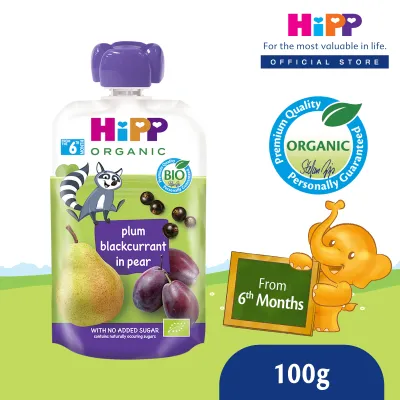
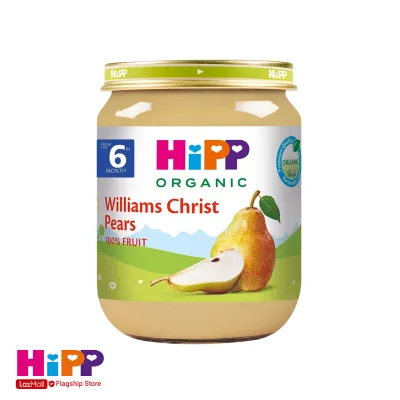
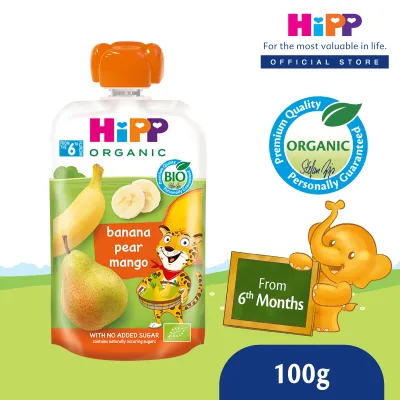
Prices are valid at publication and may change. Please refer to the product page for the latest price.
Decoding the Ingredient List: What is Inside HiPP Purees?
Understanding how to read a baby food label is an essential skill when navigating the feeding aisle. When evaluating a hipp puree, the first step is to examine the order of ingredients, which are listed by weight from highest to lowest. In high-quality purees, the primary ingredients should be recognizable, whole foods like organic apples, carrots, or oats, rather than water or thickening agents.

A major distinction exists between single-ingredient purees and mixed meal blends. Single-ingredient options are perfect for the early stages of weaning, as they allow you to introduce one flavor at a time. In contrast, multi-ingredient blends combine various fruits, vegetables, grains, and sometimes meats to create more complex flavor profiles. When choosing mixed blends, verify whether the primary ingredient aligns with the product’s front-of-pack name, as some vegetable blends may use sweet fruit purees as a base to improve palatability.
Parents should also pay close attention to how sweetness is achieved in these products. While the brand avoids adding refined table sugar, some purees may contain sweet fruit juice concentrates. While natural, these concentrates can still contribute to a high overall sugar content, which may influence your baby’s developing palate toward a preference for sweet tastes. Checking the nutritional panel for the exact sugar grams per serving helps you maintain a balanced exposure to both sweet and savory flavors.
Additionally, you will notice that certain savory meal purees contain added fats, such as organic rapeseed oil. This is a deliberate addition designed to support the absorption of fat-soluble vitamins like Vitamin A, D, E, and K, which are crucial for infant development. When examining these savory options, verify the type of oil used on the ingredient label to ensure it matches your family’s dietary preferences and nutritional goals.
Nutritional Benefits: How These Ingredients Support Your Baby
Essential Vitamins and Minerals
Natural fruit and vegetable purees serve as an excellent source of essential micronutrients that support your baby’s rapid growth. For instance, purees containing dark leafy greens, sweet potatoes, or carrots often provide beta-carotene, which the body converts into Vitamin A to support healthy vision and immune function. Citrus fruits, berries, and rosehip additions commonly supply Vitamin C, which aids in iron absorption when paired with iron-rich foods.
Because these micronutrients are derived from natural ingredients, their levels can vary depending on the specific recipe and processing methods. To understand exactly what your baby is receiving, always consult the back-of-pack nutritional information panel. This table details the specific vitamin and mineral content per serving, allowing you to fill specific nutritional gaps in your baby’s daily diet.
Dietary Fiber for Digestive Support
Introducing solid foods is a major transition for an infant’s immature digestive system, often leading to temporary changes in bowel habits. Purees made from whole fruits and vegetables retain natural dietary fiber, which plays a vital role in promoting healthy digestion. Soluble and insoluble fibers help add bulk to the stool and encourage regular bowel movements, reducing the likelihood of infant constipation.
When selecting purees to support digestion, look for ingredients known for their gentle laxative effects, such as prunes, pears, and plums. Introducing these fiber-rich options alongside adequate hydration can help your baby adapt smoothly to a more complex diet. Conversely, if your baby is experiencing loose stools, you might temporarily focus on purees containing bananas or rice, which can help firm up the stool.
Energy and Growth From Complex Macronutrients
As babies become more active, their daily energy requirements increase significantly. While early weaning focuses on taste introduction, later stages demand a higher concentration of macronutrients to support physical and cognitive development. Savory purees that incorporate complex carbohydrates from oats, spelt, or potatoes provide sustained energy release rather than the rapid spikes associated with simple sugars.
Furthermore, options containing organic meats, poultry, or legumes introduce essential proteins and iron, which are critical for muscle development and cognitive function as breast milk or formula intake begins to decrease. Combining these complex carbohydrates with healthy fats ensures that your baby receives a calorie-dense meal that sustains their high energy demands throughout the day.
Hydration and Texture Transition
The natural water content in fruit and vegetable purees plays a supporting role in keeping your baby hydrated as they transition to solids. While water or milk should remain the primary sources of hydration, the moisture in purees ensures the food is easy to swallow and digest. This high water content also helps maintain the smooth, consistent texture necessary for early feeding.
The texture of the puree itself serves an important developmental purpose. Starting with ultra-smooth, liquid-like purees helps your baby learn how to swallow non-liquid foods without choking. As their oral motor skills improve, transitioning to thicker, textured purees encourages jaw movement and prepares them for chewing family foods later on.
Organic Certifications and Safety Standards to Verify
When purchasing packaged baby food, understanding the verification process for organic and safety claims is crucial for peace of mind. Genuine organic certification indicates that the ingredients were grown under strict agricultural standards. This typically includes rigorous limits on synthetic pesticide residues, a complete ban on chemical fertilizers, and a strict prohibition of genetically modified organisms (GMOs).
Rather than relying solely on promotional statements on the front of the pouch, parents should look for official, independent certification seals on the packaging. In Singapore, imported organic baby foods often carry the EU Organic leaf logo or equivalent national organic seals from the country of origin. These logos serve as proof that the product has undergone independent audits and complies with established international organic standards.
Beyond organic farming, safety standards regarding heavy metals and environmental contaminants are highly relevant to baby food. Young children are particularly vulnerable to these substances, making rigorous testing essential. Parents are encouraged to visit the manufacturer’s official website or contact their customer service to verify their testing protocols, safety thresholds, and quality control measures.
Physical packaging safety is just as important as the ingredients inside. Commercial baby food pouches and glass jars are designed to be shelf-stable through vacuum sealing and specialized sterilization processes, eliminating the need for artificial preservatives. Before serving any puree, inspect the packaging carefully; ensure the safety button on a glass jar lid is clicked down and does not pop, and verify that pouches are not bloated, leaking, or showing signs of a broken tamper-evident seal.
Matching HiPP Purees to Your Baby's Age and Dietary Needs
Early Weaning (Around 6 Months)
The transition to solid foods usually begins around six months of age, depending on your baby’s developmental readiness. During this initial phase, the primary goal is to introduce new flavors and textures rather than replace milk feeds. Single-ingredient purees, such as pure carrot, pumpkin, apple, or pear, are highly recommended for this stage.
Using single-ingredient foods makes it much easier to monitor your baby for any potential food sensitivities or allergic reactions. By introducing one new food at a time and waiting a few days before presenting another, you can quickly identify the source of any digestive upset, skin rashes, or other unusual symptoms.
Advanced Stages (7+ Months and Beyond)
As your baby approaches seven to eight months, their nutritional needs expand, and they require a wider variety of nutrients, particularly iron and zinc. This is the ideal time to transition to mixed-ingredient purees that combine vegetables, fruits, grains, and proteins. These multi-component meals offer a more complex sensory experience and help prevent picky eating habits later in life.
These advanced purees also feature thicker textures and small soft lumps, which encourage your baby to practice chewing. Introducing textures at this stage is critical for oral muscle development, which is closely linked to speech development. Gradually increasing the complexity of the meals ensures your baby receives balanced, age-appropriate nutrition.
Allergen Management and Special Dietary Needs
Managing allergens is a key consideration for modern parents. When introducing packaged foods, carefully review the ingredient list to identify potential allergens such as cow’s milk, wheat (gluten), soy, fish, or eggs. Current pediatric guidelines generally recommend introducing common allergens around the time weaning begins, as delaying introduction may increase the risk of developing allergies.
For babies with specific dietary restrictions, packaging labels are invaluable. Look for clear indicators of gluten-free, dairy-free, or vegetarian options directly on the box or jar. Always cross-reference these claims with the printed ingredient list to ensure there is no risk of cross-contamination if your child has a severe allergy.
Caregivers must consult a pediatrician, a pediatric dietitian, or a child health nurse in Singapore before introducing highly allergenic foods, making major changes to your baby’s diet, or if you have concerns about your child’s growth, digestive health, or potential allergic reactions.
Frequently Asked Questions (FAQ)
Do HiPP purees need to be refrigerated before opening?
Unopened pouches and jars of commercial baby food do not require refrigeration because they undergo a specialized heat sterilization process and are vacuum-sealed to prevent spoilage. You should store unopened products in a cool, dry pantry or cupboard, away from direct sunlight and heat sources. Always check the expiration date printed on the packaging before serving, and discard any products that have passed this date.
Can I mix HiPP purees with breast milk or formula?
Yes, mixing a small amount of breast milk or infant formula into a puree is a common and safe practice, especially during the early stages of weaning. This can help thin out the texture to make it easier for your baby to swallow, while providing a familiar taste that makes the transition to solid foods more comfortable. If you choose to mix milk into the puree, only mix the portion you intend to serve immediately, and discard any leftovers to prevent bacterial growth.
How long can an opened pouch or jar be kept in the fridge?
Once a baby food pouch or jar has been opened, it must be refrigerated to prevent the growth of harmful bacteria. Generally, opened purees can be safely stored in the refrigerator for 24 to 48 hours, depending on the specific ingredients; fruit purees often last slightly longer than meals containing meat or fish. Always read the manufacturer’s specific storage instructions on the label, and ensure you use a clean spoon to scoop out the food rather than feeding your baby directly from the container, as saliva can introduce bacteria that accelerates spoilage.
Community discussion
Share your experience or ask a question. Comments are reviewed before publication.