
When you begin the weaning journey, finding a baby food that balances pure ingredients with optimal nutrition becomes a top priority. The standout quality of hipp organic lies in its strict agricultural standards, whole-food plant ingredients, and deliberate exclusion of artificial additives. By prioritizing soil health and gentle processing, this brand preserves natural flavors and textures while delivering essential vitamins, minerals, and healthy fats tailored to your baby’s growing needs.
Understanding these nutritional profiles helps you make informed choices that align with your baby’s developmental milestones. Let’s look closer at how these ingredients are sourced, formulated, and structured across different stages to support healthy growth.
The Organic Standard: What Defines HiPP's Ingredient Sourcing
Organic baby food is more than just a marketing label; it represents a fundamental approach to how food is grown, harvested, and processed. HiPP’s organic farming philosophy centers on long-term ecological balance, focusing heavily on maintaining soil health and promoting natural biodiversity. By avoiding synthetic chemical pesticides and artificial fertilizers, the crops grow in a natural rhythm, allowing them to develop robust flavors and nutritional integrity.
Products mentioned in this guide
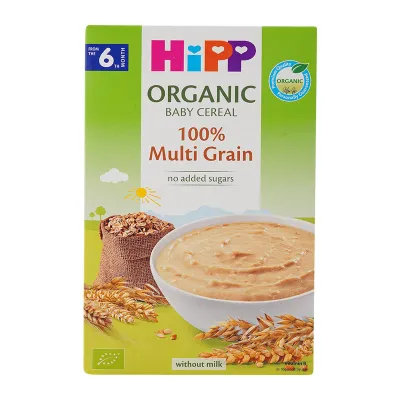
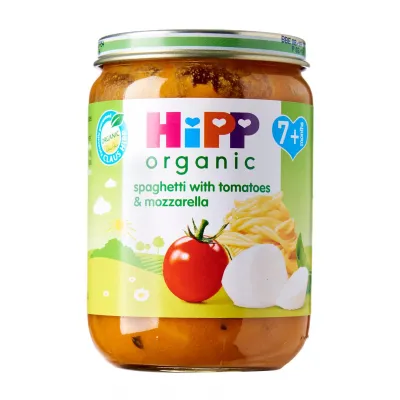
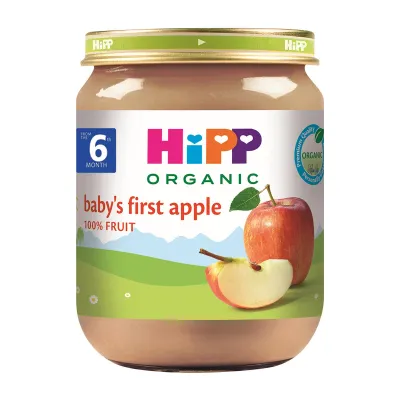
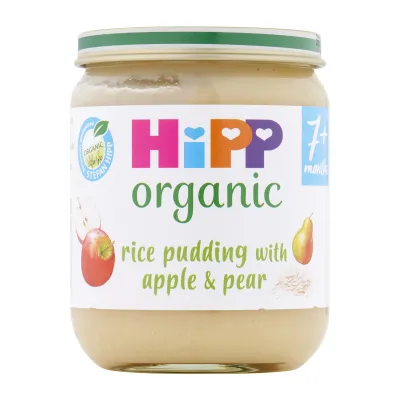
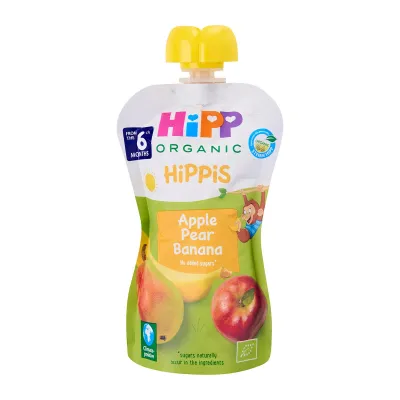
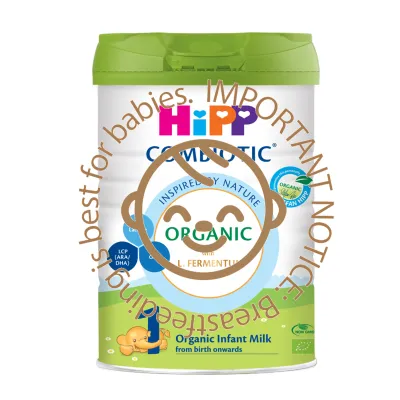
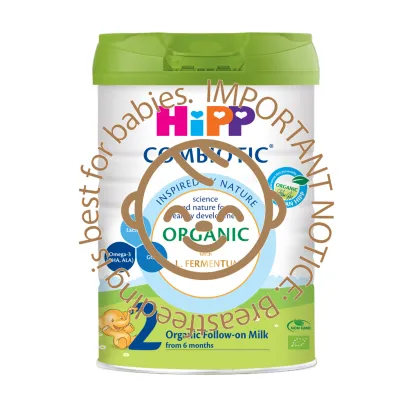
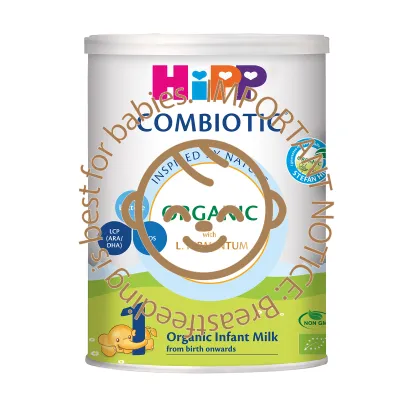
Prices are valid at publication and may change. Please refer to the product page for the latest price.
This agricultural approach relies on natural crop rotation and green manure to keep the soil fertile. Instead of using chemical sprays to manage pests, farmers encourage beneficial insects and use mechanical weeding methods. This demanding process ensures that the raw ingredients entering the production line are as free from synthetic residues as possible, providing a clean foundation for your infant’s diet.
To verify these organic claims, you should look for recognized certification logos on the physical packaging. The most prominent of these is the European Union organic leaf logo—a leaf shape formed by white stars against a green background. This symbol guarantees that the product complies with strict European regulations on organic production, processing, transport, and storage, which are among the most rigorous in the world.
It is important to clarify that the term “organic” refers specifically to the agricultural process and the purity of the ingredients. An organic label guarantees that the pears, carrots, or oats were grown without harmful chemicals, but it does not automatically mean a specific product matches your baby’s exact nutritional needs for a complete meal. Parents must still review the nutritional information panel to ensure the macronutrient balance and mineral content align with their child’s current developmental stage.
Standout Ingredients: What Goes In and What is Left Out
Evaluating commercial baby food requires a close look at both the active ingredients and the substances that are intentionally excluded. A clean ingredient list helps you feed your baby with confidence, knowing exactly what is supporting their growth.

Whole Organic Fruits, Vegetables, and Grains
HiPP formulations prioritize whole, minimally processed plant-based ingredients to ensure your baby receives natural nutrition. The fruits and vegetables—ranging from sweet potatoes and pumpkins to apples and plums—are gently steam-cooked and pureed. This minimal heat processing is designed to retain natural colors, delicate vitamins, and natural textures, which are crucial for helping your baby accept a variety of foods later in life.
In addition to fruits and vegetables, the inclusion of organic whole grains like oats, millet, spelt, and whole wheat plays a vital role in early nutrition. These grains are processed to retain their natural dietary fiber, which supports healthy digestion and regular bowel movements. Introducing these diverse, whole-food textures early on also helps train your baby’s oral-motor skills, preparing them for more complex family meals.
The "No-Add" Promise: Sugar, Salt, and Preservatives
One of the primary concerns for parents exploring commercial baby food is the presence of hidden additives. HiPP operates on a strict policy of avoiding added refined sugars, artificial flavors, synthetic colors, and chemical preservatives. This ensures that your baby is not exposed to unnecessary chemicals or excess sodium, which can put a strain on their developing kidneys.
When reading the ingredient list, you can verify these exclusions by checking for the absence of terms like sucrose, cane sugar, or sodium chloride. It is important to note, however, that fruit-based purees will naturally contain fruit sugars, known as fructose. You can monitor the total sugar content by checking the “of which sugars” line under the carbohydrate section on the nutritional information panel, allowing you to balance sweet fruit purees with savory vegetable options.
Essential Nutrients: Supporting Your Baby's Growth Milestones
As your baby transitions from milk to solids, their nutritional requirements change rapidly. The food they consume must provide specific micronutrients and healthy fats to support their physical and cognitive development.
Iron, Calcium, and Bone-Building Minerals
During the first six months of life, babies rely on the iron stores they accumulated in the womb. Around the six-month mark, these natural stores begin to deplete, making dietary iron essential for healthy brain development and red blood cell production. Calcium is equally critical during this period of rapid growth to support the development of strong bones and emerging teeth.
While some ingredients naturally contain these minerals, certain product ranges—such as dry infant cereals and follow-on milks—may be fortified to meet strict pediatric nutritional guidelines. Because mineral levels vary significantly depending on the specific recipe and stage, you should always check the nutritional information panel on the back of the jar or pouch to confirm the exact milligram amounts per serving.
Vitamins and Organic Oils for Brain and Immune Support
Essential vitamins play a dual role in supporting your baby’s immune system and assisting with nutrient absorption. For instance, Vitamin C is regularly included in fruit and vegetable blends because it significantly enhances the absorption of non-heme iron (the type of iron found in plant-based ingredients). Vitamin A and various B vitamins are also present to support healthy vision, skin, and energy metabolism.
To support rapid brain and nervous system development, many HiPP recipes incorporate high-quality organic vegetable oils, such as rapeseed (canola) oil or sunflower oil. These oils are excellent sources of alpha-linolenic acid (an omega-3 fatty acid) and linoleic acid (an omega-6 fatty acid), which the human body cannot produce on its own. If your baby has a known or suspected seed allergy, always verify the specific oil source listed on the ingredient panel before feeding.
Decoding the Label: How to Choose the Right HiPP Stage
Navigating the baby food aisle can be overwhelming, but understanding the staging system simplifies the selection process. HiPP categorizes its products into distinct stages to match your baby’s age, digestive capacity, and chewing ability.
Stage 1 products are designed for the very beginning of the weaning journey, typically from four to six months of age. These formulations consist of single-ingredient, ultra-smooth purees, such as pure carrot or pure pear. The simple ingredient profile makes it easy to introduce the concept of spoon-feeding while monitoring your baby for any potential food sensitivities or allergic reactions.
Stage 2 products are tailored for growing appetites, usually from six to eight months. At this stage, the recipes become more complex, combining multiple fruits, vegetables, and grains, and introducing mild, organic meats. The textures are slightly thicker to encourage your baby to practice swallowing more substantial foods, and the nutrient density increases to support higher activity levels.
Stage 3 products are formulated for older infants and toddlers, typically from ten to twelve months and beyond. These meals feature chunkier textures with soft, small pieces of pasta, vegetables, or grains to encourage active chewing. They are designed to mimic family meals, helping your toddler transition smoothly to table foods while providing balanced ratios of protein, carbohydrates, and fats.
When choosing a product, look for allergen information, which is typically highlighted in bold, capitalized, or italicized text within the ingredient list. While these age stages serve as highly useful guidelines, you should always observe your baby’s individual readiness signs. If your baby is not yet sitting upright with support or continues to push food out of their mouth with their tongue, they may need more time on smooth Stage 1 purees before advancing to textured meals.
Buying and Storing HiPP Organic in Singapore
Sourcing and maintaining the quality of baby food requires extra care when living in a tropical environment. Ensuring you buy authentic products and store them correctly is essential for your baby’s safety.
To guarantee product integrity, always purchase your hipp organic products from reputable sources in Singapore. These include official brand flagship stores on major e-commerce platforms, established supermarket chains, and recognized pharmacies. Avoiding unverified third-party parallel importers reduces the risk of buying counterfeit items or products that have been exposed to extreme heat during shipping and warehousing.
Singapore’s hot and humid climate presents unique challenges for food preservation. Unopened jars and pouches should be stored in a cool, dry pantry away from direct sunlight and heat-generating appliances like ovens or refrigerators. Exposure to high temperatures can degrade delicate vitamins and compromise the vacuum seal of the packaging.
Once a jar or pouch is opened, bacteria from the environment can cause rapid spoilage. You must refrigerate the opened container immediately at or below 4°C and consume the remaining food within 24 to 48 hours, depending on the specific product instructions. To prevent contamination from saliva, never feed your baby directly from the jar if you plan to save a portion for later; instead, use a clean plastic spoon to portion out the food into a separate bowl, then seal and refrigerate the jar immediately.
Before making any significant changes to your baby’s diet, especially if there is a family history of food allergies or specific medical conditions, always consult a pediatrician, pediatric dietitian, or qualified healthcare professional for personalized guidance.
Frequently Asked Questions (FAQ)
Is HiPP Organic suitable for babies with specific food allergies?
HiPP offers a diverse range of single-ingredient and allergen-aware options, making it easier to navigate dietary restrictions. However, because formulations can vary, you must carefully read the allergen declarations and ingredient lists on every individual package before serving. When introducing potential allergens, do so one at a time in small quantities over several days to monitor for adverse reactions. If your baby has a diagnosed food allergy, consult your pediatrician before introducing any new commercial food blends.
How does HiPP ensure its ingredients are free from harmful contaminants?
HiPP utilizes rigorous internal quality controls and testing protocols that exceed standard legal requirements. They screen their raw ingredients for over 850 potential residues, including pesticides, heavy metals, and other environmental contaminants, to comply with strict European safety standards for infant nutrition. For detailed information regarding their testing standards or batch-specific quality reports, you can contact their official customer service channels or visit their regional brand website.
What is the best way to store opened HiPP baby food in a tropical climate?
Because of Singapore’s high ambient heat and humidity, opened baby food must be refrigerated immediately. Always use a clean spoon to transfer the desired portion to a separate serving bowl rather than feeding your baby directly from the jar, as saliva introduces bacteria that accelerate spoilage. Seal the remaining portion tightly and store it in the refrigerator at 4°C or lower, ensuring it is consumed within the 24 to 48-hour timeframe specified on the label.
Community discussion
Share your experience or ask a question. Comments are reviewed before publication.