
Selecting the right Hiip baby food products depends on matching your baby’s developmental milestones with the corresponding product stages indicated on the packaging. By aligning Hiip’s smooth purees, textured blends, and soft finger foods with your baby’s growing oral motor skills, you can support a safe and nutritionally complete transition to solid foods.
Understanding Your Baby's Weaning Stages and Nutritional Needs
Around six months of age, babies typically show signs of readiness for solids. These milestones include sitting up with minimal support, maintaining good head control, and losing the tongue-thrust reflex, which automatically pushes solid objects out of the mouth. Showing curiosity when others eat and reaching for food are also key behavioral indicators.
Weaning is not just about nutrition; it is a critical window for oral motor development. The progression starts with completely smooth, runny purees that require simple swallowing. Gradually, babies learn to move thicker, mashed foods around their mouths with their tongues. Eventually, they develop the jaw strength and coordination needed to chew soft finger foods and small chunks.
Products mentioned in this guide
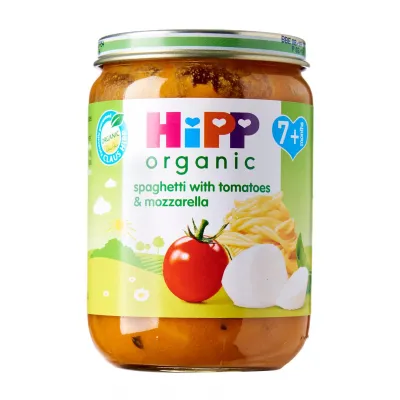
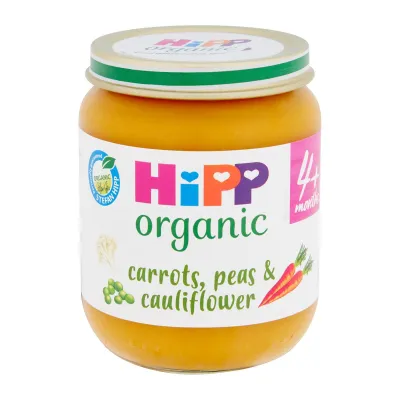
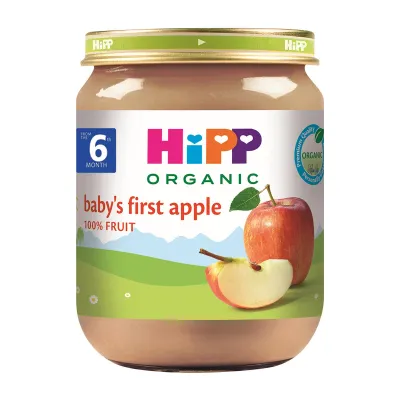
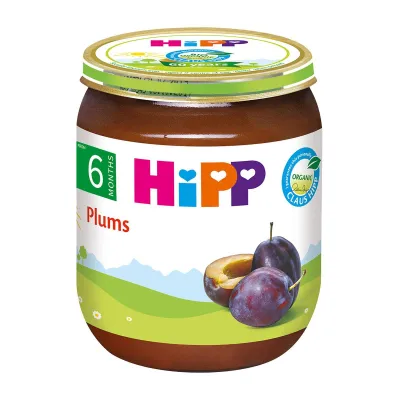
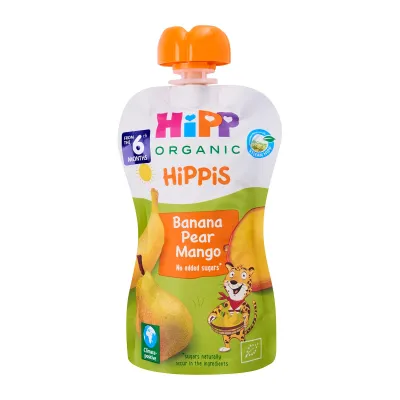
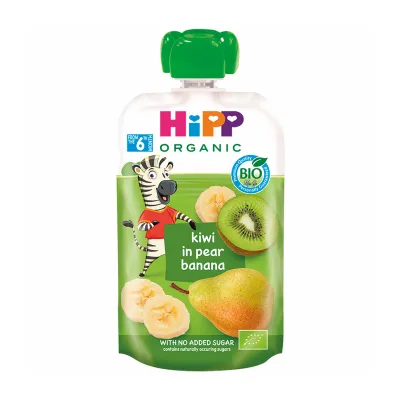
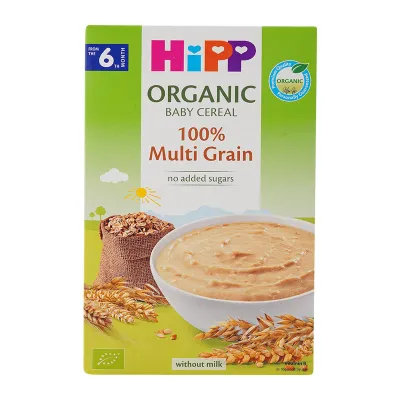
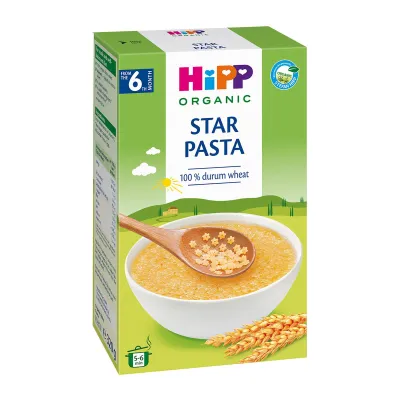
Prices are valid at publication and may change. Please refer to the product page for the latest price.
During the first six months, breast milk or infant formula provides all necessary nutrients. However, around the six-month mark, a baby’s natural iron and zinc stores begin to deplete. Complementary feeding must prioritize iron-rich and zinc-rich foods alongside essential macronutrients to support rapid brain development and physical growth. Introducing a wide variety of flavors early on also helps shape healthy long-term eating habits.
How to Read Hiip Product Labels for Age and Texture Suitability
Hiip packaging typically features clear age recommendations, such as “from 4 months,” “from 6 months,” or “from 12 months.” These indicators serve as a general guideline, but parents must always prioritize their baby’s actual developmental readiness over the chronological age printed on the box or jar.

Turn the package over to inspect the ingredient list and texture description. Look for terms like “smoothly pureed,” “finely mashed,” or “with small pieces.” Ensure there are no added sugars, excessive sodium, or artificial preservatives. Check the allergen declaration carefully, especially if your family has a history of food allergies, and note any warnings regarding potential cross-contamination in the manufacturing facility.
Verify the storage instructions on the label. Some products are shelf-stable until opened, while others require specific temperature controls. Check the expiry date before purchasing or serving. Pay close attention to preparation instructions, such as whether the product can be served at room temperature, needs gentle warming, or requires reconstitution with water or milk.
Recommended Hiip Product Categories by Weaning Stage
When starting the weaning journey, the primary goal is introducing single, simple flavors and mastering the physical act of swallowing. Look for Hiip’s Stage 1 products, which feature ultra-smooth, single-ingredient purees like apple, pear, carrot, or pumpkin. These simple formulations allow you to monitor your baby for any adverse reactions to specific foods. Introduce one new ingredient at a time, waiting a few days before trying another.
Once your baby comfortably swallows smooth purees, they are ready to explore more complex flavors and slightly thicker textures. Hiip’s Stage 2 options introduce multi-ingredient blends, combining fruits, vegetables, and grains or mild proteins. The texture in this stage is typically a thicker, mashed consistency that encourages your baby to practice moving food from side to side using their tongue, laying the foundation for chewing.
As your baby approaches their first birthday, their chewing skills and hand-eye coordination improve significantly. Hiip’s Stage 3 range includes chunkier meals with soft, chewable pieces, as well as soft finger foods like baby biscuits or puffed grains. These products encourage self-feeding, help develop the pincer grasp, and stimulate jaw muscle development.
Because product availability, packaging designs, and specific formulations can vary by region, always cross-reference product names and age labels on the official Hiip website or authorized e-commerce platforms in Singapore. Checking local distributor details ensures you are purchasing authentic, properly stored products suitable for the local market.
Building a Balanced Weekly Meal Plan with Hiip
Commercial baby foods like Hiip pouches and jars offer excellent convenience, but they should complement, not entirely replace, fresh home-cooked foods. Use Hiip purees as a base or a convenient side, and pair them with fresh, iron-rich proteins like pureed beef, chicken, or tofu, along with freshly steamed vegetables and whole grains. This combination ensures a diverse nutrient profile and exposes your baby to natural food textures.
Every baby’s appetite fluctuates daily based on growth spurts, teething, and activity levels. Start with small portions—just a teaspoon or two—and gradually increase the amount as your baby indicates hunger. Watch for satiety cues, such as turning their head away, closing their mouth, or pushing the spoon away. Always consult your pediatrician or a pediatric dietitian to ensure your baby’s overall milk and solid food intake meets their specific nutritional requirements.
Managing household expenses is a key consideration for families in Singapore. When shopping for Hiip products, compare unit prices (such as price per 100 grams) across authorized online retailers, local supermarkets, and official brand stores. Buying in bulk or taking advantage of promotional bundles can help optimize your monthly budget, but ensure you only purchase quantities your baby can consume before the expiry dates.
The ultimate goal of weaning is to transition your baby to the same healthy meals the rest of the family enjoys. Gradually reduce your reliance on commercial purees by incorporating more finely chopped, modified versions of your family’s daily meals. Ensure these home-cooked portions are prepared without added salt, heavy spices, or artificial flavorings to keep them safe for young digestive systems.
Safety, Storage, and Feeding Best Practices
To prevent bacterial contamination, never feed your baby directly from a Hiip jar or pouch if you plan to save the remainder for later. Saliva from the spoon introduces bacteria into the container, which can multiply rapidly. Instead, squeeze or spoon the desired portion into a clean, separate bowl, and immediately seal and refrigerate the remaining portion in the original container.
Unopened Hiip jars and pouches should be stored in a cool, dry place away from direct sunlight, which is especially important in Singapore’s warm, humid climate. Once opened, keep the product refrigerated and consume it within the timeframe specified on the packaging—typically 24 to 48 hours. Do not freeze baby food directly in glass jars, as the liquid can expand and cause the glass to shatter.
Active adult supervision is mandatory during every meal. Ensure your baby sits upright in a secure high chair to minimize the risk of choking. Learn to distinguish between normal gagging—a natural reflex as babies learn to manage solids—and actual choking, which is silent and requires immediate emergency intervention. Always introduce new foods, especially common allergens, during the morning or early afternoon so you can monitor your baby for any signs of an allergic reaction throughout the day.
Frequently Asked Questions (FAQ)
Can I mix Hiip purees with breast milk or formula?
Yes, mixing a small amount of breast milk or prepared infant formula into Hiip purees is an excellent way to thin out the consistency during the very early stages of weaning. This familiar taste can also make the transition to solids more comfortable for your baby. Always mix the liquids in a clean bowl rather than adding purees directly into a feeding bottle, as bottle-feeding purees poses a serious choking hazard and interferes with the natural learning process of chewing and swallowing.
How do I know if my baby is ready to move to the next Hiip stage?
Your baby may be ready to progress to the next stage when they can easily swallow smoother textures without spitting them out, show active chewing motions with their jaws, and express interest in more textured foods. If your baby successfully handles mashed foods without excessive gagging or distress, you can gradually introduce the small, soft chunks found in the next stage of Hiip products. Always observe their comfort level and consult your pediatrician if you are unsure.
Are Hiip products suitable for babies with specific food allergies?
Many Hiip products are formulated to accommodate common dietary needs, but you must carefully read the ingredient list on every individual package to verify allergen safety. Look for clear allergen declarations and precautionary warnings regarding potential cross-contamination. When introducing common allergens like wheat, dairy, or fish, do so individually and in very small amounts, and consult your pediatrician beforehand if your baby has eczema or a known family history of severe allergies.
Community discussion
Share your experience or ask a question. Comments are reviewed before publication.