
Selecting a premium baby bottle involves evaluating how different materials and physical designs align with your daily feeding routine and your baby’s physiological needs. While medical-grade plastics like Polyphenylsulfone (PPSU) offer exceptional durability and lightweight handling, traditional glass remains a popular choice for its absolute chemical inertness. Finding the right balance between heat resistance, ease of cleaning, and anti-colic effectiveness determines which bottle delivers the best long-term value for your family.
Quick Answer: Choosing the Right Premium Bottle Material
To help you identify the most suitable option for your household, consider this condition-based decision framework:
- Choose Hegen if you prioritize lightweight, highly durable PPSU material, a wide square design for easy cleaning, and stackability.
- Choose Dr. Brown's if your baby experiences severe colic or reflux, and you are willing to clean multiple internal venting components.
- Choose Pigeon if you want a highly flexible, breast-like silicone nipple paired with a traditional, easy-to-hold round bottle shape.
- Choose Tommee Tippee if you prefer a balance of accessible pricing, effective anti-colic venting, and widely available replacement parts.
- Verify first if your baby has specific latch issues, if you require glass bottles for absolute chemical inertness, or if your pediatrician has recommended a specific flow rate or venting system.
Material Breakdown: PPSU, Glass, and Plastics Compared
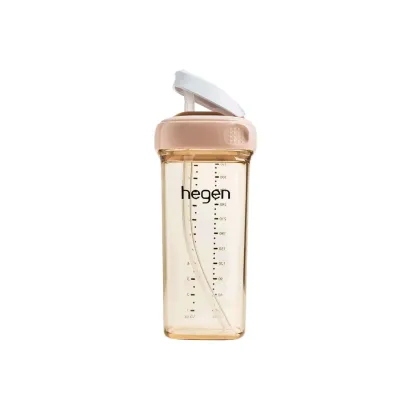
Polyphenylsulfone (PPSU) is a high-performance, medical-grade thermoplastic that has become a popular choice for premium baby bottles. It is easily recognized by its natural amber or honey-colored tint, which is an inherent characteristic of the polymer itself rather than an added dye or colorant. This natural coloration is a safety advantage, as it eliminates the risk of synthetic pigments leaching into the milk during high-temperature sterilization. PPSU is highly durable, possessing extreme impact resistance that prevents it from shattering, cracking, or chipping when dropped on hard kitchen tiles or outdoor pavements. This makes it an exceptionally safe option for older infants who are learning to hold their own bottles. However, parents must always check the manufacturer’s label or user manual to verify the maximum sterilization temperatures and the expected lifespan of the specific bottle.
Products mentioned in this guide
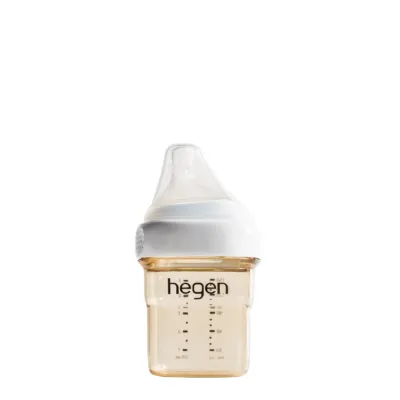
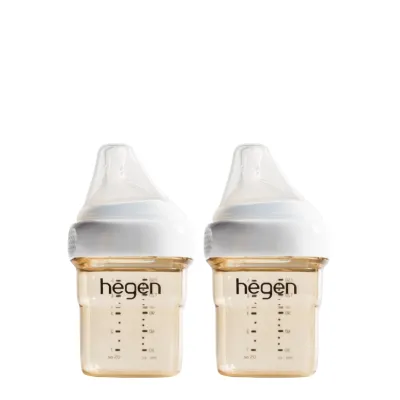
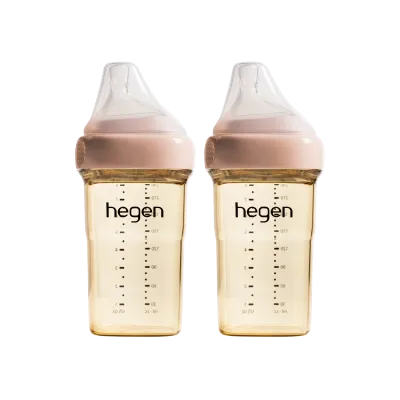
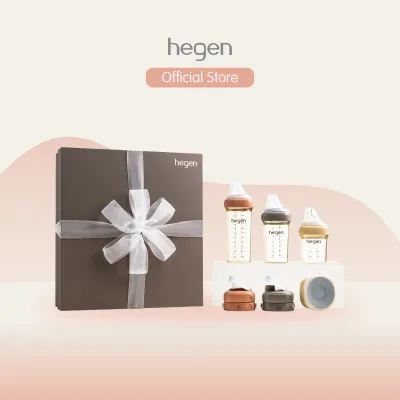
Prices are valid at publication and may change. Please refer to the product page for the latest price.

Glass remains a gold standard for parents who prioritize absolute chemical inertness. Brands like Pigeon, Dr. Brown’s, and Tommee Tippee offer borosilicate glass options that are highly resistant to thermal shock, allowing them to transition safely from cold refrigerator storage to warm water baths. Glass is completely scratch-resistant and does not absorb odors, stains, or milk fats over time. The primary trade-offs are weight and fragility. Glass bottles are significantly heavier, which can tire a caregiver’s hand during long night feedings, and they carry an inherent risk of breaking or chipping if dropped. To mitigate this risk, many parents purchase protective silicone sleeves, which provide a non-slip grip and shock absorption, though this adds to the overall weight and cleaning routine.
Standard plastics like Polypropylene (PP) and Polyethersulfone (PES) represent different tiers of durability and cost. PP is highly lightweight and the most budget-friendly plastic option, but it has a lower heat tolerance (typically up to 110°C) and tends to become cloudy, scratched, or stained after repeated sterilization cycles. PES sits between PP and PPSU, offering a slightly longer lifespan and better temperature resistance than PP, but it lacks the extreme impact resistance and long-term clarity of PPSU. Because PP and PES are softer than PPSU, they are more susceptible to absorbing fat molecules from breast milk, which can lead to a persistent greasy residue and odor that standard washing might not completely remove.
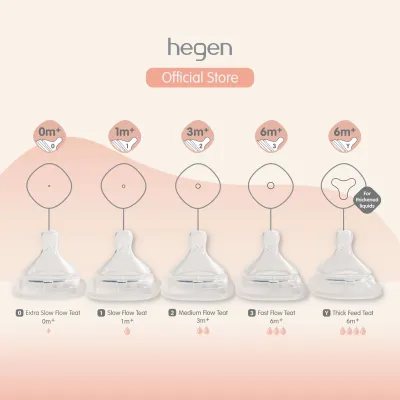
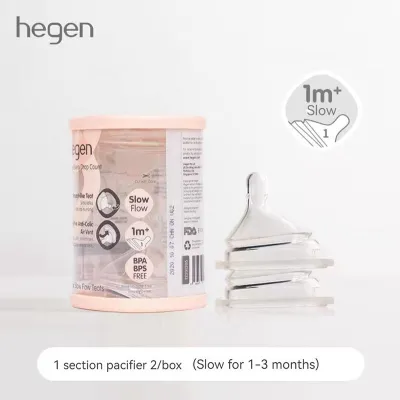
Silicone components form the vital connection between the bottle and your baby. Pigeon’s SofTouch nipples are engineered with highly flexible, textured silicone designed to mimic the natural elasticity and movement of a mother’s breast, assisting with a seamless latch. Hegen’s soft silicone nipples feature an off-center, elongated shape designed to mimic the natural angle of breastfeeding. Because nipple acceptance is highly individual and depends heavily on your baby’s unique oral anatomy and sucking reflex, you may need to try different shapes and flow rates under caregiver supervision to find the best match. Always verify the appropriate age and development stage, weight range, and flow rate recommendations from the manufacturer’s documentation, rather than relying on generic labels, and ensure constant caregiver supervision during feeding.
Build Quality: Design, Venting, and Daily Usability
Hegen stands out with its patented square-round (sqound) shape, which offers distinct ergonomic and practical advantages. This wide-mouth design allows for easy scoop access when preparing powder formula, minimizing spills. The square profile also enables stable stacking, which optimizes storage space in diaper bags and refrigerators. In contrast, the traditional cylindrical or contoured shapes of Pigeon, Dr. Brown’s, and Tommee Tippee are designed to fit comfortably in a parent’s hand or a standard stroller cup holder, though they cannot be stacked and may roll away if dropped.
Effective venting is crucial for reducing air ingestion, which can contribute to gas, colic, and spit-up. Hegen utilizes a built-in anti-colic vent in the nipple itself, combined with an off-center nipple placement that allows for an upright feeding position, reducing the risk of milk backflow. Dr. Brown’s employs a specialized internal green reservoir system that channels air away from the milk to the bottom of the bottle, virtually eliminating air bubbles. Tommee Tippee uses a sensitive anti-colic valve built into the nipple rim. While Dr. Brown’s system is highly effective for severe colic, it requires cleaning multiple intricate parts, presenting a clear trade-off between venting efficiency and daily preparation time. While venting systems can help reduce air ingestion, they do not guarantee absolute safety from colic or reflux. If your baby exhibits persistent feeding difficulties, excessive spitting up, or signs of distress, stop using the bottle and consult a qualified pediatrician or healthcare professional.
A secure seal is vital to prevent wasted milk and messy feedings. Hegen features a unique press-to-close, twist-to-start (PCTO) mechanism that eliminates traditional screw threads, allowing parents to seal the bottle with one hand. Traditional screw-cap bottles like Pigeon and Tommee Tippee rely on precise thread alignment; cross-threading or over-tightening can warp the silicone collar and cause leaks. Regardless of the brand, always follow the exact manufacturer assembly instructions, ensuring the silicone venting valves are fully cleared and the collars are seated flat before shaking or inverting the bottle.
Wide-neck bottles, such as Hegen and Tommee Tippee, allow parents to reach the bottom easily with a standard sponge or wide bottle brush, minimizing the risk of milk residue buildup. Narrow-neck bottles require specialized slim brushes to clean the tight corners and inner shoulders. Because softer plastics scratch more easily than glass or PPSU, using abrasive brushes can create micro-scratches where bacteria and milk proteins can accumulate. Check the hardness of your cleaning tools and choose soft silicone brushes or sponge wands to protect the inner surfaces of your plastic bottles.
Safety and Sterilization: What to Verify Before Use
While all premium baby bottle brands marketed in Singapore are free from Bisphenol A (BPA), chemical safety extends beyond a single compound. Parents should physically inspect product packaging and official documentation to verify certifications for BPS (Bisphenol S) and other bisphenol alternatives. Because regulatory standards and chemical formulations can vary by region, do not assume a product is completely bisphenol-free unless it is explicitly labeled as such by the manufacturer.
Different materials require distinct sterilization approaches. Always check the manufacturer’s specific guidelines regarding boiling, steam sterilizing, and microwave sterilization limits. While medical-grade PPSU and borosilicate glass can withstand high temperatures, prolonged exposure to UV sterilization can degrade certain plastics and silicone components over time, leading to premature brittleness or discoloration. Before using a UV sterilizer, verify that your specific bottle brand and nipple model are explicitly rated as UV-compatible. Before sterilizing any bottle component, check the product’s label and the manufacturer’s instructions for temperature limits and compatible sterilization methods. If instructions conflict or are unclear, consult the manufacturer directly before proceeding.
Regularly inspect all bottle components under bright light before assembly. Look for micro-scratches, persistent cloudiness, a sticky or tacky texture on silicone nipples, or any visible cracks in glass bottles. If you observe any of these conditions, or if the milk flow rate seems unusually fast or inconsistent, immediately discard the compromised components. Replacing worn parts promptly is essential to prevent material failure, bacterial contamination, or choking hazards during feeding.
Long-Term Value: Initial Cost vs. Lifespan and Parts
Hegen PPSU bottles carry a higher upfront cost in Singapore, with single bottles often priced significantly higher than standard PP alternatives. However, because PPSU is highly resistant to scratching, clouding, and thermal degradation, these bottles typically last much longer before requiring replacement. When calculating the long-term cost-per-use, a single durable PPSU bottle that lasts through multiple developmental stages may offer better financial value than replacing multiple cheaper PP bottles that degrade after a few months of daily sterilization.
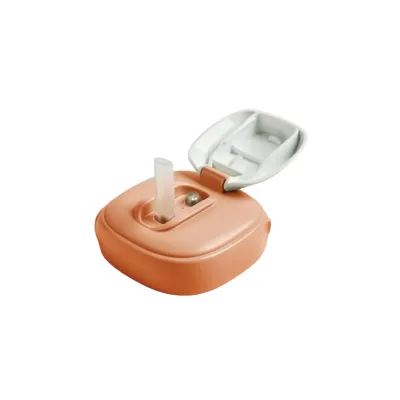
Consider the availability and ongoing cost of replacement nipples, collars, and caps. Hegen’s ecosystem allows parents to convert feeding bottles into breast milk storage containers or snack cups simply by swapping the nipple collar for a solid storage lid. This multi-use design extends the product’s utility well into toddlerhood. Conversely, brands like Dr. Brown’s or Tommee Tippee may require more frequent replacement of specialized venting valves or inserts, which can accumulate costs and require dedicated storage space for spare parts.
To ensure material safety and authentic build quality, always purchase baby bottles and accessories from authorized local pharmacies in Singapore, such as Watsons or Guardian, official brand flagship stores, or verified distributors. Avoid buying from unverified third-party sellers on e-commerce platforms, as counterfeit baby products may use substandard plastics that leach harmful chemicals or fail under high sterilization temperatures.
Frequently Asked Questions (FAQ)
Can I mix Hegen nipples with other brand bottles?
No, you should avoid mixing Hegen nipples with bottles from other brands. Hegen’s unique square-round design and press-to-close collar system are engineered to work exclusively as a single, integrated unit. Attempting to fit these nipples onto round bottles from brands like Pigeon or Tommee Tippee will prevent a proper seal, leading to persistent leaks, improper venting, and unpredictable milk flow that can cause your baby to swallow excess air. Always use matching, manufacturer-approved components to ensure safe feeding.
Does PPSU plastic leach chemicals when boiled?
Medical-grade PPSU is highly heat-resistant and structurally stable, meaning it does not leach harmful chemicals under standard sterilization conditions. However, to guarantee safety, you must strictly adhere to the manufacturer’s temperature limits and boiling duration guidelines printed on the packaging. Avoid leaving plastic bottles in boiling water for longer than the recommended time, and ensure they do not touch the hot bottom or sides of the pot, which can exceed the plastic’s thermal limits and cause physical deformation.
How often should I replace PPSU baby bottles compared to glass?
While high-quality glass bottles can last almost indefinitely if they remain free of chips, cracks, or deep scratches, PPSU baby bottles generally require replacement every six to twelve months of active use, depending on the frequency of sterilization. Silicone nipples, regardless of the bottle material, wear out much faster due to constant suction and biting; they should be inspected daily and replaced every two to three months, or immediately if you notice any signs of tearing, thinning, or altered flow.
Community discussion
Share your experience or ask a question. Comments are reviewed before publication.