
Choosing a premium baby bottle is one of the most frequent decisions new parents face, particularly when navigating the wide array of options available in Singapore. While standard bottles serve the basic purpose of feeding, premium brands like Hegen, Dr. Brown’s, Pigeon, and Tommee Tippee offer specialized designs, advanced materials, and distinct anti-colic engineering. Identifying which system aligns with your baby’s feeding style and your daily household routine requires looking closely at material durability, cleaning complexity, and long-term value.
Quick Answer: Which Premium Bottle Fits Your Feeding Routine?
To help you identify the best bottle brand for your specific situation without reading the entire guide, this comparison evaluates Hegen against other premium options like Dr. Brown’s, Pigeon, and Tommee Tippee based on material quality, anti-colic design, and daily convenience.
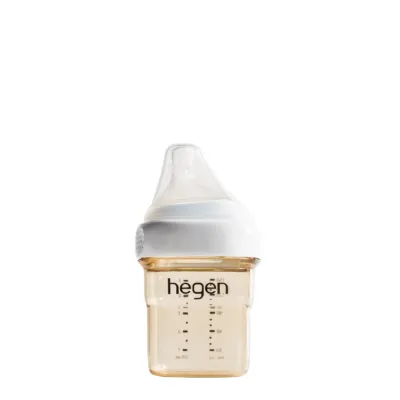
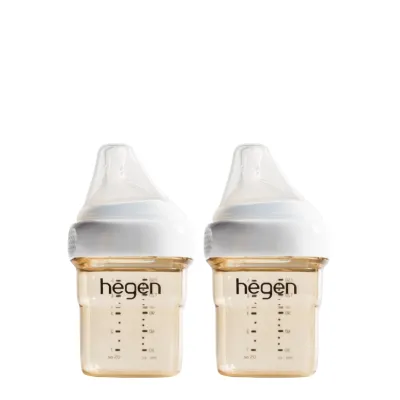
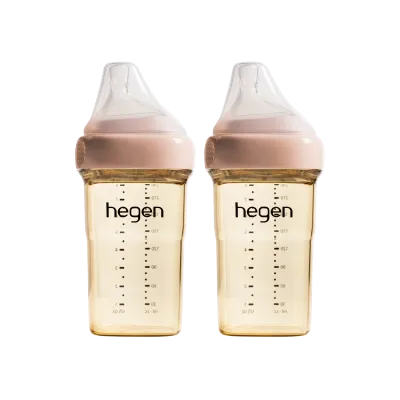
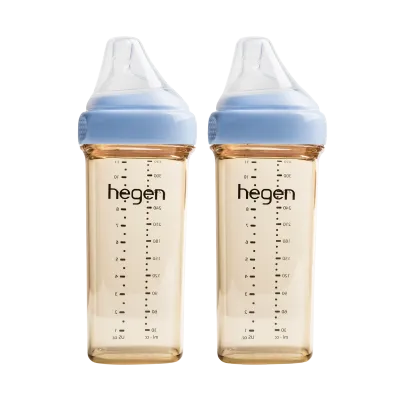
- Choose Hegen if you prioritize easy cleaning, stackable storage, and a wide-neck design that mimics the breast. Its modular system is highly beneficial for parents who want a bottle that transitions into a snack cup or storage container as the child grows.
- Choose Dr. Brown's if your baby struggles with severe gas, colic, or reflux, and you do not mind a more complex, multi-part cleaning routine to maintain the highly effective internal vent system.
- Choose Pigeon or Tommee Tippee if you are looking for widely available, reliable anti-colic valves with flexible nipple options at a slightly lower entry price point in Singapore.
- Verify first if your baby has specific medical feeding needs, such as a cleft palate or severe latch difficulties. Always consult a pediatrician or a certified lactation consultant before switching bottle systems for medical reasons.
Material Safety: Comparing PPSU, Glass, and Silicone Options
When evaluating premium baby bottles, the material of the bottle body is a primary consideration for safety, durability, and heat tolerance. Hegen primarily utilizes Polyphenylsulfone (PPSU), a medical-grade plastic known for its high performance and distinct amber tint. PPSU combines the lightweight, shatterproof benefits of plastic with the high heat resistance and durability typically associated with glass. Unlike standard Polypropylene (PP) bottles, which can degrade and become cloudy after repeated sterilization cycles, PPSU can withstand temperatures up to 180°C. This makes it highly compatible with intense sterilization routines, including steam, boiling water, and UV sterilizers.
Products mentioned in this guide
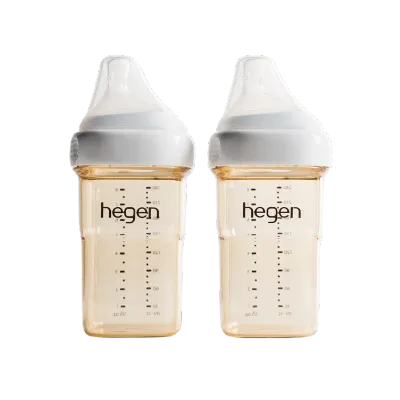
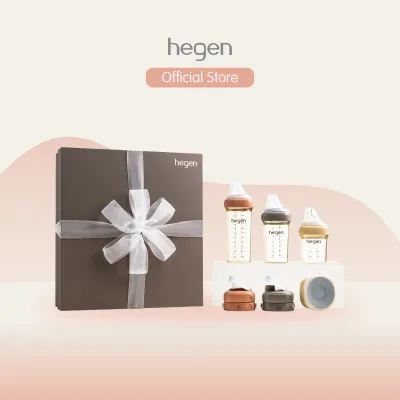
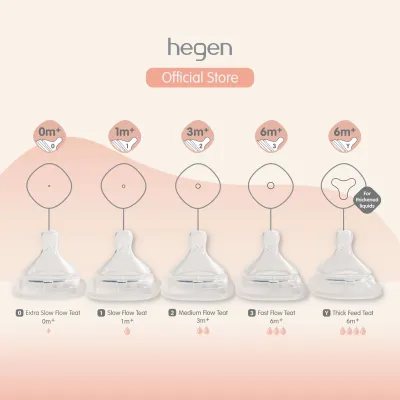
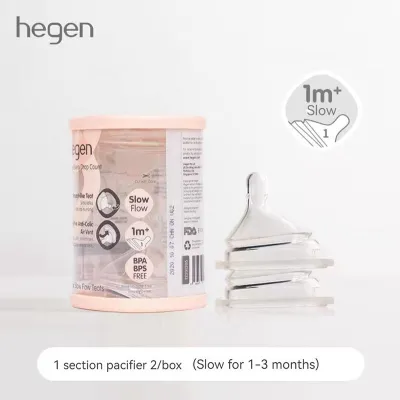
Prices are valid at publication and may change. Please refer to the product page for the latest price.

Glass remains a popular premium alternative, frequently offered by brands like Dr. Brown’s and Pigeon. Glass is completely inert, scratch-resistant, and free from chemical leaching concerns. It is highly hygienic and easy to clean, but it carries notable trade-offs. Glass bottles are significantly heavier, making it difficult for older babies to hold them independently. They also present a breakage risk if dropped on hard surfaces, such as the ceramic tile floors common in Singapore kitchens.
Medical-grade silicone is another material gaining traction, used in specialized bottle lines. Silicone is soft, flexible, and offers a tactile feel that closely mimics skin. However, silicone is highly porous compared to PPSU and glass, meaning it can absorb food odors or retain soap residue if not washed thoroughly. It also tends to attract dust and lint from the surrounding environment.
To verify material safety, caregivers must check product labels and manufacturer websites for official BPA, BPS, and phthalate-free certifications. Always review the specific heat tolerance limits for each component, including the bottle body, collar, cap, and nipple. Different sterilization methods—such as boiling, UV radiation, or steam—can affect materials differently. For instance, while PPSU handles UV sterilization exceptionally well, certain silicone or PP components may experience accelerated aging or discoloration under continuous UV exposure. All materials must be used according to the manufacturer’s care instructions to prevent degradation and ensure long-term safety.
Anti-Colic Designs: Internal Vents vs. Eccentric Nipples
Anti-colic engineering is a major selling point for premium bottles, with different brands employing distinct mechanisms to reduce air ingestion, gas, and spit-up. Understanding these engineering differences helps parents select a system that matches their baby’s natural feeding style.
Hegen addresses colic through its off-center, eccentric nipple design. By positioning the nipple off-center rather than in the middle of the collar, the bottle allows for an asymmetrical, breast-like latch. This design enables the baby to feed in an upright position, reducing the angle at which the bottle must be tilted. Keeping the nipple filled with milk rather than air minimizes the risk of air ingestion. Additionally, Hegen features a built-in anti-colic vent that regulates pressure inside the bottle without requiring extra internal parts, simplifying the overall design.
Dr. Brown’s utilizes a highly engineered approach with its signature internal vent system. This system features a green reservoir tube and insert that channels air from the bottle collar directly to the bottom of the bottle, completely bypassing the milk. This prevents air bubbles from forming in the liquid, eliminating vacuum build-up and preserving nutrients by reducing milk oxidation. It is widely regarded as a highly effective system for babies prone to severe gas, though it requires meticulous cleaning.
Pigeon and Tommee Tippee offer alternative anti-colic valve designs. Pigeon’s SofTouch bottles feature an Air Ventilation System (AVS) integrated directly into the base of the nipple. This tiny valve adjusts air pressure during feeding to maintain a smooth, consistent milk flow and prevent the nipple from collapsing. Tommee Tippee utilizes both standard anti-colic valves on their nipples and specialized systems like their Advanced Anti-Colic bottle, which features a dedicated venting tube and a heat-sensing star valve to draw air away from the milk while indicating if the temperature is too high.
Because every baby’s oral anatomy and sucking patterns are unique, anti-colic effectiveness is highly individual. A design that works perfectly for one infant may not suit another. Caregivers should observe how their baby latches and swallows during feeding. If a baby exhibits persistent signs of severe reflux, poor weight gain, choking, or sudden feeding aversion, stop using the bottle system and consult a pediatrician or a certified lactation consultant rather than relying solely on bottle design changes.
Daily Convenience: Cleaning, Assembly, and Storage
The practical, day-to-day usability of a bottle system heavily influences long-term parental satisfaction. Washing, sterilizing, and assembling six to eight bottles a day can become a demanding chore, making convenience a key decision factor.
Hegen is designed with a strong focus on daily convenience. Its square-round (sqround) shape and wide opening allow caregivers to reach inside easily with a standard sponge, eliminating the absolute necessity of specialized narrow bottle brushes. The brand’s proprietary Press-to-Close, Twist-to-Open (PCTO) mechanism allows parents to snap the lid on securely with one hand and open it with a simple twist. Furthermore, the square design enables stackable storage, which is highly beneficial for space-constrained kitchens and compact refrigerators in Singapore apartments.
In contrast, Dr. Brown’s internal vent system consists of multiple small components, including the reservoir tube, insert, collar, nipple, and cap. Cleaning these parts requires dedicated small wire brushes to reach inside the narrow channels. This multi-part assembly increases the time required for washing, drying, and sterilizing, and missing or improperly assembled parts can lead to leaks during feeding.
Pigeon and Tommee Tippee bottles generally feature standard wide-neck designs that are relatively straightforward to clean. While they require standard bottle brushes, their simple valve mechanisms mean there are fewer loose parts to manage, wash, and potentially lose down the kitchen sink drain. Their traditional screw-on collars are familiar and easy to assemble, though they lack the one-handed operation of Hegen’s PCTO system.
Regardless of the brand selected, caregivers must always check the manufacturer’s instructions regarding dishwasher safety and sterilization compatibility. Improper cleaning techniques, such as using harsh abrasive scrubs or exposing non-compatible parts to high-heat cycles, can compromise the structural integrity of the bottles and shorten their usable lifespan.
Feature Breakdown: Hegen vs. Dr. Brown's, Pigeon, and Tommee Tippee
To assist with quick decision-making, the table below summarizes the core differences across these premium bottle brands. Note that these entries reflect general product lines; caregivers should verify specific model specifications, as brands frequently offer variations such as glass, PP, or PPSU versions within their portfolios.
| Brand | Primary Material Options | Anti-Colic Mechanism | Cleaning Complexity | Nipple Shape/Design |
|---|---|---|---|---|
| Hegen | PPSU | Off-center (eccentric) nipple with built-in vent | Low (wide neck, no internal tubes) | Asymmetrical, breast-like shape |
| Dr. Brown's | Glass, PP, Options+ Plastic | Multi-part internal vent system | High (requires specialized narrow brushes) | Traditional round or wide-neck options |
| Pigeon | Glass, PPSU, PP | SofTouch Air Ventilation System (AVS) valve | Low to Medium (standard wide neck) | Super-soft silicone with latch-line guide |
| Tommee Tippee | Glass, PP, PPSU | Anti-colic nipple valve or venting tube with star valve | Low to Medium (depending on model) | Wide, breast-like stretch and flex design |
Note: Always check official brand documentations or local authorized retailers in Singapore to confirm current material availability and specific model features.
Long-Term Value: Initial Costs vs. Replacement Parts
Evaluating the true cost of ownership requires looking beyond the upfront price of a starter kit. Parents must factor in the ongoing costs of replacement nipples, specialized cleaning accessories, and the overall lifespan of the bottle materials.
Premium bottle systems often carry a higher initial price point. Hegen, for example, is positioned at the premium end of the market in Singapore, with single bottles often retailing between S$30 and S$45 depending on the size, and starter sets priced significantly higher. However, Hegen offers a modular design where the bottle body can transition into a breast milk storage container, a snack cup, or a drinking bottle simply by swapping the feeding collar for a storage lid or drinking spout. This multi-functional design extends the product’s lifespan from infancy through toddlerhood, potentially offsetting the high initial cost.
Dr. Brown’s bottles also carry a premium initial cost, and parents must factor in the potential replacement of internal vent parts and specialized cleaning brushes over time. Pigeon and Tommee Tippee generally offer more accessible entry points, with highly affordable and widely available replacement nipples and parts across Singapore supermarkets, department stores, and local baby boutiques.
The lifespan of the bottle material itself is a critical variable. PPSU and glass bottles are highly durable and can easily last 12 months or longer with proper care. Standard PP bottles, however, are softer and more prone to micro-scratches from bottle brushes. These micro-scratches can harbor bacteria and milk residue over time, meaning PP bottles generally require replacement every 6 months. Silicone nipples across all brands typically need replacement every 2 to 3 months, or sooner if they show signs of wear, tearing, or changes in flow rate.
To optimize long-term value, caregivers should check current prices on official brand websites or authorized retailers in Singapore. Comparing the cost of replacement nipples in multi-packs and looking for bundle deals can help manage overall feeding expenses.
How to Choose: Matching the Bottle to Your Baby's Needs
Selecting the right bottle system ultimately depends on balancing your baby’s physiological needs with your household’s daily lifestyle. Use this step-by-step decision checklist to guide your purchase:
- Assess your baby's latch and symptoms: If your baby struggles with gas or colic, a highly targeted system like Dr. Brown's internal vent or Hegen's eccentric nipple may provide relief. If your baby transitions frequently between breast and bottle, wide-neck options like Pigeon's SofTouch or Tommee Tippee's breast-like nipple can help support a natural latch.
- Evaluate your daily routine: Be realistic about the time you can dedicate to bottle maintenance. If you have a busy schedule or limited kitchen space, Hegen's wide-neck, stackable, easy-to-wash design offers significant practical advantages. If you choose a multi-part system, ensure you are comfortable with the extra washing steps.
- Check replacement part availability: Ensure that replacement nipples in the correct flow rates are easily accessible in your local area or preferred online stores. Running out of the correct nipple flow rate can disrupt your baby's feeding progress.
Remember that babies may need to try a few different nipple shapes and materials before finding the perfect fit. Caregivers must always match the nipple flow rate to the baby’s age and developmental stage as specified by the manufacturer. Never force a baby to feed from a flow rate that is too fast or too slow, and always supervise all feeding sessions to ensure safety and comfort.
Frequently Asked Questions (FAQ)
Can I mix and match nipples between Hegen and other premium brands?
No, bottle collars and nipples are proprietary and are not cross-compatible between brands like Hegen, Dr. Brown’s, Pigeon, and Tommee Tippee. Each brand uses unique threading, neck widths, and sealing mechanisms to prevent leaks. Forcing mismatched parts together can cause severe leaks, improper milk flow, or choking hazards. Always use the specific nipple and collar system designed by the manufacturer for that exact bottle model.
How often should I replace PPSU or silicone baby bottles?
While PPSU and glass are highly durable materials, they are not completely immune to wear. Parents should regularly inspect all bottles and nipples before each use. Look closely for cloudiness, persistent odors, micro-scratches, cracks, or a sticky texture on silicone parts. Follow the specific replacement timelines and wear-and-tear guidelines provided in the manufacturer’s care instructions, and discard any damaged or heavily worn components immediately.
Community discussion
Share your experience or ask a question. Comments are reviewed before publication.