
Selecting the right baby bottle is a highly personal decision, as no single brand works universally for every infant. While one baby might latch effortlessly onto a specific teat shape, another may struggle with gas, reflux, or nipple confusion. The choice ultimately depends on your baby’s unique latch, specific feeding challenges, and your daily caregiving routine. Comparing a premium option like the Hegen starter kit against established favorites from Pigeon and Dr. Brown’s requires looking past marketing claims. Instead, caregivers should evaluate these systems based on physical design, material safety, cleaning requirements, and long-term value to find the most practical fit for their household.
Understanding the Core Design and Feeding Differences
The physical structure of a baby bottle directly influences how a baby latches and how much air they swallow during a feed. Hegen departs from traditional bottle shapes with its square, soft-square design, often referred to as a “Sqround” bottle. This wide-neck shape is designed for easy gripping and allows the bottles to stack neatly, saving valuable counter space in compact Singapore kitchens. The off-centre teat mimics the natural tilt of a mother’s breast, allowing babies to feed in an upright position, which can reduce the risk of milk backflow and middle ear irritation.
In contrast, Dr. Brown’s focuses heavily on a specialized internal venting system designed to address gas, spit-up, and colic. This system channels air through a tube directly to the bottom of the bottle, bypassing the milk entirely to prevent aeration. While highly regarded for babies prone to severe colic, this design relies on several internal components that must be assembled correctly for the vent to function. The bottles are typically round and come in both narrow and wide-neck options, offering flexibility depending on your baby’s latch preference.
Products mentioned in this guide
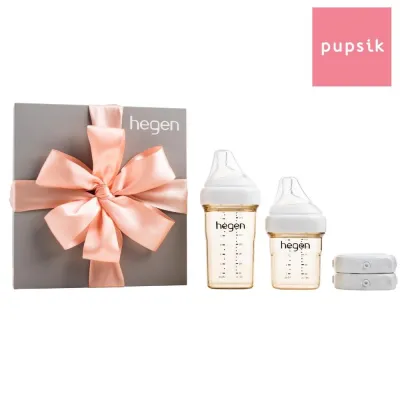
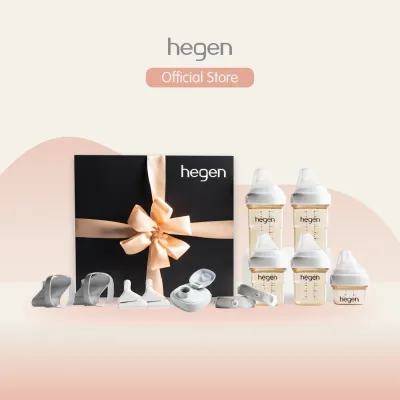
![[New] Hegen PCTO Complete Starter Kit PPSU (SG Exclusive Plus)](https://img.lazcdn.com/g/p/810d5f6de3ea12fe5b93cf887ac759f8.jpg_400x400q80.jpg_.webp)
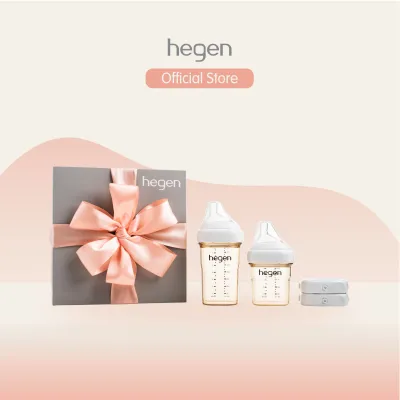
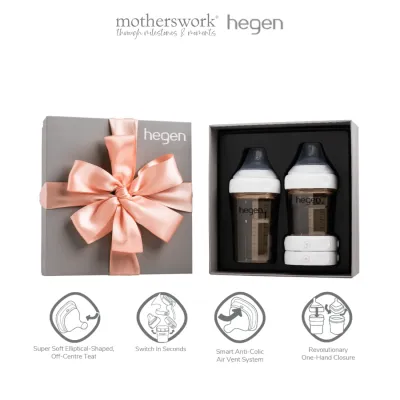
Prices are valid at publication and may change. Please refer to the product page for the latest price.
Pigeon takes a more traditional approach, focusing on natural latch ergonomics with its SofTouch range. The teats are designed to mimic the natural elasticity and shape of a mother’s breast during breastfeeding, making it a popular choice for parents practicing mixed feeding. Pigeon bottles feature a classic round, contoured shape that is easy for both caregivers and growing babies to hold. The built-in anti-colic system relies on a simple ventilation valve integrated directly into the silicone teat, avoiding the need for extra internal parts.
Material Quality and Safety Verification
When investing in a starter kit, understanding the differences between bottle materials is crucial for safety and durability. Polyphenylene sulfone (PPSU) is a high-performance thermoplastic used extensively by Hegen and Pigeon. It is naturally honey-colored, highly durable, and can withstand repeated sterilization cycles without degrading. Polypropylene (PP) is a more budget-friendly, lightweight plastic that is slightly cloudy in appearance, though it tends to wear out faster and has a lower heat resistance than PPSU.

Glass remains a popular choice for parents who prefer a completely inert, scratch-resistant material, though it is heavier and prone to breaking. Silicone bottles offer a soft, squeezable texture that mimics skin contact but can sometimes absorb odors or feel unstable during feeds. Regardless of the material you choose, always verify that the packaging explicitly states the bottles are BPA-free and BPS-free to ensure no harmful chemicals leach into the milk.
Sterilization compatibility is another critical factor to check before purchasing. Different materials have varying maximum heat resistance limits, which you must verify directly on the physical packaging or manufacturer guidelines. For instance, while PPSU can typically withstand high temperatures in steam, boiling water, and UV sterilizers, certain silicone teats or plastic collars may degrade faster under intense UV exposure. Always consult the manufacturer’s instructions to confirm which sterilization methods are safe for each specific component of your bottle system.
Evaluating Starter Kit Value and Long-Term Costs
A baby bottle starter kit is an initial investment, but the true cost of feeding extends well beyond the upfront price in S$. When comparing kits, look closely at the exact contents provided. A comprehensive starter kit typically includes several bottles of varying sizes, matching teats with slow-flow and medium-flow rates, storage lids, and sometimes specialized cleaning brushes. A kit that includes storage lids, like Hegen’s system, offers added utility by allowing you to convert feeding bottles directly into breast milk storage containers or snack cups.
However, parents must also calculate the long-term replacement costs of proprietary parts. Teats must be replaced regularly as your baby grows and requires faster flow rates, or when the silicone begins to wear down. If you choose a system with complex venting mechanisms, like Dr. Brown’s, you may need to replace worn-out vent inserts, reservoirs, or specialized cleaning brushes over time. These small, recurring expenses can add up significantly over the first year of your baby’s life.
Additionally, consider the local retail availability of replacement parts in Singapore. Opting for a brand with widely distributed teats and accessories ensures you can easily purchase replacements at local department stores, baby boutiques, or online marketplaces. If a brand’s specific teat size or collar is frequently out of stock, you may face feeding disruptions or be forced to transition your baby to an entirely different bottle system unexpectedly.
Cleaning and Daily Maintenance Requirements
The time spent washing, sterilizing, and assembling bottles can quickly become a major source of daily stress for caregivers. Wide-neck bottles, such as those from Hegen and Pigeon, are generally much easier to clean because a standard sponge or bottle brush can easily reach the bottom without requiring specialized tools. Hegen’s square design and lack of internal threads further simplify the process, allowing you to wipe down the interior surfaces quickly.
On the other hand, Dr. Brown’s internal venting system requires a more meticulous cleaning routine. The narrow vent tube and reservoir insert must be cleaned individually using a tiny wire brush to prevent milk residue from building up and harboring bacteria. While this system is highly effective for reducing gas, caregivers must weigh the therapeutic benefits against the extra minutes spent at the sink during late-night cleaning sessions.
Before finalizing your purchase, verify the dishwasher and bottle warmer compatibility for each component. Some plastics and silicone parts can warp or discolor if placed on the bottom rack of a dishwasher or heated unevenly in a standard bottle warmer. Furthermore, make it a habit to inspect silicone teats and valves during every wash. Look for micro-tears, stickiness, or structural wear, and replace any damaged parts immediately to maintain a safe and consistent flow rate for your baby.
Decision Framework: Which Brand Should You Choose?
To make the right investment, align your choice with your baby’s physiological needs and your household’s daily workflow. The Hegen starter kit is highly suitable for parents who prioritize space-saving storage, multi-functional use, and a streamlined cleaning process. Its unique square shape and quick-click closure make it easy to assemble with one hand, and the ability to convert the bottles into airtight storage containers extends their lifespan long after your baby has transitioned away from bottle-feeding.
Pigeon is an excellent choice if you are looking for a lightweight, traditional bottle with a highly natural teat shape that supports mixed feeding. Its wide availability across Singapore retailers makes sourcing replacement teats straightforward and affordable. The simple, integrated anti-colic valve requires no extra parts, making it a reliable, low-maintenance option for busy households.
Dr. Brown’s is the logical choice if your baby suffers from severe gas, colic, or reflux, and your primary goal is to minimize air ingestion during feeds. While the multi-part venting system demands more cleaning effort, the clinical focus on reducing aeration can provide significant relief for sensitive tummies. Before committing to any brand, verify if your baby has a specific latch preference by testing a single bottle first, and ensure your home sterilizer can accommodate the exact height and material limits of your chosen bottle system.
Frequently Asked Questions (FAQ)
Can I mix and match bottle parts from Hegen, Pigeon, and Dr. Brown's?
No, you should not mix and match teats, collars, and bottles from different brands. Each manufacturer designs their feeding systems with precise dimensions and proprietary venting mechanisms to ensure an airtight seal. Attempting to fit a Pigeon teat into a Hegen collar, or using Dr. Brown’s vent parts in another brand’s bottle, can lead to persistent leaking, improper venting, or sudden changes in milk flow. These issues can cause your baby to swallow excess air or even present a choking hazard. Always follow the manufacturer’s compatibility guidelines and use only matched, brand-specific sets.
How do I know which teat flow rate to start with in a starter kit?
Most starter kits come packaged with slow-flow teats, which are generally designed for newborns up to three months of age. However, age guidelines printed on physical packaging are only general indicators, as every baby feeds at their own pace. You should monitor your baby’s behavior during feeds to determine if the flow rate is appropriate. Signs that a flow rate is too fast include choking, sputtering, gulping, or milk leaking from the corners of the mouth. Conversely, if your baby becomes frustrated, sucks aggressively, or falls asleep before finishing a normal feed, the flow rate may be too slow, indicating it is time to transition to the next level.
Community discussion
Share your experience or ask a question. Comments are reviewed before publication.