
Selecting the right baby bottle is one of the most critical decisions you will make during your early parenting journey. The market offers a wide array of designs, each promising to ease feeding transitions, reduce gas, and support your baby’s developmental milestones. Among the most popular options available to parents in Singapore are Hegen, Pigeon, and Dr. Brown’s. While each brand has a loyal following, they approach the challenges of bottle-feeding with entirely different design philosophies.
The ideal bottle for your family depends heavily on your baby’s specific feeding patterns and your daily lifestyle preferences. There is no single option that fits every infant perfectly. If you prioritize a highly versatile, modular system that is easy to clean and transitions into food storage, Hegen is an excellent premium choice. If you are focused on finding a highly natural, breast-like nipple to support mixed feeding on a practical budget, Pigeon is often the most suitable option. For babies experiencing severe colic, gas, or reflux, Dr. Brown’s specialized internal vent system offers targeted relief, provided you are comfortable with the extra maintenance required to clean its multi-part design.
Evaluating these brands across key performance dimensions—such as anti-colic mechanics, nipple shape, material durability, and long-term utility—will help you make an informed decision. By understanding how each bottle functions under daily use, you can select a feeding system that minimizes distress for your baby and simplifies your cleaning routine.
Products mentioned in this guide
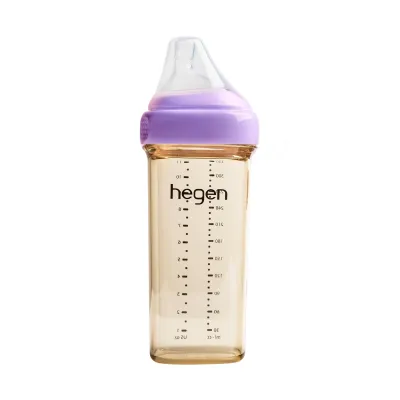
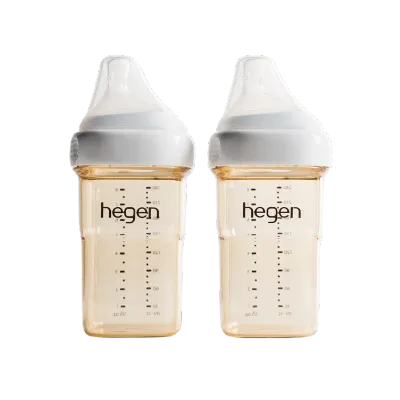
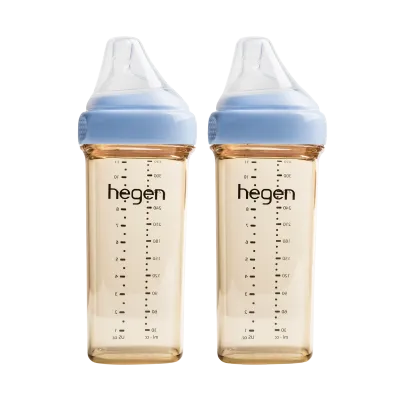
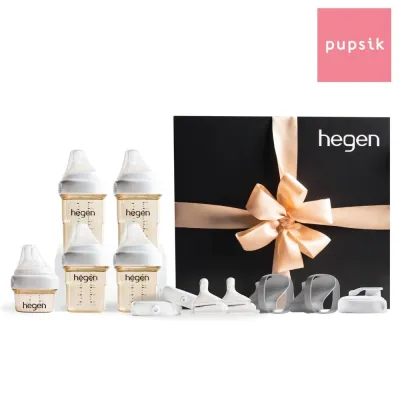
Prices are valid at publication and may change. Please refer to the product page for the latest price.
Core Features Compared: Hegen, Pigeon, and Dr. Brown's
To narrow down your choices, it is helpful to look at the baseline design elements that define each brand’s flagship product lines. While all three brands aim to deliver safe, comfortable feeding experiences, their structural designs, nipple shapes, and cleaning requirements differ significantly.
| Feature | Hegen | Pigeon | Dr. Brown's |
|---|---|---|---|
| Flagship Material Options | PPSU, Glass | PPSU, Glass, PP | Glass, PP, PPSU |
| Anti-Colic Mechanism | Built-in off-center nipple vent | Air Ventilation System (AVS) in nipple skirt | Patented internal reservoir vent tube |
| Nipple Design | Soft, asymmetrical, square-ish shape | SofTouch peristaltic textured silicone | Traditional round silicone (narrow or wide-neck) |
| Cleaning Complexity | Very low (wide square neck, no extra vent parts) | Medium (standard wide-neck, standard round corners) | High (requires dedicated small wire brush for vent parts) |
| Primary Use Case | Multi-functional storage and easy maintenance | Seamless transition between breast and bottle | Advanced gas and colic prevention |
When choosing among these options, always verify the specific product labels and packaging for exact material specifications, age-range recommendations, and BPA-free certifications. Manufacturers frequently update their product lines, so checking the physical packaging ensures you have the most accurate and current safety information for your selected model.
Tackling Colic: Internal Vents vs. Nipple Design
Colic, excessive gas, and spit-up are common challenges that can cause significant distress for both infants and parents. Bottle manufacturers address these issues by attempting to control the flow of air during feeding, preventing your baby from swallowing air bubbles along with their milk. However, the mechanical approaches used by Dr. Brown’s, Hegen, and Pigeon to achieve this are highly distinct.

Dr. Brown's Internal Vent System
Dr. Brown’s is widely recognized for its specialized internal green or blue vent system. This system consists of a reservoir tube and an insert collar that channels air from the bottle collar directly to the bottom of the bottle. By bypassing the milk entirely, the design prevents the creation of a vacuum and minimizes the aeration of the liquid. The manufacturer designed this system to keep air bubbles out of the milk, which helps preserve essential nutrients like vitamins C, A, and E by reducing oxidation. While highly effective for infants dealing with severe reflux or persistent gas, this multi-part mechanism requires meticulous assembly and thorough cleaning after every feed.
Hegen's Off-Center Nipple and Vent
In contrast to internal tubes, Hegen utilizes a streamlined design that integrates an anti-colic air vent directly into the silicone nipple. This built-in vent bypasses the milk to prevent aeration, minimizing the formation of air bubbles without requiring extra internal parts. Furthermore, Hegen’s off-center nipple design allows your baby to feed in a more upright position. This posture naturally reduces the angle at which you must tilt the bottle, helping to prevent air swallowing and reducing the risk of milk flowing into the middle ear, which can sometimes occur during flat-lying feeding positions.
Pigeon's Air Ventilation System (AVS)
Pigeon addresses vacuum buildup through its Air Ventilation System (AVS), which is built directly into the protective skirt of its SofTouch nipples. This small, integrated valve regulates the pressure inside the bottle during a feed. As your baby sucks, the valve opens slightly to release vacuum pressure, ensuring a smooth and consistent flow of milk. Because the vent is built into the nipple itself, there are no extra tubes or loose components to clean, making it a highly practical option for daily use.
While these structural designs are engineered to reduce air ingestion and minimize gas, it is important to remember that no baby bottle can medically guarantee the complete elimination of colic or reflux. If your baby exhibits persistent, severe distress, regular vomiting, or feeding aversion, you should stop relying solely on bottle adjustments and consult a pediatrician or a qualified healthcare professional for a comprehensive evaluation.
Nipple Shape and Latch: Transitioning from Breast to Bottle
The shape and flexibility of a bottle’s nipple play a critical role in how easily a baby accepts it, particularly if you are practicing mixed feeding or transitioning from breastfeeding to bottle-feeding. A design that closely mimics natural nursing behavior can help prevent nipple confusion and support healthy oral development.
Pigeon SofTouch Peristaltic PLUS
Pigeon’s SofTouch nipples are highly regarded by lactation consultants and parents for their ability to support a natural latch. The nipple is constructed from a soft, textured silicone that encourages the baby to use the same peristaltic tongue movement employed during breastfeeding. The wide, sloped base of the nipple mimics the natural contour of the breast, allowing your baby’s lips to form a secure, comfortable seal. This makes Pigeon an exceptional choice for parents who want to maintain a seamless transition between breast and bottle without interrupting the baby’s established latching habits.
Hegen's Asymmetrical Soft Teat
Hegen features an asymmetrical, elongated teat that is positioned off-center to mimic the natural shape of a mother’s breast during nursing. The soft, elliptical silicone shape encourages a wide, natural latch. Because the teat is positioned closer to the bottom edge of the collar, your baby can finish the bottle’s contents without needing to tilt their head backward excessively. This design supports a relaxed feeding posture and helps babies who might otherwise struggle with the symmetrical, centered nipples found on traditional bottles.
Dr. Brown's Traditional Nipples
Dr. Brown’s offers both narrow-neck and wide-neck silicone nipples. The narrow-neck options are highly popular for newborns and premature infants, as the smaller profile can be easier for tiny mouths to grasp. However, for babies transitioning from the breast, the wide-neck variant is generally preferred because it provides a wider latching surface. While highly functional, some breastfed infants accustomed to the ultra-flexible, highly textured surface of breast-mimicking alternatives may take slightly longer to adjust to the firmer profile of traditional Dr. Brown’s nipples.
Regardless of the brand you choose, selecting the correct nipple flow rate is just as critical as the nipple’s physical shape. Flow rates are typically categorized by age ranges (such as slow, medium, or fast), but these are general guidelines rather than strict rules. You must closely observe your baby’s swallowing pace during feeds. If your baby is sputtering, coughing, or milk is escaping from the corners of their mouth, the flow rate may be too fast. Conversely, if your baby is sucking aggressively, collapsing the nipple, or showing signs of frustration, the flow rate may be too slow. Always stop feeding immediately if your baby shows signs of choking or respiratory distress, and verify that you are using the correct nipple size recommended by the manufacturer for your baby’s developmental stage.
Daily Maintenance: Cleaning Ease and Material Durability
When bottle-feeding multiple times a day, the ease of washing, sterilizing, and maintaining your equipment directly impacts your daily routine. The physical design of the bottle and the materials used in its construction determine how long the bottles will last and how much effort they require to keep sanitary.
Cleaning Complexity
The structural differences between these three brands lead to very different cleaning experiences:
- Hegen: This brand features a wide-neck, square-bottom design that allows you to reach the very bottom of the bottle with your hand, eliminating the absolute necessity of a specialized bottle brush. The "press-to-close, twist-to-open" (PCTO) collar design does not have screw threads, which minimizes the crevices where old milk residue can hide.
- Pigeon: Pigeon's wide-neck bottles are highly straightforward to clean. They feature standard round corners and a simple collar design. While they require a standard bottle brush to reach the bottom effectively, they do not contain any complex internal parts, making the washing process quick and efficient.
- Dr. Brown's: Because of its internal vent system, Dr. Brown's requires the most intensive cleaning routine. You must disassemble the reservoir tube and vent insert after every feed. These parts must be scrubbed thoroughly using a dedicated, narrow wire brush to prevent milk fat and proteins from building up inside the narrow channels, which can otherwise become a breeding ground for bacteria.
Material Choices: PPSU vs. Glass vs. PP
Each brand offers bottles in different materials, each presenting distinct trade-offs regarding weight, durability, and heat resistance:
- PPSU (Polyphenylsulfone): This premium medical-grade plastic is highly durable, lightweight, and naturally shatterproof. It has a distinctive honey-colored amber tint and can withstand frequent high-temperature sterilization without degrading. It is an excellent choice for active families who travel often.
- Glass: Glass bottles are highly hygienic, completely resistant to scratching, and do not retain milk odors or stains. However, they are heavy, cold to the touch, and can break if dropped, which means they require careful handling and supervision.
- PP (Polypropylene): PP is a lightweight, highly affordable, and common plastic. While functional, it is more susceptible to scratching and may degrade or cloud over time when subjected to frequent high-heat sterilization cycles.
Sterilization and Safety Boundaries
To maintain the safety and integrity of your baby’s feeding equipment, you must strictly follow the manufacturer’s printed guidelines for boiling, steam sterilizing, or UV sterilizing. Exceeding recommended temperature thresholds or using unapproved sterilization methods can cause plastic components to warp, degrade, or release odors, and can cause silicone nipples to become sticky or tear. Do not guess the sterilization limits; always consult the product packaging or the official user manual for your specific bottle model to verify compatibility with UV sterilizers or high-heat steam systems.
Beyond Feeding: Versatility and Long-Term Value
For many parents, the long-term utility of a product is a major factor in determining its overall value. While some bottles are designed strictly for infant feeding, others are engineered to adapt as your child grows.
Hegen's Modular Ecosystem
Hegen stands out in this category due to its highly integrated, modular design. The brand’s signature square bottles are compatible with a variety of interchangeable lids. By swapping out the collar and nipple for a storage lid, you can convert a feeding bottle into a breast milk storage container or a leakproof snack jar. As your child transitions away from bottle-feeding, the same bottle can be fitted with a drinking spout or a straw lid, transforming it into a toddler water bottle. This multi-functional ecosystem significantly extends the usable lifespan of the product, allowing you to repurpose the bottles for years.
Traditional Lifespans: Pigeon and Dr. Brown's
Pigeon and Dr. Brown’s bottles operate primarily as dedicated feeding vessels. Once your baby outgrows the bottle-feeding stage, these items are typically retired, donated, or recycled. While you can purchase storage discs to convert Pigeon bottles into temporary breast milk containers, they do not offer the same extensive range of structured lifestyle lids or toddler drinking attachments as Hegen’s ecosystem. Their value lies in their highly specialized performance during the infant feeding stage rather than long-term adaptability.
When evaluating the overall cost, you should weigh Hegen’s higher upfront investment against its long-term utility. If you prefer a streamlined system that minimizes clutter and transitions with your child, the premium cost may be justified. However, if you are looking for highly effective, dedicated feeding bottles at a lower initial price point, Pigeon or Dr. Brown’s will serve your immediate feeding needs perfectly without the added expense of modular accessories.
Price Positioning and Shopping in Singapore
Understanding where these brands sit in terms of local pricing and availability can help you plan your budget and ensure you are purchasing authentic, safe products.
Relative Pricing Tiers
- Hegen: Positioned as a premium, luxury brand. Individual bottles and starter sets require a higher initial investment, and replacement nipples and specialized storage lids are priced at a premium.
- Dr. Brown's: Sits in the mid-to-premium price tier. While more expensive than basic plastic bottles, especially if you opt for glass or specialized anti-colic starter kits, they remain highly competitive and offer good value for families dealing with severe colic.
- Pigeon: Highly accessible and budget-friendly. Pigeon offers excellent value, particularly when purchasing multi-packs. Its replacement nipples and accessories are widely available and very affordable, making it a highly economical choice for long-term use.
Where to Buy Safely in Singapore
To protect your baby from the safety risks associated with counterfeit products—such as substandard plastics, inaccurate flow rates, or non-compliant materials—always purchase your bottles from authorized sources. In Singapore, you can safely buy these brands from official flagship stores on major e-commerce platforms, established local department stores, reputable maternity specialty retailers, or authorized local pharmacies. Avoid purchasing from unverified third-party sellers offering unusually low prices, as these products may not meet local safety standards.
Cost-Saving Tip
Before committing to a large, multi-bottle starter set, purchase a single bottle from your preferred brand to test your baby’s acceptance. Babies can be highly selective about nipple shapes and flow rates. Testing a single bottle first prevents you from investing in a complete feeding system that your baby might ultimately reject.
Final Decision Guide: Choose the Right Bottle for Your Baby
To finalize your decision, consider which of the following scenarios best aligns with your feeding goals, lifestyle, and budget:
- Choose Hegen if:
- You want a highly streamlined, easy-to-clean system that does not require specialized brushes.
- You value a modular ecosystem that can be repurposed into food storage and toddler drinking cups.
- You prefer a modern, aesthetically pleasing design and have the budget to invest in a premium system.
- Choose Pigeon if:
- You are practicing mixed feeding and want a nipple designed to mimic the natural peristaltic movement of breastfeeding.
- You prefer a highly reliable, straightforward, and budget-friendly bottle that is widely available.
- You want an easy-to-clean wide-neck bottle without the complexity of internal vent parts.
- Choose Dr. Brown's if:
- Your baby experiences severe gas, colic, or reflux, and you require an advanced vacuum-free feeding system.
- You are willing to spend extra time disassembling and cleaning multiple internal parts to ensure your baby's feeding comfort.
- You prefer having the flexibility of a bottle that can be used with or without its internal vent system as your baby's digestive tract matures.
Verify First: If your baby has a diagnosed medical condition, a cleft palate, severe feeding aversion, or persistent digestive issues, do not select a bottle based on standard consumer reviews. Always consult your pediatrician, a pediatric speech therapist, or a certified lactation consultant to receive professional guidance tailored to your baby’s specific medical needs.
Frequently Asked Questions (FAQ)
Can I mix and match nipples and bottles across Hegen, Pigeon, and Dr. Brown's?
No, you should not mix and match nipples, collars, and bottles across different brands. Each of these manufacturers designs its feeding systems with proprietary threading, neck widths, and specific venting mechanisms. Attempting to force a Pigeon nipple onto a Hegen bottle, or a Dr. Brown’s collar onto a Pigeon bottle, will compromise the seal. This can lead to severe milk leakage, improper air venting, inconsistent flow rates, and an increased risk of your baby swallowing air. To ensure safety and proper functionality, always use the exact nipples and accessories designed specifically for your bottle’s brand and model line.
How do I know when it is time to replace the baby bottle nipples?
You should inspect your baby bottle nipples daily for physical signs of wear and tear. Replace them immediately if you notice any stickiness, discoloration, swelling, cracking, or tearing, or if the silicone has become thin and soft. A stretched or damaged nipple hole can cause milk to flow too quickly, presenting a serious choking hazard. Additionally, if your teething baby leaves bite marks or punctures on the silicone, the nipple must be discarded. As a general hygiene and safety guideline, manufacturers often recommend replacing silicone nipples every two to three months, even if they appear undamaged, to account for material degradation from frequent use and sterilization.
Community discussion
Share your experience or ask a question. Comments are reviewed before publication.