
Selecting a baby bottle teat requires a careful evaluation of how its physical structure and material properties interact with an infant’s oral anatomy. Hegen, Pigeon, and Dr. Brown’s represent three distinct approaches to bottle feeding, focusing on off-center angles, ultra-flexible wide bases, and integrated venting systems respectively. The choice between these brands depends heavily on your baby’s latch style, feeding pace, and how the silicone material responds to their natural sucking reflex. By examining the physical shape, material thickness, and structural compatibility of each brand, parents can identify which teat design aligns best with their baby’s developmental needs without relying on generic marketing claims.
Understanding Teat Shapes: Wide, Angled, and Traditional Designs
The shape of a bottle teat plays a critical role in how an infant establishes a latch and regulates milk flow. Wide-neck teats, such as those designed by Hegen and Pigeon, feature a broad, sloping base that mimics the natural contour of a breast. This wide profile is intended to encourage a deep, wide-angle latch, which is particularly beneficial for babies who transition frequently between breastfeeding and bottle-feeding. A deep latch helps ensure that the baby’s lips form a secure seal around the base of the teat, preventing air from entering the corners of the mouth during suction.
In contrast, traditional and narrow-neck teats, which are a hallmark of classic Dr. Brown’s designs, offer a more elongated and slender profile. This shape accommodates a different style of latch, where the baby does not need to open their mouth as wide to secure the teat. Narrower designs are often preferred for infants with smaller oral cavities, premature babies, or those who struggle to maintain suction on a wider base. Additionally, these traditional shapes are frequently paired with internal venting systems that manage air pressure within the bottle, allowing for a consistent, paced flow of milk without requiring the baby to release their latch to vent the bottle.
Products mentioned in this guide


![[SG In Stock] Nipple / Teat / Pacifier / Drinking Spout suitable for Hegen Feeding Bottle](https://img.lazcdn.com/g/p/7a30a94b1a231feb656078d1f4039206.jpg_400x400q80.jpg_.webp)
Prices are valid at publication and may change. Please refer to the product page for the latest price.
To determine which shape is most appropriate, parents should observe their baby’s natural mouth width during feeding. A proper latch is indicated by lips that are flanged outward, resting comfortably on the slope of the teat rather than tucked inward. If the teat base is too wide for the baby’s mouth, you may notice milk leaking from the sides of their lips or frequent slipping of the latch. Measuring the physical diameter of the teat base and comparing it to your baby’s comfortable gape can provide a practical starting point when selecting a bottle system.
Evaluating Silicone Softness and Material Safety
Silicone is the standard material for modern bottle teats due to its durability, heat resistance, and flexibility. However, not all silicone teats share the same material density or tactile feel. When evaluating teats, parents must first verify that the manufacturer’s packaging explicitly states the use of food-grade, high-quality silicone that is certified free from Bisphenol A (BPA) and Bisphenol S (BPS). These chemical certifications are essential for ensuring that the material remains stable and safe under high-temperature sterilisation processes.

Beyond chemical safety, the physical flexibility of the silicone directly influences how much effort the baby must exert to extract milk. Parents can perform a simple, at-home tactile check before introducing a new teat to their baby. By gently pinching the tip of the teat and stretching it slightly, you can assess its resistance and elasticity. High-quality silicone should feel supple yet resilient, stretching smoothly without showing signs of thinning or leaving a permanent white crease. A teat that is too stiff may cause jaw fatigue for a newborn, while one that is too soft might collapse under strong suction, interrupting the feed.
Because silicone is subjected to constant moisture, warmth, and mechanical wear, it will inevitably degrade over time. Parents must establish a routine of inspecting each teat before every feeding session. Look for observable signs of material failure, such as a sticky or tacky surface texture, a cloudy or yellowed appearance, or micro-tears around the feeding hole or anti-colic valve. Micro-tears are particularly hazardous as they can alter the flow rate unexpectedly or tear completely during a feed. If any of these physical changes are detected, the teat must be discarded and replaced immediately to maintain feeding safety.
Hegen Teats: Off-Center Shape and Latch Compatibility
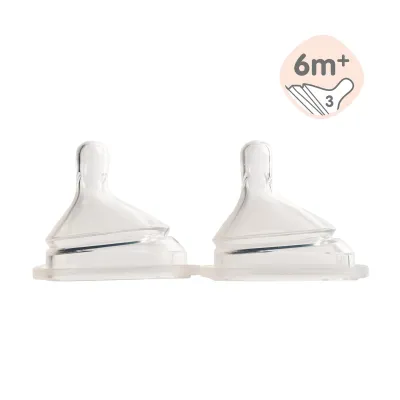
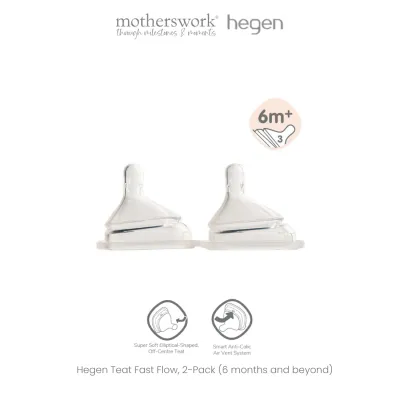
The Hegen teat is distinguished by its unique square-to-round base and asymmetrical, off-center nipple placement. This specific geometry is designed to mimic the natural, lateral presentation of a mother’s breast. By positioning the nipple off-center, the teat allows for a more upright feeding posture, which helps prevent the baby from having to tilt their head backward. This upright position can be highly beneficial in reducing the risk of milk backflow into the middle ear and minimizing the symptoms of mild reflux.
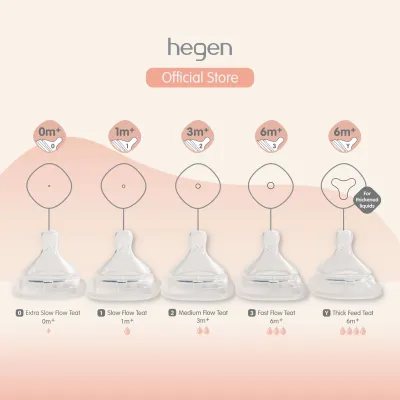
When using Hegen teats, matching the flow rate to your baby’s developmental stage is crucial for a comfortable feeding experience. Hegen offers several flow options, ranging from extra slow to fast, which are typically marked on the collar of the teat. While manufacturer age guidelines provide a helpful baseline, parents should closely monitor their baby’s physical cues during a feed. If your baby is swallowing rapidly, gasping for air, or if milk is escaping from the corners of their mouth, the flow rate may be too fast. Conversely, if a feed takes an unusually long time or the baby becomes frustrated and falls asleep mid-feed, a faster flow rate may be required.
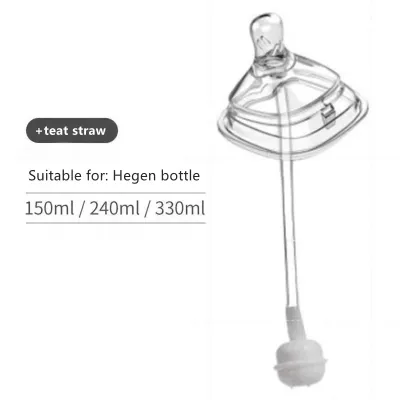
It is important to note that the structural design of the Hegen teat requires strict system compatibility. The square base of the teat is engineered to fit exclusively into Hegen’s proprietary square-collared bottles. This integrated design ensures a secure, leak-proof seal and aligns the built-in anti-colic vent correctly. Attempting to stretch or force a Hegen teat onto standard round bottles or collars from other brands will distort the silicone, compromise the venting mechanism, and lead to persistent leaks during feeding.
Pigeon and Dr. Brown's: Flexibility and Vented Designs
Pigeon and Dr. Brown’s offer alternative design philosophies that focus on material flexibility and advanced air-flow management. Pigeon’s SofTouch teat is highly regarded for its exceptionally soft, matte-textured silicone. This texture is engineered to replicate the natural feel of skin, helping the baby secure a stable, non-slip latch. The silicone used in the SofTouch range is designed to be highly stretchable, accommodating the natural peristaltic tongue movement that infants use during breastfeeding. This makes it a popular choice for families practicing mixed feeding, as the physical transition between breast and bottle is minimized.
Dr. Brown’s, on the other hand, centers its design around a highly specialized internal venting system. While the teat itself is available in both narrow and wide-neck profiles, its internal structure is engineered to work in tandem with the brand’s signature green or blue vent reservoir. This system directs air away from the milk, preventing the formation of air bubbles and reducing the vacuum pressure that can build up inside a standard bottle. The teat shape is designed to maintain a consistent, gravity-fed flow, which helps reduce the amount of air the baby swallows during a feed.
When selecting replacement teats for either of these brands, parents must carefully verify the bottle-neck compatibility of their existing inventory. Dr. Brown’s bottles come in distinct narrow-neck and wide-neck options, and the corresponding teats are not interchangeable. Similarly, Pigeon teats are designed to fit specific collar diameters. Always check the manufacturer’s specifications and ensure the collar threads align perfectly before purchasing, as an improper fit will disrupt the venting mechanics and cause milk to leak.
How to Choose the Right Teat for Your Baby's Feeding Style
Selecting the ideal teat requires matching the physical characteristics of the silicone and the shape of the nipple to your baby’s unique feeding behaviors. A structured decision framework can help parents navigate these choices effectively. If your baby prefers an upright feeding position, benefits from an off-center latch that reduces neck tilt, and you prefer a unified ecosystem where containers transition seamlessly from storage to feeding, the Hegen teat is a highly suitable option. Its square-to-round design supports a natural feeding angle while maintaining a secure seal.
If your primary goal is to support a baby who transitions frequently between the breast and the bottle, the Pigeon SofTouch teat is often the preferred choice. Its ultra-flexible, matte-textured silicone and wide, sloping base closely replicate the mechanics of natural breastfeeding, allowing the baby to use the same tongue movements they would at the breast. This can help reduce bottle aversion and support a more seamless mixed-feeding routine.
For babies who struggle significantly with gas, colic, or reflux, Dr. Brown’s vented system offers a highly regulated flow that minimizes air ingestion. This option is ideal if your baby benefits from a consistent, vacuum-free feed and you do not mind the additional cleaning steps required for the internal venting components. Before making a final decision, always verify if your baby has a sensitive gag reflex, as a very wide teat base may trigger discomfort. If your baby has specific medical feeding requirements, or if you observe persistent feeding difficulties, consult a qualified healthcare professional or lactation consultant for personalized guidance.
Frequently Asked Questions (FAQ)
Can I use Hegen teats on Pigeon or Dr. Brown's bottles?
No, Hegen teats are not compatible with Pigeon or Dr. Brown’s bottles. Hegen utilizes a unique square-to-round base design that is engineered to fit exclusively into Hegen’s proprietary square collars and bottles. Attempting to stretch or force a Hegen teat onto a round bottle collar from another brand will distort the silicone material. This distortion compromises the physical seal, leading to milk leaks and preventing the built-in anti-colic vent from functioning correctly. To ensure safe feeding and prevent leaks, always use teats that are specifically designed for your bottle’s matching collar system.
How often should I replace silicone teats?
Silicone teats should generally be replaced every one to two months, or immediately if you observe any physical signs of wear. Because silicone is subjected to regular sterilisation, cleaning, and mechanical stretching during feeding, the material will naturally degrade over time. Parents should inspect teats daily by pulling gently on the bulb to check for micro-tears, stickiness, cloudiness, or changes in the flow rate. Once a baby begins to develop teeth, the frequency of these inspections should increase, as bite marks can quickly turn into tears that pose a choking hazard.
Community discussion
Share your experience or ask a question. Comments are reviewed before publication.