
Selecting the right baby bottle is a highly personal decision for parents, especially with the diverse options available in Singapore. Hegen, Pigeon, and Dr. Brown’s represent three distinct approaches to infant feeding, each addressing different parental priorities such as colic prevention, ease of cleaning, and natural latch transitions. While one baby may thrive on a specific nipple shape, another might prefer an entirely different flow rate or bottle material. Understanding how these brands compare in design philosophy, material durability, and daily usability allows you to make an informed choice that fits both your lifestyle and your baby’s developmental needs.
Core Design Philosophies and Material Overview
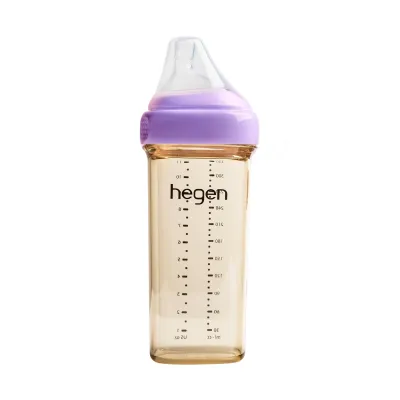
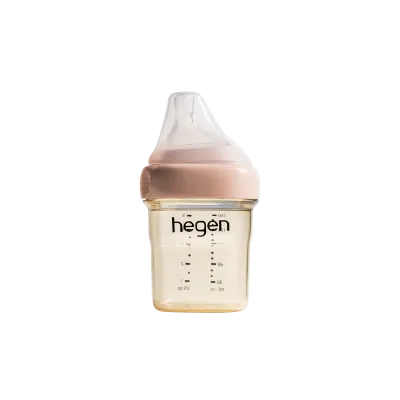
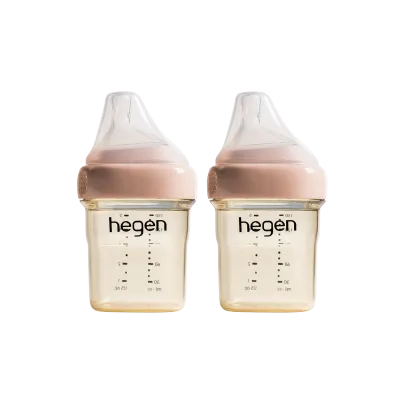
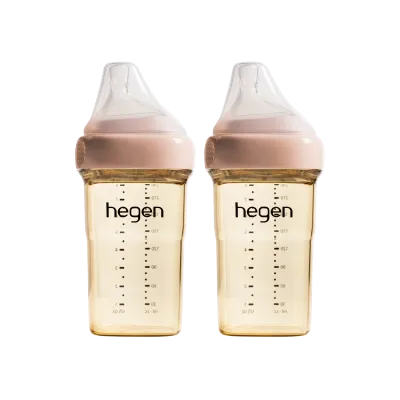
Each of these three prominent brands approaches bottle-feeding from a unique engineering perspective. Hegen centers its design on simplicity, multi-functionality, and modern aesthetics. Its signature square-to-round shape is designed to be easy for tiny hands to hold and prevents the bottle from rolling away when dropped. Furthermore, Hegen utilizes a patented press-to-close, twist-to-open mechanism that eliminates screw threads entirely, allowing parents to secure the bottle with one hand. This design philosophy extends to a modular system where a single container can transition from a breast milk storage cup to a feeding bottle, minimizing the overall number of parts required in your kitchen.
Pigeon focuses heavily on mimicking the natural mechanics of breastfeeding. Its design philosophy is deeply rooted in research regarding infant sucking behaviors, leading to the development of its wide-neck silicone nipples. These nipples feature a textured base designed to encourage a natural latch similar to how a baby latches onto the breast. The bottle itself maintains a traditional round shape with a standard screw-on collar, prioritizing familiarity and ease of transition for mothers who practice mixed feeding.
Products mentioned in this guide
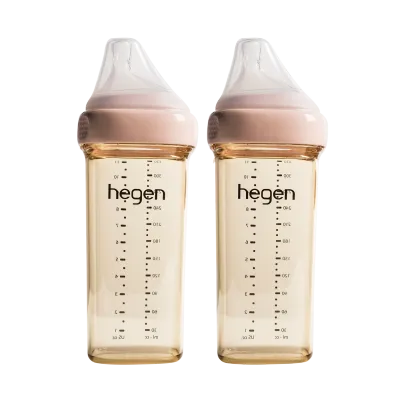
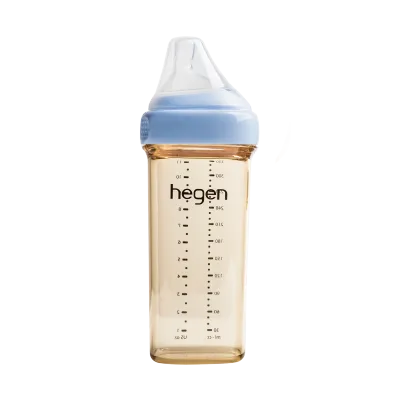
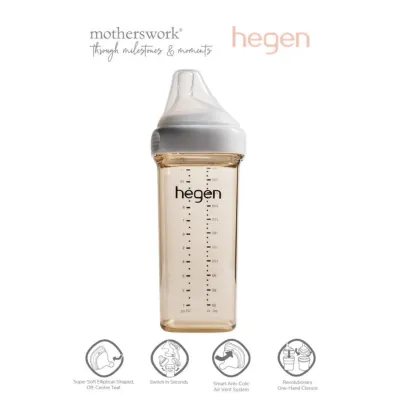
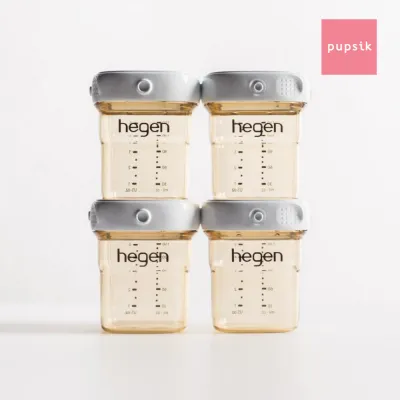
Prices are valid at publication and may change. Please refer to the product page for the latest price.
Dr. Brown’s takes a highly functional, technical approach to bottle design, prioritizing the reduction of feeding challenges like colic, spit-up, and gas. The core of Dr. Brown’s philosophy is its internal vent system, which features a reservoir tube and insert designed to route air away from the milk. This system prevents vacuum buildup inside the bottle, allowing the baby to feed at their own pace without fighting negative pressure. While this adds more components to the bottle assembly, the brand focuses on providing a consistent, vacuum-free flow that closely replicates the physics of breastfeeding.
Material Safety and Durability Comparison
When comparing bottle materials, parents typically choose between polyphenylsulfone (PPSU), glass, and polypropylene (PP). Hegen primarily utilizes PPSU, a medical-grade plastic known for its high heat resistance and durability. PPSU combines the lightweight benefits of plastic with the robust nature of glass, resisting odor absorption and staining from repeated use. Pigeon offers a diverse range of materials, including PPSU, high-quality borosilicate glass, and standard PP. Dr. Brown’s also provides multiple options, with a strong emphasis on glass and PP, alongside select PPSU models in their product lines.

To ensure you are selecting the safest option for your baby, always verify the material specifications directly on the product packaging. Look for clear labels indicating that the bottles are BPA-free and BPS-free. Additionally, check the manufacturer’s stated heat tolerance limits, especially if you plan to use high-temperature steam sterilizers or UV sterilization units. PPSU and borosilicate glass generally offer much higher heat resistance compared to standard PP, making them more resilient to frequent sterilization cycles over several months of daily use.
The choice between these materials involves practical trade-offs in daily handling and longevity. Glass bottles are highly durable, completely resistant to scratching, and do not absorb odors or colors, but they are heavy and prone to breaking if dropped on hard kitchen tiles. PP bottles are highly affordable and lightweight, making them excellent for travel, but they tend to scratch easily and may need to be replaced more frequently due to cloudiness or wear. PPSU serves as a premium middle ground, offering excellent drop resistance and high thermal stability, though it typically comes with a higher initial purchase price.
Nipple Design and Flow Rate Differences
The nipple design is often the deciding factor for whether a baby accepts a bottle. Hegen features an off-center, asymmetrical nipple designed to mimic the natural position of a mother’s breast. This off-center placement allows the bottle to be held at a flatter angle, promoting an upright feeding position that can help reduce the risk of milk backflow into the middle ear. The nipple shape is elongated and soft, designed to fit comfortably within the baby’s oral cavity.
Pigeon’s wide-neck nipple is characterized by its wide silicone base and a unique matte surface that helps the baby secure a firm, non-slip latch. The silicone is engineered to be highly flexible, stretching and contracting in response to the baby’s peristaltic tongue movements. This design is specifically tailored to support babies who alternate between direct breastfeeding and bottle-feeding, minimizing the risk of nipple confusion.
Dr. Brown’s offers both narrow-neck and wide-neck nipple options. The narrow-neck nipple is a traditional shape that many babies find easy to latch onto, particularly those with smaller mouths or specific latch preferences. The wide-neck option provides a broader base similar to Pigeon’s design. Because Dr. Brown’s bottles utilize an internal vent, the nipple does not rely on traditional venting slits that can sometimes cause inconsistent flow if clogged or misaligned.
Matching the flow rate to your baby’s developmental stage is crucial for a comfortable feeding experience. Flow rates are typically indicated on the rim of the nipple (such as Level 1, 2, 3, or Y-cut). As babies grow and their sucking strength increases, they generally require a faster flow. However, age recommendations on packaging are only general guidelines. You must observe your baby during feeds; signs such as choking, coughing, gulping, or milk spilling from the corners of the mouth suggest the flow may be too fast. Conversely, if your baby is sucking hard, the nipple is collapsing, or they take longer than twenty to thirty minutes to finish a feed, the flow may be too slow.
Cleaning, Assembly, and Daily Usability
Daily maintenance is a major consideration for busy parents, as bottles must be washed and sterilized multiple times a day. Dr. Brown’s internal vent system, while highly effective for venting, introduces a higher level of complexity. A standard Dr. Brown’s bottle consists of five to six individual parts: the bottle, the collar, the nipple, the cap, the vent insert, and the reservoir tube. Cleaning these parts requires using a specialized wire brush to reach inside the narrow tube and insert channels to prevent milk residue buildup. This multi-step assembly and cleaning process can add significant time to your daily routine.
In contrast, Hegen’s design is highly streamlined to minimize cleaning effort. With no screw threads and a wide, square opening, parents can easily reach the bottom of the bottle with a standard sponge or brush. The assembly consists of just the bottle, the nipple, and the collar, which snap together quickly without the need for twisting. This simple structure reduces the number of crevices where milk fat can hide, making it easier to maintain hygiene during quick midnight washes.
Pigeon bottles offer a balanced, traditional assembly consisting of the bottle, collar, nipple, and cap. The wide-neck versions are straightforward to clean with standard bottle brushes, while the narrow-neck versions require a bit more care to reach the bottom corners. When sterilizing any of these brands, always verify the specific temperature limits for each component. For instance, while a glass bottle or PPSU body can withstand very high temperatures, the silicone nipples or plastic collars may have lower heat thresholds. Always check the manufacturer’s instructions before placing parts into UV sterilizers, as prolonged UV exposure can cause certain plastics and silicones to discolor or degrade prematurely.
How to Choose the Right Bottle for Your Baby
Selecting the right bottle depends on your family’s specific lifestyle, budget, and your baby’s feeding behavior. To help guide your decision, consider this structured framework based on different priorities:
- Choose Hegen if: You want a premium, long-lasting PPSU bottle that is exceptionally easy to clean, has minimal parts, and can easily convert into a breast milk storage container or snack cup as your baby grows. This is ideal for parents who value modern design, quick assembly, and a space-saving modular system.
- Choose Pigeon if: Your primary goal is to support a smooth transition between breastfeeding and bottle-feeding. The wide, textured nipple is highly suited for babies who need a familiar latch, and the brand's wide availability makes replacing nipples or bottles highly convenient.
- Choose Dr. Brown's if: Your baby experiences frequent gas, spit-up, or colic symptoms, and you want a dedicated venting system designed to eliminate vacuum pressure and air bubbles. This is a solid choice if you do not mind spending extra time washing and assembling multiple internal parts.
- Neither may fit if: Your baby has a highly unique latch preference that requires specialized nipple shapes, or if you prefer alternative materials like medical-grade silicone bottles.
Always verify first with a pediatrician or a certified lactation consultant if your baby has specific medical conditions, severe gastroesophageal reflux, or was born prematurely. These situations often require specialized feeding plans, specific flow rates, or medical-grade feeding systems that go beyond standard retail options.
Remember that infant feeding involves a degree of trial and error. Babies have distinct preferences, and what works perfectly for one child may not work for another. Rather than purchasing large, multi-bottle starter sets initially, it is highly practical to buy a single bottle from one or two brands first. This allows you to observe your baby’s latch, feeding pace, and comfort level before committing to a complete set.
Frequently Asked Questions (FAQ)
Can I Mix Nipples and Bottles from Different Brands?
It is highly recommended to avoid mixing nipples, collars, and bottles from different brands. Even if a nipple appears to fit into another brand’s collar, minor differences in thread design, diameter, and venting mechanisms can prevent a proper seal. This mismatch can lead to persistent leaks, inconsistent milk flow, or a failure of the anti-colic venting system, which may cause your baby to swallow excess air or experience choking hazards. Always check the manufacturer’s packaging for explicit cross-compatibility statements, and stick to approved brand combinations to ensure safe feeding.
How Do I Know When to Transition to a Different Bottle Brand?
You may want to consider transitioning to a different bottle brand if your baby shows persistent signs of discomfort during or after feeds. These signs include excessive fussiness, increased gas, frequent spitting up, or milk constantly leaking from the sides of their mouth. Additionally, if your baby consistently rejects a specific nipple shape despite trying different flow rates, it may indicate a preference for a different brand’s design. If these feeding difficulties persist, consult a pediatrician or a lactation consultant to rule out underlying issues before switching brands.
Community discussion
Share your experience or ask a question. Comments are reviewed before publication.