
Selecting the right baby bottle involves balancing safety, convenience, and durability. Among the leading brands available in Singapore—Hegen, Pigeon, and Dr. Brown’s—there is no single material that fits every household perfectly. Each brand utilizes a distinct combination of materials, including polyphenylsulfone (PPSU), borosilicate glass, polypropylene (PP), and liquid silicone rubber, to cater to different feeding styles and sterilization preferences.
Understanding how these materials perform under daily wear, high-temperature sterilization, and accidental drops is key to making a safe and cost-effective choice. By evaluating the physical properties and safety certifications of each brand, you can select a bottle system that aligns with your daily routine and provides peace of mind.
Understanding the Core Materials Used by Each Brand
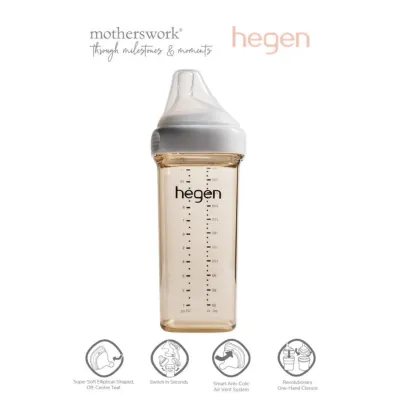
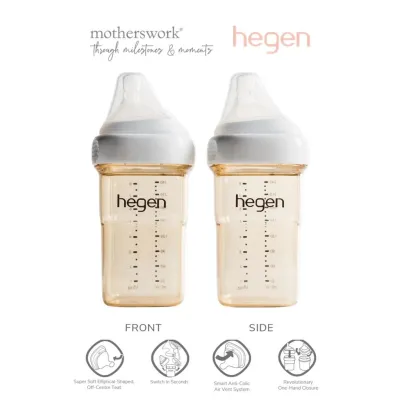
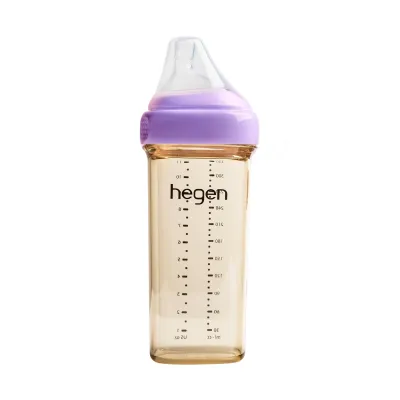
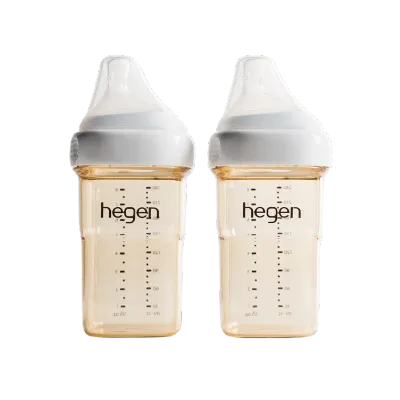
To compare these brands effectively, you must first understand the primary materials they use across their product lines. Hegen is highly recognized for its focus on PPSU, a medical-grade thermoplastic known for its natural honey-colored tint. PPSU combines the lightweight convenience of plastic with the high temperature resistance and durability of glass. It contains no bisphenols and can withstand repeated sterilization cycles without rapid degradation.
Products mentioned in this guide
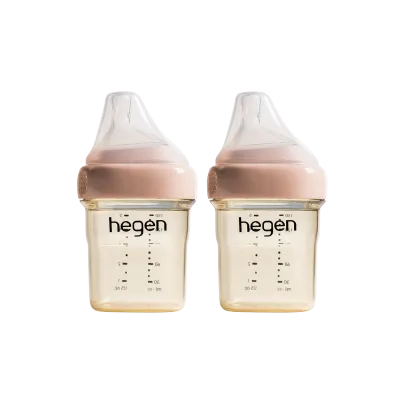
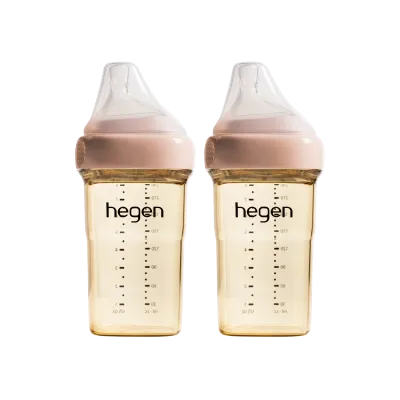
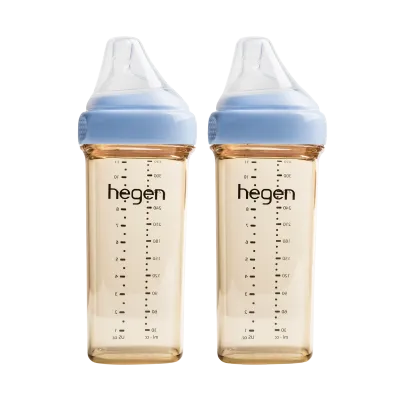
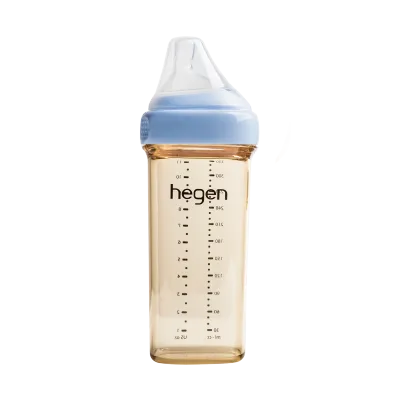
Prices are valid at publication and may change. Please refer to the product page for the latest price.
Pigeon offers a broader spectrum of materials to suit different budgets and preferences. Their lineup includes borosilicate glass, PPSU, and PP. Borosilicate glass is highly resistant to thermal shock, meaning it can transition from cold to hot temperatures with minimal risk of cracking. Pigeon’s PP bottles are a more budget-friendly, lightweight option, though they have a lower heat tolerance and tend to degrade faster than PPSU or glass.
Dr. Brown’s also provides a versatile selection, featuring options in glass, PP, and PPSU. Their bottles are unique due to their internal anti-colic vent systems, which are typically made of food-safe silicone and polypropylene. When choosing Dr. Brown’s, you must consider not only the material of the bottle outer shell but also the durability of the internal vent components that come into direct contact with the milk.
Each material has distinct physical characteristics. PPSU is highly shatterproof and lightweight, making it ideal for travel or for when your baby begins to hold the bottle. Glass is completely inert, scratch-resistant, and maintains its clarity indefinitely, but it is heavy and poses a shatter risk if dropped on hard kitchen tiles. Silicone, used primarily for nipples and specialized bottle sleeves, is soft and flexible but naturally degrades faster than hard plastics or glass. Before purchasing, always verify the exact material composition on the specific product packaging or official brand websites, as product lines and material specifications may update over time.
Evaluating Safety Standards and Certifications
When evaluating baby bottles, chemical safety is the primary concern for parents. You will frequently see labels such as “BPA-free” and “BPS-free” on packaging. Bisphenol A (BPA) and Bisphenol S (BPS) are industrial chemicals historically used to manufacture certain plastics. Research has raised concerns about these chemicals leaching into food and liquids, particularly when heated. Consequently, choosing bottles certified free of these compounds is a baseline expectation for modern infant feeding.

To ensure the bottles you purchase meet rigorous safety standards, you should look for specific certification logos and compliance marks on the packaging. In Singapore, consumer goods are subject to safety guidelines monitored by local regulatory bodies. Additionally, look for international standards such as European Standard EN 14350, which regulates the safety of drinking equipment for children, or compliance with the United States Food and Drug Administration (FDA) regulations for food-contact substances.
Rather than relying solely on marketing claims or descriptions on online marketplaces, it is highly recommended to verify these certifications through official manufacturer documentation. Reputable brands publish detailed compliance certificates and material safety data sheets on their official websites. Checking these documents allows you to confirm that the specific batch or product line has undergone independent laboratory testing for chemical leaching, heavy metals, and structural integrity.
Furthermore, keep in mind that safety standards and product formulations can change. Regularly checking official brand announcements or local consumer protection databases for product recalls ensures that the bottles in your kitchen remain safe for daily use. If your baby experiences persistent feeding difficulties, colic, or reflux, consult a qualified healthcare professional or lactation consultant rather than relying solely on bottle design changes.
Assessing Durability and Daily Wear
Daily sterilization, washing, and accidental drops subject baby bottles to significant wear and tear. Understanding how different materials respond to these challenges will help you estimate their long-term value and safety.
Glass bottles offer exceptional durability in terms of chemical stability and scratch resistance. They do not absorb odors, discolor, or scratch when cleaned with bottle brushes. However, the primary trade-off is their vulnerability to physical impact. A single drop onto a hard floor can shatter glass, creating an immediate safety hazard in the home.
PPSU and PP bottles are shatterproof, making them highly practical for active households, travel, and older infants. However, plastics are susceptible to micro-scratches from abrasive cleaning brushes. These tiny scratches can become breeding grounds for bacteria and make the bottle difficult to clean thoroughly. Over time, repeated exposure to high-temperature steam, boiling water, or UV sterilizers will cause plastic bottles to become cloudy or discolored.
In Singapore, where UV sterilizers are highly popular, it is crucial to note that UV light can accelerate the degradation of certain plastics and silicone components. While PPSU exhibits higher resistance to UV degradation compared to standard PP, both materials will eventually degrade. Silicone nipples, collars, and internal vent parts across all three brands are particularly sensitive to heat and light, requiring regular replacement to maintain proper hygiene and flow rates.
To maintain a safe feeding routine, establish a weekly visual inspection of all bottle components. Use this checklist to determine when a bottle or nipple has reached the end of its safe lifespan:
- Discoloration, persistent cloudiness, or stubborn odors in plastic bottles.
- Hairline cracks, chips, or deep scratches on the inner or outer surfaces of glass or plastic bottles.
- A sticky, tacky, or overly soft texture on silicone nipples, which indicates material breakdown.
- Tears, cracks, or an enlarged hole in the nipple that alters the intended milk flow.
- Any warping of plastic collars or internal vent parts that prevents a secure, leak-free seal.
If any of these signs are present, stop using the component immediately and replace it to prevent leaks, choking hazards, or bacterial contamination.
Making Your Final Decision Based on Material Needs
Choosing between Hegen, Pigeon, and Dr. Brown’s ultimately depends on your lifestyle, sterilization setup, and your baby’s feeding preferences. A structured decision framework can help guide your choice.
Consider Hegen if you prioritize a lightweight, highly durable, and space-saving system. Hegen’s PPSU bottles feature a unique square-round shape that allows them to be stacked neatly, which is highly beneficial for compact Singaporean kitchens. Their design also allows the bottles to transition into food storage cups with a simple lid change, extending the material’s lifespan well beyond the bottle-feeding stage.
Consider Pigeon if you prefer a highly customizable system with a wide range of material options. Pigeon’s SofTouch nipples are widely praised for their latch design, and the brand offers a clear choice between traditional glass and lightweight PPSU. This flexibility allows you to stick with a single nipple design while transitioning from glass bottles at home to PPSU bottles for travel or daycare.
Consider Dr. Brown’s if your baby experiences frequent colic or gas and you require a specialized feeding system. Their bottles are designed with an internal vent system that minimizes air ingestion. While this system involves more parts to clean and sterilize, the materials are engineered to withstand rigorous daily maintenance.
Many parents find that a hybrid approach works best. For instance, you might choose glass bottles for home use where sterilization and washing are controlled, and switch to PPSU bottles of the same brand when traveling or sending your child to infant care.
Before committing to a specific brand, factor in the ongoing cost and local availability of replacement parts. Nipples, collars, and specialized vent systems must be replaced periodically. Ensure that the specific replacement parts for your chosen brand are easily accessible at local baby specialty stores or official online brand stores to avoid feeding disruptions. When selecting a bottle, always verify the recommended age range, flow rate, and weight guidelines on the specific product documentation, as feeding needs change rapidly during infancy.
Frequently Asked Questions (FAQ)
Can I mix different bottle brands for feeding my baby?
Mixing different bottle brands for your baby’s feeding routine is generally safe, provided that all bottles are made of food-safe materials and are properly cleaned and sterilized. However, you should never mix and match interchangeable parts—such as nipples, collars, caps, or internal vent inserts—between different brands. These components are engineered to fit together precisely to prevent leaks and maintain proper venting. Using a Hegen nipple on a Pigeon bottle, or attempting to fit a Dr. Brown’s vent into another brand, can lead to severe milk leakage, improper air flow, nipple collapse, or even choking hazards if a part detaches during feeding.
How often should I replace PPSU and glass baby bottles?
The replacement frequency of baby bottles depends heavily on the material and how they are maintained. PPSU bottles are highly durable but should generally be replaced every 6 to 12 months, or sooner if they show signs of physical wear. PP bottles, which degrade faster, typically require replacement every 3 to 6 months. Glass bottles do not degrade over time and can be used indefinitely, provided they remain free of damage. However, you must inspect glass bottles daily and discard them immediately if you detect any chips, hairline cracks, or deep scratches. Silicone nipples across all brands should be replaced every 1 to 3 months due to natural wear from suction and sterilization.
Community discussion
Share your experience or ask a question. Comments are reviewed before publication.