
Choosing the right baby bottle is one of the most practical yet highly debated decisions you will make as a parent. With several premium and mainstream options lining the shelves of local specialty stores and online marketplaces, the sheer variety can feel overwhelming. Every brand promises unique benefits, from reducing gas and colic to mimicking a mother’s natural breast. However, the best choice ultimately depends on your baby’s feeding style, your budget, and how much time you are willing to spend on daily cleanup.
To help you navigate this decision, this comparison looks closely at three of the most popular baby bottle brands: Hegen, Pigeon, and Dr. Brown’s. Each brand represents a distinct design philosophy, ranging from minimalist multi-functional containers to highly engineered anti-colic systems. By evaluating their ergonomics, materials, anti-colic performance, cleaning requirements, and overall value, you can find the ideal match for your family’s daily routine.
Here is a quick decision framework to guide your choice:
Products mentioned in this guide
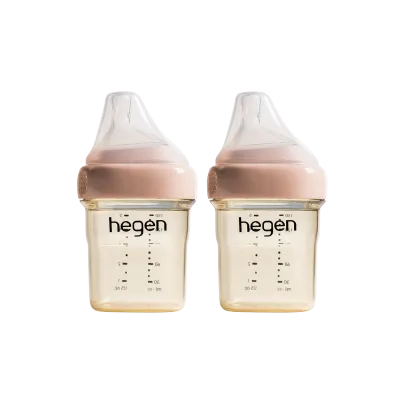
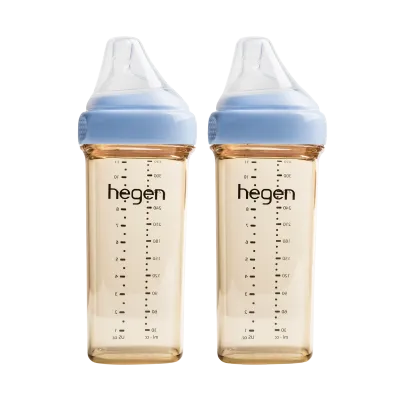
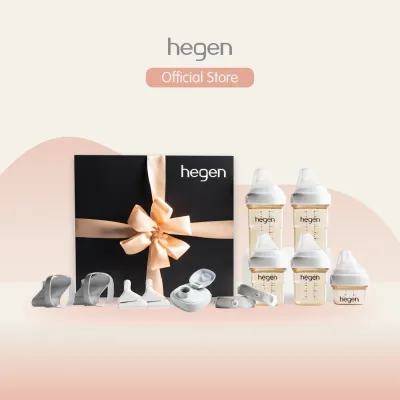
Prices are valid at publication and may change. Please refer to the product page for the latest price.
- Choose Hegen if you prioritize a space-saving square design, easy one-handed closure, and premium PPSU material that easily converts from a bottle to a breast milk storage container or snack cup.
- Choose Pigeon if you want a widely accessible, highly reliable wide-neck bottle with a exceptionally soft, flexible nipple designed specifically to support a natural breastfeeding latch.
- Choose Dr. Brown's if your baby struggles with severe colic, gas, or reflux, and you are comfortable managing the extra cleaning steps required for an intricate internal vent system.
While these guidelines provide a strong starting point, keep in mind that individual baby preference and nipple acceptance often dictate the final choice. Many parents find that despite their own design preferences, their baby’s unique latching style will ultimately determine which bottle becomes the household favorite.
Design and Ergonomics: Square vs. Wide-Neck vs. Vent Systems
The physical shape and structural design of a baby bottle directly impact how easy it is to store, hold, and use during late-night feedings. A well-designed bottle should feel comfortable in your hand, fit neatly into a diaper bag, and allow your baby to feed in a natural, relaxed posture as they grow.
Hegen stands out in the market with its patented square-shaped bottle design. This “sqround” (square-round) shape is highly ergonomic, making it easy for both parents and growing babies to grip securely. Beyond handling, the square profile allows the bottles to slide neatly next to each other, saving valuable storage space in your kitchen cabinets, refrigerator, or freezer. Additionally, Hegen features a unique threadless closure mechanism known as Press-to-Close, Twist-to-Open (PCTO). This allows you to press the lid on with one hand to lock it, and twist it off with a simple turn, minimizing the risk of spills when handling a hungry infant.
Pigeon takes a more traditional but highly refined approach with its SofTouch wide-neck design. The bottle features a gently curved, contoured body that fits naturally into the hand during long feeding sessions. The wide-neck opening is a major practical benefit, allowing you to scoop formula powder into the bottle easily without spilling it over the edges. The design focuses heavily on the nipple structure, which features a wide base and a textured surface designed to encourage a secure, deep latch similar to natural breastfeeding.
Dr. Brown’s bottles are characterized by their specialized internal vent systems, available in both narrow and wide-neck formats. The classic narrow bottle is a long-standing favorite for small infant mouths, while the wide-neck version provides a wider latching surface. However, because of the internal vent tube and reservoir insert, Dr. Brown’s bottles are physically heavier and bulkier than their competitors. While the ergonomic grip is comfortable, the overall assembly is taller and occupies more vertical space in diaper bags and sterilizers.
Material Quality and Durability: PPSU, Glass, and Plastics
When evaluating baby bottles, the material composition determines not only the bottle’s lifespan but also how well it withstands frequent sterilization, high temperatures, and daily wear and tear.

Polyphenylsulfone (PPSU)
PPSU is a premium, medical-grade plastic known for its distinct honey-colored tint. It combines the lightweight, shatterproof benefits of plastic with the high heat resistance and durability of glass. PPSU can withstand repeated steam, boiling, and UV sterilization without degrading or becoming brittle. Hegen bottles are constructed primarily from PPSU, which explains their robust feel and long-term durability. Pigeon also offers a popular line of PPSU bottles alongside their standard options, making this material highly accessible to local parents.
Polypropylene (PP)
PP is the standard plastic used in most mainstream baby bottles. It is clear, highly flexible, lightweight, and budget-friendly. However, PP is softer than PPSU and is more prone to scratching from bottle brushes. Over time, repeated exposure to high-heat sterilization can cause PP bottles to become cloudy or warped, meaning they require more frequent replacement. Both Pigeon and Dr. Brown’s offer extensive PP bottle lines, which serve as excellent, cost-effective options for everyday use.
Glass
Glass remains a highly respected choice for parents who want a completely chemical-free, scratch-resistant, and exceptionally durable material. Glass bottles do not absorb odors or discolor over time, and they are incredibly easy to clean. However, they are heavy, cold to the touch initially, and carry a risk of shattering if dropped on hard kitchen tiles. Pigeon and Dr. Brown’s both offer high-quality borosilicate glass bottle options, which are highly resistant to thermal shock.
Regardless of the material you choose, all reputable baby bottle brands sold through authorized distributors in Singapore must comply with strict local safety regulations for food-contact materials. To ensure optimal safety and performance, always check the manufacturer’s label on the specific product you purchase for exact heat tolerance limits and recommended replacement timelines.
Anti-Colic Performance and Feeding Experience
Colic, gas, and reflux are common challenges for newborns, often exacerbated by the ingestion of air during bottle feeding. Each of these three brands addresses this issue with a different engineering solution.
Dr. Brown’s is widely recognized for its highly effective anti-colic engineering. The brand’s Options+ bottles feature a patented internal green vent system that channels air from the nipple collar directly through the tube to the bottom of the bottle. This bypasses the milk entirely, preventing air bubbles from forming and ensuring a vacuum-free feeding experience. Because the baby does not have to fight a vacuum, fluid flow is consistent, and air ingestion is minimized. While highly regarded by parents of colicky babies, it is important to note that this system is a preventative feeding aid rather than a guaranteed medical cure.
Pigeon addresses anti-colic concerns directly through its SofTouch nipple design, which incorporates a small Air Ventilation System (AVS) valve at the base of the silicone skirt. This simple vent allows air to enter the bottle as the baby drinks, equalizing the pressure and maintaining a smooth flow of milk. The primary anti-colic benefit of the Pigeon system relies on achieving a proper, airtight latch on the wide-neck nipple, which naturally prevents the baby from swallowing air around the corners of their mouth.
Hegen utilizes an off-center nipple design combined with a built-in anti-colic air vent. By positioning the teat off-center, milk flows naturally without requiring you to tilt the bottle at a steep angle. This allows your baby to feed in a more upright, natural posture, which can significantly reduce the risk of spit-up and acid reflux. The integrated vent in the nipple collar works simultaneously to minimize air bubbles in the milk, offering a streamlined, vent-free look while still actively reducing gas.
If your baby experiences persistent vomiting, severe physical distress, or poor weight gain, stop feeding and consult a pediatrician immediately. These symptoms can indicate underlying medical conditions that require professional diagnosis rather than a simple change of feeding bottle.
Cleaning, Maintenance, and Daily Convenience
The effort required to wash, sterilize, and assemble baby bottles multiple times a day is a major factor in long-term parent satisfaction. A bottle that is difficult to clean can quickly become a source of daily frustration.
Hegen is the clear winner when it comes to cleaning convenience. Thanks to its square shape and wide opening, you can easily reach the bottom of the bottle with a standard sponge, often eliminating the need for a specialized bottle brush. Because the bottle utilizes a threadless, press-to-close design, there are no screw threads or hidden crevices where dried milk residue can hide. With only three main parts to clean—the bottle, the nipple, and the collar—the entire washing and assembly process takes seconds.
Pigeon bottles are also straightforward to maintain. The wide-neck design allows easy access for standard bottle brushes, and the simple three-piece construction makes disassembly and reassembly highly intuitive. There are no complex internal parts, meaning you can wash and sterilize a large batch of bottles quickly with minimal effort.
Dr. Brown’s, while highly effective for colicky babies, requires the most intensive cleaning routine. The internal vent system consists of two separate plastic parts—the reservoir tube and the circular insert—in addition to the bottle, nipple, and collar. This means you must clean five separate components for every single bottle used. You will need to use the tiny wire cleaning brush included with the bottles to scrub inside the narrow vent tube to prevent milk fat buildup. This multi-step process can be time-consuming, especially during late-night cleanups.
When sterilizing your bottles, always verify the maximum temperature limits for each material before using UV sterilizers, boiling water, or steam sterilizers. Plastic nipples, silicone valves, and colored vent parts often have lower heat thresholds than the bottle bodies themselves, and exposing them to excessive heat can cause warping, cracking, or premature degradation.
Price and Value: What to Expect in Singapore
When planning your baby budget, it is helpful to understand how these brands align in terms of upfront costs and long-term value within the local market.
Hegen (Premium Tier)
Hegen sits firmly in the premium price bracket. A single bottle or starter set represents a significant upfront investment. However, Hegen offers unique long-term value through its multi-functional design. By simply swapping the nipple collar for a storage lid or a drinking spout, the bottle easily transitions into a breast milk storage container, a snack cup, or a toddler water bottle. This versatility extends the product’s useful life far beyond the infant stage, offsetting the high initial cost for many parents.
Pigeon (Mid-Range / High-Value Tier)
Pigeon is positioned as a highly accessible, mid-range option that offers excellent everyday value. Because it is one of the most popular brands in Singapore, replacement nipples, collars, and bottles are widely available at very reasonable prices. The brand’s PP and PPSU options allow parents to choose a material that fits their budget while maintaining high safety standards. The widespread availability of Pigeon parts makes it an incredibly convenient choice for busy households.
Dr. Brown's (Mid-to-High Tier)
Dr. Brown’s falls into the mid-to-high price range, depending on whether you opt for their standard PP plastic or their premium glass models. While the bottles themselves are moderately priced, the long-term cost can increase if you need to replace lost or worn-out vent parts. However, for parents dealing with a highly colicky baby, the relief provided by the specialized vent system is often considered well worth the investment.
To find the best deals, check major local online marketplaces, official brand stores, and established mother-and-baby retail chains in Singapore. Be sure to look for bundle deals, starter kits, or seasonal promotions. To protect your baby’s health, avoid purchasing from unauthorized third-party sellers, as counterfeit baby products can carry significant safety risks and may not meet food-grade material standards.
Final Verdict: How to Match the Bottle to Your Baby's Needs
There is no single “best” baby bottle on the market; instead, the right bottle is the one that aligns with your baby’s feeding preferences and your family’s daily lifestyle.
If you live in a compact urban home where storage space is limited, appreciate modern design, and want a versatile system that grows with your child, Hegen is an exceptional investment. Its ease of cleaning and multi-functional storage lids make it a favorite for busy, convenience-focused parents.
If you prefer a classic, highly reliable bottle that is easy to find in almost any local pharmacy or department store, Pigeon offers unbeatable practicality. Its incredibly soft SofTouch nipple is excellent for babies transitioning between breast and bottle, making it a safe and highly successful choice for most infants.
If your primary concern is managing severe infant gas, reflux, or colic, Dr. Brown’s remains the industry benchmark. Although the multi-part vent system requires more effort to clean and assemble, its proven ability to deliver a vacuum-free feed makes it the go-to solution for sensitive stomachs.
As a practical, low-risk approach, avoid buying expensive multi-packs or large starter sets before your baby is born. Instead, purchase one or two single bottles from your top two brand contenders. This allows you to test your baby’s acceptance and monitor their feeding cues—such as latch security, milk flow, and comfort—before committing to a complete bottle system.
Frequently Asked Questions (FAQ)
Can I mix and match nipples and bottles from Hegen, Pigeon, and Dr. Brown's?
No, you should not mix and match nipples, collars, or vent parts across different brands. Each of these companies utilizes proprietary dimensions, shapes, and sealing mechanisms designed to work exclusively with their own bottle systems. Attempting to force a Pigeon nipple into a Hegen collar, or using a Dr. Brown’s vent in a different bottle, can cause severe milk leaks, improper air venting, inconsistent milk flow, and potential choking hazards. Always use the manufacturer’s designated parts for each specific bottle system to ensure safe feeding.
How often should I replace the baby bottles and nipples?
As a general guideline, silicone nipples should be replaced every 1 to 3 months, or immediately if you notice any signs of wear, tearing, stickiness, or changes in milk flow. Standard PP plastic bottles should typically be replaced every 4 to 6 months, or as soon as they become cloudy, scratched, or discolored. Premium PPSU and glass bottles are highly durable and can last significantly longer, but they still require regular inspection for fine scratches, chips, or cracks. Always follow the specific replacement and care instructions printed on your product’s packaging to maintain the highest hygiene standards.
Community discussion
Share your experience or ask a question. Comments are reviewed before publication.