
Choosing the right bottle teat for a breastfed baby is a highly individual process. Because every infant possesses a unique oral anatomy and sucking reflex, there is no single teat that works universally for every child. The transition between breast and bottle requires a teat that mimics the natural feeding experience as closely as possible, both in material flexibility and structural design.
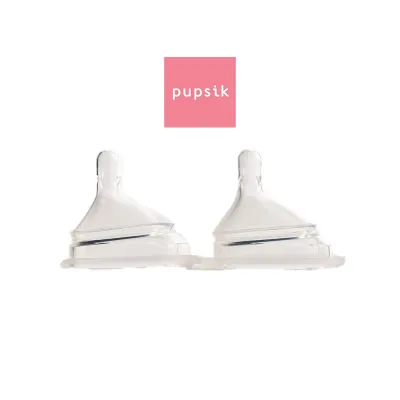
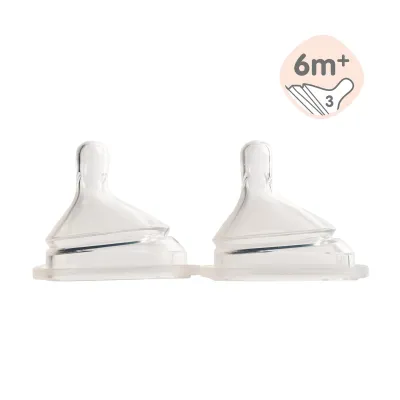
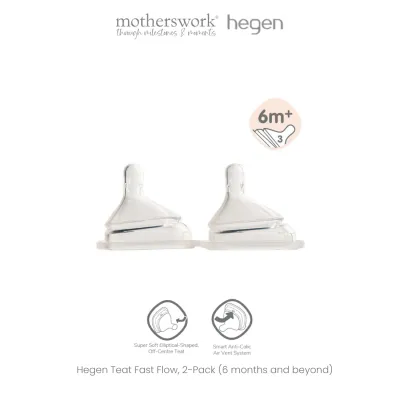
To narrow down your choices, consider how your baby naturally latches and feeds. The Hegen teat is designed with an off-center position to support an upright feeding posture, making it suitable for babies who prefer a controlled, gravity-assisted flow. The Pigeon SofTouch teat features highly flexible, ultra-soft silicone engineered to replicate the natural peristaltic tongue movement of breastfeeding. The Comotomo teat offers a very wide, dome-shaped base and a squishy, skin-like texture, making it ideal for infants who require a deep, wide-angle latch.
Ultimately, finding the perfect match may require testing one or two options. Observing your baby’s feeding cues, lip seal, and comfort level during a feed will guide you to the most compatible choice.
Products mentioned in this guide


Prices are valid at publication and may change. Please refer to the product page for the latest price.
Silicone Material and Softness: Matching Baby's Preference
Silicone is the industry standard for baby bottle teats due to its durability and hygiene, but the tactile feel, thickness, and flexibility of the material vary significantly across premium brands. Understanding these differences helps you match the teat to your baby’s sensory preferences.
Hegen teats are manufactured using a high-grade silicone that balances softness with structural firmness. This specific texture is designed to resist collapsing under active suction, ensuring a consistent shape throughout the feed. The surface is smooth and polished, offering a clean feel that some babies prefer. Because the silicone is slightly firmer than highly elastic alternatives, it provides distinct tactile feedback that encourages active jaw compression.
Pigeon focuses heavily on elasticity with its SofTouch silicone. This material is exceptionally soft and engineered to stretch and contract dynamically in response to the baby’s tongue movements. This high flexibility is intended to mimic the natural wave-like motion of breastfeeding, allowing the baby to use the same oral muscle patterns they would at the breast. The soft texture is designed to feel highly compliant against the baby’s palate.
Comotomo takes a different approach by utilizing a thick, matte-finished silicone that extends from the teat down through the entire bottle body. The teat itself has a distinct, squishy feel that closely resembles the natural texture of skin. This thickness provides a unique sensory experience, offering a soft, compressible surface that mimics the physical warmth and give of a mother’s breast.
Before introducing any teat to your baby, you can perform a simple manual check to evaluate its physical properties. Wash your hands thoroughly, then gently pull the tip of the teat upward and outward to test its elasticity and rebound. A highly flexible teat like Pigeon will stretch significantly before returning to shape, whereas a firmer teat like Hegen will offer immediate resistance. Feeling the surface texture allows you to anticipate whether your baby will prefer a silky, matte finish or a smooth, polished surface.
Teat Shape and Latch Design: Mimicking the Breast
The physical shape of a teat determines how a baby positions their lips, tongue, and jaw. A successful latch prevents air intake, minimizes nipple confusion, and ensures efficient milk transfer.

Hegen features an asymmetrical, off-center teat design. Unlike traditional centered teats, Hegen’s nipple is positioned near the lower rim of the collar. This design allows for an upright feeding posture, minimizing the need to tilt the bottle vertically. By keeping the bottle relatively horizontal, gravity’s effect on milk flow is reduced, allowing the baby to control the pace of feeding more naturally. This off-center shape is intended to mimic the natural angle of a mother’s breast during side-lying or cradle-hold feeding.
Pigeon employs a wide-neck design with a gradual slope that leads to a defined nipple tip. This shape is engineered to guide the baby’s lips to flare out naturally, forming a wide-angle seal similar to a latch on the breast. The design encourages the baby to take a large portion of the teat into their mouth, ensuring the tip reaches the soft palate area for comfortable swallowing.
Comotomo features an ultra-wide, dome-shaped base that transitions into a short, stubby nipple. This shape is specifically designed to prevent the baby from latching too shallowly. The wide dome mimics the natural contour of the breast mound, encouraging a deep, wide-open latch. It is particularly useful for babies who tend to bite down on narrower teats rather than opening their mouths wide.
To evaluate the quality of the latch during a feed, look for key physical cues. A proper latch is characterized by flared lips, a wide-open jaw angle, and a tight seal with no audible clicking or smacking sounds. If you notice the baby’s lips slipping off the base, milk leaking from the corners of the mouth, or frequent clicking, the teat shape may not be compatible with their oral anatomy. In such cases, stop the feed, gently break the seal, and reposition the baby, or consider trying a different teat shape.
Anti-Colic Features and Flow Rates: Managing Air and Milk
Managing air intake and milk flow is crucial for preventing gas, spit-up, and colic-like symptoms. Each brand approaches this with distinct engineering designs.
- Hegen Venting: Integrates a built-in anti-colic air vent directly into the collar of the teat. This single-valve system allows air to bypass the milk and flow to the back of the bottle, reducing bubble formation and preventing vacuum buildup.
- Pigeon Venting: Utilizes an Air Ventilation System (AVS) located at the base of the teat. This small, engineered slit regulates pressure inside the bottle, ensuring a smooth, continuous flow of milk without requiring the baby to release their latch to let air in.
- Comotomo Venting: Features dual anti-colic vents built directly into the silicone flange of the teat. These two vents work simultaneously to balance the pressure inside the squishy bottle, preventing vacuum collapse and minimizing the ingestion of air bubbles.
Matching the flow rate to your baby’s developmental stage is essential. Manufacturers offer various sizes, such as slow, medium, fast, or variable cuts. However, age recommendations on packaging are only general guidelines. You must observe your baby’s suction strength and swallowing coordination. A flow that is too fast can lead to choking, while a flow that is too slow can cause frustration and fatigue.
Always monitor your baby closely during feeds. Stop feeding immediately and burp the baby if you observe warning signs such as coughing, gulping, rapid swallowing, or milk spilling from the mouth, which indicate the flow is too fast. Conversely, if the teat collapses repeatedly, or if the baby pulls away frustrated after sucking vigorously, the flow rate may be too slow, or the air vent may be blocked. If feeding difficulties persist, consult a pediatrician or a certified lactation consultant to rule out underlying oral ties or swallowing issues.
Decision Framework: Choosing the Right Teat for Your Baby
To finalize your choice, consider your baby’s specific feeding behaviors and challenges.
Choose Hegen if:
- Your baby prefers feeding in an upright position.
- You want to practice paced bottle feeding to prevent overfeeding.
- Your baby struggles with gravity-heavy flows from traditional centered bottles.
Choose Pigeon if:
- Your baby transitions frequently between breast and bottle and requires a highly flexible teat that mimics natural tongue movement.
- Your baby prefers an ultra-soft, highly elastic silicone texture.
- You want a classic wide-neck shape that guides a natural, flared-lip latch.
Choose Comotomo if:
- Your baby responds well to tactile, skin-like surfaces and enjoys squeezing the bottle during feeds.
- Your baby needs a very wide, dome-shaped base to encourage a deep, wide-angle latch.
- You are dealing with bottle rejection and want to replicate the physical feel of the breast mound.
Verify first if:
- Your baby has specific oral sensitivities, severe reflux, or anatomical variations like tongue or lip ties. In these cases, consult a pediatric dentist or lactation specialist before investing in a complete bottle system.
- Always check the manufacturer's official guidelines regarding age and flow compatibility, as using an incorrect flow rate can compromise feeding safety.
Frequently Asked Questions (FAQ)
Can I mix and match bottles and teats from Hegen, Pigeon, and Comotomo?
As a general safety rule, always use manufacturer-matched bottles, collars, and teats. These components are engineered to fit together precisely to create a secure seal. Attempting to cross-match brands—such as placing a Pigeon teat into a Hegen collar—presents significant risks. These include milk leakage, failure of the anti-colic venting system, teat collapse, or the teat slipping out entirely, which poses a potential choking hazard. Before attempting any modifications, strictly check the official manufacturer compatibility charts. If a combination is not explicitly approved, do not use it.
How do I know when it is time to replace the silicone teat?
Silicone teats are subject to wear, heat degradation, and physical damage over time. In warm and humid climates, silicone can degrade more rapidly if not stored in a cool, dry place away from direct sunlight. Perform a daily visual and tactile inspection using this checklist:
- Stickiness: If the silicone feels sticky, tacky, or gummy, the material has begun to break down.
- Discoloration: Cloudiness, yellowing, or dark spots indicate aging or mold growth.
- Micro-tears: Inspect the tip and the anti-colic valve closely for tiny splits or tears.
- Enlarged holes: If milk drips out in a steady stream rather than slow drops when inverted, the hole has stretched.
- Loss of shape: If the teat collapses easily and does not spring back.
Most manufacturers recommend replacing silicone teats every one to two months, depending on the frequency of use and sterilization methods. Replace the teat immediately if you observe any visible biting damage, structural stretching, or changes in the milk flow rate.
Community discussion
Share your experience or ask a question. Comments are reviewed before publication.