
Selecting the right feeding bottle is one of the most frequent decisions you will face as a parent. In Singapore, two brands consistently dominate the conversation: Hegen and Pigeon. Both brands offer high-quality Polyphenylsulfone (PPSU) bottles, a medical-grade plastic known for its durability and safety. However, they approach infant feeding from fundamentally different design philosophies, making your choice highly dependent on your baby’s latch style and your daily household routine.
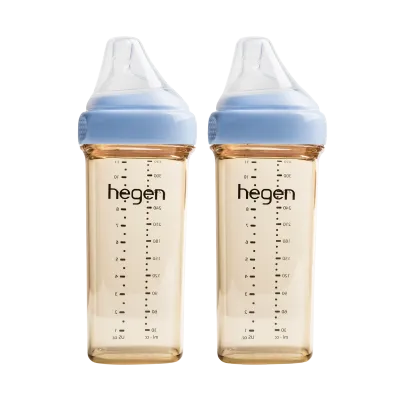
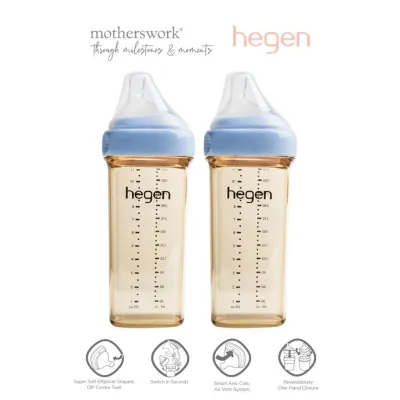
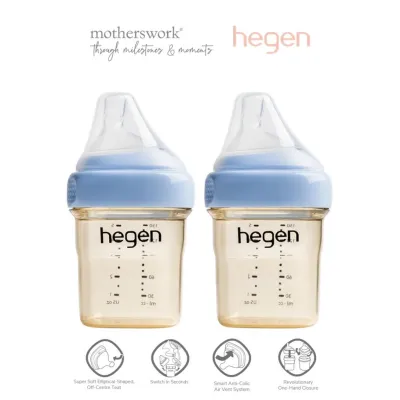
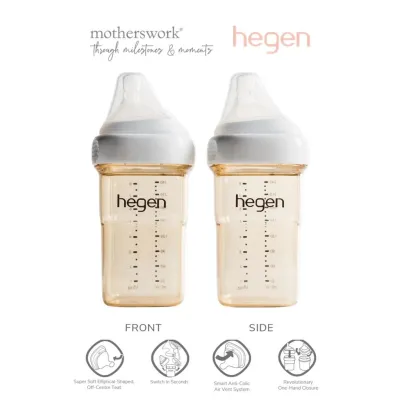
If you are trying to decide between a hegen bottle and a Pigeon PPSU bottle, the quick answer comes down to storage convenience, feeding posture, and nipple mechanics. Hegen features a unique square-round shape, an off-center nipple designed for upright feeding, and a modular, stackable storage system. Pigeon, on the other hand, relies on a classic cylindrical shape and its highly researched SofTouch peristaltic nipple, which is designed to mimic the natural wave-like motion of a baby’s tongue during breastfeeding.
While both options provide excellent chemical safety and heat resistance, your baby’s physical acceptance of the nipple is the ultimate deciding factor. Many parents find that infants transitioning frequently between breast and bottle have strong preferences for one nipple shape over the other. Examining the specific material characteristics, ergonomic designs, and maintenance requirements of each brand will help you select the system that integrates most seamlessly into your lifestyle.
Products mentioned in this guide
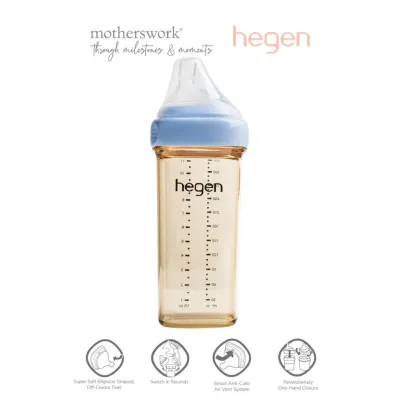
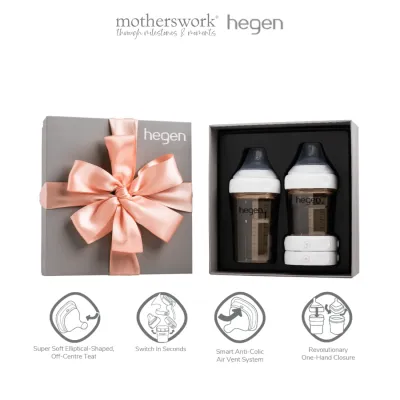
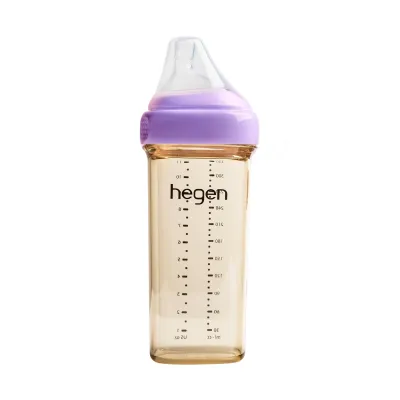
Prices are valid at publication and may change. Please refer to the product page for the latest price.
PPSU Material Quality: Comparing Hegen Bottle and Pigeon Durability
Polyphenylsulfone (PPSU) is widely regarded as the gold standard for plastic baby bottles due to its exceptional thermal stability and robust physical strength. Unlike standard polypropylene (PP) bottles, PPSU bottles feature a natural honey-colored or amber tint. This material is completely free from Bisphenol A (BPA) and Bisphenol S (BPS), ensuring that no harmful chemicals leach into your baby’s milk during preparation or sterilization.
When comparing the PPSU quality of Hegen and Pigeon, both brands utilize premium-grade polymers that can withstand repeated sterilization cycles without degrading. However, there are subtle differences in structural thickness and tactile rigidity. Hegen bottles generally feature thicker, more rigid walls, which give them a glass-like feel and excellent resistance to structural warping. Pigeon PPSU bottles are slightly more lightweight and flexible, which some parents prefer for reducing the overall weight of their diaper bags during outings.
The durability of both brands means they are highly resistant to cracking or breaking when dropped on hard surfaces, such as the ceramic tile floors common in Singapore homes. Over months of daily use, however, both materials will eventually show signs of wear. Micro-scratches from bottle brushes, cloudiness from mineral deposits in tap water, or a slight sticky texture indicate that the polymer structure is beginning to break down.
To maximize the lifespan of your bottles, you must verify the exact heat resistance limits and recommended replacement timelines printed on the manufacturer’s packaging. While PPSU itself can typically tolerate temperatures up to 180°C, the associated components—such as collars, caps, and silicone nipples—often have lower thermal limits. Regularly inspecting the bottle body under direct light will help you identify when it is time to transition to a fresh bottle, regardless of the brand you choose.
Bottle Shape and Ergonomics: Grip, Storage, and Cleaning
The physical geometry of a baby bottle impacts how easily you can hold it during late-night feeds, how much space it occupies in your kitchen, and how thoroughly you can clean it. Hegen’s signature ‘sqround’ (square-round) design is a radical departure from traditional bottle shapes. This square profile allows the bottles to be nested together when empty or stacked neatly with storage lids when filled, making them exceptionally space-efficient for compact Singapore kitchens and refrigerators.

In contrast, Pigeon utilizes a classic cylindrical wide-neck design. This traditional shape is highly ergonomic for both adult hands and developing infant fingers. The rounded, uniform circumference fits naturally into standard bottle warmers, diaper bag insulated pockets, and stroller cup holders without requiring specialized adapters. For babies who are beginning to hold their own bottles under close caregiver supervision, the cylindrical shape offers a familiar, easy-to-grasp surface from any angle.
Hegen’s design also features a ‘Press-to-Close, Twist-to-Open’ (PCTO) collar mechanism. Instead of the traditional screw thread, you press the collar down to lock it and give it a slight twist to release. This minimizes the risk of milk spillage caused by misaligned threads, which is a common frustration during exhausted midnight feeds. Pigeon uses a standard threaded screw cap, which requires a deliberate twisting motion to seal but provides a highly secure, time-tested closure that parents are globally familiar with.
When it comes to daily cleaning, the shape of the bottle dictates your maintenance routine. Hegen’s ultra-wide opening allows you to easily reach the bottom of the bottle with a standard sponge or hand. However, the square corners of the bottle require dedicated attention; milk residue can occasionally accumulate in the bottom corners if your bottle brush does not make direct contact. Pigeon’s cylindrical body has smooth, curved inner walls with no corners, allowing a standard rotating bottle brush to sweep away milk fats quickly and evenly without leaving blind spots.
Nipple Design and Anti-Colic Mechanisms for Smooth Feeding
The nipple is the most critical interface between your baby and the bottle, directly influencing latch success, milk flow, and gas prevention. Hegen bottles feature an off-center, elongated nipple that mimics the natural asymmetry of a mother’s breast. This off-center placement allows the nipple to remain filled with milk even when the bottle is held at a shallow angle, enabling your baby to feed in an upright position. Upright feeding is often recommended by pediatric professionals to reduce the risk of milk backflow into the middle ear and to minimize air ingestion.
Pigeon takes a different approach with its SofTouch Peristaltic Plus nipple. This nipple is the result of extensive research into infant sucking behavior, designed specifically to support the three key steps of natural feeding: latching on, peristaltic tongue movement, and swallowing. The nipple features a unique ‘latch-on line’ that guides caregivers on how far the baby should take the nipple into their mouth. It is constructed from incredibly soft, textured silicone that stretches and flexes in response to the wave-like motion of the baby’s tongue, making it highly compatible for mothers who are combining breastfeeding and bottle-feeding.
Anti-colic venting is integrated differently into each brand’s design to prevent vacuum buildup and reduce gas. Hegen utilizes a built-in anti-colic air vent located on the side of the nipple collar. This vent bypasses the milk entirely, allowing air to enter the back of the bottle and preventing bubble formation in the liquid. Pigeon employs its Air Ventilation System (AVS), which is a small, engineered valve located on the flange of the silicone nipple. This valve regulates air pressure during feeding, ensuring a consistent, bubble-free flow of milk as long as the collar is not overtightened.
Because every baby’s oral anatomy and sucking strength are unique, nipple preference is highly individual. Parents should carefully check the packaging for specific flow rate markings, age recommendations, and hole designs (such as round holes for younger infants or cross-cut/Y-cut designs for older babies who regulate flow through active sucking). If your baby shows signs of feeding distress, such as sputtering, excessive gas, or refusing the bottle, you should stop use and consult a lactation consultant or pediatrician to evaluate their latch and flow requirements.
Daily Maintenance and Sterilization Compatibility
Maintaining absolute hygiene is crucial when preparing infant feeding equipment, particularly in Singapore’s warm and highly humid climate. High humidity levels create an ideal environment for bacterial and mold growth, making thorough washing, sterilization, and drying essential steps in your daily routine. Both Hegen and Pigeon PPSU bottles are compatible with standard sterilization methods, including steam sterilization, boiling water, and ultraviolet (UV) sterilization.
While PPSU is highly resistant to heat, you must verify the specific manufacturer guidelines for sterilization durations and temperatures. For boiling water sterilization, both brands generally recommend submerging the disassembled plastic parts for no more than three to five minutes to prevent premature material fatigue. Over-boiling can weaken the silicone of the nipples and cause the plastic collars to lose their precise fit, which can lead to leaks during feeding.
UV sterilizers have become incredibly popular in modern households, but they require careful usage. Although PPSU is highly stable under UV light, repeated exposure can cause the amber plastic to darken over time and may accelerate the aging of silicone nipples, causing them to become sticky or brittle. Always check the instruction manuals for both your sterilizer and your specific bottle components to confirm the recommended cycle times.
After sterilization, immediate and complete air-drying is vital. Ensure all components are placed on a clean, elevated drying rack in a well-ventilated area. Avoid assembling the bottles while they are still damp, as trapped moisture can quickly lead to mold formation inside the collar threads or the anti-colic vent pathways. During daily washing, take a moment to gently inspect the small vent holes and nipple openings to ensure they are free from dried milk residue or tearing.
Final Decision Framework: Choose Hegen or Pigeon?
To finalize your decision between these two premium feeding systems, consider your household’s physical space, your baby’s feeding posture, and their latch preferences. Both brands offer exceptional safety and durability, meaning your choice should align with your specific lifestyle priorities.
Choose Hegen if:
- You have limited kitchen cabinet or refrigerator space and want a highly organized, stackable storage system.
- You prefer an upright feeding position for your baby to help manage reflux or minimize air intake.
- You want a modular system where bottle bodies can easily convert into breast milk storage containers or snack cups using alternative lids.
- You prefer an ultra-wide opening that allows for direct hand-cleaning without relying solely on specialized bottle brushes.
Choose Pigeon if:
- Your baby is transitioning between breast and bottle and prefers a highly flexible, textured nipple that mimics natural peristaltic tongue movement.
- You prefer a traditional, cylindrical bottle shape that fits easily into standard cup holders, bottle warmers, and diaper bag pockets.
- You want a widely available system where replacement nipples, collars, and accessories can be easily purchased at local pharmacies and supermarkets across Singapore.
- You prefer a classic, threaded screw-cap mechanism that provides a familiar and secure seal.
Before purchasing a complete multi-pack starter set of either brand, it is highly recommended to buy a single trial bottle. Infant oral preferences are highly specific, and verifying which nipple shape your baby accepts first will save you significant time and expense. If your baby has persistent feeding difficulties, gas, or shows signs of bottle refusal, consult a qualified healthcare professional or lactation specialist for personalized guidance.
Frequently Asked Questions (FAQ)
Can I mix Hegen and Pigeon bottles for the same baby?
While you can physically use both brands in your daily rotation, mixing different nipple shapes and flow dynamics can occasionally cause nipple confusion or latch inconsistency for some infants. The Hegen off-center nipple requires a different tongue placement and sucking angle compared to the highly flexible, centered design of the Pigeon SofTouch nipple. If you choose to use both brands, closely monitor your baby’s feeding comfort, milk intake, and signs of gas. If your baby begins to show signs of frustration or rejects one of the designs, it is best to standardize on the brand they accept most consistently.
How do I know when it is time to replace a PPSU bottle?
Even though PPSU is exceptionally durable, you should inspect your bottles regularly for physical signs of wear. Replace the bottle immediately if you observe persistent cloudiness that does not wash away, deep scratches on the inner walls, cracks, chips, or if the plastic develops a sticky or tacky texture. Additionally, you should always check the manufacturer’s recommended replacement timeline printed on the product packaging. Silicone nipples generally require more frequent replacement than the PPSU bodies, typically every two to three months, or immediately if you notice any tearing, thinning, or changes in the milk flow rate.
Community discussion
Share your experience or ask a question. Comments are reviewed before publication.