
Choosing the right baby bottle is one of the most significant early decisions for parents, especially when navigating the premium market where brands like Hegen compete with established glass and silicone alternatives. The choice often comes down to how a bottle’s material, shape, and nipple design align with your daily routine, storage space, and feeding goals. While some parents prioritize the lightweight durability of polyphenylsulfone (PPSU), others prefer the traditional purity of borosilicate glass or the soft, breast-like feel of medical-grade silicone. Understanding these differences, alongside the practical utility of options like a Hegen starter kit, helps you build an efficient feeding system that grows with your baby.
Evaluating these premium options requires looking beyond brand popularity to examine the physical properties of the materials and the functional mechanics of their designs. A bottle is not merely a container; it is an active tool in your feeding routine that affects milk flow, air ingestion, cleaning time, and storage organization. By comparing the structural advantages and material safety of each option, you can make an informed investment that minimizes waste and supports comfortable feeding sessions for your infant.
Comparing Premium Bottle Materials: PPSU, Glass, and Silicone
The material of your baby’s bottle dictates its durability, weight, heat tolerance, and overall lifespan. Premium bottles generally utilize three primary materials: polyphenylsulfone (PPSU), borosilicate glass, and medical-grade silicone. Each material presents distinct physical characteristics that suit different caregiving environments and sterilization preferences.
Products mentioned in this guide
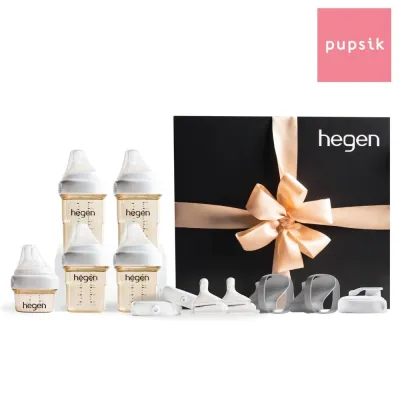
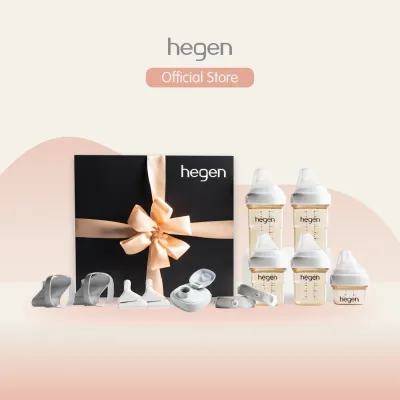
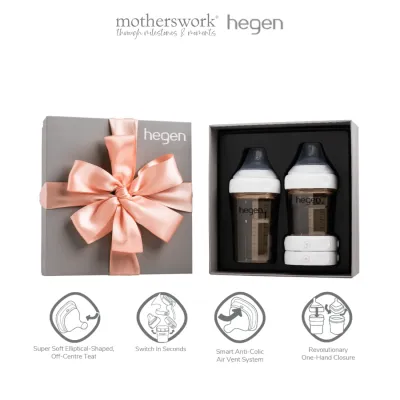
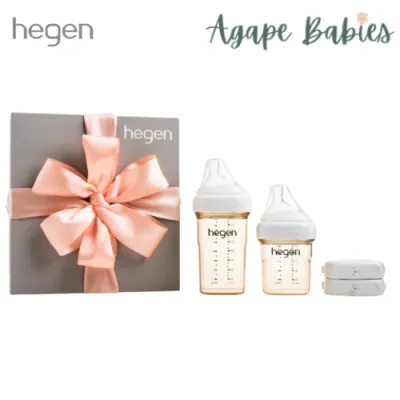
![[New] Hegen PCTO Complete Starter Kit PPSU (SG Exclusive Plus)](https://img.lazcdn.com/g/p/810d5f6de3ea12fe5b93cf887ac759f8.jpg_400x400q80.jpg_.webp)
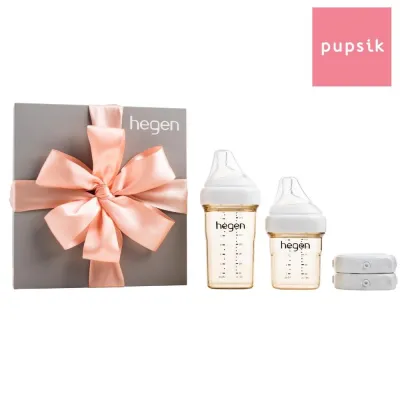
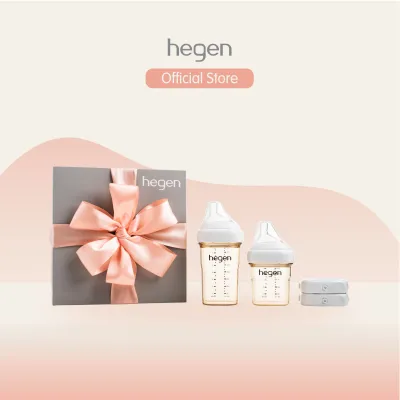
Prices are valid at publication and may change. Please refer to the product page for the latest price.
PPSU is a high-performance medical-grade plastic known for its signature amber tint. It combines the lightweight, shatterproof benefits of standard plastics with superior thermal durability. Unlike standard polypropylene (PP) bottles, PPSU can withstand repeated exposure to high temperatures without degrading quickly. This makes it highly compatible with various sterilization methods, though parents must always check the manufacturer’s specific temperature limits on the packaging.
Borosilicate glass is a traditional favorite for parents seeking a highly scratch-resistant and chemically inert material. Glass does not retain odors or stains from milk fats and offers excellent thermal shock resistance, allowing it to transition safely from cold storage to warm water. However, glass is significantly heavier than PPSU and silicone, making it more challenging for older infants to hold independently. It also carries a risk of breaking or chipping when dropped, requiring careful handling and regular inspection for hairline cracks.
Medical-grade silicone offers a soft, pliable texture that mimics the natural feel of skin, which some parents find helpful during the transition from breastfeeding. Silicone is lightweight, highly drop-resistant, and generally free from open pores that trap bacteria. However, its flexible body can sometimes feel unstable when mixing formula or measuring precise liquid volumes, and the material can attract lint or dust more easily than rigid alternatives.
When it comes to sterilization and maintenance, heat resistance limits vary widely across these materials. While glass and PPSU typically tolerate steam, boiling water, and UV sterilizers well, certain silicone components or bottle collars may have lower temperature thresholds. Always consult the manufacturer’s instructions before using UV sterilization, as some plastics and silicones can discolor or degrade faster under prolonged ultraviolet exposure.
The lifespan of these materials also differs. Glass bottles can theoretically last indefinitely unless chipped or cracked, whereas PPSU bottles generally require replacement after several months of heavy use and sterilization, signaled by visible cloudiness or fine scratches. Silicone bottles occupy a middle ground, but their nipples and soft bodies must be monitored closely for stickiness, tearing, or structural softening.
Design Differences: Shape, Nipple Placement, and Venting Systems
Beyond the raw materials, the physical architecture of a premium bottle directly influences how easy it is to feed your baby, clean the components, and store the bottles in your kitchen. Comparing Hegen’s square-shaped design with traditional round bottles highlights several practical trade-offs in daily usability.

The square-shaped bottle body, characteristic of Hegen, is designed primarily for space efficiency and ease of handling. Square bottles can be stacked neatly in a refrigerator or diaper bag, maximizing storage space in compact Singapore kitchens. The wide opening also simplifies the process of scooping formula powder without spills. However, square corners can sometimes require more deliberate brushing during cleaning to ensure no milk residue remains trapped in the bottom edges, whereas round bottles allow for a continuous, smooth sweeping motion with a standard bottle brush.
Nipple placement is another critical design variation. Traditional premium bottles typically feature a centered, symmetrical nipple, requiring the caregiver to tilt the bottle at a steep angle as it empties. In contrast, an off-center, asymmetrical nipple placement allows for a more upright feeding posture. This design keeps the nipple filled with milk even at lower tilt angles, reducing the risk of the baby swallowing air and making the transition between breast and bottle more natural for some infants.
Venting systems are engineered to minimize air ingestion, which is a common contributor to colic, gas, and spit-up. Traditional premium bottles often rely on complex venting mechanisms, such as internal straw-like tubes or multi-piece vent inserts, to channel air away from the milk. While highly effective at pressure equalization, these multi-part systems require meticulous cleaning with specialized miniature brushes and increase the assembly time before each feed.
Conversely, integrated venting systems utilize a simple built-in valve near the base of the nipple. This design eliminates the need for extra internal parts, significantly reducing cleaning effort and the risk of losing small components during sterilization. When choosing a venting style, parents must weigh the potential anti-colic performance of a multi-piece system against the daily convenience of a simplified, low-maintenance valve design.
Evaluating the Hegen Starter Kit vs. Building Your Own Setup
For parents considering the Hegen system, the primary entry point is often a starter kit. Evaluating whether to purchase a pre-packaged kit or assemble a customized bottle collection individually requires analyzing your baby’s immediate needs, growth trajectory, and your overall budget.
A typical premium starter kit, such as the hegen starter kit, generally bundles several bottle sizes (such as 150ml and 240ml), multiple nipple flow rates (slow and medium), storage lids, and sometimes transition accessories like breast pump adapters or drinking spouts. This comprehensive assortment is designed to support a newborn through their first several months of development, allowing the bottles to transition from milk storage to active feeding and eventually to snack containers.
To determine the financial value of a starter kit, parents should establish a clear calculation framework. List the individual retail prices of each component included in the kit in S$ and compare the cumulative total against the upfront cost of the starter kit. In many cases, the bundled kit offers a lower per-item cost than purchasing each bottle, nipple, and lid separately. However, this financial advantage only holds true if your baby successfully accepts the bottle design and you utilize the majority of the included accessories.
A common pitfall of starter kits is the inclusion of components that may become redundant. For example, if your baby prefers a faster nipple flow from the start, the slow-flow nipples included in the kit may go unused. Similarly, if you do not plan to express breast milk directly into the bottles, pump adapters may remain in their packaging. If your baby has specific feeding challenges or if you are unsure which bottle brand they will prefer, purchasing one or two individual bottles first is often a more practical approach before committing to a full starter kit.
How to Choose the Right Premium Bottle for Your Baby
Selecting the ideal premium bottle system depends on your family’s lifestyle, storage constraints, and your baby’s unique feeding behaviors. There is no single bottle that suits every infant, so matching your specific circumstances to the strengths of each design is the most reliable path forward.
You may want to choose Hegen if you prioritize space-saving, stackable storage and want a highly versatile system where bottles easily convert into airtight food storage containers using interchangeable lids. The lightweight, durable PPSU material is ideal for parents on the go who want to avoid the weight and breakage risks of glass while maintaining excellent heat resistance during sterilization.
Conversely, you might prefer another premium brand if your baby experiences severe colic and benefits from a specialized, multi-piece internal venting tube system. Traditional round bottles may also be preferable if you already own compatible sterilizers, warmers, or drying racks designed specifically for circular shapes, or if you strongly prefer the chemical inertness of heavy borosilicate glass.
Before making a final decision, always verify compatibility and sizing. If you plan to use third-party replacement parts, check the manufacturer’s guidelines, as premium brands rarely feature interchangeable nipples or collars. Furthermore, if you are transitioning your baby from breastfeeding, consult a lactation professional or pediatrician to check the appropriate nipple shape and flow rate, ensuring the bottle supports your baby’s developmental stage without causing nipple confusion or flow frustration.
Frequently Asked Questions (FAQ)
Can I use Hegen nipples on other premium bottle brands?
No, Hegen nipples are specifically designed to fit the brand’s unique square-shaped collars and are not compatible with round bottles from other premium brands. Attempting to stretch or force a nipple onto an incompatible collar can compromise the airtight seal, leading to persistent leaks, improper venting, and an inconsistent milk flow that can frustrate your baby. Always refer to the manufacturer’s official compatibility charts before attempting to mix components from different brands.
How often should I replace PPSU and silicone bottle parts?
While PPSU is highly durable, manufacturers generally recommend replacing the bottle bodies every six to twelve months, or sooner if you observe persistent cloudiness, deep scratches, or stubborn stains that do not wash away. Silicone nipples and soft components wear out much faster due to constant suction and biting; they should typically be replaced every two to three months. Regularly inspect all parts before feeding, and discard any components that show signs of tearing, stickiness, or structural weakness.
Community discussion
Share your experience or ask a question. Comments are reviewed before publication.