
Choosing the right baby bottle is a highly personal decision that directly impacts your infant’s digestive comfort and your daily routine. In Singapore’s fast-paced environment, parents often seek feeding systems that balance safety, ease of maintenance, and long-term utility. Hegen, Dr. Brown’s, and Comotomo represent three distinct design philosophies in the premium bottle market, each addressing colic, latching, and cleaning in unique ways. Rather than one universal winner, the ideal choice depends on your baby’s feeding style, your sterilization preferences, and how much time you can dedicate to daily cleanup.
Core Design Differences: Shape, Material, and Latch
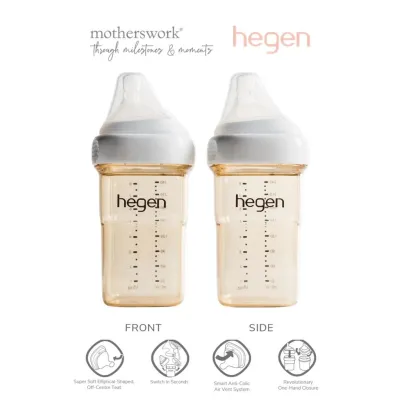
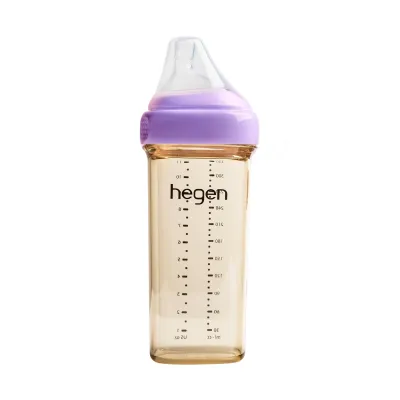
Hegen stands out with its patented square-round (“Sqround”) shape and off-center nipple design. This unique geometry allows for an ergonomic grip and prevents the bottle from rolling away when dropped. The off-center nipple mimics the natural angle of a mother’s breast, allowing for an upright feeding posture that reduces milk backflow. The bottle body is primarily made of Polyphenylsulfone (PPSU), a medical-grade plastic known for its high heat resistance and durability, which naturally takes on a warm honey-colored tint.
In contrast, Dr. Brown’s utilizes a traditional cylindrical silhouette that fits easily into standard bottle warmers and stroller cup holders. Their bottles are available in narrow and wide-neck options, allowing parents to choose based on their baby’s mouth size and latch preference. Dr. Brown’s offers these configurations in glass, polypropylene (PP), and PPSU, giving caregivers flexibility in weight and thermal shock resistance. The classic shape requires a traditional feeding angle, where the bottle must be tilted higher as the milk level decreases to keep the nipple filled.
Products mentioned in this guide
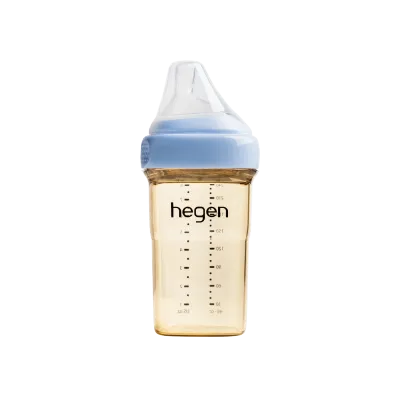
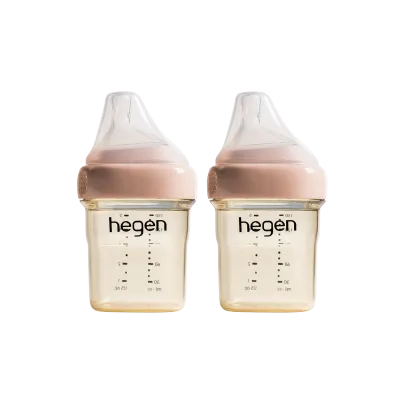
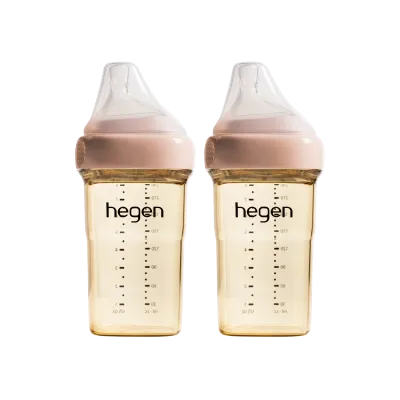
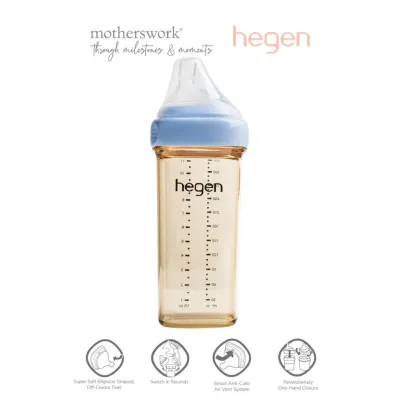
Prices are valid at publication and may change. Please refer to the product page for the latest price.
Comotomo takes a different approach by focusing on tactile familiarity. Its ultra-wide, bulbous body is made of medical-grade silicone, offering a soft, squeezable texture designed to mimic the skin-to-skin feel of breastfeeding. This squeezable nature can help babies transition between breast and bottle, as they can actively press the bottle just as they would during nursing. However, the wide base and flexible body mean it may not fit securely in all standard car seat cup holders or compact travel bags, and it requires a wider latch from the infant.
When selecting among these designs, parents should inspect the product packaging to verify the exact materials used in their chosen model. While PPSU and silicone offer excellent durability under high temperatures, standard PP bottles may require more frequent replacement due to surface scratches that can harbor bacteria over time.
Anti-Colic Mechanisms and Real-World Feeding Performance
Preventing excess air ingestion is a primary goal for modern bottle designs, but these three brands approach the challenge through vastly different engineering methods. Dr. Brown’s is widely recognized for its internal green vent system, which creates a fully vented, vacuum-free path for milk flow. Air enters the bottle collar and bypasses the milk entirely through a central tube, routing directly to the bottom of the bottle. This mechanism ensures that the baby swallows only liquid, reducing gas bubbles and vacuum pressure during feeds.

Hegen integrates its anti-colic mechanism directly into the silicone nipple itself. A built-in air vent near the collar allows air to escape away from the milk flow, preventing vacuum buildup without requiring any internal tubes or extra parts. This streamlined design relies on the natural pressure differential created during active sucking. Because the nipple is positioned off-center, the bottle does not need to be tilted at an extreme angle, keeping the nipple filled with milk even at low volumes and minimizing air intake.
Comotomo addresses colic through dual anti-colic vents located at the base of its wide silicone nipple. These small valves allow air to enter the bottle as the baby drinks, preventing vacuum collapse while keeping the milk flow consistent. The soft silicone body also naturally compresses slightly during feeding, which helps maintain a steady flow with minimal air resistance.
While each brand promotes its anti-colic technology, real-world performance varies significantly depending on your baby’s unique sucking strength, latch seal, and developmental stage. Parents should closely monitor their baby’s post-feed behavior, noting any changes in burping frequency, abdominal fussiness, or spit-up. If your infant exhibits persistent, severe colic symptoms, frequent projectile vomiting, or a sudden aversion to feeding, stop relying solely on bottle adjustments and consult a qualified pediatrician to rule out underlying digestive issues.
Daily Cleaning, Sterilization, and Maintenance Effort
The effort required to clean and sterilize baby bottles multiple times a day is a major factor in long-term parental satisfaction. Hegen’s square-round design and wide opening make it exceptionally easy to clean by hand. With no hard-to-reach corners or narrow necks, a standard sponge can easily reach the bottom of the bottle. Furthermore, because the anti-colic vent is molded directly into the nipple, there are no extra internal parts to wash, dry, and assemble, saving valuable time during late-night feeding cycles.
Comotomo bottles also feature an ultra-wide neck that allows parents to wash the interior thoroughly without needing a specialized bottle brush. The flexible silicone body can be turned slightly or squeezed to ensure every surface is clean. However, because silicone is naturally porous compared to glass or PPSU, it can sometimes retain a slight milk odor or cloudy residue if not washed immediately with hot, soapy water.
Dr. Brown’s, while highly effective at reducing gas, demands the most intensive cleaning routine. The internal vent system consists of a reservoir tube and an insert, both of which must be disassembled and cleaned individually after every feed. This process requires using a specialized, ultra-thin wire brush to clear milk residue from the narrow tube. Neglecting this detailed step can lead to hidden mold or bacterial buildup inside the vent components, posing a hygiene risk to your infant.
Sterilization compatibility is another critical maintenance check. While PPSU, glass, and silicone generally withstand high temperatures well, parents must cross-reference their specific bottle parts with the manufacturer’s official care instructions before using UV sterilizers, steam sterilizers, or boiling water. For instance, certain plastic components or silicone valves can degrade, warp, or discolor faster under intense UV light or prolonged boiling, potentially compromising the seal and causing leaks.
Price, Replacement Costs, and Long-Term Value
When evaluating the financial commitment of these premium brands, parents must look beyond the initial purchase price of a single bottle. In Singapore, starter sets and multi-packs represent a significant upfront investment, with prices fluctuating based on retail promotions and bundle configurations. A typical starter kit for any of these brands can range from S$40 to over S$120, making it essential to calculate the ongoing cost of replacement parts.
Nipples must be replaced every two to three months as your baby grows and requires a faster flow rate, or if they show signs of wear. Dr. Brown’s replacement parts are widely available, but the multi-piece vent system means there are more individual components—such as collars, inserts, and reservoir tubes—that may occasionally need replacing if lost or damaged. Comotomo’s replacement nipples are specific to their wide-neck design, and because the bottle body is silicone, the entire unit may need replacing if the silicone becomes permanently stained or sticky over time.
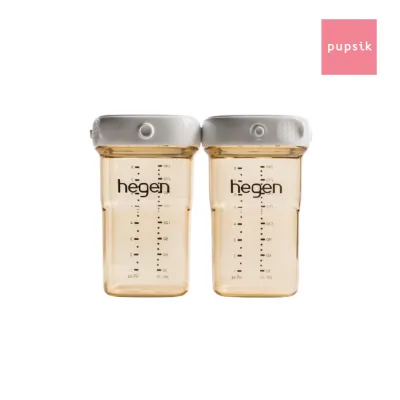
Hegen attempts to offset its high initial cost through a modular, multi-functional ecosystem. By purchasing separate lids, a Hegen bottle can easily transition into a breast milk storage container, a snack cup, or a sippy bottle as your child transitions to solid foods. This adaptability extends the usable lifespan of the bottle far beyond the infant stage, providing excellent long-term value for families looking to minimize household waste and clutter in compact living spaces. Parents should check current S$ pricing and bundle deals on official brand websites or authorized online marketplaces to find the most cost-effective options.
Final Decision: Which Premium Bottle Fits Your Needs?
Choosing between these three premium options ultimately comes down to matching their specific strengths with your family’s lifestyle and your baby’s physical needs. If your infant struggles with severe gas, reflux, or colic, and you do not mind spending extra time disassembling and scrubbing intricate parts, Dr. Brown’s remains a highly reliable choice due to its dedicated vacuum-free venting tube.
If your primary goals are rapid cleaning, space-saving storage, and a bottle that grows with your child, Hegen offers a highly efficient, modular PPSU system that simplifies daily kitchen chores. Its quick-press closure and multi-use lids make it ideal for busy parents who value streamlined organization.
If you are primarily breastfeeding and want to minimize nipple confusion, or if your baby prefers a soft, tactile bottle that feels similar to skin, Comotomo’s squeezable silicone design provides a natural transition. Its wide, simple structure also keeps cleaning straightforward without requiring specialized tools.
Verify first if your baby has specific latch difficulties, a strong preference for a particular nipple shape, or developmental challenges before purchasing a large quantity of any brand. Every infant’s oral anatomy is unique, and a bottle that works perfectly for one baby may be rejected by another. To avoid unnecessary expenses, always purchase a single bottle to test your baby’s acceptance and latch comfort before investing in a complete starter set.
Frequently Asked Questions (FAQ)
Can I mix and match bottles from these three brands?
No, you cannot mix and match components between Hegen, Dr. Brown’s, and Comotomo. The threading, collar diameters, and anti-colic venting mechanisms are highly proprietary and designed to work exclusively within each brand’s ecosystem. Attempting to force a Hegen nipple onto a Comotomo body or using a Dr. Brown’s vent tube in a different bottle will result in severe milk leaks, compromise the anti-colic function, and potentially create choking hazards if a loose part detaches during feeding. Always stick strictly to original manufacturer parts and verify compatibility charts before buying accessories.
Are silicone bottles like Comotomo safer than plastic ones?
Both medical-grade silicone and premium plastics like PPSU used by these brands are BPA-free and safe for infant feeding when they comply with standard consumer safety regulations. Neither material is inherently safer than the other; rather, they offer different physical properties. Silicone is highly shatterproof and soft, but it can absorb odors and degrade over time with frequent sterilization. PPSU is exceptionally hard, scratch-resistant, and handles extreme heat well, but it remains a rigid material. Always check the manufacturer’s stated maximum heat tolerance for your specific bottle model, and regularly inspect all bottles for signs of wear, discoloration, or tearing, replacing them immediately if damage is visible.
Community discussion
Share your experience or ask a question. Comments are reviewed before publication.