
Choosing the right baby bottle involves balancing material safety, durability, and daily convenience. Hegen has gained significant attention for its premium polyphenylsulfone (PPSU) construction and multi-functional square design, which allows bottles to transition into water bottles or food storage containers. In contrast, established brands like Philips Avent, Pigeon, and Dr. Brown’s offer a broader spectrum of materials, including traditional glass, polypropylene (PP), and their own PPSU variations.
Understanding how these materials compare in real-world conditions is essential for parents planning a long-term feeding strategy. While Hegen positions itself as a premium, highly durable option, the best choice ultimately depends on your sterilization habits, budget, and how your baby responds to specific nipple shapes and venting systems. By examining the physical properties of each brand’s offerings, you can select a bottle system that remains safe and functional throughout your child’s feeding journey.
Material Composition: Comparing PPSU, PP, and Glass
The foundational material of a baby bottle dictates its weight, heat tolerance, and resistance to physical damage. Hegen focuses almost exclusively on PPSU, a medical-grade thermoplastic known for its natural honey-colored tint. PPSU combines the lightweight, shatterproof benefits of plastic with the high temperature resistance and durability typically associated with glass.
Products mentioned in this guide
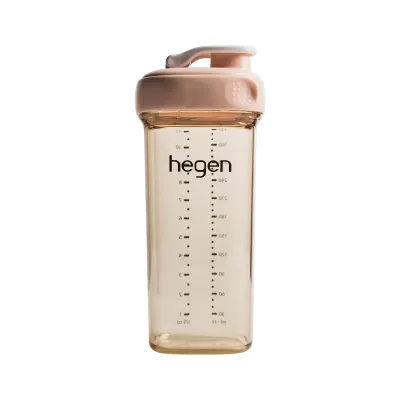
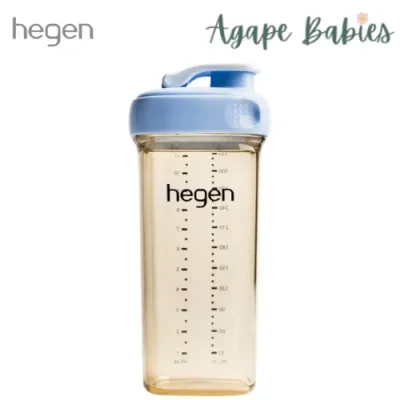
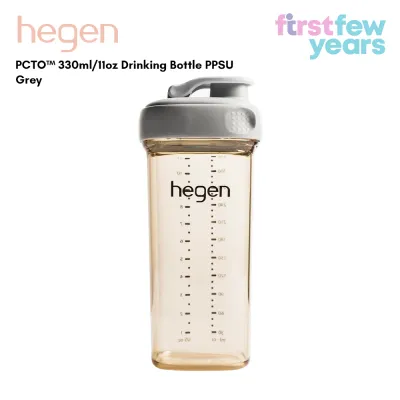
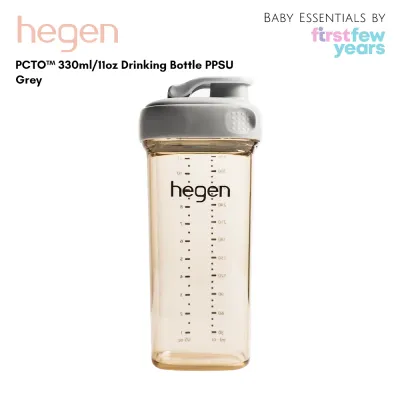
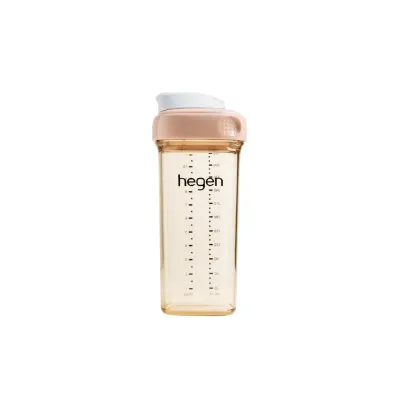
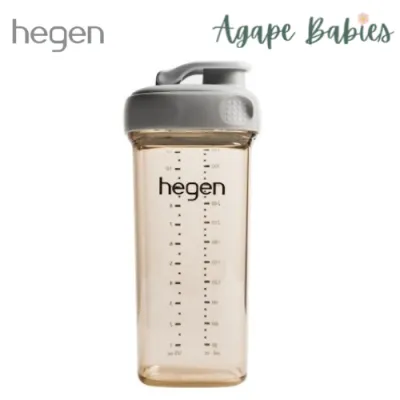
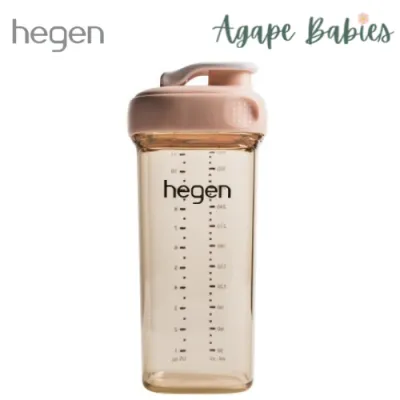
Prices are valid at publication and may change. Please refer to the product page for the latest price.
In comparison, brands like Philips Avent, Pigeon, and Dr. Brown’s provide parents with multiple material choices. Polypropylene (PP) is the most common and budget-friendly plastic option across these brands; it is lightweight and functional but has a lower temperature threshold and is more prone to scratching. Glass remains a popular alternative for Avent, Pigeon, and Dr. Brown’s users who prefer a completely inert, scratch-resistant material, though it introduces the risk of breakage and adds significant weight to a diaper bag.
When evaluating these options, parents should inspect product packaging to verify safety certifications and material grades. Look for clear labels indicating that the product is free from Bisphenol A (BPA) and Bisphenol S (BPS). Because manufacturing standards can vary by region, checking for compliance with recognized international standards, such as European Union regulations or local consumer product safety guidelines, provides an extra layer of assurance.
The trade-offs between these materials are practical and immediate. A lightweight PPSU bottle like Hegen or Pigeon’s premium line is highly portable and safe from drops on hard kitchen tiles. Conversely, a heavy glass bottle from Dr. Brown’s or Avent offers excellent longevity and resistance to clouding, but requires careful handling during late-night feedings.
Build Quality and Structural Durability
Beyond the raw materials, the physical design and assembly mechanisms of each bottle brand play a critical role in daily usability. Hegen features a distinctive square-round shape and a proprietary press-to-close, twist-to-open lid mechanism. This design eliminates traditional screw threads, allowing parents to secure the collar with a single hand-press, which minimizes the risk of cross-threading and subsequent leaks.

Traditional brands like Philips Avent, Pigeon, and Dr. Brown’s rely on classic screw-thread rings to secure the nipple to the bottle neck. While highly reliable when properly aligned, screw threads require precise twisting and can occasionally leak if the collar is overtightened or misaligned during a rushed assembly. Parents should regularly inspect these threads for signs of plastic warping or wear that could compromise the seal.
Structural durability also extends to the internal components of the bottle. Dr. Brown’s is famous for its multi-piece internal venting system, designed to channel air away from the liquid to reduce colic. While highly effective for many infants, these intricate silicone and plastic parts require careful handling, specialized cleaning brushes, and regular inspection for tears or structural degradation.
When assessing any bottle system, check the manufacturer’s specifications regarding drop resistance and structural integrity. Silicone nipple collars should feel firm yet flexible, and the connection between the nipple and the plastic collar must remain tight under pressure. If you observe any stretching, thinning, or loose fits during assembly, it is a clear indicator that the structural integrity has been compromised.
Long-Term Wear: Staining, Odors, and Micro-Scratches
Daily use, repeated washing, and exposure to breast milk or formula fats will inevitably cause baby bottles to age. PPSU bottles, including Hegen and Pigeon’s PPSU lines, exhibit superior resistance to staining and odor absorption compared to standard PP bottles. PP plastic is naturally more porous, meaning it can quickly adopt a cloudy appearance or retain a faint milk smell if not washed immediately after use.
Glass bottles from Avent or Dr. Brown’s perform exceptionally well in this category, as glass is non-porous and completely resistant to scratching, staining, and odors. However, all plastic bottles are susceptible to micro-scratches over time, especially if cleaned with abrasive wire brushes or harsh scrubbing pads. These tiny scratches can become breeding grounds for bacteria and make thorough cleaning increasingly difficult.
To monitor the condition of your bottles, establish a routine visual inspection checklist. Hold the bottle up to a bright light source to check for persistent cloudiness, deep scratches, or a rough interior texture. For silicone nipples, gently pull on the bulb to check for changes in elasticity, stickiness, or tiny tears around the feeding hole.
Rather than adhering to a strict calendar timeline for replacement, base your decisions on these observable conditions. A PP bottle may need to be replaced after a few months of heavy use if it shows significant scratching, while a high-quality PPSU or glass bottle can last much longer if maintained properly. However, silicone nipples should generally be replaced at the first sign of wear or when your baby requires a faster flow rate.
Sterilization and Daily Maintenance Limits
Sterilization is a vital step in maintaining infant feeding hygiene, but the high temperatures involved can accelerate material degradation if not managed correctly. PPSU bottles are highly resilient, often rated by manufacturers to withstand temperatures up to 180 degrees Celsius. This high thermal limit makes them compatible with steam, boiling water, and most UV sterilizers.
Standard PP bottles have a much lower thermal tolerance, typically around 110 degrees Celsius. Subjecting PP bottles to prolonged boiling or high-heat steam cycles can cause the plastic to warp, affecting the bottle’s seal and structural integrity. Always verify the specific temperature limits printed in your brand’s user manual before exposing components to heat.
UV sterilization has become increasingly popular in modern households, but it requires specific precautions. While PPSU and glass are highly stable under UV light, some manufacturers warn that prolonged UV exposure can accelerate the aging and discoloration of certain plastics and silicone nipples. Check the instruction manuals for both your sterilizer and your specific bottle brand to ensure compatibility.
If you ever encounter conflicting care instructions—such as a sterilizer manual claiming compatibility but the bottle manufacturer advising against a specific method—always defer to the bottle manufacturer’s guidelines. Operating outside the recommended maintenance limits can void warranties and, more importantly, compromise the safety of the feeding vessel.
Decision Framework: Which Brand Fits Your Routine?
Selecting the right bottle system requires matching the brand’s unique features with your household’s daily routine and your baby’s specific needs. If you prioritize a lightweight, highly durable bottle that can transition seamlessly into a water bottle or snack container as your child grows, Hegen’s PPSU system offers excellent long-term utility. Its stackable, square design is also highly efficient for organized storage in compact kitchens.
If your primary concern is managing severe infant colic, gas, or reflux, Dr. Brown’s specialized internal venting system is a highly regarded option. Although the multiple parts require more hands-on cleaning and maintenance, the targeted air-channeling design provides specific functional benefits that standard bottles may not replicate.
For parents who prefer the absolute purity of glass or want the convenience of widely available replacement parts, Philips Avent and Pigeon are excellent choices. These brands are easily found in local specialty baby stores and online marketplaces in Singapore, making it simple to purchase replacement nipples, collars, or extra bottles at short notice. They also offer a wider variety of nipple shapes and flow rates to accommodate changing feeding preferences.
Before making your final purchase, verify that your preferred daily sterilization method aligns with the care instructions of the bottle system you choose. Ensuring a harmonious match between your cleaning appliances and your baby bottles will save time, prevent premature material wear, and provide peace of mind during your feeding journey.
Frequently Asked Questions (FAQ)
Can I mix Hegen nipples and caps with other brand bottles?
No, Hegen nipples, collars, and caps are designed specifically for Hegen’s unique square-round bottle shape and are not compatible with round bottles from other brands like Avent, Pigeon, or Dr. Brown’s. Attempting to force components from different brands together compromises the leak-proof seal and can lead to spills or unsafe feeding angles. To ensure safety and proper milk flow, always stick to a single-brand ecosystem and use matching components.
How often should I replace PPSU baby bottles?
PPSU baby bottles do not have a strict expiry date and can last for a long time with proper care. However, you should replace them immediately if you observe deep scratches, persistent cloudiness, cracks, or a sticky texture on the plastic. While the PPSU bottle body is highly durable, the silicone nipples wear out much faster and should be inspected regularly and replaced at the first sign of thinning, tearing, or loss of elasticity.
Are square baby bottles harder to clean than round ones?
Square baby bottles are not necessarily harder to clean, provided you use the correct tools. Hegen’s square design features a wide mouth and smooth, rounded inner corners that allow easy access for cleaning brushes. When washing, use a soft sponge or a silicone bottle brush designed to reach into corners without scratching the plastic. Always perform a quick visual check after washing to ensure no milk residue remains in the inner corners.
Community discussion
Share your experience or ask a question. Comments are reviewed before publication.