
The Hegen teat 3 is designed as a fast-flow feeding option, typically recommended for babies aged six months and older who have developed stronger oral motor skills. While age guidelines offer a helpful baseline, transitioning to this teat size should always depend on your baby’s unique feeding behavior, developmental readiness, and comfort level. Understanding when and how to make this switch ensures your baby remains well-nourished without experiencing feeding fatigue or swallowing distress.
What Hegen Teat Size 3 Means: Flow Rate and Design
The Hegen teat 3 represents the “Fast Flow” tier within the brand’s structured feeding system. Unlike slower-flow alternatives designed for younger infants, this teat features a larger round-hole opening. This physical design allows a higher volume of liquid to pass through with significantly less sucking effort from your baby.
The primary function of this fast-flow design is to accommodate your baby’s growing appetite and efficiency. As infants mature, their oral motor skills strengthen, enabling them to swallow larger volumes of milk more quickly. The larger opening ensures they can complete their feeds in a comfortable timeframe rather than working excessively hard for every drop.
Products mentioned in this guide

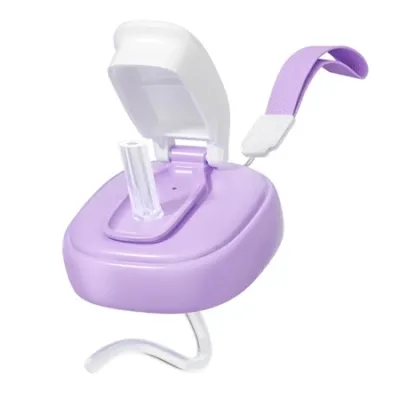

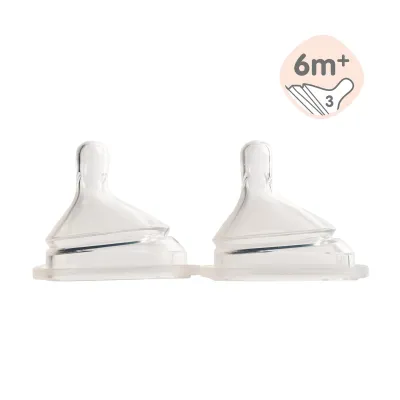
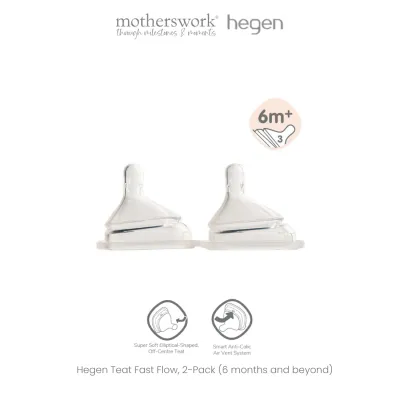
Prices are valid at publication and may change. Please refer to the product page for the latest price.
For parents managing busy schedules, a smooth feeding routine is highly practical. Because manufacturing updates can occur, always check the packaging and verify the flow rate indicators molded directly onto the silicone teat before introducing it to your child.
Recommended Age and Feeding Stage for Size 3
Manufacturers generally align the fast-flow teat with babies who are six months of age or older. This recommendation serves as a useful starting point for parents, but it should never be treated as a rigid, mandatory rule. Every infant develops at an individual pace, meaning oral coordination and swallowing strength vary widely from one child to another.

This stage is optimized for standard, thin liquids like expressed breast milk or formula. The round-hole design of the Hegen teat 3 lets these low-viscosity fluids flow smoothly, ensuring older babies requiring larger volumes do not become frustrated by a slow flow.
It is critical to note that the fast-flow teat is not suitable for thickened liquids, cereals, or purees. Attempting to feed thicker mixtures through a standard round-hole teat can lead to clogging, inconsistent flow, and a heightened risk of choking. If your pediatrician or a qualified healthcare professional has advised thickening your baby’s feeds for medical reasons, you must look for specialized Y-cut or variable-flow teats designed specifically for thicker consistencies.
Before making any changes to your baby’s feeding setup, always check the applied product’s label and the baby bottle manufacturer’s instructions. If these instructions conflict with other advice, or if you are unsure whether your baby’s oral motor skills are ready, stop and consult a qualified healthcare professional.
Signs Your Baby Is Ready to Upgrade to Size 3
Determining when to transition to a Hegen teat 3 should rely on observing your baby’s behavior rather than chronological age. A common cue is a prolonged increase in feeding times. If a feed that typically took 15 minutes now consistently stretches past 20 to 30 minutes, the current teat is likely too slow.
This prolonged effort often leads to feeding exhaustion. Your baby might fall asleep mid-feed before finishing their usual volume simply from the physical effort. Alternatively, they may become frustrated, fidgety, or fussy at the bottle, pulling away repeatedly only to cry for more.
Physical signs on the teat itself can also signal that it is time for an upgrade. If your baby has developed a very strong suck, you may observe the silicone teat frequently collapsing inward during feeds. This collapse happens because the liquid cannot exit the small hole fast enough to match the negative pressure created by the baby’s suction.
Additionally, older infants may begin biting or chewing on the teat during a feed. While this can sometimes indicate teething, in a feeding context, it often represents an attempt to widen the opening to get more milk. If you observe these persistent physical and behavioral signs, it is highly likely your baby is ready to transition to the fast-flow option.
Signs the Flow Is Too Fast and When to Step Back
While upgrading can resolve frustration, introducing the Hegen teat 3 too early can overwhelm an infant. Parents must watch for immediate signs of distress during feeds. Coughing, choking, gagging, or sputtering indicate the milk is entering the mouth faster than your baby can safely swallow.
Other common signs that the flow rate is too fast include milk consistently leaking or pooling from the corners of the baby’s mouth. You might also hear heavy, rapid gulping sounds, or notice that your baby is struggling to take natural breathing pauses during the feed. In some cases, a baby overwhelmed by the rapid flow may actively refuse the bottle altogether, turning their head away in distress.
If you observe any of these warning signs, you must take immediate action to ensure your baby’s safety. Stop the feeding session immediately, sit your baby in an upright position, and gently burp them to clear any swallowed air. Do not attempt to force your baby to adapt to a flow rate that causes physical discomfort or panic.
If these symptoms persist over consecutive feeds, it is best to step back down to a slower flow teat, such as the Size 2 medium-flow teat. Allow your baby’s swallowing coordination and oral muscles more time to mature before attempting the transition again. If you have ongoing concerns about your baby’s swallowing safety or feeding patterns, stop using the teat and consult a pediatrician or a qualified healthcare professional.
How to Transition to a Faster Flow Teat Safely
A successful transition to the Hegen teat 3 requires a gentle, patient approach to help your baby adjust to the increased velocity of the milk. When introducing the fast-flow teat for the first time, choose a feeding session when your baby is calm, alert, and not excessively hungry. Introducing a faster flow to a starving, frantic baby often results in aggressive sucking and rapid gulping, which increases the risk of choking.
Implementing paced bottle feeding techniques is highly beneficial during this transition period. Hold your baby in a semi-upright position rather than flat on their back, and keep the bottle relatively horizontal. This positioning prevents gravity from forcing the milk out too quickly, allowing your baby to actively draw the liquid in and maintain better control over the feeding pace.
During the first few feeds with the new teat, monitor your baby’s reactions closely. Look for a relaxed facial expression, steady breathing, and comfortable swallowing sounds. Ensure they are taking natural pauses to breathe throughout the feed. If they seem to handle the flow well without any sputtering or leaking, you can confidently continue using the fast-flow teat.
Frequently Asked Questions (FAQ)
Can I use Hegen Size 3 for a newborn?
No, you should not use a fast-flow teat like the Hegen teat 3 for a newborn baby. Newborns have highly delicate, developing swallowing reflexes and lack the airway protection mechanisms required to handle a rapid flow of milk. Using a fast-flow teat at this stage poses a severe risk of choking, milk aspiration, and overfeeding. Always start with the slowest flow teat recommended by the manufacturer for newborns, and only upgrade as your baby grows and demonstrates clear readiness signs.
What is the difference between Hegen Size 3 and Size 4?
The primary difference lies in the flow rate and the intended type of liquid. While the Size 3 teat is a fast-flow round-hole design meant for standard breast milk and formula, the Size 4 teat is designed to accommodate even faster feeding paces or slightly older toddlers. Additionally, some brands offer specialized thick-feed teats in their advanced sizes to handle thickened liquids. Always check the specific packaging and manufacturer guidelines to confirm compatibility with your baby’s age and the viscosity of the liquid you are serving.
How often should I replace the Hegen Size 3 teat?
As a general safety and hygiene practice, silicone teats should typically be replaced every three to six months. However, you should inspect the teat before every feed and replace it immediately if you notice any signs of wear. These warning signs include structural damage such as tears, cracks, bite marks, or stickiness, as well as discoloration. Furthermore, if the round hole has become stretched or enlarged over time, it will alter the intended flow rate and can present a sudden choking hazard. Always refer to the manufacturer’s care and sterilization instructions to maximize the lifespan and safety of your feeding equipment. If instructions conflict, or if you have specific feeding concerns, stop use and consult a qualified healthcare professional.
Community discussion
Share your experience or ask a question. Comments are reviewed before publication.