
Hegen straw accessories are designed to support your child’s transition from bottle-feeding to independent drinking. The primary components of these straw systems are constructed from high-quality food-grade liquid silicone rubber (LSR) for the flexible parts, alongside Polyphenylsulfone (PPSU) or Polypropylene (PP) for the rigid structural elements. These materials are widely chosen for their safety, durability, and lack of harmful chemical additives. However, ensuring your child’s safety requires more than just high-quality materials; it depends on correct age-appropriate usage, proper cleaning, and regular inspection for wear.
Before introducing a straw cup, parents must evaluate their child’s developmental readiness. While straw cups are generally introduced around nine months of age, individual oral motor skills vary. You should consult a pediatrician or a qualified pediatric feeding specialist if you have concerns about your baby’s ability to swallow safely. Always supervise your child closely during feeding sessions to prevent accidental injury or choking, and strictly follow the manufacturer’s age recommendations and safety warnings.
Identifying the Materials in Hegen Straw Accessories
To understand what goes into your infant’s mouth, you must first break down the Hegen straw accessory into its individual functional components. The system is not a single, molded piece of plastic; rather, it is a hybrid assembly designed to balance safety, comfort, and structural integrity. The soft, flexible upper straw—the part that directly contacts your baby’s lips and gums—is typically crafted from food-grade liquid silicone rubber. This material is selected specifically for its pliable, elastic texture, which minimizes the risk of oral injury if a toddler bumps the cup while drinking or bites down on the spout during teething.
Products mentioned in this guide
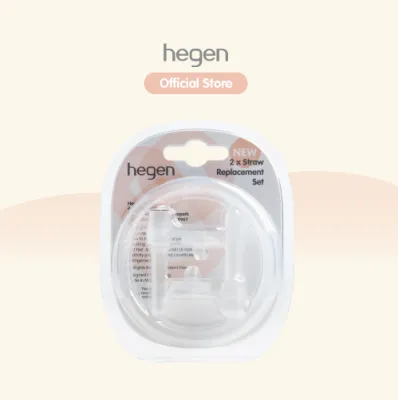
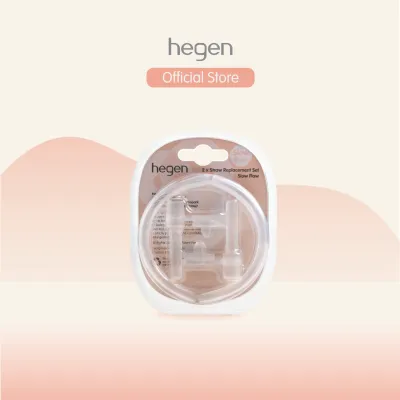
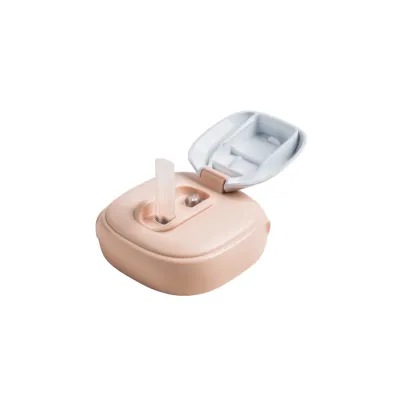
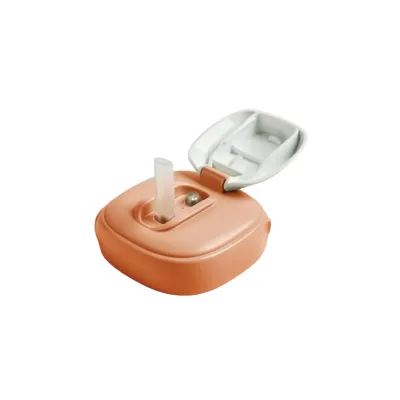
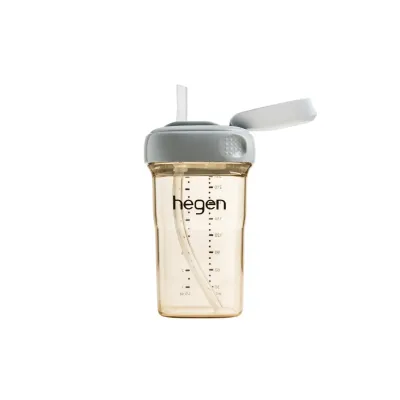
Prices are valid at publication and may change. Please refer to the product page for the latest price.
Beneath this soft mouthpiece lies the lower straw, which extends down into the bottle cavity to draw up liquids. Depending on the specific product design, this lower tube may also be made of silicone or a slightly more rigid, food-safe plastic. Connecting these flexible components to the bottle is the rigid collar and the flip-top lid assembly. These structural parts require a completely different set of physical properties. They must withstand the physical stress of being screwed tightly onto the bottle thread to maintain a leak-proof seal. Consequently, these parts are usually molded from high-performance thermoplastics such as Polyphenylsulfone or Polypropylene.
To verify these materials, parents must not rely on visual cues alone. Always examine the product packaging, the embossed material recycling codes on the underside of the plastic parts, and the official user manual. For example, PPSU is easily recognized by its signature natural amber or honey-colored tint, while PP is typically opaque or colored. However, because manufacturers may update product designs or material formulations over time, checking the specific batch packaging or the official brand website ensures you have the most accurate, up-to-date information for the exact accessory you own.
Understanding the functional division of these materials helps you appreciate why different parts require different care. A soft silicone tube cannot be treated the same way as a rigid PPSU collar during daily cleaning and sterilization. By identifying each component’s material composition, you can apply the correct maintenance techniques to preserve their physical properties and ensure they remain safe for your baby’s daily use.
Evaluating Safety Standards for Infant Feeding Materials
When assessing the safety of any baby product, the absence of harmful chemicals is the primary benchmark. Parents must verify that the product is explicitly labeled as BPA-free, BPS-free, phthalate-free, and PVC-free. These chemical compounds are known endocrine disruptors that can leach into liquids, especially when exposed to high temperatures during heating or sterilization. High-quality infant feeding accessories are engineered to bypass these risks entirely by utilizing chemically inert materials.

Food-grade silicone is highly stable. It does not react with acidic juices, milk, or water, nor does it support the growth of fungus, mold, or bacteria when properly cleaned. Its inert nature means it will not leach chemicals or alter the taste of your baby’s drink, providing a neutral and safe feeding experience. Similarly, PPSU is a medical-grade plastic renowned for its exceptional thermal stability and mechanical strength. It can withstand repeated sterilization cycles without degrading, cracking, or releasing microplastics, making it a highly reliable choice for long-term infant feeding.
To confirm these safety profiles, look for compliance with international safety standards on the packaging. Common benchmarks include compliance with the US Food and Drug Administration (FDA) regulations and European safety standards, such as EN 14350 for child use and care articles. These certifications indicate that the materials have undergone rigorous testing to ensure they do not leach harmful substances under normal conditions of use.
It is critical to understand that material safety is highly conditional. A material is only safe when used within its specified temperature limits and intended age range. Using a straw accessory before your baby has developed the necessary oral motor skills can lead to swallowing difficulties or choking, regardless of how safe the physical material is. Always supervise your child during use and consult a healthcare professional if you notice any persistent feeding difficulties.
Safe Cleaning, Sterilization, and Daily Maintenance
Cleaning a straw accessory requires a different approach than cleaning a standard bottle nipple due to the narrow, elongated design of the straw tube. You must use a dedicated, slim straw cleaning brush to physically scrub the interior of both the upper and lower straw components. Begin by disassembling all parts completely. Separate the silicone straw from the PPSU collar and the flip-top lid. Wash each component thoroughly in warm, soapy water using a mild, baby-safe detergent, paying special attention to the joints and valves where milk residue can easily accumulate.
In Singapore’s warm and highly humid tropical climate, bacteria and black mold can multiply rapidly in trapped moisture. After washing, you must sterilize the parts, but you must do so in strict accordance with the temperature limits specified in the Hegen user manual. If instructions conflict or if you are unsure of the material limits, stop and consult the manufacturer. PPSU parts can generally withstand high temperatures up to 180°C, making them compatible with steam, boiling water, and UV sterilization. However, silicone parts and PP caps may have lower thermal thresholds, often around 110°C to 120°C.
Exceeding these thermal limits can cause the silicone to become brittle or warp, and may cause PP plastics to degrade. If boiling, ensure the parts do not touch the hot bottom or sides of the pot, as localized temperatures can easily exceed the material’s melting point. If using a UV sterilizer, place the silicone parts on the upper racks and ensure they are dry first, as UV light can sometimes accelerate the discoloration or aging of certain plastics and silicone over prolonged cycles.
Once sterilized, allow all components to air-dry completely on a clean, elevated drying rack in a well-ventilated area. Do not reassemble the straw system while any moisture remains inside the tube, as this creates a perfect breeding ground for mold. If you detect any mold growth that cannot be thoroughly cleaned and removed, discard the affected parts immediately and replace them.
Recognizing Wear and When to Replace the Straw
Silicone is a soft material that is susceptible to wear, especially once your baby starts teething. You must establish a daily inspection routine before every single feeding. Gently stretch the silicone mouthpiece and inspect it under bright, direct light. Look for fine cracks, tears, bite marks, or punctures. Run your fingers over the surface to check for a sticky texture, extreme cloudiness, or a loss of elasticity, which are clear indicators that the polymer structure has begun to break down.
Using a damaged or degraded silicone straw poses immediate safety risks. Small pieces of torn silicone can detach during feeding, presenting a severe choking hazard. Additionally, microscopic cracks and tears can harbor stubborn bacteria that cannot be reached by a cleaning brush, potentially exposing your baby to gastrointestinal infections. If you observe any of these signs of degradation, stop using the straw immediately.
As a general guideline, manufacturers recommend replacing the silicone straw components every one to two months, or immediately upon detecting any signs of wear. The rigid PPSU collar and lid can last longer but should still be replaced if you notice deep scratches, warping, or a loose fit that compromises the leak-proof seal. Regular replacement ensures that the feeding system remains hygienic and structurally sound.
To guarantee material authenticity and safety compliance, always purchase replacement straws and accessories directly from authorized retail channels, official brand boutiques, or trusted local distributors in Singapore. Counterfeit products sold on unauthorized online marketplaces often bypass safety testing and may contain toxic materials or fail to fit securely, posing a direct risk to your child’s health.
Frequently Asked Questions (FAQ)
Can I boil Hegen straws for sterilization?
Yes, you can generally boil the silicone and PPSU components of Hegen straw accessories, but you must follow specific precautions to prevent material damage. Always check the official user manual to verify the precise temperature limits of each individual component before applying heat. Boil the parts in a generous amount of water for no longer than three to five minutes, ensuring that no part comes into direct contact with the hot metal surfaces of the pot, which can cause localized melting or warping. If you notice any warping or changes in the material texture after boiling, stop using the parts immediately and consult the manufacturer.
Are Hegen straws compatible with other bottle brands?
Hegen straw accessories are specifically engineered to fit the unique square-round design and proprietary thread dimensions of Hegen bottles. They are not universally compatible with standard round bottles or other major bottle brands. Attempting to force the straw or collar onto a non-compatible bottle can ruin the thread alignment, cause severe leaks, and compromise the airtight seal required for safe feeding. Always use the straw accessories exclusively with the matching Hegen bottle system to ensure safety and performance, and check the manufacturer’s instructions if you are unsure about model compatibility.
Community discussion
Share your experience or ask a question. Comments are reviewed before publication.