
Hegen storage bottles are primarily made of Polyphenylsulfone, commonly known as PPSU. This high-performance thermoplastic has gained significant popularity in the baby care industry because it combines the lightweight convenience of plastic with the robust durability and heat resistance typically associated with glass. For parents navigating the daily complexities of breast milk storage, choosing the right bottle material involves balancing safety, longevity, and daily usability.
Understanding the specific properties of PPSU, and how it compares to alternative materials like glass and polypropylene (PP), can help you make an informed decision for your feeding routine. By evaluating these materials across practical dimensions—such as durability, weight, heat tolerance, and ease of cleaning—you can select the option that best aligns with your lifestyle, budget, and storage needs.
Identifying the Material of Your Hegen Storage Bottle
To verify the exact material of your storage bottles, you can look for specific physical markings and labels on the product itself. On the base of a Hegen bottle, you will typically find an embossed recycling triangle containing the number 7, which is the classification code for “Other” plastics, often accompanied by the letters “PPSU” molded directly into the plastic. The original packaging will also clearly state the material composition, safety certifications, and manufacturing details, which you should verify to ensure product authenticity.
Products mentioned in this guide
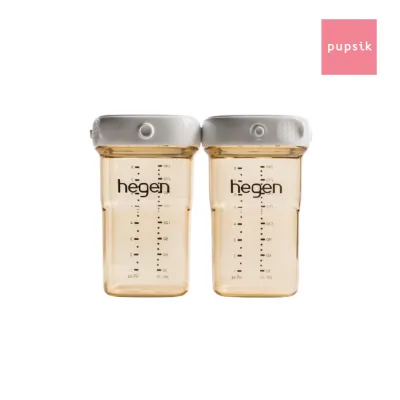
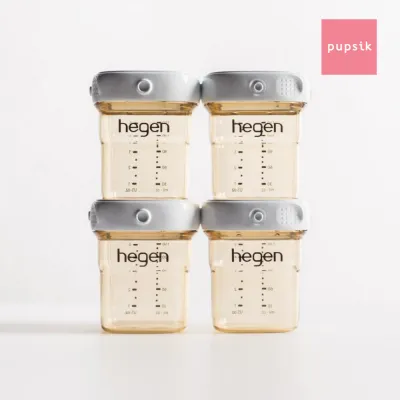
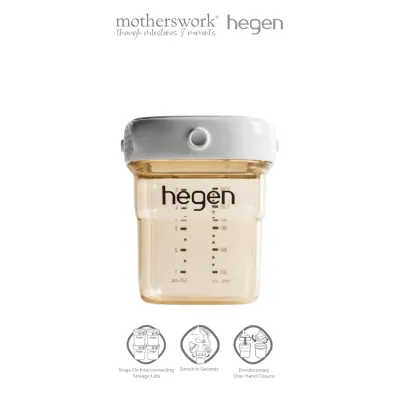
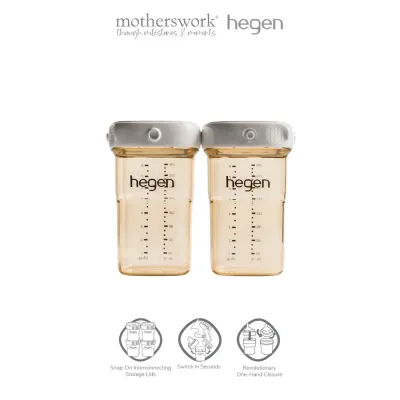
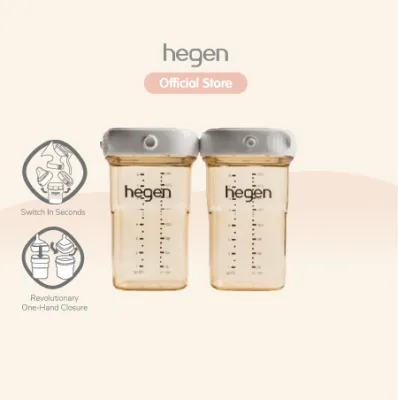
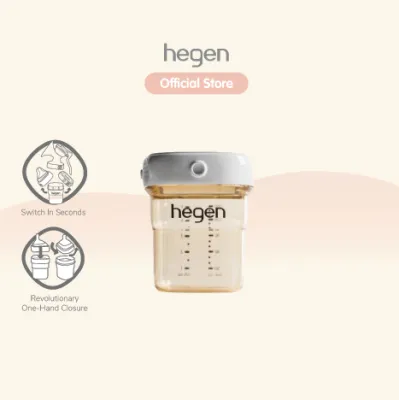
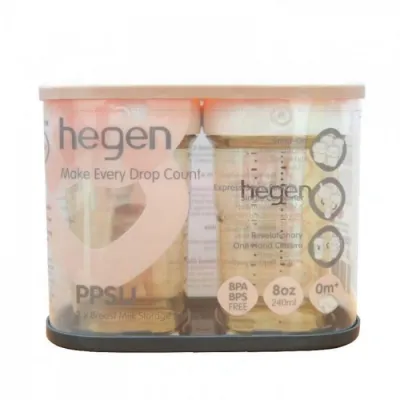
Prices are valid at publication and may change. Please refer to the product page for the latest price.
Aside from molded markings, PPSU has a highly distinct visual appearance. Unlike standard clear glass or cloudy, semi-translucent plastics, raw PPSU possesses a natural amber or honey-colored tint. This warm, golden hue is an inherent characteristic of the polymer and is not the result of added dyes or colorants.
From a material science perspective, Polyphenylsulfone is a medical-grade sulfone polymer. It is engineered to withstand extreme temperatures and repeated sterilization cycles without undergoing rapid structural degradation. This high level of molecular stability makes it an ideal choice for medical devices, aerospace components, and premium infant feeding products that require frequent, rigorous sanitization.
PPSU vs. Glass vs. Regular Plastic for Breast Milk Storage
When deciding on a material for breast milk storage, evaluating how PPSU, glass, and regular plastic perform under daily wear and tear is essential. Each material presents distinct physical characteristics that affect how easily you can pump, store, transport, and warm your milk.

Durability and Shatter Resistance
One of the primary advantages of PPSU is its exceptional impact resistance. If a PPSU bottle is dropped onto a hard kitchen floor or a bathroom tile, it is highly unlikely to break, crack, or shatter. In contrast, glass bottles are inherently fragile; a single accidental drop can shatter the container, resulting in lost breast milk and a hazardous cleanup. Regular plastics, such as polypropylene (PP), are shatterproof and flexible, but they are much softer than PPSU, making them highly susceptible to surface scratches where bacteria and milk fat residues can accumulate over time.
Weight and Handling
For parents who pump on the go, carry bottles to the office, or transport milk to infant care centers, the physical weight of the storage container is a major practical consideration. Glass bottles are significantly heavier than plastic alternatives, which can make diaper bags and cooler bags heavy and cumbersome to carry during a daily commute. PPSU bottles are lightweight and highly portable, offering the durability of glass without the physical bulk, while regular PP bottles are similarly lightweight but lack the long-term structural rigidity of PPSU.
Clarity and Measurement
Accurately tracking breast milk volume is crucial for monitoring your baby’s intake. Glass bottles offer pristine, crystal-clear transparency, making volume markings highly legible. Regular PP bottles tend to be translucent or slightly cloudy, which can make reading the measurements more difficult, especially in low-light conditions or after repeated washing. PPSU bottles maintain high transparency despite their signature amber tint, ensuring that molded or printed volume markings remain clearly visible throughout the lifespan of the bottle.
Heat Resistance and Sterilization
Breast milk storage bottles must undergo frequent sterilization, requiring excellent thermal tolerance. Glass handles high temperatures exceptionally well but can experience thermal shock and crack if subjected to rapid temperature changes, such as moving directly from a cold freezer to boiling water. Regular PP plastic has a lower thermal threshold, typically around 110°C, which can lead to warping or degradation over time with frequent high-heat exposure. PPSU boasts outstanding thermal stability, often tolerating temperatures up to 180°C. This high limit makes it compatible with steam, boiling water, and UV sterilizers, though you must always verify the specific sterilization limits in both the bottle manufacturer’s instructions and your sterilizer appliance manual.
Matching the Material to Your Pumping and Storage Routine
Choosing between PPSU, glass, and regular plastic ultimately depends on your daily lifestyle, storage habits, and budget. No single material is universally superior; rather, each serves different practical scenarios.
PPSU is highly practical for active, on-the-go lifestyles. If you frequently commute, travel, pump at work, or rely on daycare providers and multiple caregivers to handle bottles, the lightweight and shatterproof nature of PPSU provides peace of mind and ease of transport. It is also well-suited for parents who want a long-lasting bottle system that can transition from storage to feeding with the simple addition of a teat collar.
Glass remains an excellent option for stationary home storage or long-term deep freezing. If you primarily pump and feed at home, or if you prefer to avoid plastic contact entirely, glass is a classic, highly hygienic choice. Because glass is non-porous, it does not absorb odors or colors from food, and it can be sterilized indefinitely without material degradation, provided it is handled carefully to prevent breakage.
Regular plastic (PP) is a highly functional, budget-friendly choice for short-term storage or low-frequency use. If you need to build a large temporary storage stash without a significant upfront investment, PP bottles or disposable breast milk storage bags are practical options. However, because PP wears out faster than PPSU and glass, these bottles will require more frequent replacement if used daily.
When evaluating costs, PPSU bottles represent a premium upfront investment, often costing more in S$ per bottle than standard PP alternatives. However, because PPSU is highly durable and resists scratching and clouding, a single PPSU bottle can outlast multiple PP bottles. Balancing this upfront cost against the long-term replacement frequency can help you determine which material offers the best value for your specific feeding journey.
Cleaning, Sterilizing, and Knowing When to Replace PPSU Bottles
Proper maintenance is key to ensuring the longevity, hygiene, and safety of your PPSU storage bottles. Because breast milk contains natural fats and proteins that can cling to container walls, establishing a consistent cleaning routine is essential.
To wash PPSU bottles, disassemble all parts, including collars and lids, and rinse them in cold water first to prevent milk proteins from coagulating. Wash the parts in warm water using a mild, baby-safe detergent. Always use a soft silicone brush or a gentle sponge; avoid abrasive nylon bristles, wire brushes, or metal scouring pads, as these can create micro-scratches on the plastic surface. Allow the components to air dry completely in a clean, well-ventilated area.
Regularly inspect your bottles under good lighting to assess their physical condition. Use this simple checklist to evaluate wear and tear:
- Visual inspection: Check for persistent cloudiness that does not wash away, deep scratches, or localized discoloration.
- Tactile inspection: Run your finger along the inner and outer surfaces to feel for cracks, chips, rough patches, or a sticky texture.
- Structural check: Ensure the bottle neck and threads remain undistorted so that lids and collars seal tightly without leaking.
If you observe deep scratches, structural cracks, a sticky surface texture, or severe discoloration, these are clear stop-conditions indicating that the bottle should be retired. Deep scratches can harbor bacteria and milk residue that are difficult to sanitize, while cracks compromise the structural integrity of the bottle. Always cross-reference your cleaning and sterilization methods with the manufacturer’s guidelines and your sterilizer’s manual to prevent premature aging of the material.
Frequently Asked Questions (FAQ)
Can I freeze breast milk directly in PPSU bottles?
Yes, PPSU bottles are generally suitable for freezing temperatures due to their excellent thermal shock resistance. However, because liquids expand as they freeze, you must always leave at least an inch of empty space at the top of the bottle to prevent pressure buildup and potential leaking. Always verify the manufacturer’s specific temperature limits and freezing guidelines before placing filled bottles in the freezer.
Does PPSU contain BPA or other harmful chemicals?
PPSU is inherently free from Bisphenol A (BPA), Bisphenol S (BBS), and other harmful plasticizers due to its specific chemical structure as a sulfone polymer. It does not require these chemical additives to achieve its strength or flexibility. To ensure safety and regulatory compliance, always verify safety claims, certifications, and material standards by checking the product packaging and official brand specifications.
Why is my PPSU bottle turning cloudy or changing color?
Minor cloudiness or a slight shift in color can occur over time due to mineral deposits from hard water during steam sterilization, or from natural pigments and fats in breast milk adhering to the plastic. While mild discoloration is often cosmetic and harmless, you should inspect the bottle closely. If the cloudiness is accompanied by a sticky texture, deep scratches, or a rough surface, it indicates material wear, and the bottle should be replaced.
Community discussion
Share your experience or ask a question. Comments are reviewed before publication.