
Quick Answer: Which Bottle Material Suits Your Feeding Routine?
Choosing the right baby bottle is a highly personal decision that directly impacts your daily caregiving routine. There is no single “best” material on the market; instead, the ideal choice depends on your baby’s developmental stage, your primary feeding environment, and your personal preferences for cleaning and sterilization. By understanding how different premium materials perform, you can select a bottle system that minimizes stress and supports your baby’s growth.
For parents who prioritize a lightweight, highly durable, and travel-friendly option, polyphenylsulfone (PPSU) is an exceptional choice. The popular hegen 240ml PPSU bottle is designed specifically for active families, offering a shatterproof body and a unique ergonomic shape that simplifies storage and handling. It bridges the gap between the lightweight convenience of plastic and the safety profile of more traditional materials, making it a favorite for outings and transitions to independent holding.
Alternatively, medical-grade silicone is highly suited for babies who are transitioning from breast to bottle or those learning to self-feed. Its soft, squeezable texture mimics the natural feel of skin, providing tactile comfort while remaining virtually indestructible when dropped. Borosilicate glass, on the other hand, remains the gold standard for strictly at-home feeding where maximum scratch resistance, chemical purity, and ease of cleaning are valued above weight and impact resistance.
Products mentioned in this guide
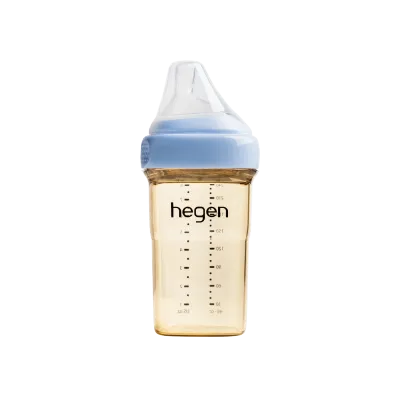
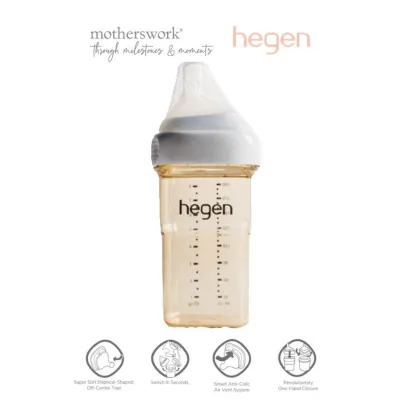
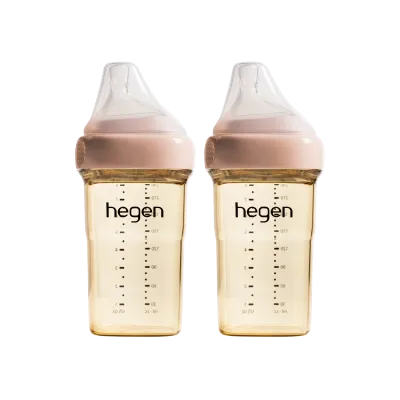
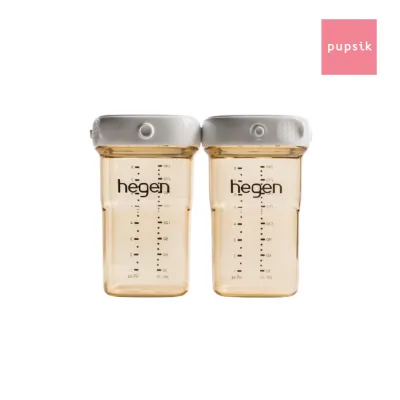
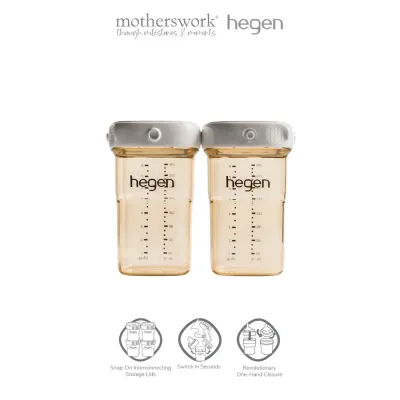
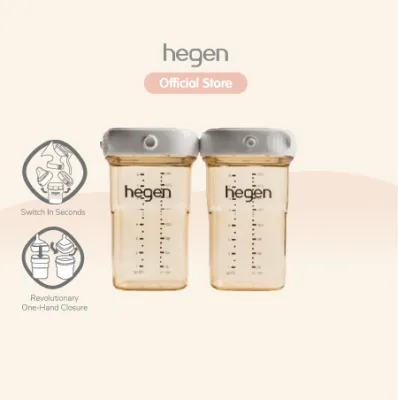
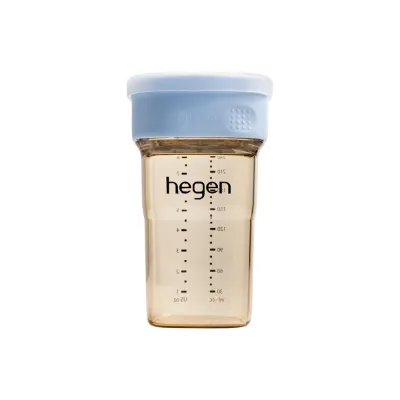
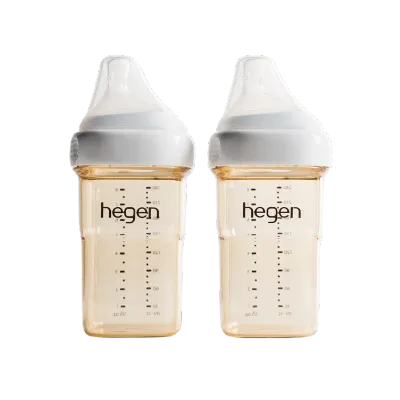
Prices are valid at publication and may change. Please refer to the product page for the latest price.
Before making your final selection, always verify the specific product labels, age recommendations, and manufacturer guidelines for any bottle you purchase. If your baby experiences persistent feeding difficulties, consult a pediatrician or a certified lactation consultant for tailored advice.
Material Profiles: Hegen PPSU, Silicone, and Glass Explained
To make an informed decision, it is essential to understand the physical and chemical properties of the three leading materials used in premium baby bottles today. Each material offers distinct structural characteristics that affect how the bottle feels, wears, and responds to heat.

PPSU (Polyphenylsulfone) – The Hegen Standard
PPSU is a high-performance, medical-grade thermoplastic widely utilized in medical devices and aerospace engineering due to its extreme durability and high heat resistance. It is distinguished by its natural amber or honey-colored tint, which indicates that the material is free from artificial colorants. Unlike standard plastics, PPSU does not easily absorb odors or stains and can withstand repeated sterilization cycles without structural degradation.
Hegen leverages these unique properties to construct its signature square-to-round (“Sqround”) bottle shape. This ergonomic design is engineered to mimic the natural shape of a mother’s breast, helping to ease the transition between breast and bottle feeding. In larger capacities, such as the hegen 240ml size, PPSU provides a rigid, structurally stable frame that is exceptionally lightweight, allowing older infants to grip the bottle securely. Caregivers should always check the manufacturer’s documentation to verify the exact temperature limits for their specific sterilization equipment.
Medical-Grade Silicone
Medical-grade silicone is a flexible, rubber-like polymer known for its purity, flexibility, and soft texture. Premium silicone bottles are typically molded as a single continuous piece or paired with a minimal plastic collar to prevent leaks. The defining characteristic of silicone is its pliable, skin-like feel, which offers a familiar tactile experience for breastfed infants.
This squeezable nature allows parents to gently compress the bottle body to assist with milk flow or help pace a feed. Because silicone is inherently elastic, these bottles are completely shatterproof and highly resistant to impact. However, this extreme flexibility can sometimes represent a double-edged sword; very young infants with developing motor skills may struggle to hold a soft silicone bottle without accidentally squeezing it too hard, which can collapse the nipple or cause an unexpected rush of milk.
Borosilicate Glass
Borosilicate glass is a specialized type of glass that incorporates boron trioxide, making it highly resistant to thermal shock. Unlike standard soda-lime glass, borosilicate glass can transition from extreme cold to intense heat—such as moving from the refrigerator directly into a bottle warmer—without cracking or shattering. It is a completely natural, non-porous material that represents the pinnacle of chemical purity.
Because of its non-porous surface, borosilicate glass does not absorb milk fats, food colors, or strong odors, ensuring that the bottle remains perfectly clear and hygienic throughout its lifespan. The primary trade-off of glass is its physical weight and fragility. It is significantly heavier than both PPSU and silicone, making it difficult for infants to hold independently, and it will break if dropped onto hard surfaces like tile or concrete, necessitating careful handling or the addition of a protective silicone sleeve.
How PPSU, Silicone, and Glass Perform in Daily Use
Evaluating how these materials perform under real-world conditions helps clarify which bottle will integrate most smoothly into your family’s lifestyle. From surviving accidental drops to handling late-night cleaning sessions, each material demands a different level of care.
Durability and Drop Resistance
Accidental drops are an inevitable part of the bottle-feeding journey, especially as babies develop their grip and begin exploring self-feeding from high chairs or strollers. PPSU and silicone offer superior impact resistance compared to glass, making them highly practical for active households. A PPSU bottle can survive repeated impacts on hard kitchen floors without cracking, though its exterior may gradually develop minor cosmetic scuffs over months of continuous use.
Silicone is virtually indestructible when it comes to drops, bouncing harmlessly off any surface. However, silicone is vulnerable to sharp objects; baby teeth, sharp utensils, or aggressive cleaning tools can puncture or tear the material, compromising its integrity. Glass requires constant adult supervision and is best reserved for caregiver-held feeding. Even thermal-shock-resistant borosilicate glass can crack or shatter if dropped from a high chair onto a hard surface, presenting a safety hazard that requires immediate cleanup.
Weight and Ergonomics for Baby-Led Feeding
The weight of a bottle becomes a critical factor as your baby transitions to independent feeding, typically around six months of age. When filled with 240ml of milk or formula, the physical weight of a borosilicate glass bottle can exceed 400 grams. This added weight can cause rapid arm fatigue for an infant, often discouraging them from holding the bottle themselves and requiring caregivers to support the weight throughout the feed.
PPSU serves as an ideal middle ground for baby-led feeding. A hegen 240ml bottle remains remarkably lightweight even when full, allowing infants to lift, tilt, and control the bottle with ease. Its rigid square shape provides natural flat surfaces that are much easier for tiny hands to grasp compared to traditional round bottles, preventing the bottle from rolling away when set down on a flat surface.
Silicone bottles are also lightweight, but their lack of structural rigidity can complicate independent feeding. If an infant grips a soft silicone bottle too tightly, they may compress the body and force an excess volume of milk into their mouth, disrupting their natural swallowing reflex. Caregivers should assess their baby’s motor skill development and grip strength when deciding between a rigid lightweight bottle and a soft, flexible one.
Cleaning, Sterilization, and Scratch Resistance
Maintaining strict hygiene is paramount for protecting your baby’s developing immune system. Borosilicate glass is the undisputed leader in scratch resistance and long-term hygiene. Because its surface is incredibly hard, it resists scratches from bottle brushes, meaning there are no microscopic crevices where bacteria, milk fats, or soap residues can accumulate over time.
PPSU is highly durable but softer than glass, making it susceptible to micro-scratches if scrubbed aggressively with stiff nylon brushes. To maintain the hygienic integrity of a PPSU bottle, caregivers should use soft sponge brushes or silicone brushes and replace the bottle body if deep scratches or persistent cloudiness develop. Silicone is the most porous of the three materials; in humid climates, it can easily absorb strong scents from dish soaps or milk fats, occasionally developing a sticky exterior film if not washed with a specialized, fragrance-free baby bottle cleanser.
Sterilization requirements vary by material and brand design. While glass and PPSU can generally withstand UV sterilization, steam, and boiling water, some silicone components or plastic collars may have lower temperature thresholds. Always refer to the manufacturer’s guidelines to ensure your sterilization method does not prematurely degrade the bottle components.
Temperature Retention and Heating
How a bottle transfers and retains heat affects both preparation time and the feeding experience. Borosilicate glass has high thermal conductivity, allowing milk to warm up rapidly and evenly when placed in a hot water bath or bottle warmer. However, glass also loses heat quickly once removed from the heat source, which can result in the milk cooling down before a slow-feeding baby finishes their meal. Caregivers must also handle warm glass bottles carefully to avoid burning their own hands.
PPSU and silicone act as natural insulators, transferring heat more slowly than glass. While this means it may take a few extra minutes to warm a cold bottle of breast milk, the bottle will retain its warmth much longer during the feed, keeping the milk at an appealing temperature for longer periods. Additionally, the exterior of PPSU and silicone bottles remains comfortable and cool to the touch, reducing the risk of accidental burns.
Regardless of the material you choose, never heat baby bottles in a microwave, as this can create localized “hot spots” in the milk that can burn your baby’s mouth. Always shake the bottle thoroughly and test the temperature of the milk on the inside of your wrist before offering it to your child.
Quick Comparison: PPSU vs. Silicone vs. Glass
The following table provides a direct comparison of the physical properties and practical performance of PPSU, silicone, and borosilicate glass in premium baby bottles.
| Material | Weight (at 240ml capacity) | Drop Resistance | Scratch Resistance | Odor/Stain Retention | Best For |
|---|---|---|---|---|---|
| PPSU (Hegen) | Lightweight | High | Medium | Low | Active families, travel, and baby-led feeding |
| Silicone | Lightweight | High | Low (vulnerable to tears) | High | Babies transitioning from breast, self-feeding |
| Borosilicate Glass | Heavy | Low | High | None | At-home feeding, maximum hygiene, and easy cleaning |
Note: Specific functional features, such as anti-colic venting systems, latch-supportive nipple shapes, and assembly mechanisms, are determined by the manufacturer’s proprietary design and are not solely a function of the bottle’s base material.
Decision Guide: Is the Hegen 240ml PPSU or Another Material Best for Your Baby?
To select the right bottle material, align the physical properties of each option with your daily routine, feeding environment, and baby’s developmental stage.
- Choose PPSU (e.g., Hegen 240ml) if: You need a highly durable, lightweight, and travel-friendly bottle that easily slips into a diaper bag for outings. It is ideal if you want to encourage independent, baby-led feeding as your child grows, and you appreciate a stackable, space-saving square design that fits neatly into compact kitchen cabinets.
- Choose Silicone if: Your baby is transitioning from breastfeeding to bottle-feeding and benefits from a soft, skin-like bottle body that they can squeeze for comfort. It is also an excellent option if you want a completely shatterproof bottle for active self-feeding phases where drops are frequent.
- Choose Glass if: You primarily feed your baby at home, prioritize a completely scratch-resistant and non-porous material that never retains odors or stains, and do not mind the heavier weight and the need for careful handling and adult supervision.
- Verify first if: Your baby suffers from severe colic, reflux, or latch issues. In these scenarios, the bottle's physical material is secondary to the nipple flow rate, shape, and the effectiveness of its anti-colic venting system. If feeding difficulties persist, consult a pediatrician or a certified lactation consultant for professional guidance.
Many parents find that a hybrid approach works best for their lifestyle. For instance, you might use borosilicate glass bottles at home for overnight feeds due to their ease of cleaning, and switch to lightweight PPSU or silicone bottles for daycare, travel, and stroller outings.
Cleaning, Sterilizing, and When to Replace
Proper maintenance is essential for ensuring that your baby’s bottles remain hygienic and safe over months of continuous use. Establishing a consistent cleaning routine helps prevent the buildup of bacteria and extends the lifespan of the materials.
To clean your bottles effectively, always disassemble all components completely, including the nipple, collar, bottle body, and any anti-colic valves. Rinse each part with cold water immediately after feeding to prevent milk proteins from drying and sticking to the surfaces. Wash all parts thoroughly in warm water using a dedicated, soft-bristled baby bottle brush and a mild, fragrance-free dish detergent. Avoid using harsh abrasive pads or stiff nylon brushes on PPSU and silicone, as these can cause micro-scratches.
Before sterilizing, check the manufacturer’s instructions for specific temperature and time limits. While high-quality PPSU and borosilicate glass can withstand high temperatures, certain silicone parts or plastic accessories may degrade if exposed to prolonged boiling or intensive UV sterilization cycles.
Inspect your bottles regularly for physical signs of wear and replace them immediately if you observe any of the following conditions:
- PPSU: Replace the bottle if you notice persistent visual cloudiness, deep micro-scratches that feel rough to the touch, or a significant change in the natural amber tint.
- Silicone: Replace the bottle immediately if you detect physical tears, punctures, a persistent sticky surface film that cannot be washed off, or a strong, permanent odor.
- Glass: Replace the bottle immediately at the first sign of any chip, hairline crack, or deep scratch, particularly around the collar threading or the base, as these can compromise structural integrity and cause leaks or injuries.
- Nipples: Regardless of the bottle material, silicone nipples are subject to heavy wear and tear from sucking and biting. Inspect them daily by pulling on the bulb, and replace them every 1 to 2 months, or immediately if you notice thinning, stickiness, or tears.
Frequently Asked Questions (FAQ)
Can I mix PPSU, silicone, and glass bottles for the same baby?
Yes, it is completely safe and often highly practical to mix materials, provided your baby easily accepts the different weights and nipple shapes. Many parents use borosilicate glass bottles at home for overnight feeds due to their ease of cleaning, and switch to lightweight PPSU or silicone bottles for daycare and travel. To ensure a smooth transition between bottles, try to keep the nipple shape and flow rate as consistent as possible across different brands.
How do I know when it is time to replace a PPSU or silicone bottle?
Unlike glass, which can last indefinitely if undamaged, both PPSU and silicone naturally degrade over time from repeated washing, heating, and sterilization. For PPSU bottles, inspect them for visual cloudiness, a chalky texture, or deep scratches. For silicone bottles, check for physical tears, swelling, or a sticky surface film. Always check the manufacturer’s official guidelines for recommended replacement timelines, which typically range from 6 to 12 months for bottle bodies depending on usage frequency.
Community discussion
Share your experience or ask a question. Comments are reviewed before publication.