
When preparing for a new baby, choosing the right feeding bottle can feel surprisingly complex. The market is filled with options ranging from budget-friendly plastics to premium medical-grade materials. Among these, Polyphenylsulfone (PPSU) has emerged as a highly popular choice, particularly through premium brands like Hegen. However, the higher price tag often leaves parents wondering if the investment is truly necessary.
The premium price of PPSU bottles is generally justified for parents who prioritize lightweight durability, long-term versatility, and ergonomic convenience. If your household budget allows, a PPSU bottle offers a shatter-resistant design that can transition into a toddler water bottle or food storage container. This multi-use capability provides excellent long-term value compared to single-purpose bottles.
For households on a tighter budget, standard plastic remains a highly viable and safe option, provided you are willing to replace the bottles more frequently as they show signs of wear. Meanwhile, glass is the ideal choice for caregivers who prefer a completely plastic-free feeding experience and do not mind the added weight or the risk of breakage. Ultimately, the material difference justifies the cost if you value a bottle that grows with your child.
Products mentioned in this guide
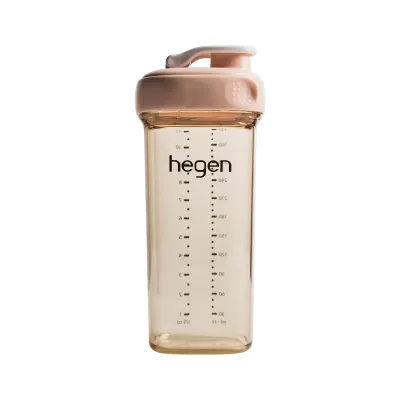
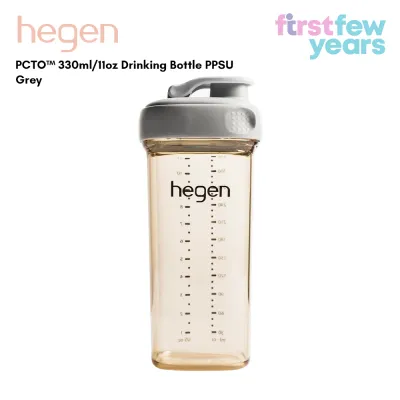
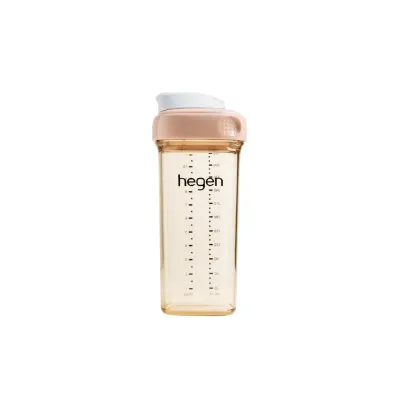
![[SG In Stock] Hegen PCTO™ 330ml/11oz Drinking Bottle PPSU](https://img.lazcdn.com/g/p/b011c394a7f9f754ee9e2847f3ab5afb.jpg_400x400q80.jpg_.webp)
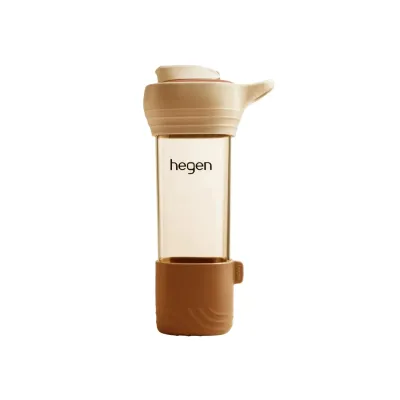
Prices are valid at publication and may change. Please refer to the product page for the latest price.
Material Breakdown: PPSU, Glass, and Standard Plastic
To make an informed decision, it is essential to understand the physical and practical differences between PPSU, glass, and standard plastic. Each material has distinct characteristics that affect how they perform during daily feeding, cleaning, and sterilization routines.
PPSU (Polyphenylsulfone) is a high-performance, medical-grade thermoplastic known for its natural amber or honey-colored tint. This material is exceptionally lightweight yet highly durable and shatter-resistant. It can withstand repeated exposure to high temperatures during sterilization without degrading. Because of its robust nature, PPSU does not absorb odors or stains as easily as standard plastics, making it a popular choice for long-term use. Always check the manufacturer’s packaging for specific temperature limits and sterilization guidelines.
Glass is a traditional favorite for parents seeking a completely plastic-free feeding option. It is naturally resistant to scratching, odors, and discoloration, ensuring a highly hygienic surface for milk. However, glass bottles are significantly heavier than plastic alternatives, which can make self-feeding more challenging for older babies. They also carry a risk of cracking or shattering if dropped on hard surfaces. To mitigate this risk, many caregivers choose to purchase protective silicone sleeves, which add to the overall cost and weight of the bottle.
Standard plastic bottles, typically made from Polypropylene (PP) or Polyethersulfone (PES), are the most widely available and budget-friendly options. They are lightweight and easy for babies to hold, but they are more susceptible to micro-scratches from bottle brushes. Over time, these micro-scratches can harbor bacteria or milk residue, and the plastic may become cloudy or yellowed. Consequently, standard plastic bottles require more frequent inspection and replacement compared to PPSU or glass.
To help you compare these materials at a glance, evaluate them across these key physical traits:
| Feature | PPSU (e.g., Hegen) | Glass | Standard Plastic |
|---|---|---|---|
| Weight | Very Light | Heavy | Very Light |
| Durability | High (Shatter-resistant) | Low (Can break if dropped) | Moderate (Scratches easily) |
| Heat Tolerance | High (Verify on packaging) | Very High | Moderate (Verify on packaging) |
| Lifespan Indicator | Replace if deeply scratched | Replace if chipped or cracked | Replace every few months or when cloudy |
Practical Decision Factors for Daily Feeding
How a bottle material fits into your daily routine is just as important as its physical properties. From sterilization methods to ergonomic design, daily usability plays a major role in determining which bottle is right for your home.

Cleaning and sterilization routines vary significantly depending on the material you choose. Always verify the specific sterilization methods approved by the manufacturer, whether you use boiling water, steam, or ultraviolet (UV) sterilizers. For example, while glass and PPSU are highly resilient under various sterilization methods, prolonged UV exposure can accelerate the degradation of certain standard plastics. Checking the product manual ensures you do not inadvertently shorten the lifespan of your bottles.
Weight and ergonomics are crucial factors as your baby grows and begins to show interest in holding their own bottle. A heavy glass bottle can be difficult and tiring for a small baby to grasp, potentially delaying their transition to independent feeding. In contrast, lightweight materials like PPSU and standard plastic are much easier for tiny hands to maneuver, promoting self-feeding skills under caregiver supervision. Always verify the appropriate age range, development stage, and caregiver supervision requirements in the product documentation before introducing a new bottle or transition lid.
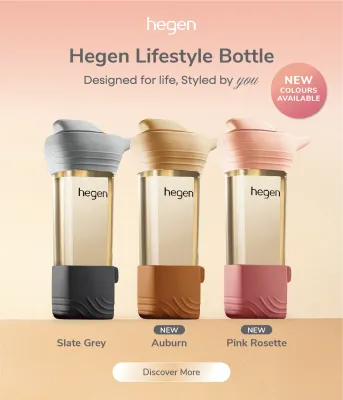
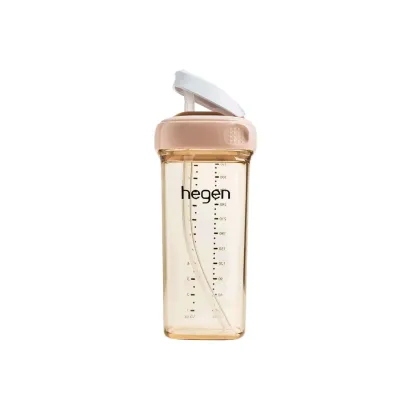
Multi-use design and longevity are where premium brands often stand out. For instance, the Hegen system is designed with a modular lid mechanism that allows the same PPSU bottle base to serve multiple purposes. By swapping the feeding teat for a spout lid, the bottle easily transitions into a toddler water bottle. You can also use storage lids to convert the container into a breast milk storage unit or a snack cup. This adaptability extends the product’s useful life far beyond the infant stage, helping to offset the initial premium price.
Regardless of the material you select, establishing a regular inspection routine is vital for your baby’s safety. Examine each bottle under good lighting for visual signs of wear and tear. Look for deep scratches, cracks, chips, persistent cloudiness, or stubborn odors that remain after thorough washing. If you detect any of these issues, stop using the bottle immediately and replace it to maintain a hygienic feeding environment.
Evaluating the Price Premium and Long-Term Value
When evaluating the price premium and comparing costs in S$, look beyond the initial purchase price to calculate the long-term value. A higher upfront cost can sometimes result in lower overall spending over your child’s feeding journey.
Standard plastic bottles are highly affordable at the outset, but their susceptibility to scratching and cloudiness means they must be replaced regularly. Over a year or more of continuous use, the cost of repeatedly purchasing replacement plastic bottles can add up. On the other hand, a high-quality PPSU or glass bottle can last through the entire infancy stage and even be reused for subsequent siblings, provided they are cared for according to the manufacturer’s instructions and remain free of damage.
To determine the true value for your family, consider the “cost per use” and the compatibility of the brand’s ecosystem. If a premium bottle system allows you to transition the container into a water bottle or food storage jar, you avoid the need to buy separate toddler drinkware later. This multi-functional design can make a premium system more economical in the long run.
When you are ready to purchase, look for current prices, starter sets, and bundle deals on official brand websites or authorized e-commerce platforms in Singapore. Purchasing bundles is often a practical way to secure a complete set of bottles, teats, and storage lids at a lower unit cost. Always purchase from authorized retailers to ensure you receive genuine products. Counterfeit bottles sold by unauthorized third-party sellers may use unverified materials that do not meet safety standards, posing a risk to your baby. Always check the packaging to verify compliance with local safety standards and food-grade certifications.
Which Bottle Material Should You Choose?
Choosing the right bottle material ultimately depends on your lifestyle, budget, and feeding priorities. Use this decision framework to guide your final choice.
Choose PPSU if:
- You want a lightweight, highly durable bottle that can withstand frequent sterilization.
- You plan to transition the bottle into a toddler water bottle or snack container to maximize its lifespan.
- You have the budget for a higher upfront investment in exchange for long-term versatility and convenience.
Choose Glass if:
- You prefer a completely plastic-free feeding experience for your baby.
- Most of your feeding takes place at home, where the risk of dropping bottles on hard outdoor surfaces is minimized.
- You do not mind the heavier weight and are willing to use protective silicone sleeves.
Choose Standard Plastic if:
- You are looking for an affordable, lightweight option for daycare, travel, or occasional use.
- You are comfortable with inspecting and replacing the bottles regularly as they show signs of wear.
- You prefer to minimize your initial financial outlay.
Verify first if:
- Your baby experiences specific feeding challenges, such as reflux, colic, or latch difficulties. In these situations, the shape of the nipple, the flow rate, and the effectiveness of the anti-colic venting system are far more critical to feeding success than the bottle material itself. If your baby experiences persistent feeding difficulties, consult a pediatrician or a qualified lactation consultant for personalized guidance.
Frequently Asked Questions (FAQ)
Can I mix and match different bottle materials for my baby?
Yes, mixing different bottle materials is a common and practical approach for many families. You might choose to use glass bottles at home for a plastic-free feeding routine, while keeping lightweight PPSU or standard plastic bottles in your diaper bag for outings and travel. If you decide to mix materials, ensure you keep track of the specific care, sterilization, and replacement guidelines for each bottle type. Keep in mind that some babies are sensitive to changes in weight and temperature retention, so they may notice the transition between a heavier glass bottle and a lighter plastic or PPSU bottle.
Does the amber color of PPSU mean it is dirty or degraded?
No, the distinct amber or honey-like tint of PPSU is a natural characteristic of the raw medical-grade material. It is not an indication of staining, milk residue, or material degradation. Parents transitioning from clear glass or standard plastic bottles often mistake this natural coloration for wear, but it is completely normal. You should only be concerned about discoloration if you are using standard clear plastic bottles that have turned yellow, cloudy, or opaque over time, as this typically indicates heat damage, fat residue buildup, or material breakdown that requires immediate replacement.
Community discussion
Share your experience or ask a question. Comments are reviewed before publication.