
When selecting baby bottles, parents often focus heavily on the bottle body, yet the collar—the screw-on ring that secures the teat—plays an equally critical role in feeding safety and hygiene. While Hegen’s premium polyphenylsulfone (PPSU) collar is frequently highlighted for its durability, determining whether it is inherently safer than standard collars from other brands requires looking beyond the material name. True feeding safety depends on how well a material resists degradation under daily sterilization, how easily it can be cleaned, and whether caregivers adhere to proper maintenance and replacement schedules.
In Singapore, where high humidity and frequent steam or ultraviolet (UV) sterilization are standard in most households, bottle components undergo significant physical stress. A collar that warps, cracks, or degrades not only risks leaking hot liquid during a feed but can also harbor bacteria in microscopic crevices. Understanding the physical properties of PPSU compared to common alternatives like polypropylene (PP) helps parents make an informed decision tailored to their daily kitchen routines and sterilization setups.
Decoding Bottle Collar Materials: PPSU vs. Common Alternatives
To evaluate safety, we must first examine the polymer science behind the two primary materials used for bottle collars: Polyphenylsulfone (PPSU) and Polypropylene (PP). PPSU is a high-performance medical-grade thermoplastic known for its distinct honey-colored tint, exceptional toughness, and high thermal stability. In contrast, PP is a semi-crystalline commodity plastic that is typically opaque or clear, widely used across the baby product industry due to its low production cost and versatility.
Products mentioned in this guide
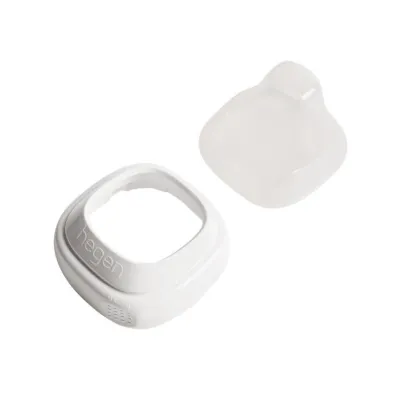
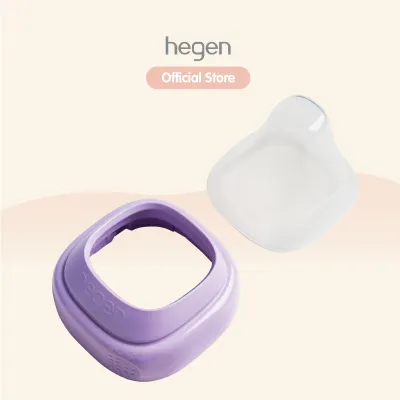
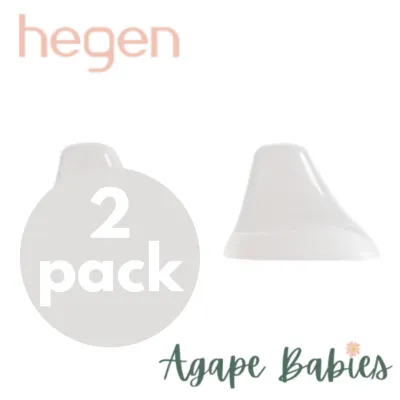
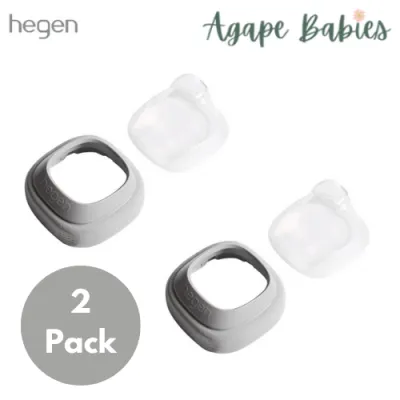
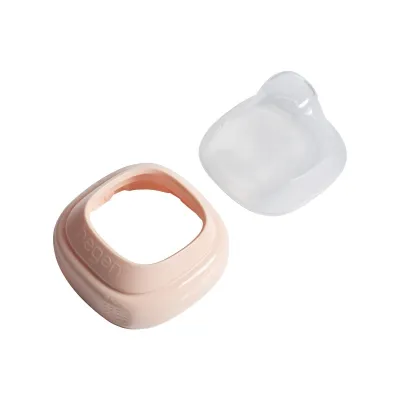
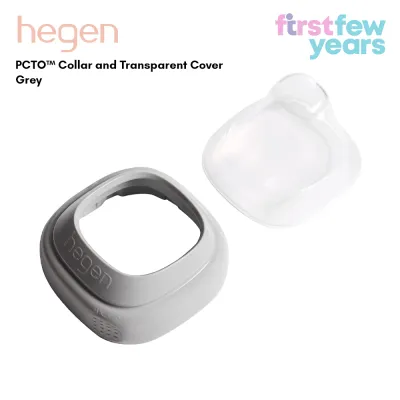
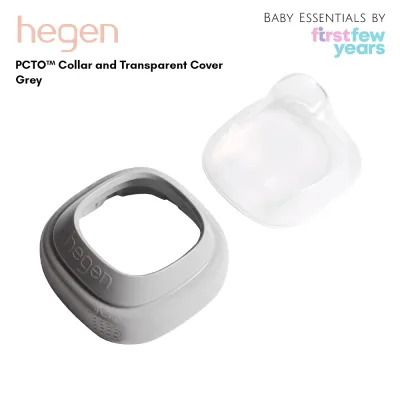
Prices are valid at publication and may change. Please refer to the product page for the latest price.
The most significant differentiator between these two materials is their heat resistance and structural tolerance during repeated sterilization cycles. PPSU can withstand continuous exposure to temperatures up to 180°C without losing its structural integrity or mechanical strength. This makes it exceptionally resilient against the intense heat of steam sterilizers, boiling water, and medical-grade autoclaving.
Polypropylene, on the other hand, has a much lower heat deflection temperature, typically softening or beginning to degrade when exposed to temperatures exceeding 100°C to 120°C. While PP is perfectly safe for standard feeding temperatures, repeated exposure to high-heat sterilization causes the polymer chains to break down more rapidly than PPSU. Over time, this thermal stress leads to warping, which can compromise the airtight seal between the teat, collar, and bottle.
Regardless of the material chosen, parents must look past marketing buzzwords and verify safety claims directly on the product packaging. Ensure the manufacturer explicitly states that the collar is free from Bisphenol A (BPA) and Bisphenol S (BPS), which are chemical endocrine disruptors historically associated with some plastics. Look for recognized international safety standards and compliance marks, such as those from the US Food and Drug Administration (FDA) or European Union (EU) food contact regulations, to confirm the material has undergone rigorous third-party testing.
Safety and Durability Checks for Bottle Collars
Evaluating the real-world safety of a bottle collar requires establishing a consistent inspection routine before every feed. Over time, the physical stress of screwing and unscrewing the collar, combined with thermal expansion during sterilization, can cause micro-cracks to form along the threads. These tiny fractures may not always cause immediate leaks, but they serve as prime breeding grounds for milk residue and bacteria that standard washing cannot reach.

In addition to micro-cracks, caregivers should check for thread wear and physical deformation. If a collar no longer glides smoothly onto the bottle neck or requires extra force to secure, the threads may have warped from heat exposure. A compromised thread fit can cause the collar to pop off unexpectedly under pressure, posing a scalding hazard if the formula or breast milk is warm.
Cloudiness, discoloration, or a sticky texture are clear indicators of chemical and physical degradation. While PPSU naturally possesses a warm, amber hue that does not signify wear, any sudden darkening, localized clouding, or loss of transparency in either PP or PPSU indicates that the polymer structure is failing. When a plastic reaches this state of degradation, the risk of chemical leaching increases, and the component must be discarded immediately.
To minimize chemical leaching risks, always cross-reference your sterilizer’s operating temperature with the manufacturer’s specified limits for each bottle part. For instance, while a PPSU collar can easily handle the high temperatures of a dry-heat or steam sterilizer, a PP collar from another brand may degrade rapidly if placed too close to the heating element. Always check the product labels for age-grade suitability and specific sterilization instructions rather than assuming all plastic components can be treated equally.
Hegen PPSU Collar vs. Other Brands: How to Choose
Choosing between Hegen’s PPSU collar and standard PP collars from other brands ultimately comes down to your family’s daily sterilization habits, feeding routines, and long-term budget. If your household relies heavily on frequent, high-heat sterilization methods—such as heavy steam cycles, prolonged boiling, or high-temperature UV dry cycles—investing in a PPSU collar offers distinct advantages. Its superior thermal tolerance ensures the collar maintains its precise shape and sealing capability over hundreds of sterilization cycles, reducing the frequency of part replacements.
Conversely, standard PP collars from other brands are highly practical if you prefer a lower upfront cost and are comfortable with a more frequent replacement schedule. PP collars perform exceptionally well under gentle, low-heat cleaning methods, such as warm soapy water washes followed by chemical cold-water sterilizing tablets or low-temperature UV sanitization. Because PP parts are significantly less expensive to manufacture, replacing them every few months to maintain hygiene is highly cost-effective for budget-conscious families.
A critical factor that parents must consider before purchasing is cross-compatibility. It is highly tempting to try and mix a Hegen collar with bottles or teats from other popular brands to create a hybrid feeding system. However, bottle manufacturers design their threads, sealing rings, and neck diameters to proprietary specifications. Attempting to force a Hegen collar onto a non-Hegen bottle, or vice versa, almost always results in an imperfect seal, leading to frustrating leaks, air entry that can cause colic, or sudden spills during a feed.
Maintenance, Cleaning, and Replacement Rules
Maintaining the hygiene of bottle collars requires a delicate balance between thorough cleaning and avoiding physical damage to the material. When washing collars, use a soft-bristled brush or a dedicated silicone thread brush to gently clean the inner grooves. Avoid using harsh abrasive sponges, wire brushes, or stiff plastic bristles, as these can create micro-scratches on the plastic surface. These tiny scratches ruin the smooth finish of the collar and provide a textured surface where bacteria and milk proteins can easily cling.
Sterilization should always be performed in strict accordance with the user manual’s time and temperature guidelines. Even though PPSU has an exceptionally high heat threshold, leaving collars in boiling water for longer than the recommended duration or placing them directly against the hot metal walls of a sterilizer can cause localized heat damage. For PP collars, keeping sterilization times to the absolute minimum required to kill pathogens is essential to prolonging their usable lifespan.
Regardless of the material’s theoretical durability, caregivers must establish clear replacement rules based on observable wear. A bottle collar should be replaced immediately if you notice any deep scratches, persistent cloudiness that does not wash away, warping along the rim, or if the collar fails to click or screw securely into place. As a general safety guideline, even in the absence of visible damage, PP collars should typically be replaced every three to six months of active use, while high-durability PPSU collars can often last longer, provided they pass daily visual inspections.
Frequently Asked Questions (FAQ)
Is a PPSU collar completely free from microplastics?
While PPSU is highly durable and possesses superior resistance to thermal and chemical degradation compared to standard plastics, no polymer is entirely immune to physical wear over its lifespan. Over months of daily use, the friction of screwing the collar onto the bottle, combined with scrubbing and thermal expansion, can cause microscopic surface abrasions. These micro-abrasions can eventually lead to the shedding of trace microplastics during high-heat sterilization or vigorous cleaning. To minimize this risk, parents should avoid using abrasive cleaning tools, strictly adhere to the manufacturer’s temperature limits, and replace any collar that shows signs of surface scratching or cloudiness.
Can I mix a Hegen collar with other bottle brands?
Mixing a Hegen collar with bottles or teats from other brands is strongly discouraged due to significant differences in proprietary design standards. Hegen utilizes a unique, patented square-round quick-click connection system that differs fundamentally from the traditional screw-thread designs used by most other bottle manufacturers. Attempting to force these incompatible systems together compromises the physical seal of the bottle, which can lead to severe milk leakage, excessive air ingestion for the infant, or the teat collapsing during feeding. To ensure feeding safety and prevent choking hazards, always use collars, teats, and bottles that belong to the same matching product line from a single manufacturer.
Community discussion
Share your experience or ask a question. Comments are reviewed before publication.