
Choosing the right transition cup is a pivotal step in your baby’s developmental journey as they graduate from bottle-feeding or breastfeeding to independent drinking. A premium modular system like the Hegen cup is highly advantageous if you value a long-term, multi-stage feeding ecosystem where a single container base transitions seamlessly from storage to teat, spout, and straw lids. This modular approach reduces kitchen clutter and maximizes the lifespan of each container.
Conversely, standard, standalone transition cups are often more practical and cost-effective if you only need a cup for a brief transitional phase, have strict budget constraints, or prefer highly specialized spout shapes. Because every baby develops at their own pace, the final decision must rely on verifying specific product labels, material certifications, and your baby’s current developmental stage.
Material Safety and Durability: How to Evaluate Plastics and Silicone
When comparing transition cups, understanding the physical properties of the materials used is essential for ensuring long-term safety and durability. The most common materials you will encounter include Polyphenylsulfone (PPSU), Tritan, Polypropylene (PP), and food-grade silicone. Each material offers distinct characteristics regarding heat tolerance, impact resistance, and wear over time.
Products mentioned in this guide
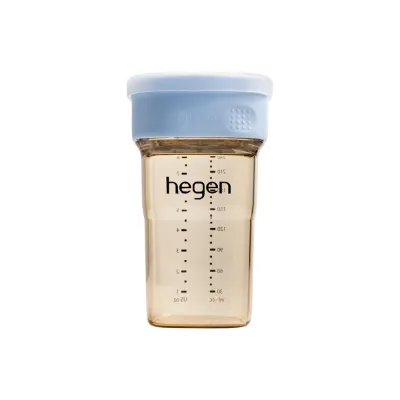
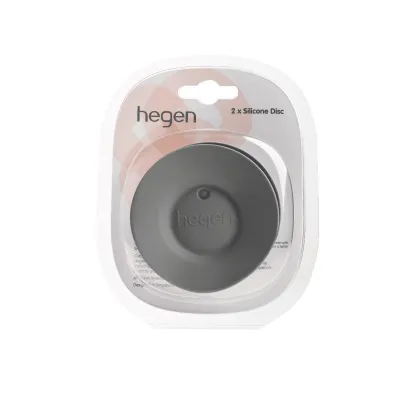
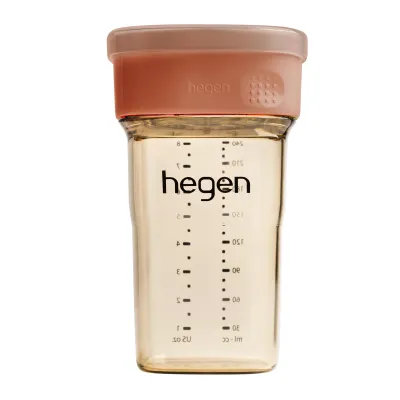
Prices are valid at publication and may change. Please refer to the product page for the latest price.
PPSU is a medical-grade plastic widely recognized for its natural honey-toned tint. It combines the lightweight convenience of plastic with the high durability of glass. PPSU can withstand repeated high-temperature sterilization cycles—whether through boiling, steam, or UV sterilizers—without degrading or releasing harmful chemicals. Its hard surface is highly resistant to scratches, which is crucial because micro-scratches can harbor bacteria and residues over time.
Tritan is a crystal-clear, impact-resistant copolyester that mimics the look of glass without the weight or fragility. While Tritan is highly durable and resistant to shattering, it generally has lower heat tolerance limits compared to PPSU. Caregivers must verify the manufacturer’s cleaning instructions, as some Tritan cups may warp or cloud if subjected to frequent high-temperature steam or boiling cycles.
Polypropylene (PP) is a common, budget-friendly plastic used in many standard transition cups. It is lightweight and moderately durable, but it is softer than PPSU and Tritan. Consequently, PP cups scratch more easily during cleaning and may need to be replaced more frequently to maintain optimal hygiene.
Food-grade silicone is highly flexible, soft on developing gums, and typically used for spouts, straws, and leak-proof seals. Because silicone is pliable, it is gentle on a baby’s sensitive mouth, though it is susceptible to wear from biting and chewing as teeth emerge.
To ensure the highest safety standards, caregivers should physically inspect product packaging and verify key safety declarations before purchasing. Look for explicit “BPA-free” and “BPS-free” labels, as well as compliance with recognized international safety standards, such as the European standard EN 14350 for drinking equipment. Additionally, check the manufacturer’s age recommendations to ensure the cup’s flow rate and design match your baby’s developmental stage.
Regular visual inspections of your baby’s transition cups are vital for maintaining safety. Over time, exposure to heat, detergents, and physical wear will impact the integrity of the materials. Follow these steps to evaluate when a cup or component needs replacement:
- Check for micro-scratches: Run your finger along the inner surfaces of the cup. If you detect scratches or a rough texture, bacteria can easily accumulate in these crevices, indicating it is time to replace the container.
- Observe cloudiness or discoloration: A shift from clear or honey-toned to cloudy, yellowed, or opaque plastic indicates material fatigue and chemical degradation from frequent washing and sterilization.
- Inspect silicone components: Gently stretch silicone spouts and straws to check for tiny tears, thinning, or a sticky texture. If you notice any structural weakness or persistent discoloration, replace the component immediately to prevent choking hazards.
Design and Usability: Comparing Spout Styles and Cleaning Routines
The physical design of a transition cup directly influences how easily your baby learns to drink independently and how much effort is required to keep the cup clean. Different spout styles support different stages of oral motor development, and each comes with distinct usability trade-offs.

Weighted straws are highly popular because they feature a small weight at the bottom of the straw that moves with the liquid. This design allows your baby to drink from almost any angle, whether sitting upright or reclining. Weighted straws are excellent for developing hand-eye coordination, though the complex straw mechanism can be challenging for younger babies who have not yet mastered the strong suction required to draw liquid upward.
Soft silicone spouts are designed to mimic the familiar shape and texture of a bottle teat, making them an ideal first step for babies transitioning away from bottle-feeding. The familiar feel eases the transition, though these spouts do not encourage the mature lip-and-tongue movements required for open-cup drinking.
360-degree drinking rims allow babies to sip from any side of the cup’s edge, mimicking an open cup while preventing spills. The flow of liquid is activated only when the baby’s lips press down on the silicone seal. This design supports natural oral muscle development and prepares the baby for standard cups, though some infants may find the lip-pressure mechanism difficult to master initially.
While leak-proof valves and multi-part straw systems are highly convenient for preventing spills on carpets or during outings, they introduce significant cleaning challenges. Complex valve mechanisms contain tiny crevices where milk or juice residues can easily become trapped. In warm, humid climates, these damp, enclosed spaces are highly susceptible to mold growth if not cleaned and dried thoroughly.
To maintain high hygiene standards, caregivers should evaluate how easily a cup can be completely disassembled. Cups with fewer parts are generally easier to wash daily, reducing the risk of hidden mold. When cleaning, always use specialized, slim brushes designed for straws and valves, and strictly follow the manufacturer’s instructions regarding dishwasher safety, boiling, and sterilization limits to prevent premature material degradation.
Brand Ecosystem and Long-Term Value: Modular Systems vs. Standalone Cups
When deciding between a premium modular system like Hegen and standard standalone transition cups, it is helpful to look beyond the initial purchase price and evaluate the long-term value, storage efficiency, and environmental impact.
Modular feeding systems utilize a single, standardized container base that can be paired with different interchangeable lids as your child grows. For example, the same container can function as a breast milk storage bottle with a flat seal, a standard feeding bottle with a teat collar, a transition cup with a soft spout, and eventually a straw cup or an open-drinking cup. This interchangeable design significantly reduces the number of individual bottles and cups cluttering compact kitchen cabinets, making it a highly efficient solution for urban households with limited storage space.
In contrast, standalone transition cups are designed for a single, specific purpose. Once your baby outgrows the soft spout or the weighted straw, the entire cup must typically be retired, leading to more plastic waste and requiring you to purchase a completely new cup for the next developmental stage.
Before committing to a specific brand, caregivers should verify the local availability and replacement costs of individual wear-and-tear parts, such as silicone seals, straws, and spouts. In Singapore, purchasing replacement parts through official brand channels or authorized online stores is highly recommended. Opting for a brand with readily available spare parts ensures you can easily replace a damaged straw or worn seal without having to buy an entirely new cup system, saving money and reducing environmental waste over time.
While a premium modular starter kit or a high-quality PPSU cup requires a higher upfront investment—often ranging from S$30 to S$60 or more—it can offer better long-term value. The cumulative cost of purchasing multiple standalone plastic cups as your baby’s drinking skills evolve can quickly equal or exceed the cost of a single, durable modular system that adapts to every stage of growth.
Decision Framework: Which Transition Cup Fits Your Needs?
To help you finalize your purchase decision, consider how your household priorities, budget, and baby’s specific needs align with the following frameworks.
Choose Hegen if:
- You prefer a streamlined, modular ecosystem: You want a single container that transitions seamlessly from storage to bottle, spout, and straw, minimizing kitchen clutter.
- You prioritize material durability: You want highly durable, scratch-resistant PPSU containers that can withstand intensive, long-term sterilization cycles.
- You value long-term storage efficiency: You prefer stackable, square-shaped containers that optimize space in your refrigerator and cabinets.
Choose other standard brands if:
- You need a short-term solution: You only require a transition cup for a brief developmental phase and do not plan to reuse the container for storage or other feeding stages.
- You are working with a lower initial budget: You prefer a lower upfront cost and do not want to invest in a premium, multi-part ecosystem.
- Your baby has specific design preferences: Your baby prefers a highly specific spout shape, a weighted straw, or a 360-degree rim design that is not offered within the Hegen product lineup.
Verify first if:
- Your baby has specific developmental needs: If your baby has oral motor delays, feeding sensitivities, or physical difficulties swallowing, always consult a pediatric healthcare professional, speech therapist, or lactation consultant before introducing a new transition cup. They can recommend the specific spout or straw design best suited to your baby's therapeutic needs.
Frequently Asked Questions (FAQ)
When should I introduce a transition cup to my baby?
Rather than relying solely on age milestones, look for observable physical signs of developmental readiness. Most babies are ready to begin exploring a transition cup when they can sit unassisted, demonstrate good head and neck control, reach for objects accurately, and show active interest in the cups or drinks used by their caregivers.
If your baby shows persistent resistance, frequent gagging, coughing, or difficulty swallowing liquids when using a transition cup, temporarily pause cup feeding. If these challenges continue, consult a pediatrician or a pediatric speech therapist to ensure your baby’s oral motor skills are developing safely.
How often should I replace the silicone straws or spouts?
Caregivers should always follow the specific replacement intervals printed on the product packaging or recommended by the manufacturer, which typically range from one to three months for hygiene and safety. Because silicone is a soft, pliable material, it naturally degrades over time with frequent use, washing, and sterilization.
Regardless of the recommended timeframe, you must replace silicone components immediately if you observe visible bite marks, tearing, stretching, or trapped mold that cannot be removed through standard cleaning. Regularly inspecting these parts ensures they remain safe for your baby to use and do not present a choking hazard.
Community discussion
Share your experience or ask a question. Comments are reviewed before publication.