
Quick Answer: Is the Hegen Breast Pump Right for You?
Choosing the right breast pump is a highly personal decision that directly impacts your breastfeeding journey. The hegen breast pump is an excellent choice if you prioritize a seamless, all-in-one ecosystem that lets you express, store, and feed using the same container. Its lightweight design, simple assembly, and easy-to-clean square bottles appeal to mothers who value convenience, portability, and minimal dishwashing.
However, it may not be the ideal fit for every mother. If your primary need is heavy-duty hospital-grade suction for medical reasons, or if you prefer a completely hands-free, wearable pump that fits entirely inside your bra, other popular brands in Singapore might serve you better. Your choice should ultimately align with your daily routine, budget, and specific comfort requirements.
Core Criteria for Evaluating Breast Pumps
To find a breast pump that supports your lactation goals, it helps to understand the core technical and practical dimensions that differentiate one model from another. Suction strength, typically measured in millimeters of mercury (mmHg), and cycle speed determine how effectively a pump mimics a baby’s natural nursing rhythm. Most modern pumps offer a stimulation phase to trigger milk let-down, followed by an expression phase with slower, deeper pulls.
Products mentioned in this guide
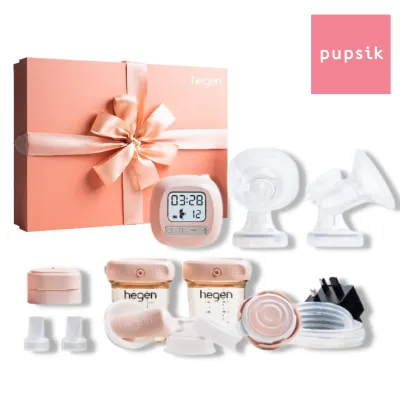
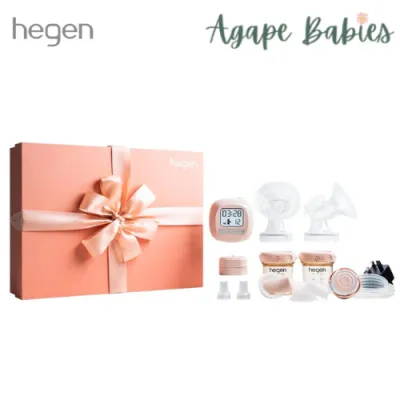
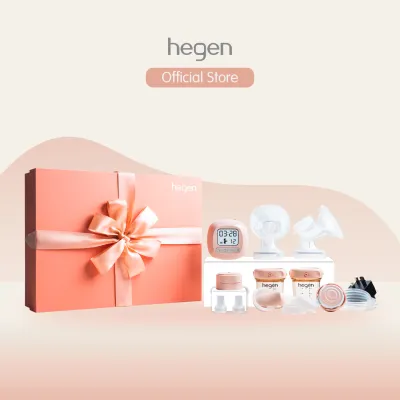
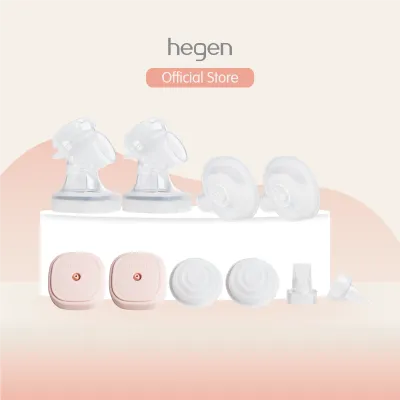
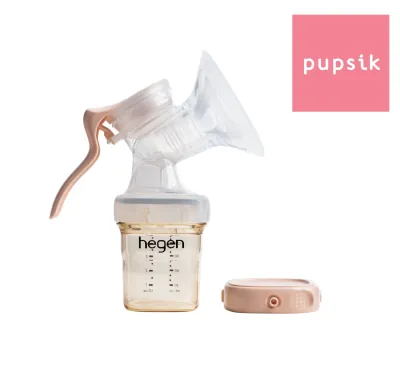
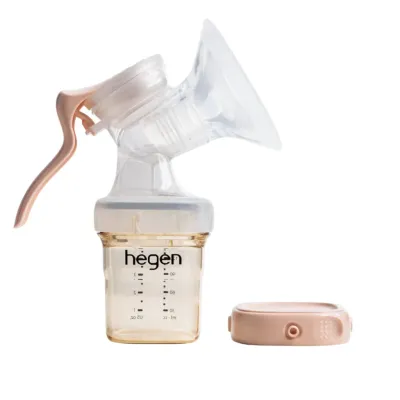
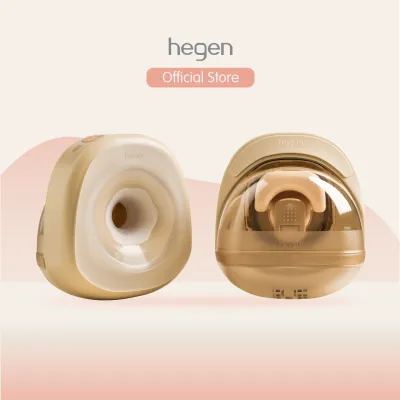
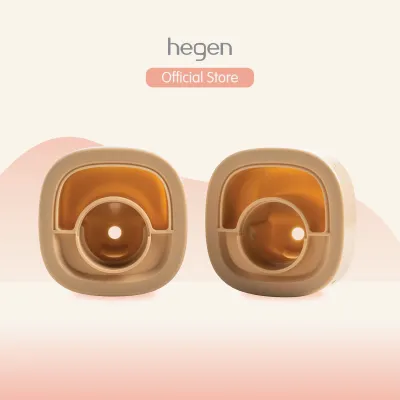
Prices are valid at publication and may change. Please refer to the product page for the latest price.

Hygiene is another critical factor, determined by whether a pump uses an open or closed system. Closed-system pumps feature a physical barrier (usually a silicone diaphragm) that prevents milk from entering the tubing and motor unit, reducing the risk of mold growth and cross-contamination. Open systems lack this barrier and require meticulous tubing maintenance.
Portability and power sources dictate where and when you can express milk. If you plan to pump at work or while traveling around Singapore, a lightweight motor with a rechargeable lithium-ion battery is highly beneficial. Conversely, stationary pumps that require a wall outlet often provide more robust, consistent power but limit your mobility.
The physical effort of daily maintenance is often underestimated. A pump with numerous small parts, delicate membranes, and narrow crevices can significantly increase your daily cleaning workload. Look for designs with fewer components that are straightforward to disassemble and sterilize.
Finally, flange fit is crucial for both comfort and milk output. An ill-fitting breast shield can compress milk ducts, cause friction, and lead to pain or reduced supply. Because individual breast anatomy varies widely and can change throughout your postpartum journey, verifying the manufacturer’s available flange sizes and measuring your nipple diameter before purchasing is highly recommended.
Hegen Breast Pump: Standout Features and Limitations
The hegen breast pump—specifically the brand’s double electric model—stands out in the Singapore market due to its integration into a broader, modular baby-care system. Unlike traditional round bottles, Hegen uses a square-shaped Polyphenylsulfone (PPSU) bottle. PPSU is a medical-grade material that combines the lightweight durability of plastic with the heat resistance and odor-free properties of glass.
The defining feature of this system is the patented Press-to-Close, Twist-to-Open (PCTO) mechanism. This design eliminates screw threads, allowing you to secure storage lids or teat collars with a simple press and release them with a quick twist. The pump motor itself is exceptionally compact and lightweight, easily fitting into a small handbag or pouch for on-the-go use.
However, this proprietary design introduces specific ecosystem limitations. Because the pump is built around Hegen’s unique square neck, it is not directly compatible with standard round-neck bottles or standard wide-neck accessories from other brands. To use third-party storage bags or bottles, you must purchase specific adapters, which can add complexity to your setup.
There is also a minor learning curve associated with assembling the pump components and sealing the square lids correctly. If the silicone diaphragm or the PCTO collar is not perfectly aligned, the pump may lose suction during operation. Additionally, some mothers find that the suction feel of the Hegen motor is gentler and more rhythmic compared to the sharp, mechanical pull of traditional hospital-grade units, which may or may not suit your personal physical preferences.
Always consult the official manufacturer guidelines for the correct assembly sequence, sterilization limits, and safety warnings. Over-sterilizing silicone components or using incompatible cleaning agents can degrade the parts prematurely, leading to vacuum leaks and reduced performance.
How Hegen Stacks Up Against Other Popular Brands
Suction Performance and Comfort
When comparing suction performance, the Hegen electric pump offers a customizable experience with multiple levels of stimulation and expression modes. It is designed to mimic a baby’s natural suckling, starting with rapid, shallow micro-vibrations to stimulate let-down before transitioning to slower, deeper expression cycles. This gentle approach is highly praised by mothers with sensitive nipples or those prone to engorgement.
In contrast, heavy-duty hospital-grade pumps, such as the Spectra S1+ or S2+, are engineered with larger, more robust motors that can deliver highly consistent, powerful suction across a wider range of speed and vacuum settings. If you are working to establish a milk supply for a premature infant or require high-volume extraction multiple times a day, a hospital-grade pump may offer faster extraction times.
Other personal pumps, like the Medela Freestyle, utilize distinct research-based suction patterns designed to maximize milk flow quickly. Ultimately, suction comfort is subjective and heavily dependent on correct flange sizing. If you experience persistent pain or low milk yield with any pump, consult a certified lactation consultant to verify your flange fit and receive personalized clinical guidance.
Portability, Noise, and Battery Life
Portability is a major differentiator for parents navigating active lifestyles in Singapore. The Hegen electric pump motor is remarkably small, weighing very little and operating with a rechargeable battery that charges via a standard micro-USB or USB-C port, depending on the specific model version. Its operating noise is relatively low, making it suitable for discreet pumping in office wellness rooms or quiet home environments.
When compared to traditional portable pumps like the Medela Swing Maxi, Hegen holds its own in terms of physical footprint and weight. However, it is still a tubed system, meaning you have silicone tubes connecting the breast shields on your chest to the motor unit. This setup does not offer the absolute freedom of completely wearable, tubeless pumps such as the Elvie or local favorites like the Imani i2.
Wearable pumps slip entirely inside your nursing bra, eliminating external tubes and dangling bottles altogether. While wearables offer unmatched mobility, they often have smaller milk collection capacities and can be slightly heavier on the breast due to the integrated motor. Because battery runtimes and charging specifications can vary between product batches and model revisions, always verify the latest technical specifications on the manufacturer’s official website before purchasing.
Cleaning, Assembly, and Daily Maintenance
Daily maintenance is where the Hegen design shines for many parents. The pump structure consists of fewer parts compared to many traditional setups, which often feature small valves, membranes, and intricate connectors that are easy to lose down the kitchen sink drain. Hegen’s streamlined parts can be disassembled and washed quickly, saving valuable time during late-night or early-morning sessions.
Other brands, such as Spectra or older Medela models, utilize multi-part valve and membrane assemblies that require careful handling during cleaning to prevent tearing. A tiny tear in a silicone membrane can completely compromise the pump’s vacuum seal, rendering it temporarily unusable until a replacement is sourced.
To maintain hygiene and component integrity, you must adhere to safe cleaning and sterilization practices. While Hegen’s PPSU bottles can withstand exceptionally high temperatures (typically up to 180°C), the soft silicone diaphragms, valves, and tubing have much lower heat tolerances. Always check your specific product manual to verify whether steam sterilization, boiling, or UV sterilization is recommended for each individual component, as incorrect thermal exposure can warp parts and void your warranty.
Ecosystem Compatibility and Long-Term Use
The concept of a unified ecosystem is central to Hegen’s design philosophy. You can pump directly into the square PPSU bottle, swap the pump module for a silicone storage lid to keep it in the fridge or freezer, and later swap the lid for a teat collar to feed your baby. This “express-store-feed” workflow minimizes milk transfer, reducing the risk of contamination and preserving every precious drop of breast milk.
Most other popular brands on the Singapore market require you to pump into a specific collection bottle, pour the milk into a separate storage bag or feeding bottle, and wash multiple containers afterward. While some brands offer adapters to connect their pumps to popular bottle brands, these multi-brand setups can introduce extra joint connections, increasing the risk of accidental leaks during a session.
If you plan to use third-party accessories, such as hands-free collection cups or alternative silicone flanges with your Hegen motor, always verify compatibility with the manufacturer first. Using non-approved connectors or forcing parts together can lead to physical damage, vacuum leaks, or an invalidation of your device warranty.
Evaluating Price and Long-Term Value
Investing in a breast pump involves both an immediate upfront cost and ongoing expenses over your breastfeeding journey. Hegen is positioned as a premium brand in Singapore, and its initial purchase price for the double electric pump kit is generally higher than standard portable options from other mainstream brands. However, evaluating the long-term value requires looking beyond the initial price tag.
Because Hegen’s PPSU bottles are highly durable and resistant to scratching and discoloration, they typically last much longer than standard polypropylene (PP) bottles, which manufacturers recommend replacing every few months. Furthermore, as your child grows and transitions away from milk, these square bottles can be repurposed as snack cups, food storage containers, or drinking bottles by simply swapping the lids, extending their useful life for years.
On the other hand, you must factor in the cost of proprietary replacement parts. Silicone valves, diaphragms, and flanges naturally wear out and lose elasticity over time, requiring replacement every few months to maintain optimal suction. Because Hegen uses proprietary designs, you must purchase official Hegen replacements, which are generally more expensive than the widely available, generic third-party parts compatible with brands like Spectra or Medela.
To assess the current financial commitment accurately, we recommend checking current retail prices and package deals on official brand stores or authorized retailers in Singapore. Consider how long you plan to breastfeed and whether you intend to use the bottles for future children or alternative storage purposes when calculating the true cost of ownership.
Decision Framework: Which Pump Should You Choose?
To help you finalize your choice, consider how your daily routine, physical needs, and budget align with the following scenarios:
Choose the Hegen breast pump if:
- You want a highly streamlined, all-in-one ecosystem that lets you express, store, and feed without transferring milk between different containers.
- You prioritize quick cleanup and want a pump with minimal, easy-to-wash components.
- You prefer durable, medical-grade PPSU bottles that can be repurposed for long-term food storage as your child grows.
- You need a highly portable, lightweight motor unit for pumping at work or while traveling.
Choose alternative brands if:
- You require heavy-duty, hospital-grade suction to establish or boost your milk supply under specific medical circumstances.
- You need a completely hands-free, wearable pump that sits entirely inside your bra to allow multi-tasking without external tubes.
- You are working within a strict budget and prefer a system with widely available, cost-effective generic replacement parts.
Before making your final purchase, verify the following:
- Flange Size: Measure your nipple diameter carefully and check the manufacturer's sizing charts. An incorrect flange size can cause pain, tissue damage, and a drop in milk supply.
- Anatomy and Comfort: If you have specific anatomical concerns, such as inverted nipples or highly sensitive skin, consult a certified lactation consultant or healthcare professional in Singapore before investing in a high-end pump system.
- Manufacturer Instructions: Always read the user manual of your chosen model for sterilization guidelines, battery care, and warranty registration to ensure safe and optimal operation.

Community discussion
Share your experience or ask a question. Comments are reviewed before publication.