
Choosing the right baby bottle is a highly personal decision that directly impacts your daily feeding routine and your baby’s comfort. While the Hegen 450ml has gained significant popularity for its unique square-to-round design and multi-functional ecosystem, it is essential to compare it against other premium options to determine which best suits your household. There is no single superior bottle; the ideal choice depends on your baby’s developmental stage, feeding mechanics, and your lifestyle preferences.
When selecting a high-end bottle, parents must balance material safety, ease of maintenance, and long-term utility. This guide provides a practical framework to evaluate these premium options, helping you make an informed decision that supports your baby’s growth and fits seamlessly into your daily routine.
Understanding the Hegen 450ml Design and Materials
The Hegen 450ml bottle stands out due to its distinctive square-to-round shape. This ergonomic design is engineered to be easier for both caregivers and growing infants to grip comfortably. In compact living spaces, such as high-density apartments where kitchen cabinet space is limited, the square geometry offers a practical advantage by allowing the bottles to be stacked neatly when stored with flat lids.
Products mentioned in this guide
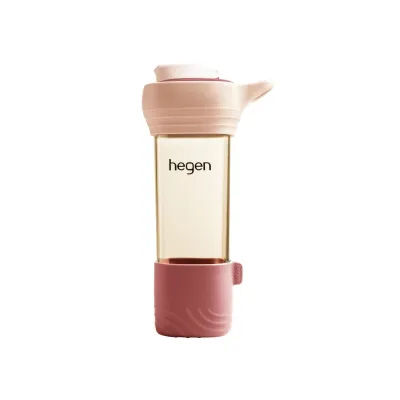
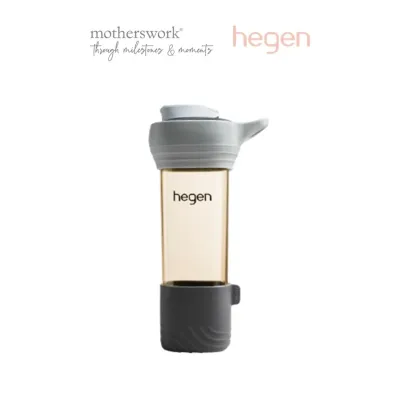
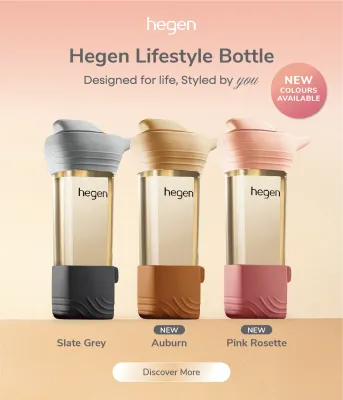
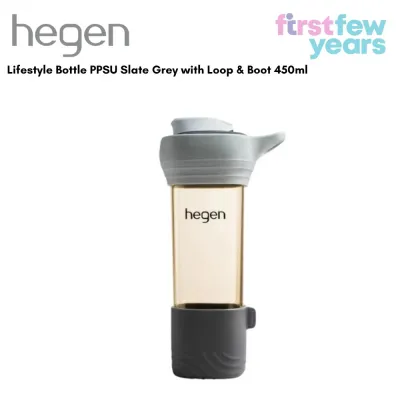
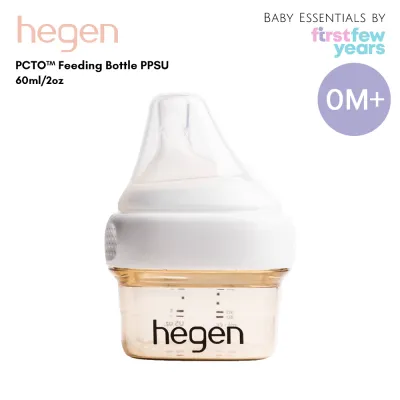
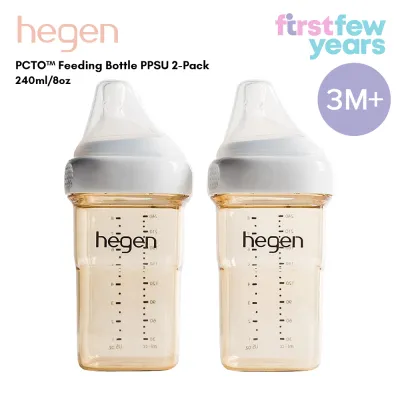
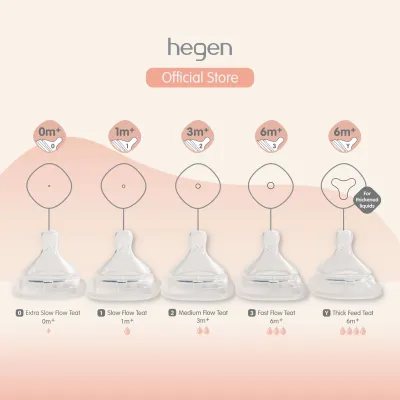
Prices are valid at publication and may change. Please refer to the product page for the latest price.
At 450ml, this specific bottle size is significantly larger than standard infant feeding bottles. It is designed primarily for older babies and toddlers who require larger fluid volumes, or for transitioning into alternative uses. Because of this large capacity, caregivers must verify the appropriate age and development stage of their child before introducing it for active feeding, ensuring the flow rate and bottle size match the child’s physical capabilities.
In terms of materials, Hegen primarily utilizes Polyphenylsulfone (PPSU) for its bottle bodies. PPSU is a medical-grade plastic known for its durability and high heat resistance, naturally sporting a signature amber tint. When purchasing, always check the manufacturer’s packaging to verify safety labels, BPA-free declarations, and the maximum temperature limits for sterilization. Caregivers must supervise all feeding sessions, especially as babies transition to holding larger, heavier bottles independently.
The defining feature of this design is its modular ecosystem. Utilizing a quick-connect mechanism, the bottle can transition from a standard feeding bottle to a breast milk storage container, a straw cup, or a snack companion simply by swapping the lid. This versatility is intended to extend the product’s useful lifespan far beyond the early infancy stage.
Key Comparison Dimensions for Premium Baby Bottles
When evaluating premium baby bottles, looking at brand popularity alone is rarely sufficient. To find the best fit for your family, you must systematically compare material safety, anti-colic venting mechanics, and the practical effort required for daily cleaning and maintenance.

Material Quality and Safety Verification
Premium baby bottles are generally manufactured from three primary materials: PPSU, borosilicate glass, and medical-grade silicone. Each material presents distinct physical characteristics and operational trade-offs that parents must evaluate based on their daily routines.
PPSU offers a lightweight, shatterproof alternative to glass while maintaining excellent heat tolerance. It can withstand repeated sterilization cycles in steam, boiling water, or UV sterilizers without degrading quickly. However, because it is a plastic compound, it remains susceptible to micro-scratches over time if cleaned with abrasive tools.
Borosilicate glass is highly favored by parents who wish to avoid plastics entirely. It is highly resistant to thermal shock, scratch-resistant, and does not retain odors or stains. The primary trade-offs are weight and fragility; glass bottles are significantly heavier for a baby to hold and can shatter if dropped on hard kitchen tiles, presenting a safety hazard.
Medical-grade silicone provides a soft, flexible texture that mimics the natural feel of skin, which can assist some infants during the transition from breastfeeding to bottle-feeding. While silicone is lightweight and highly durable, it can sometimes absorb food odors or discolor after prolonged contact with certain liquids. Parents should inspect packaging carefully to verify that all materials are certified food-safe and free from harmful chemical additives.
Anti-Colic Mechanisms and Nipple Flow
Managing air intake during feeding is critical to reducing gas, spit-up, and general infant discomfort. Premium bottle brands employ vastly different structural designs to address this issue, ranging from simple integrated valves to complex internal venting systems.
Some premium brands utilize dedicated internal venting tubes that actively channel air away from the milk to the back of the bottle, ensuring the baby swallows only liquid. Other designs, including Hegen, integrate an anti-colic vent directly into the silicone nipple itself. This simplified approach aims to minimize vacuum buildup without requiring extra internal parts.
Matching the nipple flow rate to your baby’s developmental stage is essential for safe feeding. A flow rate that is too fast can lead to choking, coughing, or excessive air swallowing, while a flow rate that is too slow can cause fatigue and frustration. Always refer to the manufacturer’s age and flow-rate guidelines on the packaging rather than assuming a universal standard.
It is important to remember that anti-colic effectiveness is highly subjective and varies from baby to baby. If your infant exhibits persistent signs of severe gas, reflux, or feeding difficulties, stop changing bottle brands and consult a qualified pediatrician or lactation consultant to rule out underlying feeding issues.
Cleaning, Assembly, and Daily Maintenance
The effort required to clean and assemble baby bottles daily is a major factor in long-term satisfaction. In warm, humid climates, thorough cleaning and rapid drying are essential to prevent the growth of mold and harmful bacteria.
Bottles with complex, multi-part anti-colic venting systems require meticulous care. They often feature narrow tubes, valves, and rings that must be disassembled completely and cleaned using specialized, ultra-thin wire brushes. Conversely, wide-neck bottles with fewer components are much easier to access with standard sponge brushes, significantly reducing assembly and cleaning time.
Before finalizing your purchase, check the manufacturer’s care instructions to verify if the components are dishwasher-safe and compatible with your specific sterilization equipment. Some materials may degrade faster under UV light, while others may warp if exposed to extreme steam temperatures.
To maintain the integrity of the bottle materials, avoid using abrasive cleaning pads or harsh chemical detergents. Micro-scratches on the interior surfaces of plastic or silicone bottles can trap milk residue and harbor bacteria. Always use soft silicone or sponge brushes and follow the manufacturer’s recommended cleaning protocols.
Evaluating Long-Term Value and Versatility
Premium baby bottles represent a substantial upfront financial investment. With individual high-end bottles often priced between S$30 and S$40, understanding the total cost of ownership is essential before committing to a specific brand.
Beyond the initial purchase price of the bottle, parents must factor in the ongoing cost of replacement nipples, which must be updated periodically as the baby grows. Additionally, brand-specific accessories, such as specialized cleaning brushes, travel caps, and handles, can quickly add to the overall expense.
A bottle’s long-term value increases significantly if it features a modular design that grows with your child. Bottles that can be repurposed as storage containers, sippy cups, or straw bottles offer a much longer functional lifespan, helping to offset the high initial cost.
Before committing to a premium bottle ecosystem, verify the local availability and pricing of spare parts. If replacement nipples, collars, or seals are difficult to source locally, managing your daily feeding routine can become unnecessarily complicated and stressful.
Decision Framework: Which Bottle Fits Your Needs?
To determine the best bottle system for your household, align the unique features of each brand with your specific lifestyle priorities and your baby’s needs:
Choose the Hegen 450ml if you prioritize a highly versatile, modular system that can transition into a toddler drinking bottle or food storage container. Its wide-neck, square-to-round design is ideal if you want a bottle that is exceptionally easy to clean, quick to assemble, and stackable to save space in compact kitchen cabinets.
Choose alternative premium brands with dedicated internal venting tubes if your baby suffers from severe colic, reflux, or persistent gas, and requires a highly specialized, active air-management system to feed comfortably.
Choose borosilicate glass options from premium brands if your primary goal is to avoid plastic materials entirely, and you are comfortable managing the heavier weight and potential breakage risks during daily sterilization and feeding.
Ultimately, your baby’s physical acceptance of the bottle is the most critical factor. It is highly recommended to purchase and test a single bottle first to verify if your baby accepts the specific nipple shape, texture, and flow rate before investing in a complete multi-pack or committing fully to a specific brand ecosystem.
Frequently Asked Questions (FAQ)
Can I mix Hegen nipples with other premium bottle brands?
It is highly recommended to avoid mixing nipples and bottles from different brands. Premium feeding systems are engineered with precise physical dimensions and tolerances to ensure airtight seals and proper anti-colic venting. Using a Hegen nipple on a different brand’s bottle, or vice versa, can compromise these seals, leading to milk leaks, improper flow rates, or failure of the anti-colic mechanism. To prevent feeding frustration, leaks, or potential choking hazards, always follow the manufacturer’s compatibility guidelines and use matching components.
How often should I replace premium PPSU or silicone bottles?
Although premium materials like PPSU and medical-grade silicone are highly durable, they do not last indefinitely and must be inspected regularly. Examine all bottle components under clear lighting for signs of wear, such as cloudiness, persistent discoloration, micro-scratches, cracks, or a sticky residue that remains after thorough washing. If you observe any structural degradation, physical damage, or changes in the material’s texture, replace the component immediately to ensure your baby’s safety, regardless of any general lifespan estimates provided by the manufacturer.

Community discussion
Share your experience or ask a question. Comments are reviewed before publication.