
When choosing a baby bottle, the material is just as important as the brand or the nipple flow. If you are considering a Hegen 330ml bottle or comparing it against glass and standard plastic alternatives, the decision ultimately comes down to your daily feeding routine. There is no single “best” material; instead, the right choice depends on how you balance durability, weight, cleaning habits, and heating preferences. This guide breaks down the practical differences between PPSU, glass, and regular plastic to help you select the safest and most convenient option for your baby’s feeding needs.
As babies grow and their milk intake increases, transitioning to a larger 330ml bottle size becomes a practical necessity. At this stage, the physical properties of the bottle material play a significant role in how comfortable, safe, and efficient each feeding session is for both you and your baby. By understanding how these materials compare under daily use, you can make an informed decision that fits your lifestyle.
Understanding the Core Materials: PPSU, Glass, and Standard Plastic
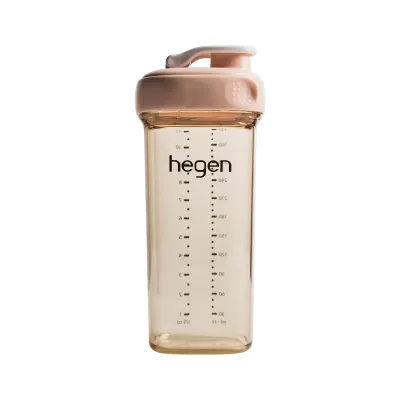
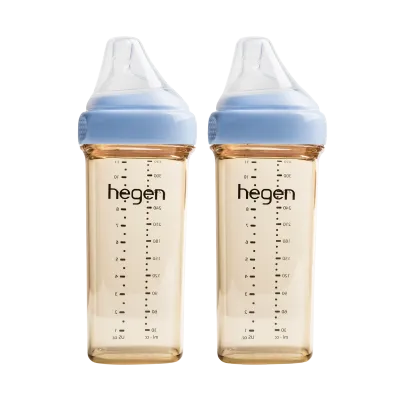
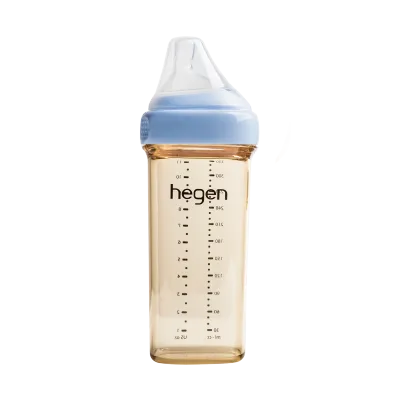
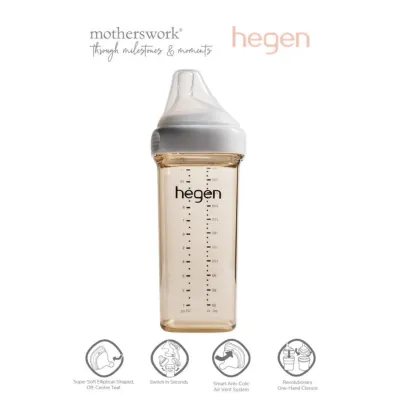
To make an informed comparison, it is essential to understand what these materials actually are. PPSU, or polyphenylsulfone, is a high-performance, medical-grade thermoplastic widely used in medical devices and premium baby products. It is naturally durable, highly heat-resistant, and possesses a distinctive natural amber or honey-colored tint. This warm amber hue is a characteristic of the raw material itself, meaning no artificial colorants or dyes are added to achieve it.
Products mentioned in this guide
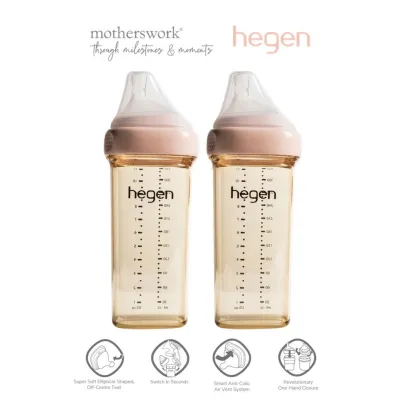
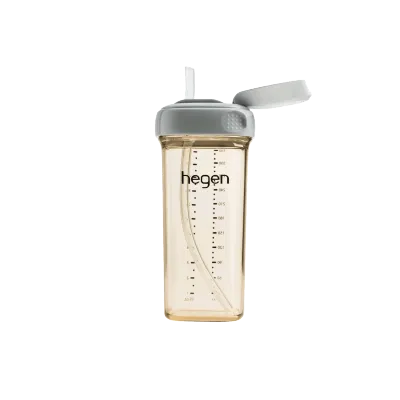
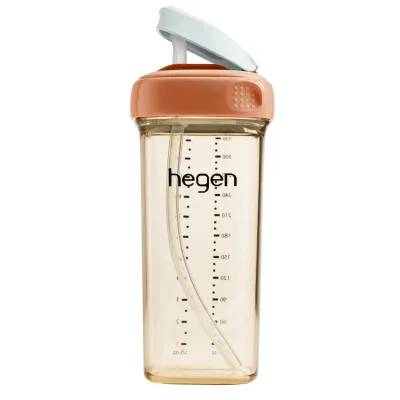
Prices are valid at publication and may change. Please refer to the product page for the latest price.
In contrast, standard plastic baby bottles are typically made from polypropylene (PP). Polypropylene is a lightweight, semi-crystalline polymer that is translucent or slightly cloudy in appearance. While PP is highly affordable and functional, it is softer and less heat-resistant than PPSU, which affects its overall lifespan and durability under frequent sterilization.
Glass bottles, usually made from high-quality borosilicate glass, offer complete transparency and a classic feel. Glass is an inorganic, non-porous material that does not degrade over time, making it highly resistant to chemical reactions. However, this purity comes with a trade-off in weight and fragility. When shopping for any of these materials, caregivers should always check the product packaging to verify that the bottles are certified BPA-free and BPS-free to ensure chemical safety.
Durability and Daily Handling for Caregivers
Daily life with an infant involves frequent drops, quick cleanups, and constant multitasking. When handling a large 330ml bottle, durability becomes a primary concern. Glass bottles are highly susceptible to thermal and physical shock. In homes with hard flooring, such as ceramic tiles, marble, or polished concrete, dropping a glass bottle can result in immediate shattering, creating a hazardous environment of sharp shards that must be cleaned up carefully.

PPSU and standard PP plastics are shatterproof, making them exceptionally safe for active households. If a PPSU bottle slips from your hands or is tossed from a high chair, it will bounce rather than break. This impact resistance is particularly valuable as your baby grows and begins to explore self-feeding, where dropped bottles are a daily occurrence.
Weight is another critical factor when dealing with a 330ml capacity. When fully filled with milk or formula, a 330ml glass bottle becomes heavy and cumbersome. This added weight can cause hand and wrist fatigue for caregivers during long, late-night feeding sessions. Furthermore, a heavy glass bottle is difficult and potentially unsafe for an older baby to hold independently, as a sudden drop could cause injury. PPSU and PP bottles are incredibly lightweight, allowing babies to transition to holding their own bottles more easily and safely under adult supervision.
While plastics excel in impact resistance, they are more prone to surface scratches than glass. Glass is highly scratch-resistant, maintaining its smooth surface even after years of use. PPSU is significantly harder and more scratch-resistant than standard PP, but it can still develop fine micro-scratches over time if cleaned with abrasive brushes. Caregivers should regularly inspect plastic bottles visually; deep scratches can harbor bacteria and indicate that the bottle is ready to be retired.
Cleaning, Sterilization, and Odor Retention
Maintaining hygiene is a top priority for infant feeding equipment. Milk contains natural fats and proteins that can easily cling to bottle walls. Because glass is completely non-porous, it resists grease and milk fat buildup effortlessly. Glass bottles wash clean easily, do not retain stubborn milk odors, and will not stain when exposed to colored liquids or formula ingredients.
Standard PP plastic is relatively porous, meaning milk fats can bind to the surface over time. This often results in a cloudy appearance, a greasy film that is hard to wash away, and a persistent sour milk odor that remains even after thorough washing. PPSU features a highly polished, low-porosity surface that performs much closer to glass. It resists grease buildup and odor retention far better than PP, keeping the bottle clear and fresh for a longer period.
Sterilization habits also dictate which material is most suitable for your kitchen. Standard PP bottles have a lower heat tolerance, typically up to 110°C or 120°C. Frequent exposure to high-heat steam, boiling water, or UV sterilizers can accelerate the degradation of PP, causing it to warp or wear out quickly. PPSU, however, boasts an impressive temperature resistance of up to 180°C. This high thermal stability makes PPSU highly compatible with all sterilization methods, including steam, boiling water, and UV sterilization, without the risk of material degradation.
Glass can withstand extreme heat, but it is highly sensitive to rapid temperature changes, known as thermal shock. Pouring boiling water directly into a cold glass bottle, or placing a hot glass bottle onto a cold stone countertop, can cause the glass to crack or shatter. When cleaning any bottle material in a dishwasher, always check the manufacturer’s manual or the base of the bottle for specific top-rack recommendations to prevent damage from heating elements.
Heating and Temperature Safety
Warming milk to the correct temperature requires patience and care. Different materials conduct heat at different rates, which affects how quickly you can prepare a feed. Glass has high thermal conductivity, meaning it transfers heat rapidly from a bottle warmer or hot water bath to the milk inside. While this speeds up the warming process, it also means the exterior of the bottle can become very hot to the touch, requiring caution when handling.
PPSU and standard PP plastics have lower thermal conductivity, acting as mild insulators. It takes longer for heat to penetrate the plastic walls to warm the milk, but the exterior of the bottle remains comfortable and safe to hold immediately after warming. This slower heat transfer helps prevent accidental burns to the caregiver’s or baby’s hands.
Regardless of the material you choose, safe warming practices are essential to preserve nutrients and prevent injury. Never microwave breast milk or formula directly in any bottle. Microwaving heats liquids unevenly, creating localized “hot spots” that can severely burn a baby’s mouth, even if the outside of the bottle feels cool. Additionally, direct microwave heating can destroy the delicate proteins and immunoglobulins present in breast milk.
The safest method is to use a temperature-controlled bottle warmer or place the bottle in a bowl of warm water. Before offering the bottle to your baby, always perform a manual temperature check. Shake the bottle gently to distribute the heat evenly, then dispense a few drops of milk onto the inside of your wrist. The skin on your wrist is highly sensitive and provides an accurate gauge of whether the milk is at a safe, lukewarm temperature.
Decision Framework: Which Material Fits Your Feeding Routine?
Choosing the right bottle material is a matter of matching the physical properties of the bottle to your daily lifestyle, budget, and feeding environment. There is no universal winner, as each material serves different practical needs.
You should choose PPSU if you want a premium, long-term investment that combines the lightweight safety of plastic with the durability of glass. PPSU is ideal for active families who travel frequently, use daycare services where glass is prohibited, or prefer high-heat sterilization methods like UV cabinets. It is also the most suitable option if you want a bottle that can transition safely to self-feeding as your baby’s motor skills develop.
You should choose Glass if you primarily feed your baby at home, prioritize a completely scratch-resistant and non-porous material, and do not mind the heavier weight. Glass is excellent for the early months of infancy when caregivers do all the holding and the risk of dropping the bottle on hard floors is minimal.
You should choose Standard Plastic (PP) if you are looking for a highly budget-friendly, lightweight option for short-term or occasional use. PP is perfect for keeping backup bottles at a grandparent’s house or for temporary use during transitions, provided you are comfortable replacing the bottles more frequently as they show signs of wear.
Before making your final purchase, verify if your baby has specific feeding preferences, such as a particular nipple shape or flow rate, as some babies are highly sensitive to these differences. Additionally, check the physical dimensions of your sterilization equipment to ensure that a taller 330ml bottle will fit comfortably inside your steam or UV sterilizer cabinet.
Frequently Asked Questions (FAQ)
Is a 330ml bottle too heavy for a baby to hold?
A fully filled 330ml bottle holds a substantial volume of liquid, which adds significant weight. For younger infants who are just developing their motor skills, holding a full bottle of this size is too heavy and can strain their hands and wrists. It is best to observe your baby’s grip strength and coordination; caregiver-assisted feeding is highly recommended until your baby can comfortably and safely support the weight of the bottle independently.
How often should I replace PPSU or plastic bottles?
Plastic bottles, including PPSU and PP, should be inspected regularly before each use for signs of wear and tear. You should replace a bottle immediately if you observe deep scratches, persistent cloudiness, cracks, discoloration, or stubborn odors that do not wash away. As a general guideline, standard PP bottles should be replaced every 3 to 6 months due to faster degradation, while high-durability PPSU bottles can last up to 6 to 12 months under normal use and proper care. Always consult the manufacturer’s specific guidelines for recommended replacement timelines.

Community discussion
Share your experience or ask a question. Comments are reviewed before publication.