
When caring for a child’s delicate skin, selecting the right daily hygiene products is one of the most frequent decisions you will make. Kids’ wet wipes are an indispensable tool for diaper changes, messy hands, and quick cleanups, yet many commercial options contain chemical formulations that can compromise a child’s developing skin barrier. Because a child’s skin is significantly thinner, more permeable, and more susceptible to absorbing topical substances than adult skin, exposure to harsh ingredients can quickly lead to dryness, painful rashes, and contact dermatitis. To protect your child’s skin, you must look beyond eye-catching packaging claims and learn how to identify specific irritants, hidden masking agents, and sensitizing preservatives on the ingredient label.
Common Irritants to Check on Wet Wipe Labels
Navigating the ingredient list on the back of a wet wipe package requires a basic understanding of common chemical categories. The first group of ingredients to watch out for is drying alcohols, such as denatured alcohol, isopropyl alcohol, and SD alcohol. While these alcohols are often included to make the liquid evaporate quickly or to provide a clean feeling, they strip away the natural lipids and moisture that keep the skin barrier intact. This stripping effect leaves the skin vulnerable to environmental irritants and can cause immediate stinging, especially on skin that is already slightly chafed or dry. Note that fatty alcohols, such as cetearyl alcohol or stearyl alcohol, serve as emulsifiers and do not dry out the skin in the same manner, but drying alcohols should be strictly avoided.
Synthetic fragrances and parfum represent another major category of skin sensitizers. Manufacturers frequently add synthetic scents to mask the chemical odor of raw ingredients or to give the wipes a pleasant, baby-friendly aroma. However, these complex chemical mixtures are among the most common triggers for allergic contact dermatitis in children. When applied repeatedly to sensitive areas, particularly during diaper changes where the skin is subjected to friction and moisture, synthetic fragrances can cause persistent redness, itching, and micro-tears in the skin barrier.
Products mentioned in this guide
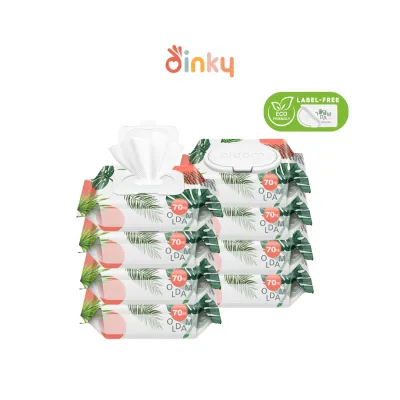
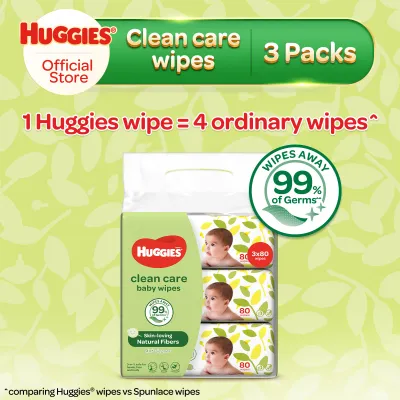
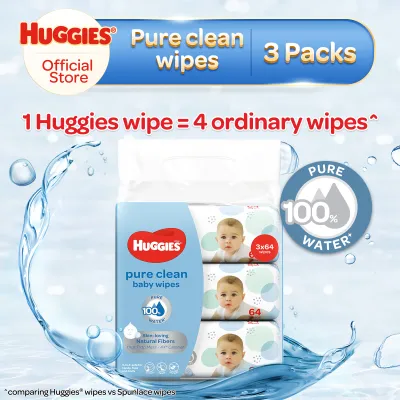
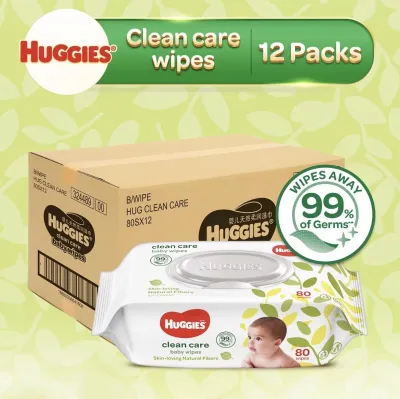
Prices are valid at publication and may change. Please refer to the product page for the latest price.
Preservatives are a non-negotiable component of any water-based wet wipe, as they prevent the growth of harmful bacteria, mold, and yeast inside the dark, moist package. However, certain classes of preservatives carry a much higher risk of skin sensitization than others. Parabens, such as methylparaben and propylparaben, have historically been used for their highly effective antimicrobial properties, but their potential for skin irritation has led many parents to seek alternatives. Even more concerning are isothiazolinones, specifically methylisothiazolinone (MI) and methylchloroisothiazolinone (MCI). These powerful preservatives are known contact allergens that can cause severe, eczema-like rashes on children. When evaluating wet wipes, it is essential to check for these specific preservative names and opt for products utilizing gentler, food-grade, or highly tolerated preservative systems.
Understanding "Hypoallergenic" and "Fragrance-Free" Claims
The front of a wet wipe package is often covered with reassuring marketing terms designed to appeal to safety-conscious parents. One of the most common labels you will encounter is “hypoallergenic.” While this term suggests that the product is entirely safe for sensitive skin, it is important to understand that “hypoallergenic” lacks a single, universally enforced regulatory definition. Manufacturers use this claim to indicate that the product is formulated with fewer known allergens, but it does not guarantee that your child will not experience an allergic reaction. Every child’s skin is unique, and an ingredient that is perfectly safe for one child may still trigger a reaction in another.

Another source of confusion is the difference between “fragrance-free” and “unscented” labels. A truly “fragrance-free” product contains no added fragrance chemicals, essential oils, or masking scents of any kind. On the other hand, an “unscented” product may actually contain chemical masking agents. These masking agents are specifically formulated to neutralize the unpleasant natural odors of the active ingredients, resulting in a product that has no perceptible smell but still contains potentially irritating fragrance chemicals.
Because front-of-pack claims can be misleading, you should always cross-reference these marketing promises with the full ingredient list on the back of the package. The International Nomenclature of Cosmetic Ingredients (INCI) list provides the true composition of the product. Developing the habit of reading this list ensures that you are making decisions based on actual chemical formulations rather than creative marketing strategies.
How to Spot Hidden Ingredients and Masking Agents
Even when you carefully read the back of the package, some potentially irritating ingredients can remain hidden behind vague terminology. The terms “fragrance” or “parfum” are legally protected as proprietary trade secrets, meaning manufacturers are not required to disclose the individual chemical components that make up the scent. A single instance of the word “fragrance” on a label can represent a mixture of dozens of undisclosed synthetic chemicals, including phthalates, which are used to make scents last longer. This lack of transparency makes it incredibly difficult to isolate the exact cause of a skin reaction if your child develops a rash.
The trend toward “natural” and “organic” baby products has also introduced a new set of skin-sensitizing ingredients. Many parents assume that plant extracts and essential oils are inherently safer than synthetic chemicals, but this is not always the case. Essential oils such as lavender, tea tree, eucalyptus, and various citrus oils (like lemon or orange peel oil) contain naturally occurring volatile compounds like limonene and linalool. While these botanical ingredients may offer pleasant scents or mild antimicrobial properties, they are highly concentrated and can be extremely irritating to a child’s delicate or compromised skin. On skin that is already irritated by diaper rash, these natural extracts can cause intense burning and worsen inflammation.
To minimize these hidden risks, prioritize brands that practice complete ingredient transparency. Look for manufacturers that explicitly list every single component of their formula, including the specific botanical extracts and the exact preservatives used, without relying on generic grouping terms. If a brand uses plant-derived ingredients, they should clearly state the source and ensure they are formulated at safe, non-sensitizing concentrations.
Signs of Adverse Reactions and When to Stop Using
Monitoring your child’s skin for early signs of irritation is a critical part of introducing any new wet wipe into your daily routine. Contact dermatitis can manifest in several ways, often starting as localized redness or a mild rash in the exact areas where the wipe was used. You might also notice unusual dryness, rough patches, peeling skin, or small, raised bumps. In some cases, a child may show immediate signs of discomfort, such as crying, squirming, or pulling away during a diaper change or cleanup, which can indicate that the wipe is causing a burning or stinging sensation.
If you observe any of these visual or behavioral signals, the first step is to stop using the wet wipes immediately. Continuing to use the product will only exacerbate the irritation and delay the skin’s natural healing process. Gently rinse the affected area with lukewarm, plain water to remove any lingering chemical residues from the wipe. After rinsing, gently pat the skin dry with a clean, soft cotton towel; avoid rubbing the skin, as friction will further damage the compromised skin barrier. Allow the area to air-dry completely before applying a clean diaper or clothing.
While mild irritation often resolves within a few days of discontinuing the product, you must know when to seek professional medical advice. If the redness spreads, intensifies, or begins to blister, ooze, or crack, consult a pediatrician or dermatologist. You should also seek professional help if your child shows signs of extreme discomfort, develops a fever, or if the rash does not improve after several days of using plain water. Avoid self-diagnosing the issue or applying over-the-counter medicated creams, such as topical steroids or antifungal ointments, without a direct recommendation from a healthcare professional, as these treatments can thin the skin or cause further complications if used incorrectly.
Building a Safe Wipe Routine for Sensitive Skin
Creating a safe and effective cleaning routine involves selecting the right products and knowing when to use alternatives. When shopping for wet wipes, prioritize formulations with exceptionally short ingredient lists. Ideally, water (Aqua) should be the undisputed first ingredient, making up the vast majority of the formulation. Wipes that consist of 99% water combined with a single, gentle fruit extract and a mild preservative are excellent choices for minimizing the risk of chemical exposure. The fewer ingredients a wipe contains, the lower the probability of it triggering an adverse skin reaction.
It is also helpful to differentiate between the convenience of on-the-go cleaning and the routine of at-home care. Wet wipes are incredibly convenient when you are traveling, running errands, or dining out, but they do not need to be the default choice at home. For daily diaper changes and cleanups in the house, consider using plain water and soft, reusable cotton cloths or dry cotton wipes. This simple approach completely eliminates exposure to preservatives, fragrances, and surfactants, giving your child’s skin barrier a chance to rest and strengthen.
Before fully integrating a new brand of wet wipes into your daily routine, always perform a simple patch test. Take a single wipe from the package and gently swipe it over a small, clear area of your child’s skin, such as the inner arm or the thigh. Do not perform the test on the face, diaper area, or any skin that is already irritated. Repeat this application twice a day for two to three days, monitoring the area closely for any signs of redness, swelling, or bumps. If the skin remains clear and calm throughout the testing period, you can proceed to use the wipes on more sensitive areas with greater confidence.
Frequently Asked Questions (FAQ)
Are antibacterial wet wipes safe for babies' skin?
Antibacterial wet wipes are generally not recommended for a baby’s delicate skin. These products are formulated with active chemical disinfecting agents, such as benzalkonium chloride, and often contain high concentrations of drying alcohols to kill germs on surfaces or mature skin. When applied to a baby’s thin skin barrier, these harsh chemicals can cause severe dryness, chemical irritation, and painful stinging. For routine diaper changes and cleaning sticky hands, chemical disinfection is unnecessary. Simple physical removal of dirt, sweat, and residue using water-based wipes or plain soap and water is highly effective and much safer for your child’s skin.
Can I use regular adult wet wipes on my child?
You should avoid using regular adult wet wipes on your child, particularly on sensitive areas like the diaper region or the face. Adult wipes are formulated for mature skin, which has a thicker, more resilient barrier and a different natural pH level. Consequently, adult products often contain stronger surfactants, higher concentrations of synthetic fragrances, and robust preservative systems that can easily overwhelm a child’s sensitive skin. Using these products on children significantly increases the risk of contact dermatitis, chemical burns, and allergic reactions. Always choose wipes specifically formulated and labeled for babies or children, as these are designed to respect the delicate balance of developing skin.

Community discussion
Share your experience or ask a question. Comments are reviewed before publication.