
Choosing the right baby bottle in Singapore involves balancing your baby’s unique feeding style with your daily sterilization and maintenance routines. While Hagen, Pigeon, and Avent are all highly regarded options, there is no single universal winner. Instead, each brand approaches infant feeding with a distinct design philosophy, ranging from ergonomic multi-functional shapes to highly specialized latch-focused nipples. By evaluating how each brand aligns with your baby’s developmental stage and your household’s cleaning habits, you can select a system that supports comfortable feeding and simplifies your daily routine.
When navigating the transition to bottle-feeding or selecting a new system for your growing infant, it is essential to look beyond marketing claims. Every baby has unique oral mechanics, and what works seamlessly for one family might cause frustration, gas, or latch issues for another. Caregivers should always verify the recommended age range, size, and specific method of use in the manufacturer’s documentation before introducing a new bottle. If your baby experiences persistent feeding difficulties, excessive spitting up, or signs of discomfort, stop using the bottle and consult a qualified pediatrician or lactation specialist.
Comparing the Core Design Philosophies
To narrow down your initial shortlist, start by reviewing the primary design focus of each brand as stated on their packaging and official documentation. Each manufacturer targets a specific set of parental priorities, whether that is long-term versatility, natural latch mimicry, or modular simplicity.
Products mentioned in this guide
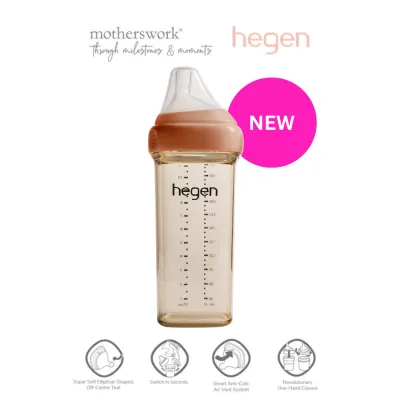
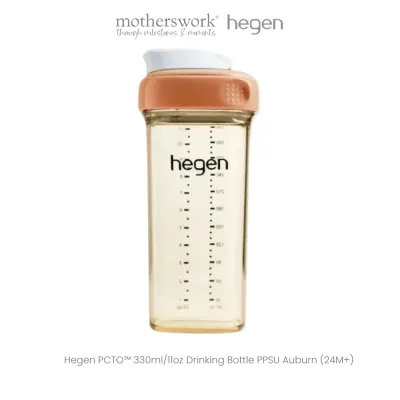
Prices are valid at publication and may change. Please refer to the product page for the latest price.
Hagen positions its bottles around a unique, square-shaped structural design. According to the manufacturer’s product specifications, this shape is engineered not only for an easy grip but also to allow the bottle to transition into a breast milk storage container or a snack cup with a simple swap of the lid. This multi-functional approach appeals to parents looking to minimize clutter in Singapore’s compact urban kitchens, offering utility that extends past the infant feeding stage.
Pigeon focuses heavily on the mechanics of the natural latch. Their design philosophy centers on wide-neck bases and highly textured, soft silicone nipples designed to mimic the peristaltic movement of breastfeeding. By prioritizing the natural sucking motion, the manufacturer aims to reduce nipple confusion, making it a common starting point for parents who plan to combine breastfeeding and bottle-feeding.
Avent takes a highly modular approach, focusing on standardized sizing and robust anti-colic systems. Their bottles are designed to integrate seamlessly across different stages of your child’s development, allowing collars, nipples, and handles to be swapped easily. This systematic design emphasizes ease of assembly and consistent flow, appealing to parents who value a straightforward, highly standardized feeding system. Rather than relying on third-party summaries, always read the manufacturer’s stated design goals on the packaging to understand the intended use of each bottle line.
Material Choices and Sterilization Safety
Selecting the right bottle material requires a careful look at durability, heat tolerance, and how well the material stands up to your preferred sterilization method. Baby bottles are commonly available in glass, polyphenylsulfone (PPSU), and standard BPA-free plastics like polypropylene (PP). Each material has distinct physical properties that you must verify by checking the manufacturer’s labels.

Glass bottles offer excellent heat resistance and do not retain odors or stains, but they are heavier and prone to breaking if dropped on hard tile floors. PPSU is a medical-grade plastic that combines the lightweight durability of plastic with high heat resistance, making it highly compatible with frequent steam or UV sterilization. Standard PP bottles are lightweight and cost-effective but tend to degrade faster under high heat. You must verify the maximum sterilization temperatures for both the bottle body and the silicone components directly from the product manuals to prevent premature material degradation.
In Singapore’s warm and humid climate, maintaining sterile feeding equipment is crucial. However, frequent exposure to steam, boiling water, or UV light will eventually wear down any material. Caregivers should regularly inspect bottles for observable signs of wear, such as persistent cloudiness, micro-scratches, or a sticky texture. These physical changes indicate that the material’s integrity has compromised, and the bottle must be replaced immediately to prevent bacterial buildup.
Safety standards and chemical compositions are dynamic, so you should always check for explicit BPA/BPS-free certifications printed directly on the base or packaging of the specific product batch you purchase. Do not assume compatibility with UV sterilizers unless the manufacturer’s manual explicitly states that the material is UV-safe, as certain plastics can degrade or release odors when exposed to specific wavelengths of light.
Nipple Shape, Flow Rate, and Latch Transition
The interaction between your baby’s mouth and the bottle nipple is the most critical factor in ensuring a successful feed. A poor latch can lead to air ingestion, fatigue, or milk leaking, while the wrong flow rate can cause choking or frustration.
When comparing nipple designs, look closely at the base width. Wide-neck bases encourage a wider, more natural latch that closely resembles how a baby attaches to the breast. Standard-neck bases are narrower and may be preferred by babies with smaller mouths or specific oral structural needs. Before purchasing, physically inspect the silicone texture, flexibility, and thickness if possible. A nipple that is too stiff may cause oral fatigue, while one that is too soft might collapse under the baby’s suction pressure.
Flow rate indicators—typically categorized as slow, medium, fast, or variable—are molded onto the rim of the nipple. While manufacturers provide age guidelines for each flow rate, these are only general estimates. You must match the flow rate to your baby’s individual swallowing pace and developmental stage rather than relying solely on the age printed on the box.
To determine if a flow rate adjustment is necessary, closely observe your baby during feeds. Signs of a poor fit or incorrect flow rate include gulping, coughing, milk leaking from the corners of the mouth, or the baby showing frustration by pulling away from the bottle. Conversely, if your baby takes an unusually long time to finish a feed or falls asleep from exhaustion before finishing, the flow rate may be too slow. Always supervise feeds closely and adjust the nipple size based on these observable behaviors.
Evaluating Anti-Colic and Venting Mechanisms
Venting systems are designed to redirect air away from the milk and into the back of the bottle, reducing the amount of air your baby swallows. This is particularly important for infants prone to gas, spit-up, or colic symptoms.
Different brands utilize distinct venting mechanisms. Some feature built-in valves molded directly into the silicone nipple, which simplify assembly and cleaning. Others use internal venting tubes or separate anti-colic rings inserted at the base of the collar. While multi-part venting systems can be highly effective at managing airflow, they require meticulous cleaning. You should check the number of disassembled parts required for thorough cleaning before committing to a system; in a busy household, cleaning multiple small crevices can become a significant daily chore.
To ensure the venting system is functioning correctly, look for steady bubbling in the liquid as your baby drinks. This indicates that air is successfully bypassing the milk. If you notice the nipple collapsing inward during a feed, or if the baby is swallowing excessive air and showing signs of distress, the vent may be blocked or assembled incorrectly.
Always refer to the manufacturer’s instructions for the correct assembly of venting parts, as improper placement can lead to leaks or complete failure of the anti-colic function. Additionally, note the manufacturer’s recommended replacement schedule for specialized venting components, as tiny valves and silicone membranes can stretch or tear over time, compromising their performance.
Pricing, Availability, and Replacement Costs in Singapore
While the initial purchase of a baby bottle is a minor expense, the long-term cost of maintaining a feeding system can add up. When planning your budget, look at the entire ecosystem of the brand rather than just the price of a single bottle.
Compare the retail cost of starter sets versus individual bottles in S$ to determine the most economical way to scale your collection. Starter sets often include a mix of bottle sizes, nipples, and cleaning accessories, which can offer good initial value. However, because babies can be highly selective about nipple shapes, buying a single bottle first to test your baby’s acceptance is often a safer financial strategy than investing in a large multi-pack upfront.
Next, verify the local availability of replacement parts. Check stock levels at local pharmacies, official brand stores, and reputable online marketplaces in Singapore. A bottle system is only useful if you can easily source replacement nipples in the correct flow rate when your baby outgrows the current size. If replacement parts are frequently out of stock or require long international shipping times, you may face significant inconvenience.
Finally, factor in the ongoing cost of specialized accessories. Some brands require proprietary cleaning brushes, sealing discs, or storage lids that must be purchased separately. Evaluating these secondary costs in S$ will give you a realistic picture of the total cost of ownership over your baby’s first year of life.
Making Your Final Decision: A Conditional Framework
To make your final choice, match your household’s specific routines and your baby’s observable feeding behaviors against the unique strengths of each brand.
Choose Hagen if you prioritize a highly versatile, space-saving system. Its square design and convertible storage lids make it ideal for parents who want a bottle that transitions into a food container, provided the material specifications and sterilization requirements align with your home setup.
Choose Pigeon if your primary goal is supporting a smooth transition between breast and bottle. This system is highly suitable if your baby responds well to softer, textured silicone and a wide-neck base that mimics natural oral mechanics.
Choose Avent if you prefer a classic, widely supported modular system. It is an excellent choice if you want easily accessible replacement parts across Singapore and a straightforward venting design that is simple to clean and assemble.
Regardless of the brand you choose, always prioritize your baby’s comfort and safety. If your baby exhibits persistent feeding difficulties, severe colic, reflux, or poor weight gain, consult a pediatrician or a certified lactation consultant before switching between multiple bottle brands.
Frequently Asked Questions (FAQ)
Can I mix nipples and bottles from Hagen, Pigeon, and Avent?
No, cross-brand mixing of nipples, collars, and bottles is generally unsafe and should be avoided unless explicitly approved by the manufacturers. Even if a nipple from one brand appears to fit into the collar of another, the seal is rarely perfect. This can lead to milk leaking, inaccurate flow rates, or the nipple collapsing during a feed. More critically, an improper fit can create a choking hazard if the nipple detaches while the baby is sucking. To ensure safety and proper venting, strictly use matching bottles, nipples, and collars from the same brand and product line.
How often should I replace the baby bottles and nipples?
For hygiene and safety, feeding equipment must be retired and replaced regularly. Silicone nipples should typically be replaced every 1 to 2 months, or immediately if you observe any signs of wear such as tearing, stretching, discoloration, or a sticky texture. Standard plastic bottles should be replaced every 4 to 6 months, or sooner if they show persistent cloudiness, deep scratches, or retain strong odors. While glass and high-grade PPSU bottles are more durable and last longer, you must inspect them daily and discard them immediately if you detect any chips, cracks, or deep structural scratches.
Community discussion
Share your experience or ask a question. Comments are reviewed before publication.