
Quick Answer: Matching Haakaa Products to Your Breastfeeding Goals
Deciding which Haakaa product to purchase often comes down to understanding that the Haakaa Milk Collector, Breast Pump, and Feeder/Bottle serve three distinct, complementary functions rather than competing directly. Choosing the right one depends entirely on your current lactation goals and daily routine.
The Silicone Milk Collector (such as the Ladybug) is designed to passively catch let-down leaks from one breast while your baby nurses on the other, requiring no active pumping effort.
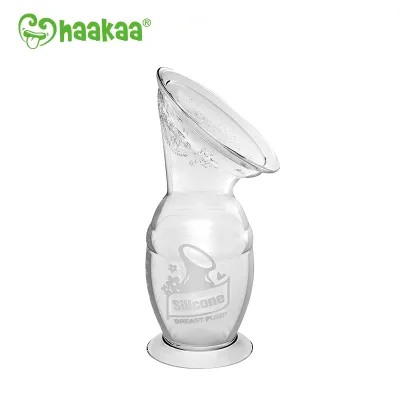
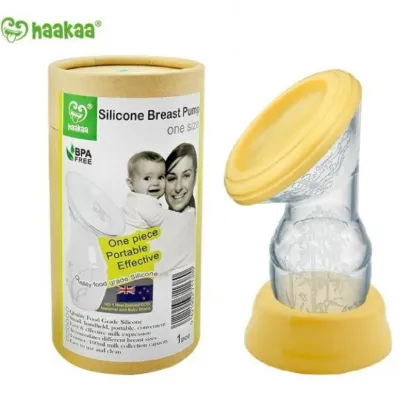
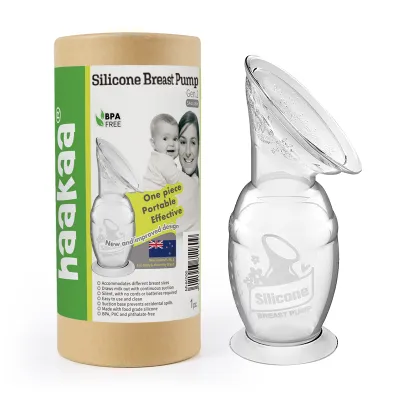
The Silicone Breast Pump uses continuous manual suction to actively extract breast milk, making it ideal for relieving engorgement, clearing minor clogs, or building up a freezer supply.
Products mentioned in this guide
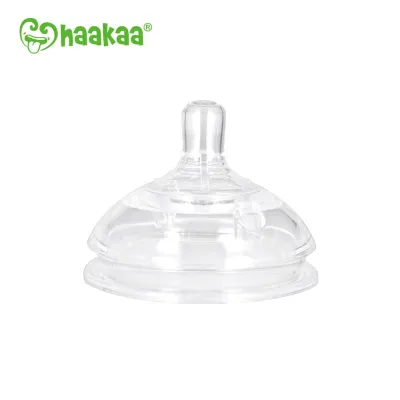
Prices are valid at publication and may change. Please refer to the product page for the latest price.
The Silicone Baby Bottle and Fresh Food Feeder serve as delivery tools, allowing you to feed expressed milk to your infant or safely introduce solid foods as your baby grows.
Because these products target different stages of feeding, many parents find that using a combination of these tools throughout their breastfeeding journey provides the most practical and efficient experience.
Understanding the Roles: Collecting, Pumping, and Feeding
To make an informed purchase, you must first understand the mechanical differences between passive collection, active expression, and feeding delivery. Passive collection relies entirely on your body’s natural let-down reflex and gravity. There is no active, continuous suction pulling milk from the breast tissue; instead, the device simply acts as a secure container to catch the milk that naturally leaks when oxytocin triggers a let-down.

Active expression, on the other hand, utilizes a constant or rhythmic vacuum to draw milk out of the breast. This process mimics the natural sucking pattern of an infant, actively emptying the breast to stimulate continued milk production. While a passive collector simply saves milk that was already escaping, an active pump signals your body to produce more milk by thoroughly draining the breast tissue.
Feeding tools represent the final phase of this cycle. Once milk is collected or pumped, silicone bottles provide a transition mechanism for caregivers to feed the baby. Later in infancy, specialized feeders transition your child from liquid nutrition to solid foods, allowing them to explore new textures safely.
Your choice among these categories should align with your specific lifestyle. For example, a mother who exclusively nurses her baby directly at the breast may only require a passive collector to save leaking milk during the first few weeks of supply regulation. Conversely, a mother preparing to return to a corporate workplace in Singapore after her maternity leave will rely heavily on active pumps and bottles to maintain her supply and feed her baby while away. Evaluating your daily routine, current milk supply, and your baby’s age will prevent you from buying unnecessary gear.
Haakaa Milk Collector: Best for Passive Let-Down Collection
The Haakaa Silicone Milk Collector, often referred to as the Ladybug, features a slim, low-profile shell designed to fit discreetly inside a standard nursing bra. Unlike traditional bulb-shaped pumps, this collector sits flat against your breast, secured by the pressure of your bra. It is engineered with a small suction plug that allows you to create a very light, hands-free seal against your skin, ensuring the collector stays in place without actively pulling milk.
This design is ideal for mothers who experience significant leaking from the opposite breast while nursing, or those who experience spontaneous leaks throughout the day. Instead of letting this milk go to waste in a disposable breast pad, the collector preserves every drop of “liquid gold” with zero extra effort. Because it is tucked inside your clothing, it is completely silent and highly discreet, making it suitable for use in public or at social gatherings.
However, passive collectors have clear practical limitations. They do not stimulate milk production or empty the breast, meaning they cannot be used to increase a low milk supply. Additionally, because they rely on the physical support of your bra, there is a risk of spilling the collected milk if you remove your bra carelessly or bend over too quickly before emptying the device.
In Singapore’s warm and humid climate, hygiene is an especially important consideration when using in-bra collectors. Prolonged exposure to trapped moisture can lead to skin irritation, chafing, or yeast infections on the breast. To maintain skin health, you should empty the collector frequently, wash your skin thoroughly, and avoid wearing the device continuously for hours at a time. Always check the manufacturer’s care instructions to ensure you are cleaning the silicone properly to prevent bacterial growth.
Haakaa Breast Pumps: Best for Active Expression and Relief
The classic Haakaa Manual Silicone Breast Pump is a simple, one-piece device that has become a staple in many newborn registries. Made from 100% food-grade silicone, it operates by squeezing the bulbous body of the pump, centering the flange over your nipple, and releasing the squeeze to create a continuous vacuum. This manual suction draws milk out of the breast actively, allowing you to hands-free pump while nursing your baby on the other side or during a dedicated pumping session.
This manual pump is highly suited for mothers who need to relieve engorgement during the early weeks of breastfeeding when supply is adjusting. It is also a valuable tool for clearing clogged ducts when paired with gentle warmth, though you should always consult a lactation professional before attempting any aggressive clearing techniques. For parents who want to build a modest freezer stash without the hassle of assembling, washing, and powering a complex electric pump, the simplicity and portability of this manual model are unmatched.
While the manual silicone pump is highly efficient for occasional use, it differs significantly from electric or wearable breast pumps. Electric pumps offer adjustable suction patterns and cycles that mimic a baby’s natural nursing rhythm, which is often necessary for mothers who pump exclusively or need to maintain a high milk supply while working full-time. The manual silicone pump provides a constant, static suction rather than a rhythmic cycle, which may not empty the breast as thoroughly for some individuals.
When using any breast pump, safety and physical comfort should be your primary guidelines. You must verify that the flange size fits your nipple correctly; an improper fit can cause friction, nipple pain, or even micro-tears in the breast tissue. The suction applied should always feel comfortable and should never cause pain. If you experience persistent discomfort, skin damage, or struggle with milk removal, stop using the device and consult an International Board Certified Lactation Consultant (IBCLC) to address underlying latch or supply concerns.
Haakaa Feeders and Bottles: Best for Milk Delivery and Solids
As your breastfeeding journey progresses, your focus will naturally expand to include milk delivery and, eventually, the introduction of solid foods. Haakaa’s silicone baby bottles are designed to ease the transition between breast and bottle. They feature anti-colic vents to minimize air intake during feeds, and the soft, flexible texture of the silicone mimics the natural feel of a mother’s breast, which can help breastfed babies accept the bottle more readily.
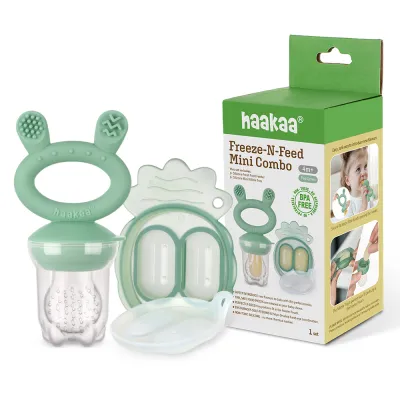
When your baby reaches the appropriate developmental stage, the Haakaa Fresh Food Feeder offers a safe way to introduce new tastes. This device consists of a soft silicone pouch with small holes, which you can fill with purees, soft fruits, or even frozen breast milk to soothe teething gums. As your baby chews on the feeder, small, manageable amounts of food pass through the holes, eliminating the choking hazards associated with larger chunks of solid food.
It is vital to align the use of these feeding tools with your baby’s developmental readiness. While silicone bottles can be introduced early on if you are supplementing or preparing to return to work, fresh food feeders are strictly intended for infants who are developmentally ready for solid foods. Health authorities generally recommend waiting until your baby is around six months old. Before introducing a feeder, look for key signs of readiness, such as the baby sitting up unassisted, displaying good head control, showing active interest in your food, and losing the natural tongue-thrust reflex that pushes solid objects out of their mouth.
Safety must remain your top priority during all feeding sessions. Never leave your baby unattended while they are using a bottle or a fresh food feeder, as choking can occur quickly and silently. Before every single use, physically inspect the silicone parts by pulling on them in all directions to check for tears, wear, or bite marks from emerging teeth. If you notice any damage, discard the component immediately to prevent small pieces from detaching and posing a choking hazard.
Quick Comparison: Collector vs. Pump vs. Feeder
To help you quickly evaluate which Haakaa product category aligns with your current needs, the following table summarizes the primary functions, mechanisms, and ideal use cases for each option.
| Product Category | Primary Function | Suction Mechanism | Best Use Case | Portability |
|---|---|---|---|---|
| Milk Collector (e.g., Ladybug) | Passive let-down collection | Light, passive seal | Catching leaks inside the bra during nursing or throughout the day | Extremely high (discreet, worn inside clothing) |
| Manual Silicone Pump | Active milk expression | Constant manual vacuum | Relieving engorgement, clearing clogs, and building a modest milk stash | High (one-piece, fits easily in a diaper bag) |
| Electric / Wearable Pump | Rhythmic, active milk extraction | Motorized rhythmic suction | Exclusive pumping, returning to work, or maintaining a full milk supply | Moderate (requires charging or power source) |
| Feeder / Bottle | Milk delivery and solids introduction | None (gravity and baby's sucking/chewing) | Transitioning to bottle feeding or introducing solid foods safely | High (simple travel caps and covers available) |
When considering the financial investment for these tools, prices will vary depending on the specific model, bundle options, and accessories you choose. Generally, passive collectors and manual silicone pumps represent a highly budget-friendly investment, whereas electric or wearable pumping systems require a higher financial investment. To find the most accurate, up-to-date pricing in Singapore Dollars (S$), we recommend checking official brand stores or authorized online retailers in Singapore.
How to Choose: A Decision Framework for Every Stage
Navigating the transition into parenthood requires choosing tools that fit your specific lifestyle, schedule, and physical needs. To simplify your decision, consider where you currently stand in your feeding journey and how you plan to feed your baby over the coming months.
Choose the Milk Collector if:
- You plan to nurse your baby directly at the breast for the majority of feeds and want a zero-effort way to save the milk that naturally leaks from the opposite side.
- You experience spontaneous leaking throughout the day and want to protect your clothing while building a modest milk stash without active pumping.
- You prefer a highly discreet, silent option that fits completely inside your nursing bra without adding bulk or requiring external cords.
Choose the Manual Pump if:
- You need a highly portable, quiet, and reliable tool to relieve sudden engorgement or full breasts while traveling, on date nights, or away from home.
- You want to actively express milk or build a freezer stash but prefer to avoid the cleaning, assembly, and noise of an electric pump.
- You are looking for an affordable, straightforward backup method to help manage your milk supply during the early weeks of postpartum.
Choose an Electric or Wearable Pump if:
- You are preparing to return to a busy corporate workplace in Singapore and need a highly efficient, hands-free system to pump milk quickly during scheduled office breaks.
- You are exclusively pumping or need to actively increase and maintain your milk supply through regular, structured expression sessions.
- You require adjustable suction levels and rhythmic cycles that closely mimic your baby's natural feeding patterns to empty your breasts thoroughly.
Choose Bottles or Feeders if:
- You are transitioning your baby to combination feeding, preparing to have a partner or caregiver take over feeding duties, or preparing to return to work.
- Your baby has reached approximately six months of age, shows all the physical signs of developmental readiness, and is ready to safely explore solid foods.
- You want to provide your teething infant with chilled or frozen breast milk in a secure, chewable format to soothe sore gums.
Verify first if: Before purchasing any new feeding or pumping equipment, take a moment to evaluate your physical comfort and your baby’s feeding behavior. If you are experiencing severe nipple pain, damaged skin, a sudden drop in milk supply, or if your baby is consistently refusing both the breast and the bottle, buying more gear is unlikely to resolve the root cause. Under these circumstances, pause and consult an International Board Certified Lactation Consultant (IBCLC) or your pediatrician. A qualified professional can assess your baby’s latch, evaluate oral anatomy, and provide a personalized plan to ensure a healthy feeding relationship.
Frequently Asked Questions (FAQ)
Can I use the Haakaa Silicone Pump as a milk collector inside my bra?
While both the manual silicone pump and the Ladybug milk collector are made from food-grade silicone, they are designed for entirely different physical applications. The classic manual silicone pump features a prominent, bulbous body and a wide flange that protrudes significantly from the breast. Attempting to squeeze this bulky device inside a standard nursing bra is highly uncomfortable, restricts movement, and can apply uneven pressure to your breast tissue, which may lead to blocked milk ducts. Furthermore, because the manual pump is not designed to sit flat, it is highly prone to tipping over and spilling your collected milk when you move. For safe, comfortable, and leak-free wear inside your bra, you should use the low-profile Milk Collector specifically designed for that purpose.
How do I properly clean and sterilize Haakaa silicone products?
Maintaining strict hygiene for your feeding equipment is essential for protecting your baby’s developing immune system. Most 100% food-grade silicone components can be safely cleaned with warm, soapy water, rinsed thoroughly, and then sterilized using boiling water for five minutes, a steam sterilizer, or a UV sterilizer. However, you must always verify the specific care instructions provided by the manufacturer for each individual product. Some items contain multiple materials; for example, bottle collars, travel caps, or electric pump components often feature plastic or motorized parts that cannot withstand high heat or UV exposure. Running these sensitive parts through a high-heat cycle can warp the material, compromise the airtight seals, or permanently damage the electronics. Always disassemble all parts completely before cleaning, and allow them to air dry thoroughly in a clean, dust-free environment.
Is the silicone fresh food feeder safe for a 4-month-old baby?
No, the silicone fresh food feeder is not safe or appropriate for a typical four-month-old infant. The fresh food feeder is designed specifically for introducing solid foods or thick purees, which should only occur when a baby is developmentally ready. Major health organizations globally recommend exclusive breastfeeding or formula feeding for the first six months of life. At four months old, most infants lack the trunk control to sit upright unassisted and still possess a strong tongue-thrust reflex, which automatically pushes solid objects out of their mouths to prevent choking. Introducing solids or using a feeder too early can increase the risk of choking and strain your baby’s digestive system. Always wait until your baby is approximately six months old, displays clear physical signs of readiness, and has been cleared by your pediatrician before using a fresh food feeder.

Community discussion
Share your experience or ask a question. Comments are reviewed before publication.