
Choosing the right baby bottle material involves balancing safety, daily convenience, and your baby’s developmental stage. While glass, silicone, and PPSU (polyphenylsulfone) are all popular choices for infant feeding, each comes with distinct physical properties, care requirements, and handling characteristics. This guide breaks down the practical differences between these three materials, helping you evaluate safety labels, sterilization compatibility, and real-world durability to build a feeding routine that works for your family.
Selecting a bottle material is not a one-size-fits-all decision. A newborn feeding routine managed entirely by parents has very different requirements from a self-feeding toddler’s routine. By understanding how these materials perform under daily sterilization, travel, and cleaning, you can make an informed choice that minimizes stress and supports your baby’s growth.
Comparing the Core Traits of Glass, Silicone, and PPSU
To make an informed decision, it is essential to understand the physical properties of each material. Glass is a traditional, heavy, and completely rigid material. It offers excellent transparency, allowing you to easily read measurement markings and check the milk level during a feed. However, its weight can cause caregiver wrist fatigue during long feeding sessions and makes it difficult for older infants to hold the bottle independently.
Products mentioned in this guide
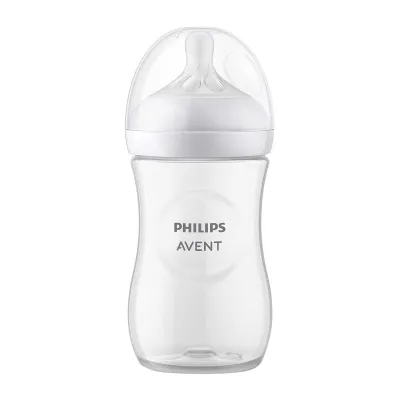
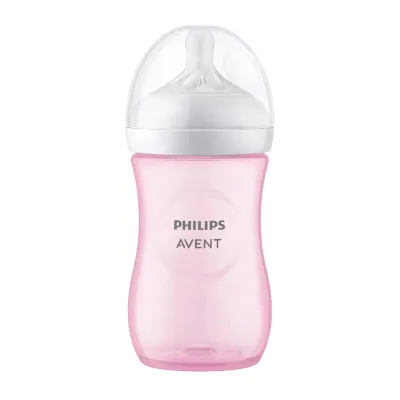
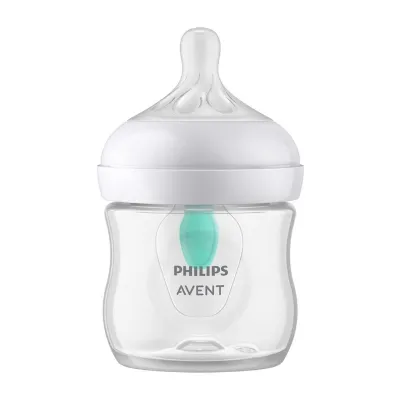
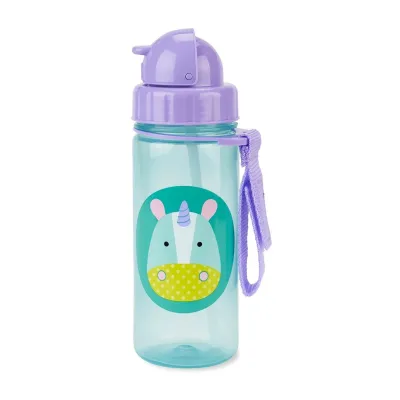
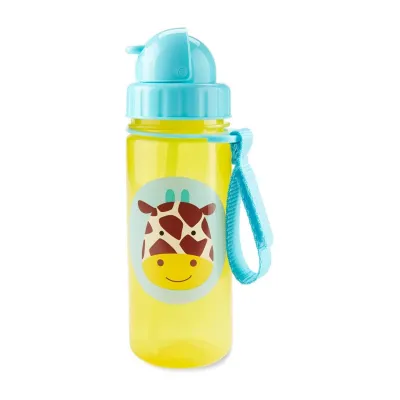
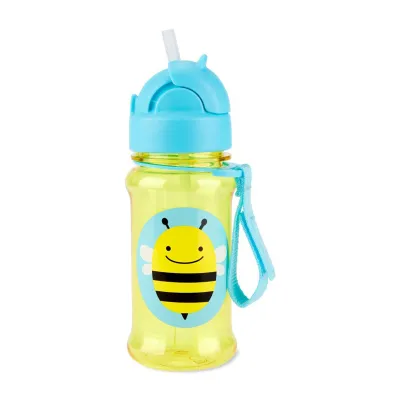
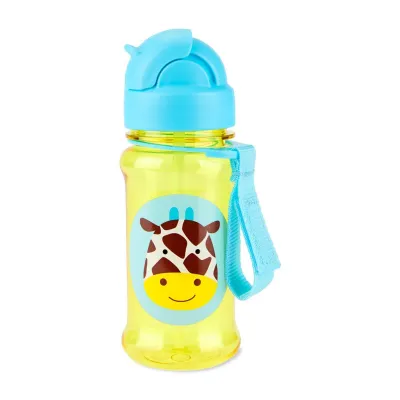
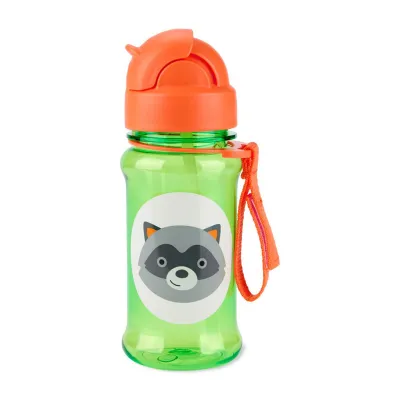
Prices are valid at publication and may change. Please refer to the product page for the latest price.
Food-grade silicone represents a modern, flexible alternative. It is lightweight and has a soft, squishy texture that mimics the natural feel of skin, which some parents find helpful for breastfed babies transitioning to bottles. Silicone bottles are typically translucent or slightly matte rather than perfectly clear, and their flexible bodies require a sturdy collar to prevent accidental squeezes that could cause milk to spill.
PPSU, or polyphenylsulfone, is a medical-grade thermoplastic known for its high durability and lightweight structure. It is easily recognizable by its natural honey-colored or amber tint, which does not fade even after repeated use. PPSU combines the rigidity and clarity of glass with the shatterproof convenience of plastic, making it a highly practical option for active households.
Each of these materials has distinct heat tolerance profiles that dictate how they can be prepared and cleaned. Glass can withstand high temperatures but is vulnerable to thermal shock, meaning sudden temperature changes can cause it to crack. Silicone and PPSU both boast high heat resistance, allowing them to undergo intensive sterilization without warping, though you must always verify the exact temperature limits printed on the product packaging.
Verifying Safety Standards and Hygiene for Each Material
Ensuring the safety of your baby’s feeding equipment requires active verification of product labels and certifications. When shopping, look for explicit “BPA-free” and “BPS-free” labels on the packaging. Because bisphenols can mimic hormones, verifying that the manufacturer complies with international food-contact safety standards is a crucial first step before introducing any bottle to your baby.

Sterilization compatibility varies significantly across these materials, and failing to follow manufacturer guidelines can compromise the bottle’s integrity. Glass bottles are highly compatible with boiling water and steam sterilizers, but they should not be subjected to rapid cooling immediately after heating. PPSU is resilient and can withstand steam, boiling, and UV sterilization, though some manufacturers note that prolonged UV exposure may cause the amber tint to deepen over time.
Silicone bottles are generally safe for boiling and steam, but their porous nature means they can absorb chemical residues if sterilized alongside heavily scented soaps or in water with high mineral content. Always check the manufacturer’s instructions regarding UV sterilizer compatibility, as certain silicone formulations can degrade or become brittle under specific UV wavelengths.
A regular visual inspection checklist is vital for maintaining hygiene as your baby grows. For glass bottles, inspect the rim and base daily for hairline cracks, chips, or cloudiness that cannot be washed away. For PPSU, look closely for micro-scratches on the inner surface; these tiny grooves can harbor milk proteins and bacteria even after washing. For silicone, check for a sticky texture, micro-tears around the collar, or persistent odors, which indicate the material is breaking down and needs immediate replacement.
Assessing Daily Practicality, Cleaning, and Durability
Daily practicality often comes down to how well a bottle handles the environment of a busy home or travel. Glass bottles carry a constant risk of breakage, making them less suitable for outdoor use, stroller rides, or homes with hard tile flooring. If a glass bottle drops and shatters, it creates an immediate safety hazard for crawling babies and pets, which is why many parents restrict glass use to carpeted areas or supervised home feeds.
Silicone and PPSU are inherently shatterproof, offering peace of mind during travel or when your baby begins to throw objects from the highchair. PPSU is robust, resisting scratches and impacts better than standard polypropylene plastics. This durability makes PPSU an excellent investment for families planning to use the same bottles for future siblings or for daily transport to daycare.
Cleaning efficiency is another major differentiator in daily routines. Glass has an incredibly smooth, non-porous surface that repels milk fats and oils, allowing it to be cleaned quickly with a standard bottle brush and mild soap without leaving a greasy film. Silicone, being more porous, tends to attract milk fat residues, often requiring a specialized silicone brush and more vigorous scrubbing to ensure no oily residue remains. PPSU sits in the middle, resisting residues well but requiring a soft sponge or silicone brush to avoid creating micro-scratches.
Temperature handling during milk preparation also impacts your daily routine. Glass transfers heat rapidly, allowing you to warm expressed breast milk or formula quickly in a bowl of warm water, though it also cools down just as fast. Silicone acts as an insulator, meaning it takes longer for heat to penetrate the thick walls to warm the milk, but it will keep the milk warm for longer during a slow, distracted feed. PPSU offers moderate heat transfer, warming up reasonably fast while keeping the bottle comfortable for a caregiver to hold.
Building Your Baby Bottle Shortlist by Age and Routine
As your baby grows, their physical capabilities and feeding patterns will change, making a transition in bottle materials highly practical. During the newborn stage, when parents do all the holding, glass bottles are excellent due to their hygiene and ease of cleaning. However, once your baby reaches the age of self-holding—typically around six months—transitioning to lightweight, shatterproof PPSU or silicone bottles prevents accidental drops and supports fine motor skill development.
When planning your feeding budget in S$, it is helpful to look at the long-term cost rather than just the initial purchase price. Glass bottles have a higher upfront cost but can last indefinitely if handled carefully, reducing the need for frequent replacements. PPSU bottles represent a premium investment in S$ due to their medical-grade material, but their extreme durability means they outlast standard plastic bottles, saving money over time. Silicone bottles fall into a similar premium price range and offer unique tactile benefits, but they may need more frequent replacement if they develop persistent odors or stickiness.
Many experienced parents find that mixing materials is a practical and cost-effective strategy. You might choose to use glass bottles for nighttime feeds at home, where cleaning efficiency and quick warming are priorities. For daycare, travel, and stroller outings, keeping a shortlist of lightweight PPSU or silicone bottles ensures you have shatterproof options ready for any environment.
Frequently Asked Questions (FAQ)
Can I mix different bottle materials for the same baby?
Yes, you can use different bottle materials for the same baby, as most infants adapt easily to switching between glass, silicone, and PPSU. The key to preventing bottle refusal is maintaining consistency in the nipple shape, material, and flow rate rather than the bottle body itself. If you plan to mix and match bottle bodies and nipples from different brands, always verify collar compatibility to prevent leaks and ensure the venting system functions correctly.
How do I know when it is time to replace a PPSU or silicone bottle?
You should replace a PPSU bottle if you observe deep scratches, cracks, or persistent cloudiness that does not clear after washing. For silicone bottles, look for signs of material degradation such as a sticky or tacky surface, micro-tears around the rim, or a strong, sour milk odor that remains after thorough sterilization. Always consult the manufacturer’s guidelines on the packaging, as most brands recommend replacing silicone and plastic bottle components every few months of active use to ensure optimal hygiene.
Community discussion
Share your experience or ask a question. Comments are reviewed before publication.