
Choosing the safest milk storage bottle depends on balancing chemical stability, durability, and daily convenience. While glass offers the highest chemical purity and resistance to degradation, food-grade silicone provides excellent shatterproof flexibility, and high-quality plastic offers unmatched lightweight portability. No single material is universally superior; instead, the best choice aligns with your specific storage setup, feeding routine, and handling preferences.
Key Decision Factors for Breast Milk Storage
Chemical stability is paramount when storing breast milk, as the material must not leach harmful substances into the milk during storage, warming, or sterilization. Parents should look for verified BPA-free and BPS-free labels on all storage containers to minimize exposure to endocrine-disrupting chemicals.
Durability and weight directly impact daily handling, especially during late-night feedings or when transporting milk. A bottle that is too heavy can cause hand fatigue, while a fragile container poses a safety hazard if dropped on hard kitchen tiles.
Products mentioned in this guide
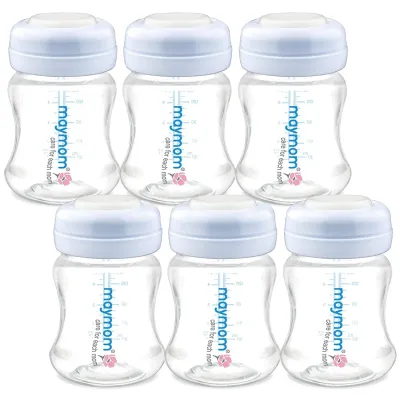
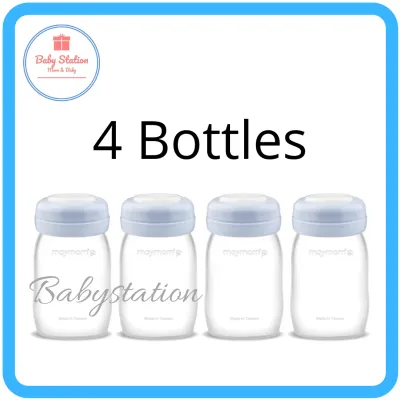
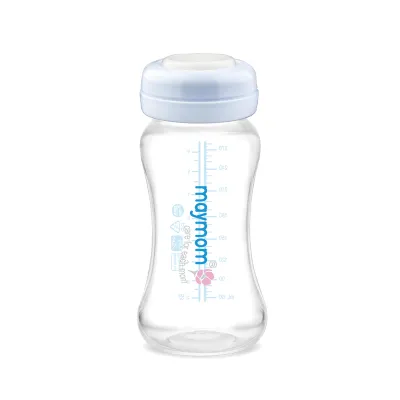
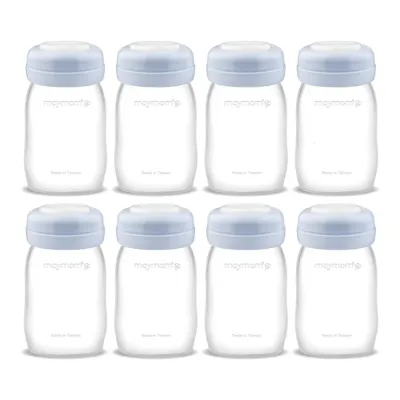
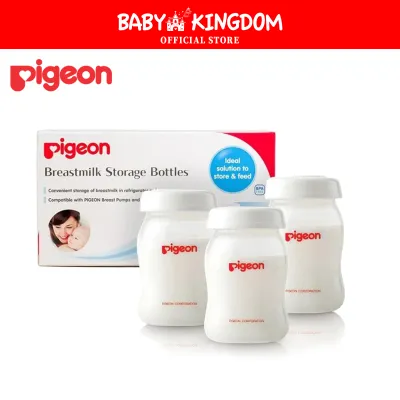
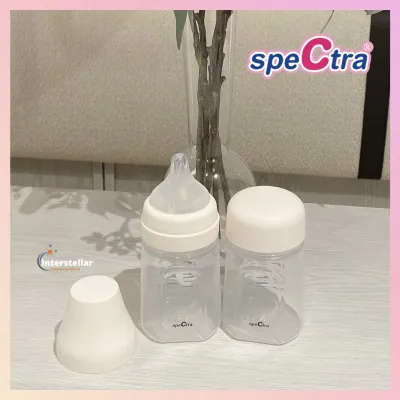
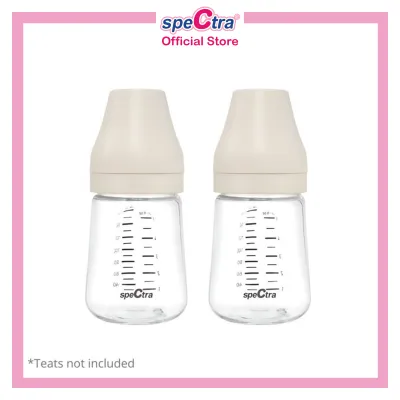
Prices are valid at publication and may change. Please refer to the product page for the latest price.
Compatibility with temperature transitions is another critical factor, as breast milk frequently moves from the freezer or refrigerator to a warm water bath. The material must withstand these rapid temperature changes without cracking, warping, or releasing microparticles.
Ease of cleaning and sterilization ensures that no bacterial residue remains to contaminate subsequent batches of milk. Some materials resist odors and fat adhesion better than others, which directly affects how easily you can maintain hygiene over months of continuous use.
Glass Milk Storage Bottles: Pros, Cons, and Best Use Cases
Glass bottles are widely regarded as the gold standard for chemical purity because they feature a completely non-porous surface. This natural barrier prevents breast milk fats from clinging to the sides, ensuring your baby receives the full nutritional value of every feed. Additionally, glass does not absorb food odors, resists staining, and can withstand countless sterilization cycles without degrading.

However, the primary drawbacks of glass are its heavy weight and inherent fragility. Dropping a glass bottle can result in dangerous shards, and improper freezing or rapid temperature changes can cause the glass to crack or shatter due to thermal shock. This makes glass less suitable for older babies who are beginning to hold their own bottles or for active, on-the-go use.
The ideal scenario for glass storage is a home-based setup where caregivers handle all feeding and preparation. If you prioritize long-term material stability and plan to use the bottles across multiple children, glass offers an exceptionally long lifespan when handled with care.
Plastic Milk Storage Bottles: Pros, Cons, and Best Use Cases
Plastic storage bottles are highly popular due to their lightweight, shatterproof design and general affordability. They are exceptionally easy to pack into diaper bags, transport to daycare, and hand over to older infants who are learning to feed themselves. Their resilience to drops makes them a highly practical choice for busy, fast-paced households.
Despite their convenience, plastic bottles are susceptible to scratching during cleaning, and these microscopic crevices can harbor bacteria over time. There are also ongoing concerns regarding the potential release of microplastics or chemical leaching when plastic is subjected to high heat during warming or sterilization. Over time, plastic can also discolor, become cloudy, or retain stubborn milk odors.
Plastic is best suited for on-the-go feeding, travel, daycare drop-offs, and budget-conscious families who value convenience. To maximize safety, caregivers must diligently verify that all plastic bottles are labeled as food-grade and free from BPA, BPS, and other harmful plasticizers.
Silicone Milk Storage Bottles: Pros, Cons, and Best Use Cases
Silicone has emerged as a modern alternative, combining the shatterproof durability of plastic with a high level of chemical stability. Food-grade silicone is lightweight, soft to the touch, and highly resistant to extreme temperatures, allowing it to transition smoothly from the freezer to boiling water. Its flexible nature makes it virtually indestructible when dropped.
On the downside, silicone is a porous material that can absorb strong odors from dish soaps or surrounding foods in the fridge. The exterior surface can also develop a slightly tacky or sticky texture over time, attracting lint or dust if not stored properly. Furthermore, silicone storage options typically carry a higher initial price point compared to standard plastic.
Silicone bottles are ideal for frequent travelers, families operating in drop-prone environments, and babies transitioning to self-feeding who enjoy the soft, grippable texture. They offer a reassuring middle ground for parents seeking a non-plastic option that won’t shatter.
Comparing Glass, Plastic, and Silicone Bottles
To help you weigh these options, the following comparison highlights how each material performs across key practical dimensions. Keep in mind that performance can vary based on specific manufacturing standards, so always refer to individual product guidelines.
| Feature | Glass Bottles | Plastic Bottles | Silicone Bottles |
|---|---|---|---|
| Weight | Heavy | Very Lightweight | Lightweight |
| Drop Resistance | Low (Fragile) | High (Shatterproof) | Excellent (Shatterproof) |
| Chemical Stability | Excellent (Non-leaching) | Moderate (Heat-sensitive) | High (Temperature-stable) |
| Freezer Compatibility | Conditional (Risk of cracking) | High (Flexible) | High (Flexible) |
| Expected Lifespan | Very Long (Unless broken) | Short to Medium (Needs replacement) | Long (With proper care) |
As shown, no single material excels in every category. While glass offers unmatched chemical stability and lifespan, it falls short in drop resistance and weight, where plastic and silicone perform exceptionally well.
How to Choose the Right Milk Storage Bottle for Your Baby
To finalize your decision, consider your daily routine and specific feeding environment. Choose glass if you primarily feed at home, prioritize maximum chemical purity, and want a durable material that will last through multiple developmental stages.
Choose plastic if you require a lightweight, budget-friendly option for daycare, travel, or situations where other caregivers will be handling the bottles frequently. Choose silicone if you want a shatterproof, non-plastic alternative that can withstand rapid temperature changes and is easy for your baby to grip.
Before purchasing any storage system, verify that the bottles are fully compatible with your specific breast pump model, either directly or via a secure adapter. If your baby has specific medical conditions or severe allergies, consult a qualified healthcare professional to determine if a particular material is recommended for their feeding plan.
Safe Handling and Maintenance for All Materials
Regardless of the material you choose, regular inspection is vital to ensure your baby’s safety. Examine plastic bottles regularly for cloudiness, deep scratches, or discoloration, and inspect glass bottles for hairline cracks or chips, discarding any damaged items immediately.
Always follow the manufacturer’s precise instructions for sterilization, dishwasher use, and warming, as exceeding recommended temperature limits can compromise the material’s integrity. When freezing breast milk, always leave at least an inch of headspace at the top of the bottle to allow the liquid to expand safely without causing the container to burst or leak.
Frequently Asked Questions (FAQ)
Can I freeze breast milk in glass bottles?
Yes, you can freeze breast milk in glass bottles, but you must take specific precautions to prevent cracking. Always verify that the manufacturer explicitly rates the bottle as freezer-safe, as tempered glass is highly recommended for cold storage. Additionally, never fill the bottle to the brim; leave adequate headspace for the liquid to expand as it freezes, and avoid exposing the frozen bottle to sudden, extreme heat to prevent thermal shock.
How often should I replace plastic milk storage bottles?
Plastic milk storage bottles generally require replacement every few months, or sooner if they show signs of wear. Caregivers should inspect plastic containers regularly for visual cues such as persistent cloudiness, deep scratches, warping, or stubborn discoloration. Because damaged plastic surfaces can harbor bacteria and potentially release microparticles, replacing worn bottles promptly is essential for maintaining hygiene.
Is silicone safe for storing breast milk long-term?
Food-grade silicone is highly stable and safe for storing breast milk, but it requires careful maintenance to prevent degradation. Because silicone is slightly porous, it can absorb food odors and soap residues over time, which may affect the smell or taste of the stored milk. To maintain its integrity, wash silicone bottles thoroughly with mild, unscented soap, sterilize according to manufacturer guidelines, and store them in a dry, dust-free environment.
Community discussion
Share your experience or ask a question. Comments are reviewed before publication.