
When selecting a milk bottle for your baby, there is no single “safest” or “best” material that outshines the rest in every single category. The ideal choice depends entirely on how you balance chemical stability, physical durability, weight, and your daily feeding routine. Each material comes with distinct trade-offs that suit different stages of your baby’s development and your lifestyle.
Glass offers the highest level of chemical stability and is exceptionally easy to clean without scratching, but it is heavy and prone to breaking if dropped. Plastic is lightweight, highly affordable, and shatterproof, making it excellent for travel, but it requires strict monitoring for scratches and has lower heat resistance. Silicone is soft, highly durable, and lightweight, but it can absorb soapy odors and requires meticulous cleaning to prevent residue buildup.
To get the best of all worlds, many families in Singapore opt for a mixed approach. They use stable glass bottles at home for nighttime or infant feeds and switch to lightweight plastic or silicone bottles for travel, daycare, or when the baby begins learning to hold the bottle independently. Understanding the specific characteristics of each material will help you create the safest and most practical feeding setup for your family.
Products mentioned in this guide
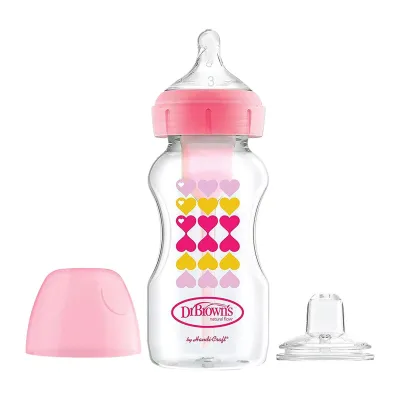
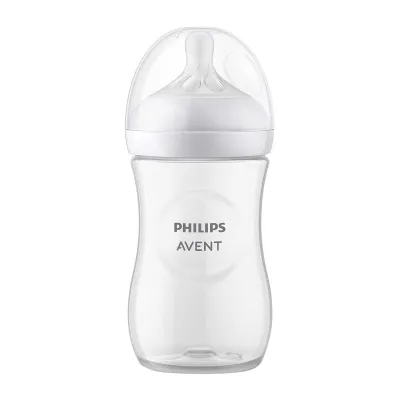
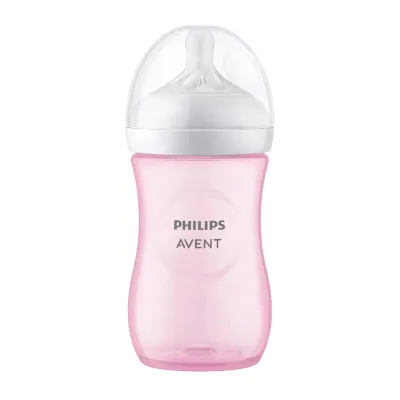
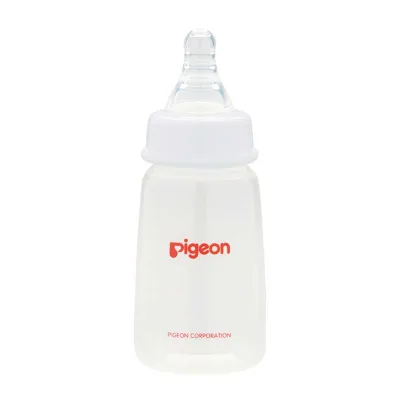
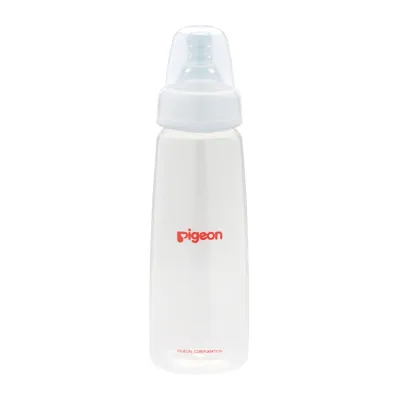
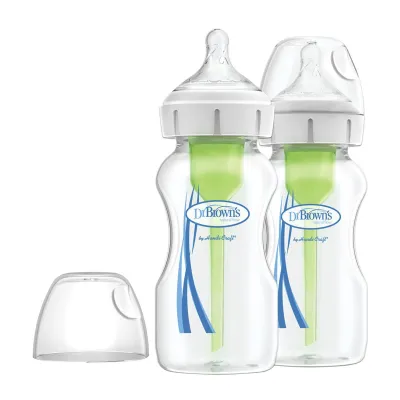
Prices are valid at publication and may change. Please refer to the product page for the latest price.
Safety Profile: Heat Resistance and Material Stability
Understanding how different milk bottle materials react to heat and long-term use is essential for protecting your baby’s health. During daily sterilization and warming, bottles are exposed to high temperatures that can affect their structural integrity and chemical stability.
Glass Bottles and Chemical Inertness
High-quality glass milk bottles are typically made from borosilicate glass, a material celebrated for its exceptional thermal shock resistance. This means the bottle can transition from cold refrigeration to hot water baths without cracking or shattering. Regular soda-lime glass, commonly used in food jars, can crack under sudden temperature changes, which is why reputable baby brands prioritize borosilicate.
From a chemical perspective, glass is completely inert. It does not contain synthetic chemicals, organic compounds, or plasticizers, meaning there is zero risk of harmful chemicals leaching into your baby’s breast milk or formula, even when exposed to boiling water or high-heat steam sterilizers. The primary safety concern with glass is entirely physical rather than chemical; a dropped glass bottle can shatter, creating sharp fragments that pose an immediate hazard to both the caregiver and the baby.
Plastic Bottles and Heat Limitations
Plastic milk bottles are lightweight and durable, but their chemical stability under heat requires careful attention. Modern plastic bottles are manufactured from several types of plastic, primarily Polypropylene (PP), Polyphenylsulfone (PPSU), or Polyethersulfone (PESU).
- Polypropylene (PP): The most common and budget-friendly plastic. It is softer and has a lower heat tolerance (typically up to 110°C), meaning it degrades faster under frequent sterilization.
- Polyethersulfone (PESU): A mid-tier plastic with higher heat resistance (up to 180°C) and a natural honey-colored tint. It is harder than PP and more scratch-resistant.
- Polyphenylsulfone (PPSU): The highest-grade plastic used in medical devices. It has extreme durability, can withstand temperatures up to 180°C, is highly scratch-resistant, and does not absorb odors or stains easily. It is more expensive but lasts significantly longer.
While regulations require these bottles to be labeled “BPA-free” (free of Bisphenol A) and often “BPS-free” (free of Bisphenol S), parents must remain cautious. Research indicates that even BPA-free plastics can degrade when subjected to high temperatures, such as during boiling, microwaving, or intensive steam sterilization. This thermal degradation can release microscopic plastic particles (microplastics and nanoplastics) into the liquid inside.
To minimize these risks, always verify the maximum temperature threshold specified by the manufacturer on the product packaging. PP bottles typically tolerate heat up to 110°C, whereas high-grade PPSU bottles can withstand temperatures up to 180°C. Never heat plastic bottles beyond their rated limits, avoid using them in the microwave, and always let boiled water cool slightly before pouring it into a plastic bottle.
Silicone Bottles and Material Purity
Food-grade and platinum-cured silicone have gained popularity as highly stable, non-toxic alternatives to plastic. Silicone is a synthetic polymer made from silicon, oxygen, carbon, and hydrogen, and it is naturally free from BPA, BPS, phthalates, and PVC.
Platinum-cured silicone is particularly recommended for baby products because it uses platinum as a curing agent rather than peroxide, resulting in a purer material with fewer volatile organic compounds. Silicone is highly heat-resistant, with many brands specifying temperature thresholds up to 200°C or higher. It does not warp or leach chemicals during standard steam, boiling, or UV sterilization.
However, you must check the manufacturer’s specifications to confirm the exact temperature limits of your specific silicone bottle. Additionally, avoid exposing silicone bottles to direct heating elements or open flames, and ensure that any plastic collars or rings attached to the silicone bottle are sterilized according to their own specific material guidelines.
Actionable Safety Verification Checklist
Before purchasing or sterilizing any bottle, perform these quick checks on the packaging:
- Verify Material Labels: Look for clear markings indicating "Borosilicate Glass," "PPSU," "PP," or "Food-Grade/Platinum-Cured Silicone."
- Check Temperature Limits: Locate the maximum sterilization temperature printed on the manual or box.
- Look for Safety Symbols: Confirm the presence of food-contact safety symbols (such as FDA or European LFGB compliance marks).
- Review Microwave Guidelines: Verify if the bottle body, collar, and nipple are explicitly marked as microwave-safe before heating.
Durability and Lifespan: Managing Drops, Scratches, and Wear on Milk Bottles
The physical longevity of a milk bottle directly impacts both your household budget and the hygiene of your baby’s feeds. Daily washing, accidental drops, and frequent sterilization subject bottles to constant wear and tear.

Glass: High Scratch Resistance but Fragile
Glass bottles are incredibly durable when it comes to resisting surface wear. Because glass is a hard, non-porous material, it is highly resistant to scratching from bottle brushes and does not absorb stains or odors from milk fats and dish soaps.
The smooth surface of glass prevents the formation of microscopic crevices where bacteria, mold, or milk residues can hide, making it exceptionally hygienic over months of continuous use. The obvious drawback is fragility. A single drop onto a hard kitchen tile or bathroom floor can shatter the bottle. To protect glass bottles from impact, many parents use protective silicone sleeves, which absorb shock and provide a non-slip grip during feeds.
Plastic: Shatterproof but Prone to Scratching
Plastic bottles excel at surviving accidental drops, making them a safe choice for older babies who are learning to hold their own bottles. However, plastic is a relatively soft material that scratches easily.
Using standard nylon bottle brushes or abrasive sponges can create tiny, microscopic scratches on the inner walls of a plastic bottle. These scratches are highly problematic because they can trap milk proteins, fats, and bacteria, making the bottle difficult to sterilize thoroughly. Over time, frequent exposure to heat and scrubbing causes plastic to degrade, resulting in a cloudy appearance, permanent discoloration, or a sticky surface texture.
Silicone: Tear-Resistant but Prone to Odor Absorption
Silicone is virtually shatterproof and highly flexible, easily surviving drops from high chairs and strollers. It has excellent tear resistance, meaning it will not crack or split under normal handling.
The primary durability challenge with silicone is its porous molecular structure, which makes it highly prone to absorbing strong odors. If you use heavily scented dish soaps, the silicone can retain a soapy smell that alters the taste of the milk, potentially causing your baby to reject the bottle. Silicone can also absorb the smell of sour milk if not washed immediately.
To prevent odor absorption, use fragrance-free, plant-based dish soaps specifically formulated for baby bottles. Regular dishwashing liquids often contain heavy synthetic perfumes that bind to the porous surface of silicone. If a silicone bottle has absorbed an odor, you can boil it in clean water with a tablespoon of baking soda for 10 to 15 minutes (if approved by the manufacturer) to help neutralize the smell. Furthermore, while silicone is highly flexible, it can be punctured or sliced by sharp objects, such as long fingernails, jewelry, or sharp cleaning utensils.
Replacement Guide: When to Discard Your Bottles
To maintain optimal hygiene and safety, inspect your baby’s bottles regularly and replace them immediately if you observe any of the following signs:
- For Glass Bottles: Replace immediately if you detect any chips, hairline cracks, starburst fractures, or deep scratches, as these compromise the structural integrity and can cause the bottle to break unexpectedly during heating or feeding.
- For Plastic Bottles: Replace standard PP bottles every 3 to 6 months, and high-grade PPSU bottles every 6 to 12 months. Discard them sooner if the plastic becomes cloudy, deeply scratched, permanently discolored, or develops a sticky or rough texture.
- For Silicone Bottles: Replace every 6 months, or immediately if the material becomes sticky, develops permanent discoloration, exhibits tears or punctures, or retains a strong, persistent odor that does not disappear after thorough washing.
Daily Practicality: Weight, Sterilization, and Travel
A milk bottle must fit seamlessly into your daily routine. Considering how much time you will spend washing, sterilizing, packing, and holding these bottles, daily practicality is a major factor in your decision.
Weight and Grip for Caregivers and Babies
The weight of a bottle affects who can comfortably use it and at what stage of development:
- Newborn Stage (0-3 Months): Caregivers do 100% of the holding. Weight is rarely an issue, making glass an excellent choice for maximum hygiene and safety during this vulnerable stage.
- Transitional Stage (4-6 Months): Babies start touching and patting the bottle. Lightweight silicone or plastic bottles can help them practice grasping without adding unnecessary strain.
- Independent Feeding Stage (6+ Months): Babies may try to hold the bottle themselves. Shatterproof, lightweight materials like PPSU or silicone are much safer and easier for them to manage, reducing the risk of a heavy bottle dropping onto their face or the floor.
Silicone bottles offer an additional tactile advantage; their soft, squeezable texture mimics the natural feel of breastfeeding and provides an easy-to-grip surface for tiny hands, supporting the development of fine motor skills and hand-eye coordination.
Cleaning and Sterilization Routines
In Singapore’s warm and humid climate, maintaining a strict cleaning and sterilization routine is vital to prevent bacterial growth. Always refer to the manufacturer’s instructions for your specific milk bottle brand and sterilization equipment before cleaning.
Glass is the most versatile material for sterilization, easily tolerating boiling water, steam sterilizers, and UV sterilizers without any risk of warping or degradation. Silicone also tolerates boiling and steam well, though some manufacturers advise limiting UV sterilization, as prolonged UV exposure can cause silicone to yellow over time. Additionally, silicone’s slightly tacky surface can attract dust and lint, requiring you to rinse the bottle thoroughly before assembly.
Plastic bottles require the most care during sterilization. PP bottles can warp if exposed to excessive heat in steam sterilizers, and they can degrade rapidly under UV light unless explicitly rated as UV-safe. If you use a UV sterilizer, high-grade PPSU or glass bottles are generally the most durable and reliable options.
Travel and On-the-Go Practicality
When packing a diaper bag for an outing or preparing bottles for an infant care center, weight and safety are paramount. Plastic and silicone bottles are the undisputed winners for travel. They add minimal weight to your bag and will not break if your diaper bag is dropped or bumped during transit.
Glass bottles, on the other hand, add substantial weight to your travel gear and require protective padded sleeves to prevent breakage. Many infant care centers and daycares in Singapore actually prohibit glass bottles due to the safety risk of breakage in a communal play area, making plastic or silicone a necessity for families utilizing these services.
Decision Framework: When to Choose Glass, Plastic, or Silicone
To make the best decision for your family, evaluate your lifestyle, budget, and baby’s developmental stage against this conditional framework.
Choose Glass Milk Bottles If:
- You primarily feed your baby at home and do not mind the extra weight in your diaper bag.
- You prioritize absolute chemical inertness and want a bottle that will never leach any chemicals, regardless of sterilization frequency.
- You want a highly durable option that resists scratches and can be safely reused for future siblings.
- You are willing to handle the bottles carefully and invest in protective silicone sleeves to prevent breakage.
Choose Plastic Milk Bottles If:
- You need a lightweight, highly budget-friendly, and shatterproof option for daily travel, daycare, or outings.
- Your baby is transitioning to independent feeding and needs a lightweight bottle that is easy to lift and hold.
- Your local infant care center prohibits glass bottles due to safety regulations.
- You are committed to regularly inspecting the bottles and replacing them every few months as scratches and wear appear.
Choose Silicone Milk Bottles If:
- You want a shatterproof, lightweight bottle that offers a soft, natural grip for your baby's hands.
- Your baby is breastfed and prefers a flexible, squeezable bottle texture that mimics the breast.
- You want a highly durable, heat-resistant material that lasts longer than plastic but is much lighter than glass.
- You are prepared to wash the bottles thoroughly with fragrance-free dish soap to prevent odor absorption.
The Hybrid Strategy: Combining Materials
Many families in Singapore find that a hybrid approach offers the most practical solution. You can purchase a few glass bottles to use at home during the early months when your baby is small, feeds are frequent, and sterilization is constant.
As your baby grows, starts holding their own bottle, and begins going out more often, you can introduce high-quality PPSU plastic or silicone bottles for travel and daycare. This hybrid strategy allows you to maximize the chemical safety and hygiene of glass at home while enjoying the lightweight, shatterproof convenience of plastic and silicone on the go.
Frequently Asked Questions (FAQ)
Can I mix different bottle materials for my baby?
Yes, mixing different bottle materials is a highly practical and common approach for many parents. You can easily use glass bottles at home and switch to plastic or silicone bottles for travel or daycare.
When mixing bottle materials, the most important factor is keeping the nipple shape, material, and flow rate consistent across all bottles. While babies rarely notice a change in the material of the bottle body, a change in the nipple style or flow rate can cause feeding frustration, nipple confusion, or feeding aversion. Ensure that whatever bottle bodies you choose, they are compatible with your baby’s preferred nipple brand and flow stage.
How often should I replace plastic and silicone milk bottles?
You should replace milk bottles based on visible signs of wear and tear, as well as the manufacturer’s instructions, rather than relying solely on a fixed calendar timeline.
As a general guideline, standard PP plastic bottles should be replaced every 3 to 6 months due to their susceptibility to scratching and thermal degradation. High-grade PPSU bottles can last longer, typically 6 to 12 months with proper care. Silicone bottles generally last around 6 months but should be replaced sooner if they become sticky, permanently discolored, exhibit tears, or retain a strong, persistent soapy or sour milk odor that does not disappear after thorough washing. Always inspect bottles before each feed and defer to the specific replacement guidelines printed on the product packaging.
Community discussion
Share your experience or ask a question. Comments are reviewed before publication.