
Choosing the right feeding bottle for your baby is a highly personal decision that depends on your daily routine, your baby’s developmental stage, and your feeding environment. There is no single “best” material that outperforms the others in every category. Instead, glass, plastic, and silicone each offer distinct trade-offs in terms of weight, durability, heat tolerance, and ease of cleaning. By understanding how these materials behave under daily use, you can select the option—or combination of options—that fits your family’s lifestyle.
Understanding the Physical Traits of Glass, Plastic, and Silicone
Physical characteristics dictate how a bottle feels in your hand and how easily your baby can transition to holding it independently. Glass is the heaviest of the three materials, offering a solid, rigid structure that does not flex. While this weight provides stability on a countertop, it can make feeding sessions tiring for caregivers during long night feeds and makes it difficult for older infants to hold the bottle themselves.
In contrast, plastic and silicone bottles are exceptionally lightweight. Plastic bottles are rigid and hold their shape firmly, making them easy to store. Silicone bottles, however, feature a soft, flexible, and slightly squeezable texture that mimics the natural feel of skin. This pliable texture can provide a tactile grip for older babies who are learning to hold their own bottles, though the flexibility means the bottle body can bend slightly when squeezed firmly.
Products mentioned in this guide
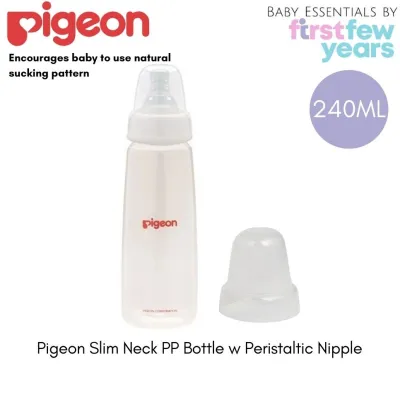
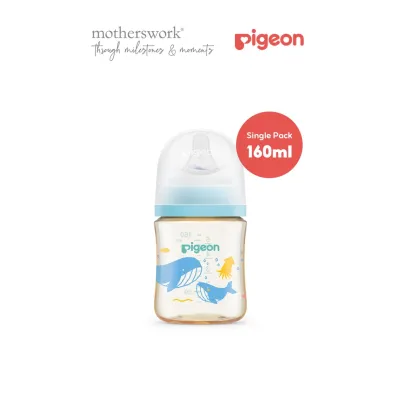
Prices are valid at publication and may change. Please refer to the product page for the latest price.
Clarity and measurement readability also vary significantly among these materials. Glass offers excellent, long-lasting transparency that does not fade, cloud, or scratch easily, ensuring that volume markers remain perfectly legible over months of use. High-quality plastic bottles start out highly transparent but can gradually become cloudy or discolored after repeated washing and sterilization. Silicone is naturally translucent rather than crystal clear, which can make reading precise volume measurements slightly more challenging in low-light conditions, especially if the measurement markings are molded into the silicone rather than printed in contrasting ink.
Verifying Safety, Heat Tolerance, and Sterilization Limits
Ensuring the safety of your baby’s feeding equipment requires careful verification of product labels and manufacturer instructions. While modern manufacturing has largely moved away from harmful chemicals, parents should never assume all bottles are identical. When purchasing plastic or silicone bottles, always inspect the packaging for explicit declarations stating that the product is free from bisphenol A (BPA), bisphenol S (BPS), and phthalates. Because chemical formulations can vary across brands, verifying these labels on the specific product packaging is a crucial first step.

Heat tolerance and sterilization limits are highly material-dependent and must be verified using the manufacturer’s user manual. Glass bottles generally possess excellent thermal resistance, allowing them to withstand high temperatures from boiling water, electric steam sterilizers, and UV sterilizers without degrading. However, rapid temperature changes—such as transferring a cold glass bottle directly into boiling water—can cause thermal shock and lead to cracking.
Plastic and silicone bottles require more cautious handling during sterilization. Different types of plastic, such as polypropylene (PP), polyethersulfone (PES), and polyphenylsulfone (PPSU), have vastly different heat thresholds. Exceeding the manufacturer’s recommended temperature during boiling, steaming, or UV sterilization can cause plastic to warp, melt, or release microplastics. Silicone is highly heat-resistant, but the plastic collars and caps attached to silicone bottles often have lower heat limits. Always check the instruction manual before using any high-heat sterilization method to preserve the structural integrity of the bottle.
Regular inspection for physical wear and tear is essential for maintaining feeding hygiene. Plastic is susceptible to micro-scratches from bottle brushes, which can harbor milk fats, residues, and bacteria. Silicone, while resistant to scratching, can develop a sticky surface texture or undergo material degradation over time, especially when exposed to certain dish soaps or sterilizing chemicals. Caregivers should routinely inspect all bottles under good lighting, looking for surface imperfections, cracks, or changes in texture.
Comparing Durability, Cleaning, and Daily Practicality
The durability and daily maintenance of each material directly impact your long-term budget and convenience. Glass bottles are highly durable and do not scratch, stain, or retain odors, meaning a single set can last through multiple childhoods if handled carefully. However, glass is susceptible to breaking or shattering when dropped on hard surfaces. To mitigate this risk, many parents use protective silicone sleeves, which absorb impact and improve grip, though they add extra weight and must be removed periodically for thorough cleaning.
Plastic and silicone bottles excel in drop resistance, making them virtually shatterproof. They can survive repeated drops from high chairs, strollers, and countertops without cracking. However, plastic bottles have a shorter functional lifespan because they absorb food pigments and milk fats more easily, leading to yellowing and persistent odors over time. Silicone is also prone to absorbing odors and oils from breast milk or formula, though it tends to resist staining better than standard plastic.
Cleaning methods must be tailored to the material to prevent premature wear. For glass bottles, standard nylon brushes are highly effective. For plastic bottles, caregivers should avoid stiff wire or harsh nylon brushes, opting instead for soft sponge or silicone brushes that clean gently without leaving micro-scratches. Silicone bottles, being soft and flexible, often require specialized cleaning techniques, as their pliable bodies can make it harder to scrub the inner corners effectively.
Portability is another key factor for families who are frequently on the go. Carrying multiple glass bottles in a diaper bag adds significant weight and requires careful packing to prevent cracking. Plastic and silicone bottles are highly portable, lightweight, and easy to pack tightly without risk of breakage, making them the practical choice for travel, daycare, or outdoor excursions.
How to Match the Material to Your Baby and Lifestyle
Selecting the right bottle material involves matching the physical properties of the bottle to your baby’s developmental stage and your family’s daily habits. For newborns and young infants who are entirely dependent on caregivers for feeding, glass bottles are an excellent option. Since parents or caregivers are doing all the holding, the weight of the glass is manageable, and the material’s high hygiene standards and ease of sterilization provide peace of mind during those early months.
As your baby grows and begins to develop the motor skills to hold their own bottle, transitioning to lightweight plastic or silicone is highly practical. A heavy glass bottle can be dangerous if an infant drops it, whereas a lightweight plastic or silicone bottle allows them to practice self-feeding safely. Silicone bottles, with their soft and squeezable texture, are particularly well-suited for this transitional phase, as they are easy for small hands to grasp.
Many families find that building a mixed inventory of bottles offers the most balanced solution. You might choose to use glass bottles for primary feeds at home, where sterilization is convenient and the risk of dropping on hard outdoor surfaces is low. For daycare, travel, or night feeds when you might be sleep-deprived and more prone to dropping things, keeping a stock of lightweight plastic or silicone bottles can save time and reduce stress.
Budget and replacement cycles should also guide your purchasing decisions. Glass bottles have a higher upfront cost but a long lifespan, meaning you rarely need to replace them unless they chip or break. Silicone bottles also tend to carry a premium price tag but offer excellent durability. Plastic bottles are the most budget-friendly option initially, but because they scratch and degrade more quickly, they require regular replacement—typically every few months—which can add up over time.
Frequently Asked Questions (FAQ)
Can I mix different bottle materials for the same baby?
Yes, you can absolutely use different bottle materials for the same baby. Infants generally do not distinguish between the material of the bottle container itself; instead, they adapt to the shape, texture, and flow rate of the nipple. If you decide to mix materials or brands, ensure that the nipple attachment system, collar, and cap are fully compatible to prevent leaks. It is often easiest to stick to one brand’s ecosystem if you plan to use both glass and plastic bottles, as many manufacturers design their nipples and collars to fit across both their glass and plastic bottle lines.
How do I know when it is time to replace a plastic or silicone bottle?
You should replace plastic or silicone bottles as soon as you observe clear signs of physical wear or degradation. For plastic bottles, look for persistent cloudiness that does not clear after washing, deep scratches on the interior, or a sticky texture. For silicone bottles, check for surface stickiness, severe discoloration, or persistent odors that remain even after thorough cleaning and sterilization. If you notice any cracks, chips, or structural weaknesses in any bottle—including glass—discard it immediately to ensure your baby’s feeding safety.
Community discussion
Share your experience or ask a question. Comments are reviewed before publication.