
Choosing the right milk bottle storage material is a pivotal decision for your daily feeding routine. The “safest” material is not a single, universal option; rather, it depends on your specific lifestyle, how you store and warm milk, and your daily handling habits.
Each material comes with distinct trade-offs that caregivers must balance. Glass offers exceptional hygiene but is heavy and fragile; plastic provides lightweight convenience but requires vigilant chemical safety checks; silicone delivers flexible durability but can absorb stubborn odors over time.
To ensure maximum safety, caregivers should always inspect manufacturer labels for food-grade certifications, verify BPA/BPS-free claims, and strictly adhere to specified temperature limits. By understanding how these materials behave under different conditions, you can select the option that best protects your milk supply and fits your household routine.
Products mentioned in this guide
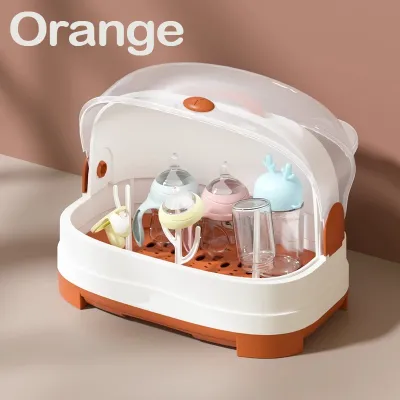
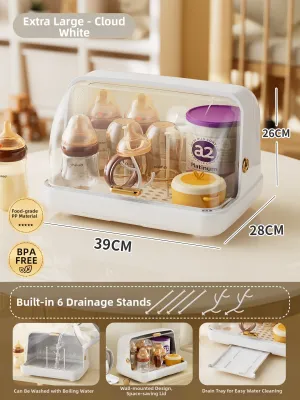
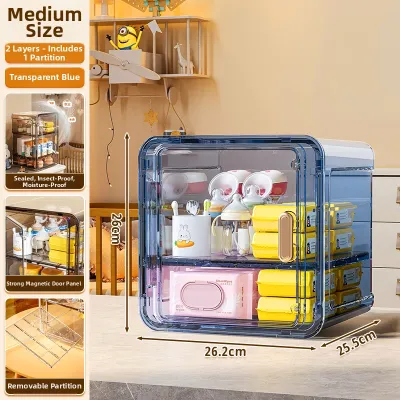
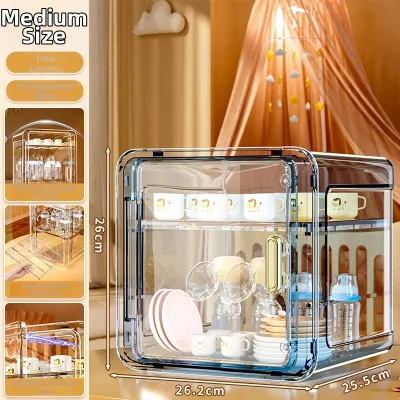
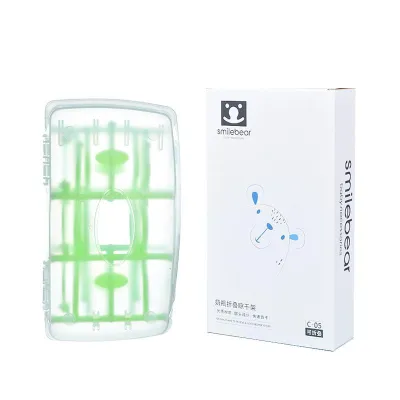
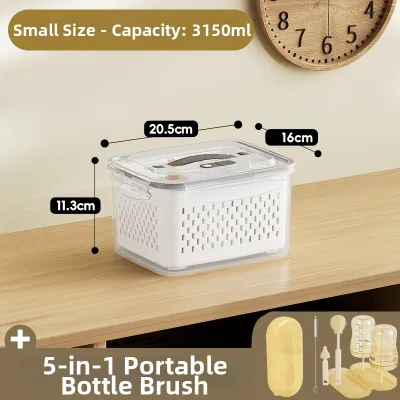
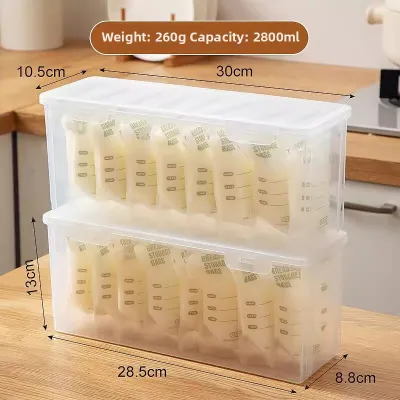
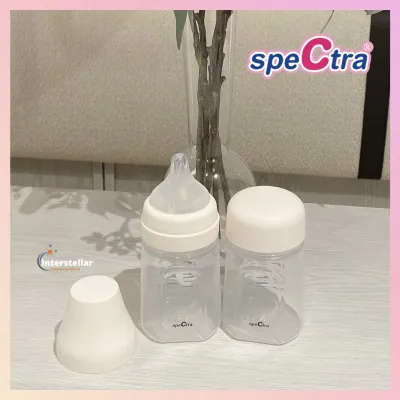
Prices are valid at publication and may change. Please refer to the product page for the latest price.
Comparing Safety and Chemical Leaching Risks
Evaluating chemical safety is the first step in choosing a storage material. Because breast milk and formula contain fats that can bind with certain chemical compounds, the container’s surface must remain stable under various temperatures.
Glass is widely recognized as a highly stable and inert material. Because it is non-porous, it does not leach chemicals, absorb odors, or transfer flavors to the milk. When selecting glass, caregivers should verify if the product is made from borosilicate or tempered glass, which is specifically manufactured to withstand rapid temperature changes without cracking.
Plastic storage options require more active verification. While modern manufacturers widely label products as “BPA-free,” caregivers should also look for “BPS-free” and food-grade designations on the packaging. Over time, plastic can degrade when exposed to high sterilization temperatures or when scratched by abrasive bottle brushes, creating microscopic grooves where bacteria can accumulate.
Silicone has gained popularity as a flexible, synthetic polymer that remains stable across a wide temperature range. When purchasing silicone, it is essential to verify that the product is made from 100% food-grade or medical-grade silicone, completely free from plastic fillers. A simple, observable check is the “pinch test”: twist or pinch a flat section of the silicone, and if any white color shows through, the material likely contains chemical fillers rather than pure silicone.
To maintain safety, always cross-reference the manufacturer’s specifications for maximum heating limits, approved sterilization methods, and dishwasher safety. If a container shows signs of wear, cloudiness, or deep scratches, it is time to retire it from your feeding rotation.
Durability, Maintenance, and Daily Practicality
How a storage container handles the daily wear and tear of a busy household is just as important as its chemical profile. Drops, sterilization cycles, and late-night feedings will quickly test the limits of each material.

Glass offers outstanding durability against scratching and can withstand countless sterilization cycles without degrading. This longevity makes it an excellent long-term investment that can be reused for subsequent children. However, the primary drawback is its weight and fragility; a dropped glass bottle can shatter instantly, creating a safety hazard in the nursery and resulting in lost milk.
Plastic is exceptionally lightweight and virtually shatterproof, making it highly practical for travel, daycare drop-offs, and on-the-go feeding. The trade-off is that plastic is highly susceptible to surface scratches from cleaning brushes. It also tends to stain easily and can retain a cloudy appearance or a sour milk odor if not cleaned immediately after use.
Silicone provides a highly durable, drop-proof alternative that is soft to the touch and easy for older babies to grip. While it does not shatter or scratch easily, its slightly porous surface means it can absorb oils from breast milk and scents from dishwashing soaps.
To manage odors in silicone, caregivers may need to employ specialized cleaning methods, such as boiling the parts in water with a dash of baking soda, provided the manufacturer’s instructions allow it.
Regularly inspect your storage gear using these visual and tactile indicators:
- Plastic: Replace immediately if you observe deep scratches, persistent cloudiness, cracks, or a sour smell that remains after thorough washing.
- Silicone: Replace if the material begins to feel sticky, shows permanent discoloration, or exhibits any tiny tears or structural weakness.
- Glass: Replace immediately if you detect any chips, hairline cracks, or deep scratches that could compromise its strength under thermal stress.
Storage, Freezing, and Warming Compatibility
Storing breast milk or formula involves temperature transitions that affect materials differently. Freezing and warming require specific precautions to preserve both the milk’s nutrients and the container’s integrity.
When freezing milk, liquid expansion is a critical factor. If you use glass storage, you must leave at least one to two inches of headspace at the top of the bottle to prevent the expanding liquid from cracking the glass. Plastic and silicone are much more flexible, allowing them to accommodate expansion safely, though rigid plastic bottles still require a small amount of headspace.
During the warming process, glass conducts heat efficiently and evenly, but the container itself can become very hot to the touch, requiring careful handling. Plastic and silicone do not conduct heat as rapidly, which means they may take slightly longer to warm in a water bath. Caregivers must strictly adhere to the manufacturer’s warming guidelines to prevent material degradation, and they should never use a microwave, which can create dangerous hot spots in the milk and damage the container.
In warm, humid climates like Singapore, prompt cooling and hygienic storage are essential to prevent rapid bacterial growth. Ensure your chosen storage containers seal tightly to prevent contamination from other items in the refrigerator or freezer.
Before committing to a specific material, verify how well the storage containers integrate with your existing feeding gear. Check if the storage bottles can screw directly onto your breast pump flanges to minimize milk transfer, and ensure they fit comfortably inside your bottle warmer and refrigerator organizers.
How to Choose the Right Material for Your Routine
Selecting the right material comes down to aligning the container’s strengths with your daily lifestyle and feeding setup.
Choose Glass if:
- You prioritize absolute chemical inertness and want a material that will not scratch or retain odors.
- You primarily store and warm milk at home and have a dedicated, safe space for handling fragile items.
- You want a highly durable option that can be sterilized repeatedly and reused for years.
Choose Plastic if:
- You need a lightweight, budget-friendly, and highly portable option for travel, daycare, or outdoor outings.
- You prefer a shatterproof container that is easy to pack in a diaper bag.
- You are committed to inspecting the bottles regularly and replacing them every few months.
Choose Silicone if:
- You want a durable, drop-proof container that transitions easily from the freezer to the bottle warmer.
- You prefer a soft, flexible material that is easy for an older baby to hold independently.
- You are willing to follow specific cleaning routines to manage potential odor absorption.
Before making a final purchase, always cross-check the compatibility of your pump, nipples, and warmers. If you are mixing materials or using third-party accessories, ensure they form a secure, leak-free seal. If you ever have concerns about feeding safety or material degradation, consult the manufacturer’s guidelines or seek advice from a qualified pediatric health professional.
Frequently Asked Questions (FAQ)
Can I mix glass, plastic, and silicone bottles for my baby?
Yes, it is entirely safe and highly practical to mix materials within your daily routine. Many parents choose to store milk in glass bottles at home for maximum hygiene, while using lightweight plastic or silicone bottles for travel, daycare, or when their baby begins to hold the bottle independently. Just ensure that all items meet current food-grade safety standards and that you keep track of the different cleaning and replacement schedules required for each material.
How often should I replace plastic or silicone milk storage bottles?
While glass bottles can last indefinitely unless they become chipped or cracked, plastic and silicone containers require regular replacement. As a general guideline, inspect plastic bottles every three to six months, replacing them sooner if you notice scratches, cloudiness, or persistent odors. Silicone bottles should be replaced if they feel sticky, show permanent discoloration, or exhibit any tears. Always prioritize the specific lifespan and care instructions provided by the manufacturer.
Are silicone milk storage bags as safe as rigid silicone bottles?
Yes, flexible silicone milk storage bags are just as safe as rigid silicone bottles, provided they are made from 100% food-grade or medical-grade silicone. Practically, silicone bags are highly space-efficient for freezing because they can lay flat to save room. However, they can be more challenging to clean thoroughly compared to wide-neck rigid bottles and require careful handling during transport to prevent accidental squeezing and leaks.
Community discussion
Share your experience or ask a question. Comments are reviewed before publication.