
Quick Answer: Which Baby Bottle Material Should You Choose?
Selecting the right baby bottle material depends on your family’s daily routine, budget, and feeding priorities. There is no single material that suits every household perfectly, as each option offers distinct advantages and trade-offs in weight, durability, and maintenance.
For parents who prioritize chemical purity and long-term durability, glass is an excellent choice because it resists stains and odors indefinitely. If you need a lightweight, shatterproof option for travel, daycare, or encouraging your baby to self-feed, plastic is highly practical and budget-friendly. For those seeking a soft, flexible bottle that mimics natural feeding and is easy for tiny hands to grip, silicone provides a modern, durable alternative.
Before making a purchase, always verify the safety certifications, age recommendations, and sterilization guidelines printed on the product packaging to ensure the bottle aligns with your feeding setup.
Products mentioned in this guide
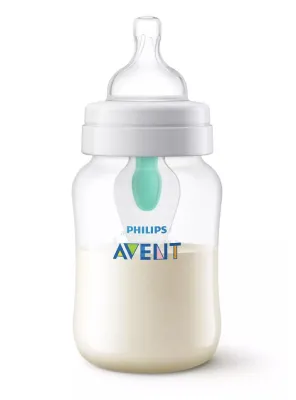
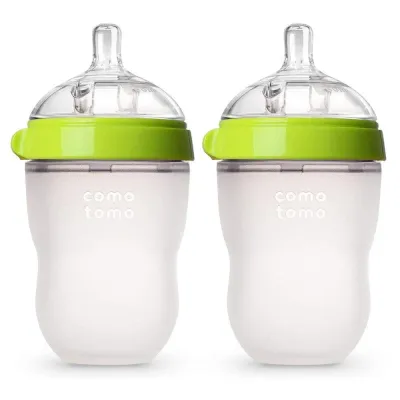
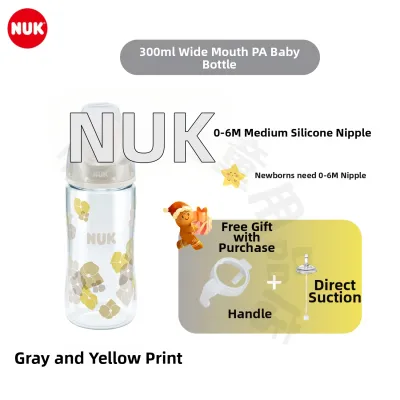
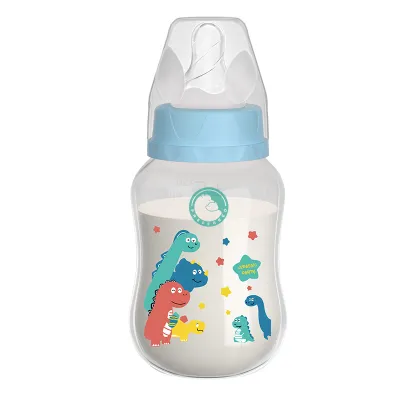
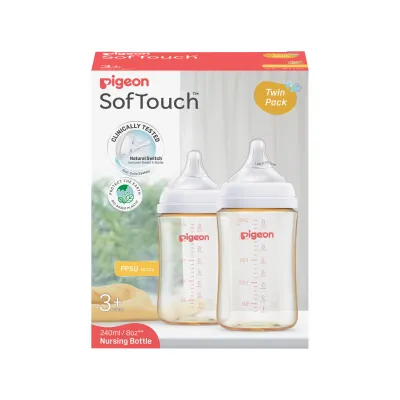
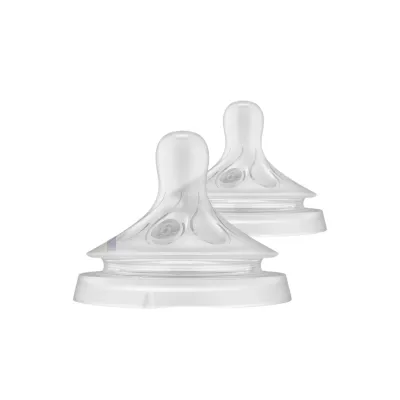
![[SG] Disney Tritan Baby Kids Cartoon 450ML Water Bottle Straw Bottle Cup With Lock Bounce BPA FREE](https://img.lazcdn.com/g/p/ace9880b7abdac2a39d4372515d04b1f.jpg_400x400q80.jpg_.webp)
Prices are valid at publication and may change. Please refer to the product page for the latest price.
Glass, Plastic, and Silicone: Core Characteristics and Trade-offs
Understanding the physical properties of glass, plastic, and silicone is the first step in evaluating how they perform during daily use, cleaning, and long-term storage. Each material interacts differently with heat, impact, and cleaning agents.

Glass Baby Bottles
Glass baby bottles are traditional favorites known for their exceptional purity and structural integrity. Because glass is non-porous, it does not absorb food colors, oils, or strong odors, ensuring that each feed remains fresh and untainted by previous meals.
These bottles are highly resistant to scratching, which means they do not develop microscopic crevices where bacteria can hide over time. They can also withstand extreme temperature changes, allowing you to transition them safely from the fridge to a bottle warmer.
However, glass is significantly heavier than plastic or silicone, which can cause hand fatigue during long night feeds. The primary drawback is the risk of breakage; a dropped glass bottle can shatter on hard kitchen tiles or outdoor pavements, posing a safety hazard. To mitigate this risk, many parents use protective silicone sleeves, which improve grip and absorb minor impacts.
Plastic Baby Bottles
Plastic baby bottles are widely popular due to their lightweight design and shatterproof nature. They are highly convenient for parents on the go, as they can be tossed into a diaper bag without any fear of breaking during transit.
Because they are lightweight, plastic bottles are ideal for babies who are developing their motor skills and learning to hold their own bottles. They are also generally the most affordable option upfront, making it easier to purchase a larger inventory for daycare or multiple caregivers.
On the downside, plastic is a softer material that scratches easily during washing. These fine scratches can harbor milk residue and bacteria if not cleaned meticulously. Over time, plastic bottles can become cloudy, retain odors, and warp under high heat, requiring more frequent replacement than glass or silicone. Parents should always check the packaging to identify the specific plastic grade, such as polypropylene (PP) or polyphenylsulfone (PPSU), to understand its heat tolerance.
Silicone Baby Bottles
Silicone baby bottles represent a modern middle ground, offering a soft, flexible texture that closely mimics the feel of natural feeding. This pliable quality allows babies to squeeze the bottle gently, which can help replicate the breastfeeding experience and ease the transition between breast and bottle.
Silicone is naturally lightweight, shatterproof, and highly durable. It does not crack or chip like glass, nor does it scratch as easily as plastic. This makes it an incredibly resilient option for active families who travel frequently.
However, silicone is semi-porous, meaning it can absorb food odors and oils if not washed promptly with appropriate detergents. Some silicone bottles also feature a wider, more flexible base that can feel less stable when placed on soft surfaces, increasing the risk of accidental tips. Parents should consult the manufacturer’s care guide to identify compatible cleaning agents that prevent odor retention.
Key Decision Factors for Your Feeding Routine
To choose the right material, you must weigh several practical dimensions against your lifestyle, your baby’s developmental stage, and your home sterilization setup.
Safety and Material Verification
Rather than relying on general assumptions about a material, always inspect the product packaging for explicit safety compliance marks. Look for clear labels indicating that the bottle is free from Bisphenol A (BPA) and Bisphenol S (BPS). Different regions have varying safety standards, so verifying local compliance marks ensures the product has undergone rigorous testing for chemical migration under high temperatures.
Weight and Ergonomics
Consider who will be holding the bottle most often. During the newborn stage, parents do all the holding, and a heavy glass bottle can become uncomfortable during prolonged feeding sessions. As your baby grows and attempts to self-feed, a lightweight plastic or silicone bottle becomes much easier for them to manage independently, reducing frustration and spills.
Cleaning and Sterilization
Your preferred sterilization method should dictate your material choice. While glass can withstand almost any sterilization method—including boiling water, steam, and ultraviolet (UV) sterilizers—certain plastics and silicones have strict temperature limits. For example, some plastics can degrade or release microparticles when exposed to extreme heat or UV light over prolonged periods. Always cross-reference the bottle material with your sterilizer’s manual to ensure compatibility.
Cost and Replacement Cycle
While plastic bottles are the most budget-friendly option initially, they have a shorter lifespan and must be replaced at the first sign of scratching or cloudiness. Glass bottles cost more upfront but can last through multiple children if they remain chip-free, potentially saving money in the long run. Silicone bottles sit in a premium price bracket but offer excellent longevity, making them a durable investment if cared for correctly.
Material Comparison at a Glance
| Material | Weight | Durability | Heat Resistance | Typical Use Case |
|---|---|---|---|---|
| Glass | Heavy | High (but prone to shattering) | Excellent (withstands high heat) | Home feeding, parents prioritizing longevity and easy sanitization |
| Plastic | Very Lightweight | Moderate (scratches easily) | Variable (check label for limits) | Travel, daycare, and babies learning to self-feed |
| Silicone | Lightweight | High (shatterproof and flexible) | Good (check label for UV limits) | Transitioning from breastfeeding, tactile self-feeding |
How to Decide: Matching the Material to Your Needs
To finalize your decision, match the characteristics of each material to your specific household needs and your baby’s feeding habits.
- Choose Glass if: You want a highly hygienic, rigid bottle that will not stain or retain odors, you primarily feed your baby at home, and you do not mind the extra weight or the need for careful handling.
- Choose Plastic if: You need an affordable, lightweight, and completely shatterproof bottle for travel, outdoor trips, or infant care centers where glass is often prohibited for safety reasons.
- Choose Silicone if: You want a soft, squeezable bottle that helps your baby transition from breastfeeding, and you prefer a durable, lightweight option that survives drops without scratching easily.
- Verify First if: Your baby experiences severe colic or feeding aversions, as you may need to prioritize specific anti-colic valve designs over the bottle material itself. Additionally, check if your specialized warming or sterilizing appliances have material restrictions.
Safe Usage, Cleaning, and Maintenance Guidelines
Regardless of the material you choose, establishing a strict cleaning and inspection routine is essential to keep your baby’s feeding equipment hygienic and safe.
Always follow the manufacturer’s specific instructions for washing, sterilizing, and drying. Because different brands use unique material blends, a sterilization method that works for one brand’s plastic bottle might warp another’s. Wash all bottle parts in warm, soapy water immediately after feeding to prevent milk fats from drying and sticking to the surfaces.
Perform a regular visual inspection of all bottle components. Check glass bottles for hairline cracks or tiny chips around the rim. Inspect plastic bottles for deep scratches, cloudiness, or warping, and examine silicone bottles for tears, stickiness, or discoloration. If you detect any of these signs of wear, stop using the bottle immediately and replace it.
Avoid using abrasive cleaning tools, such as stiff wire brushes or harsh scouring pads, which can scratch plastic and silicone surfaces. Instead, opt for soft silicone brushes or sponge bottle cleaners. Finally, never leave a baby unattended with a bottle, regardless of the material, to prevent choking hazards and dental issues associated with prolonged pooling of milk.
Frequently Asked Questions (FAQ)
Can I mix and match different baby bottle materials?
Yes, mixing and matching different bottle materials within your feeding routine is perfectly acceptable, provided all bottles meet current safety standards and are appropriate for your baby’s developmental stage. Many parents use glass bottles at home for easy cleaning and switch to lightweight plastic or silicone bottles when traveling or sending their child to daycare. If you do mix materials, keep track of the different sterilization and care requirements for each type to avoid accidentally damaging a plastic bottle with a high-heat method intended for glass.
How often should I replace my baby bottles?
There is no universal calendar schedule for replacing baby bottles; instead, replacement should be based on visible wear and tear. Plastic bottles typically require the most frequent replacement—often every few months—due to scratching, cloudiness, and odor retention. Glass bottles can last indefinitely if they remain free of chips, cracks, and scratches. Silicone bottles also offer excellent longevity but should be replaced immediately if they become sticky, torn, or permanently discolored. Always inspect the nipples separately, as they degrade faster than the bottle bodies and generally require replacement every two to three months for hygiene and flow-rate adjustments.
Community discussion
Share your experience or ask a question. Comments are reviewed before publication.