
Deciding on the right pump bottle is a central part of setting up a daily breastfeeding and expression routine. In the comparison between glass and plastic pump bottles, neither material is a universal winner. The ideal choice depends on your specific pumping environment, lifestyle, and personal priorities.
Glass stands out for its absolute chemical inertness, zero risk of microplastic shedding, and long-term durability. It is an excellent choice for parents prioritizing a highly stable, long-lasting storage medium that resists odors and scratches over years of use.
On the other hand, high-quality plastics, such as medical-grade polypropylene (PP) or polyphenylsulfone (PPSU), offer lightweight handling, drop resistance, and easy portability. These characteristics are particularly beneficial for working parents who commute daily and need a travel-friendly setup.
Products mentioned in this guide
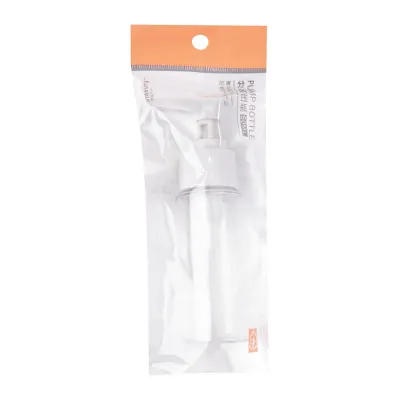
Prices are valid at publication and may change. Please refer to the product page for the latest price.
Ultimately, your decision will balance the peace of mind offered by glass’s chemical stability against the physical convenience and safety of shatterproof plastic during busy daily routines.
Safety and Material Health: BPA, Microplastics, and Chemical Leaching
Glass is a naturally occurring, non-porous material that is chemically inert. This means it does not react with breast milk, regardless of how long the milk is stored or the temperature fluctuations it undergoes. When you warm or freeze breast milk in a glass pump bottle, there is zero risk of chemical leaching, BPA contamination, or microplastic shedding. This chemical stability makes glass a preferred standard for parents who want to eliminate any potential exposure to synthetic compounds.
Plastic pump bottles require a closer look at their specific polymer composition. Modern baby products are widely labeled as BPA-free, but they utilize different types of plastics that behave differently under heat and wear. Polypropylene (PP) is the most common plastic used for breast pump bottles; it is lightweight and moderately durable but can degrade over time. Advanced plastics like polyphenylsulfone (PPSU) offer superior heat resistance and chemical stability, often mimicking the durability of glass while remaining shatterproof.
Recent scientific discussions have highlighted the potential for microplastics and nanoplastics to shed from plastic containers. Research indicates that environmental factors, such as high heat during sterilization and mechanical stress from vigorous shaking or mixing, can accelerate the degradation of plastic polymers. This degradation can lead to the release of microscopic particles into the stored liquid. While the long-term health implications of microplastics are still being studied, minimizing heat exposure to plastic storage containers is a common precautionary approach.
To ensure the highest safety standards, parents should always verify the manufacturer’s labels for certified food-grade or medical-grade materials. It is essential to check the specific heat-tolerance limits of your plastic pump bottle before using high-temperature sterilization methods. If you notice any signs of material degradation, such as a sticky texture, cracking, or severe discoloration, you should stop using the bottle immediately and consult the manufacturer’s guidelines for replacement.
Durability, Weight, and Daily Handling
The physical weight of your pumping equipment plays a significant role in your daily comfort, especially if you pump multiple times a day. Glass bottles are substantially heavier than their plastic counterparts. When attached to a hands-free pumping bra, the weight of filled glass bottles can pull downward, causing discomfort, skin pulling, or even breaking the vacuum seal of the breast shield. Carrying multiple glass bottles in a diaper bag or cooler bag also adds noticeable weight to your daily commute.

Plastic pump bottles offer an ergonomic advantage due to their lightweight design. They put minimal strain on hands-free pumping setups and are easy to hold during manual feeding sessions. For parents who pump at work and transport milk home, the lighter weight of plastic significantly reduces physical fatigue during travel on public transport or while walking.
The risk of dropping bottles is a practical reality in any household, and the consequences vary depending on your flooring. Many homes in Singapore, such as HDB flats and condominiums, feature hard flooring materials like homogeneous tiles, marble, or polished concrete. If a glass bottle slips from your hands onto these surfaces, it is highly likely to shatter, creating a hazardous mess of spilled milk and sharp shards. Plastic bottles, by contrast, are highly impact-resistant and typically bounce or survive minor falls without compromising the container.
Over long-term use, the two materials age differently under the physical stress of daily handling. Glass is highly scratch-resistant and maintains its crystal-clear transparency even after hundreds of wash cycles. Plastic bottles, however, are prone to developing fine micro-scratches from bottle brushes, transport, and general wear. These micro-scratches not only make the volumetric measurement markings difficult to read over time but can also create microscopic crevices where bacteria can colonize if not cleaned meticulously.
Cleaning, Sterilization, and Maintenance
Maintaining strict hygiene is critical when handling expressed breast milk, and both materials require careful cleaning and sterilization. Most high-quality glass and plastic pump bottles are designed to withstand common sterilization methods, including boiling water, electric steam sterilizers, and UV sterilizers. However, the heat tolerance of plastics varies widely; for instance, PP bottles typically tolerate temperatures up to 110°C to 120°C, whereas PPSU can often withstand up to 180°C. Parents must verify their specific bottle’s limits to prevent warping or structural weakening.
The choice of sterilizing equipment also interacts with the bottle material. UV sterilizers are highly popular for their dry-cycle convenience, but prolonged exposure to UV light can accelerate the aging and yellowing of certain plastics, making them brittle over time. Glass is entirely unaffected by UV radiation and maintains its structural integrity regardless of the sterilization method used. Always consult the manufacturer’s instructions to ensure your sterilizer is compatible with your specific bottle material.
Breast milk contains natural fats that tend to cling to container walls. Glass is exceptionally smooth and non-porous, allowing milk fat to slide off easily during washing without leaving a greasy residue or absorbing lingering odors. Plastic, being more porous, can easily bond with milk fats, leading to a cloudy appearance or a stubborn yellowish tint over time. If plastic bottles are not thoroughly degreased, they can retain a sour milk odor that is difficult to eliminate.
To clean these materials safely without causing damage, you must use the appropriate cleaning tools. Glass bottles are robust enough to handle vigorous scrubbing with standard nylon or wire-bound bottle brushes without scratching. Plastic bottles require a much gentler touch; you should use soft foam sponges or specialized silicone brushes. Avoid abrasive scouring pads or stiff-bristled brushes on plastic, as they will quickly create micro-scratches that ruin the inner surface and make future cleaning more difficult.
Cost, Replacement, and Long-Term Value
When planning your breastfeeding budget, the upfront cost of your pumping gear is an important consideration. Glass pump bottles, along with specialized glass-compatible pump kits, collars, and adapters, generally command a higher initial price. A single high-quality glass bottle or specialized kit can range from S$15 to S$40 or more, whereas standard plastic pump bottles are widely available in multi-packs that reduce the cost per bottle to around S$5 to S$15.
However, the initial purchase price does not tell the whole story of the product’s lifecycle cost. Plastic pump bottles have a limited operational lifespan and require regular replacement. Depending on the frequency of use, sterilization methods, and visible wear, manufacturers often recommend replacing plastic bottles every three to six months. If a plastic bottle becomes deeply scratched, cloudy, or permanently discolored, it must be discarded immediately to prevent hygiene risks.
Glass bottles offer exceptional long-term value because they do not degrade over time. Unless they are chipped, cracked, or broken, a set of glass bottles can last throughout your entire breastfeeding journey and be reused for subsequent children. This durability makes glass a highly economical choice in the long run, as you avoid the recurring cost of purchasing replacement plastic bottles every few months.
When calculating the total investment, parents should also factor in the cost of compatible accessories. If you choose glass, you may need to purchase protective silicone sleeves to minimize the risk of breakage, as well as specific adapters to securely connect the heavier bottles to your breast pump. These accessories add to the initial setup cost but help protect your investment and improve safety.
Decision Framework: Which Pump Bottle Material Should You Choose?
To make the best decision for your family, consider how your daily routine, pumping location, and physical comfort align with the characteristics of each material.
Choose Glass If:
- You prioritize absolute chemical purity and want to completely eliminate any risk of chemical leaching or microplastic exposure.
- You primarily pump at home or have a dedicated, stable setup at your workplace where the risk of dropping bottles onto hard floors is minimal.
- You plan to pump for an extended period or anticipate using the same bottles for future children, making long-term durability a priority.
- You prefer a material that is exceptionally easy to clean, resists odors, and does not stain or cloud over time.
Choose Plastic If:
- You pump on the go, commute regularly, or need to transport multiple bottles daily in a diaper bag where weight and portability are critical.
- Your home or pumping environment features hard tile or stone flooring, and you want to avoid the safety hazard of shattered glass.
- You use hands-free pumping setups or wearable pumps where the heavy weight of glass bottles would cause physical discomfort or break the suction seal.
- You prefer a lower upfront investment and do not mind replacing the bottles periodically as they show signs of wear.
The Hybrid Approach: For many parents, a hybrid system offers the perfect balance of safety and practical convenience. You can use lightweight plastic bottles for active pumping sessions, especially when commuting or working, to keep your pump setup light and drop-resistant. Once the milk is expressed, you can transfer it into glass bottles for long-term storage in the refrigerator or freezer and for feeding at home. This approach limits the milk’s contact with plastic during warming and storage while keeping your mobile pumping routine highly manageable.
Verification Reminder: Before finalizing your purchase, always check your specific breast pump brand’s compatibility guidelines and user manual. Some manufacturer warranties may be voided if you use heavy third-party glass bottles or unapproved adapters that put excessive physical strain on the pump connectors or motor. Ensure that any adapter you use provides a secure, airtight seal to maintain proper vacuum pressure and protect your pump’s performance.
Frequently Asked Questions (FAQ)
Can I use glass bottles directly with my breast pump?
Yes, but you must ensure compatibility. Many standard wide-neck breast pumps can connect directly to specific glass bottles, while narrow-neck pumps may require a verified, secure adapter to create an airtight vacuum seal. It is crucial to use adapters designed for your specific pump brand to prevent the heavy glass bottle from detaching mid-session. Additionally, be mindful that the extra weight of glass can pull on the breast shield connector, potentially straining the pump motor or causing physical discomfort.
Does heating breast milk in plastic bottles release microplastics?
Emerging research suggests that exposing certain plastics to high temperatures and mechanical stress can increase the shedding of microplastics and nanoplastics into the liquid. To minimize this risk, avoid heating breast milk in plastic bottles using a microwave or extremely hot water. Instead, consider transferring the milk to a glass container for warming, or use a gentle, lukewarm water bath. Always follow the manufacturer’s specific heating and care guidelines to preserve both the milk’s nutrients and the bottle’s structural integrity.
How often should I replace plastic pump bottles?
As a general guideline, plastic pump bottles should be replaced every three to six months, or sooner if they show clear signs of wear. Inspect your bottles regularly and discard them if they become cloudy, deeply scratched, cracked, or retain a stubborn sour odor even after thorough cleaning. Because different plastic grades (such as PP and PPSU) have varying lifespans, always consult the specific manufacturer’s instructions for the recommended replacement timeline of your product.
Community discussion
Share your experience or ask a question. Comments are reviewed before publication.