
Deciding between glass and plastic baby bottles is a fundamental choice for parents navigating early feeding routines. Neither material is universally superior; the right choice depends on your baby’s developmental stage, your daily routine, and specific safety checks. While glass offers excellent durability and chemical stability, plastic provides lightweight convenience and shatterproof safety. Popular options, including Pigeon glass bottles and various plastic alternatives, present distinct trade-offs in weight, heat resistance, and longevity. By understanding how these materials perform under daily sterilization, cleaning, and feeding conditions, you can select the option that best fits your household’s needs.
Core Safety and Material Standards to Verify
When evaluating baby bottles, safety standards and material compositions should be your first point of verification. For plastic bottles, it is essential to inspect the packaging for certified labels indicating they are free from Bisphenol A (BPA), Bisphenol S (BPS), and phthalates. These chemical compounds, historically used in plastics manufacturing, are subject to strict regulatory scrutiny, making it vital to verify that any plastic bottle you purchase complies with current safety standards. Look for clear manufacturer declarations on the packaging or official product websites before introducing them to your feeding routine.
Glass bottles also require careful material inspection, as not all glass is manufactured to withstand the same thermal stresses. High-quality glass bottles are typically made from borosilicate glass, which is engineered to resist rapid temperature fluctuations, also known as thermal shock. This allows the bottle to transition safely from a cold refrigerator to a warm bottle warmer without cracking. In contrast, standard soda-lime glass is more susceptible to thermal stress and may crack or shatter if subjected to sudden temperature changes. Always check the manufacturer’s specifications to confirm the glass type and its rated temperature limits.
Products mentioned in this guide
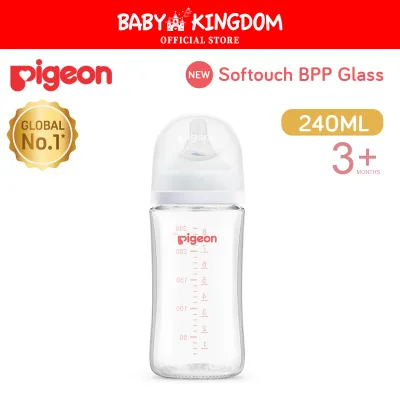
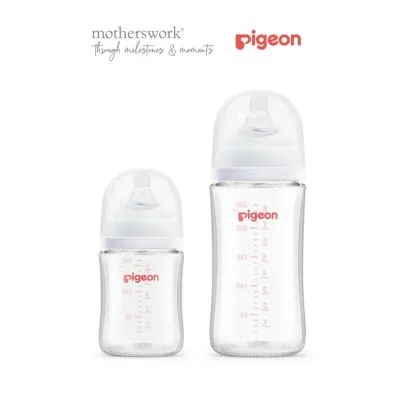
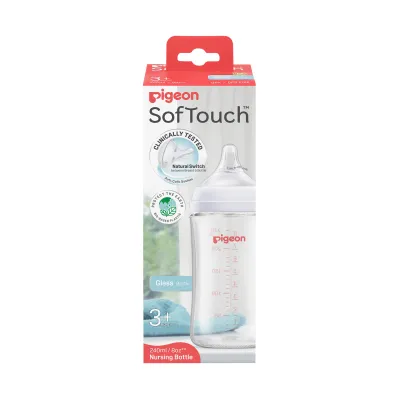
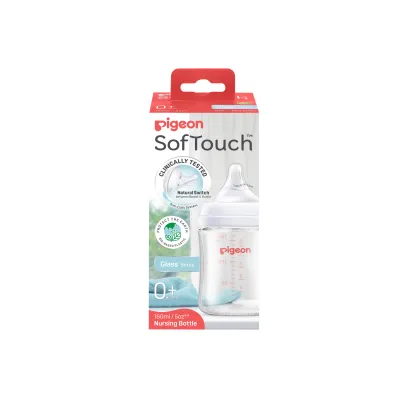
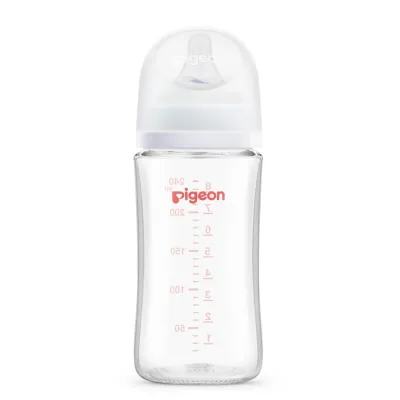
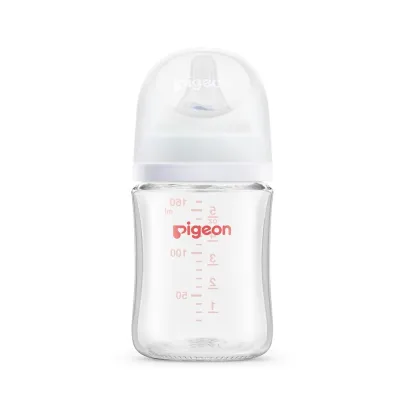
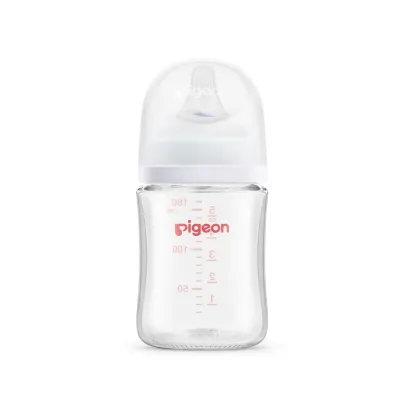
Prices are valid at publication and may change. Please refer to the product page for the latest price.
Beyond the bottle body, you must verify the safety and compatibility of the accompanying components, such as silicone nipples, collar rings, caps, and anti-colic venting systems. Manufacturers design these parts to fit specific bottle models, and mixing brands can lead to leaks or compromised venting performance. Carefully review the manufacturer’s age recommendations for nipple flow rates, as using an incorrect flow rate can cause feeding discomfort or choking hazards. Regularly inspect these small parts for signs of wear, tearing, or structural weakness, and replace them immediately if any damage is observed.
Durability, Weight, and Handling in Daily Routines
The physical weight of a baby bottle plays a significant role in how feeding sessions progress as your baby grows. Glass bottles are inherently heavier than their plastic counterparts, which can make them challenging for older infants who are beginning to develop the motor skills required to hold their own bottles. During the early newborn stage, when parents perform all the holding and feeding, the weight of a glass bottle is manageable, but as your baby transitions to independent self-feeding, a lightweight plastic bottle is often much easier for small hands to grasp and control.

Shatter resistance is another critical factor to weigh when comparing these materials in a busy household. Plastic bottles are virtually unbreakable, easily surviving accidental drops onto hard kitchen tiles or outdoor pavements during family outings. Glass bottles, despite being made of durable borosilicate glass, still carry a risk of chipping, cracking, or shattering upon high-impact drops. To mitigate this risk, many parents utilize protective silicone sleeves designed specifically for glass bottles, which provide a non-slip grip and absorb minor impacts, though they do add extra weight and bulk to the bottle.
Heat retention and warming compatibility also differ noticeably between the two materials, affecting your preparation time. Glass is an efficient conductor of heat, allowing milk or formula to warm up quickly in a bottle warmer and cool down rapidly under running water if it becomes too hot. Plastic bottles tend to heat up more slowly, requiring a bit more patience during late-night feedings. Regardless of the material you choose, always verify the manufacturer’s temperature limits for both the bottle and its components to ensure they can safely withstand your warming equipment without degrading.
Cleaning, Maintenance, and Long-Term Wear
Maintaining a high standard of hygiene is crucial for infant feeding equipment, and the choice of material directly influences your daily cleaning routine. Plastic bottles are softer and more susceptible to developing micro-scratches over time, especially when cleaned with abrasive bottle brushes or harsh detergents. These microscopic scratches can become breeding grounds for bacteria and can trap milk fats, leading to persistent odors and cloudiness that are difficult to eliminate. To prevent this, parents using plastic bottles should use soft sponge brushes and gentle, baby-safe dishwashing liquids.
Glass bottles, by contrast, feature a hard, non-porous surface that resists scratching and does not absorb odors or colors from milk and formula. This makes them exceptionally easy to clean and maintain over long periods, ensuring the bottle remains crystal clear. However, in warm and humid climates where mineral buildup is common, glass bottles can accumulate a cloudy film over time. This buildup can be managed with regular, thorough washing and occasional descaling using mild, food-safe acidic solutions, ensuring excellent visibility so you can easily read the measurement markings.
Sterilization methods must be carefully matched to the bottle material to prevent premature degradation. While glass can withstand high temperatures in steam sterilizers, UV sterilizers, and boiling water without structural changes, plastic materials may degrade faster under intense heat or prolonged UV exposure. Some plastics can become brittle, warp, or discolor if subjected to temperatures beyond their rated limits. Always consult the care labels and instruction manuals for your specific bottle brand to confirm compatibility with your sterilizing appliances.
Cost, Value, and Replacement Cycles
Evaluating the financial commitment of baby bottles involves looking beyond the initial purchase price to consider long-term durability and replacement frequency. Generally, premium glass options, such as Pigeon glass bottles, carry a higher initial retail price in S$ compared to standard plastic bottles. However, because glass does not scratch or degrade from heat exposure, a single glass bottle can theoretically last through multiple infancy stages or even be reused for subsequent siblings, provided it remains free of chips, cracks, or deep scratches.
Plastic bottles have a shorter practical lifespan and require regular replacement to ensure hygiene and safety. Parents should establish a routine of inspecting plastic bottles for visible signs of wear, such as deep scratches, persistent cloudiness, warping, or lingering odors that do not wash away. When these signs appear, the bottle should be replaced immediately. While the individual cost of a plastic bottle is lower, the need for periodic replacements over your baby’s first year or two can narrow the overall cost difference between plastic and glass.
In addition to the bottle itself, you must factor in the ongoing cost and availability of replacement parts. Silicone nipples, sealing discs, and collar rings wear out much faster than the bottle bodies, regardless of whether you choose glass or plastic. Nipples typically need replacement every few months as your baby’s suction strength increases and they require faster flow rates. Ensure that the brand you select has readily available replacement parts in local retail stores or online marketplaces to avoid having to replace the entire bottle system prematurely.
How to Choose the Right Bottle for Your Baby
Selecting the ideal bottle material requires a balanced assessment of your baby’s age, your lifestyle, and your specific feeding environment. Glass bottles are highly suitable if your primary goals are maximum longevity, effortless sterilization, and a material that remains completely free of chemical leaching concerns over years of use. This option is particularly practical during the newborn phase when parents handle all feedings, or in households where feedings always occur under direct adult supervision on carpeted or cushioned surfaces where drops are less likely to cause breakage.
Plastic bottles are the more practical choice if you require a lightweight, highly portable option for travel, daycare, or outdoor excursions. They are also ideal when your baby reaches the developmental milestone of wanting to hold the bottle independently, as the lightweight design reduces fatigue and eliminates the risk of injury from a dropped bottle. If you opt for plastic, ensure you verify that the products meet all current BPA-free and BPS-free safety standards, and commit to a regular replacement schedule to manage material wear.
Before making a final decision or transitioning between materials, verify how the bottles integrate with your existing kitchen setup. Check if the bottle shapes and sizes are compatible with your specific bottle warmer, sterilizer, and breast pump adapters if you plan to pump directly into the bottles. If your baby is undergoing specific feeding therapy or has latch difficulties, consult a qualified healthcare professional or lactation consultant, as the nipple shape and flow rate will be far more critical to feeding success than the bottle material itself.
Frequently Asked Questions (FAQ)
Can I mix glass and plastic bottles for different feeding times?
Yes, many parents successfully use a hybrid approach, utilizing glass bottles for home feedings where sterilization is convenient and plastic bottles for travel or daycare. When mixing materials, it is crucial to ensure that the nipple shapes, materials, and flow rates remain consistent across both bottle types to avoid confusing your baby or causing nipple preference issues. Additionally, you will need to manage two different maintenance routines, taking care not to use abrasive brushes on the plastic bottles while ensuring the glass bottles are regularly inspected for chips.
Are Pigeon glass bottles suitable for newborns?
Pigeon glass bottles are suitable for newborns, provided they are used under continuous, active caregiver supervision. Because newborns cannot hold bottles, the physical weight of the glass is managed entirely by the adult, making the weight less of an issue during the early weeks. When using these bottles, always verify the manufacturer’s explicit age grading on the packaging to ensure you are using the correct newborn-sized nipple. Always inspect the glass thoroughly before each feeding to ensure no micro-cracks have formed during washing or sterilization.
How often should I replace plastic baby bottles?
Plastic baby bottles generally require replacement every three to six months, or sooner if you observe clear signs of material degradation. Key indicators that a plastic bottle needs replacing include deep scratches on the inner or outer walls, persistent cloudiness that does not clear after washing, warping from heat exposure, or stubborn odors. Regularly checking these physical conditions ensures that the bottles remain hygienic and safe for your baby’s daily feeding routine.
Community discussion
Share your experience or ask a question. Comments are reviewed before publication.