
When preparing for your baby’s feeding journey, choosing the right milk bottle is one of the most frequent decisions you will face. With shelves lined with glass, plastic, and silicone options, it is easy to feel overwhelmed by the competing claims of safety, durability, and convenience.
There is no single “safest” or “best” milk bottle material for every family. Instead, the ideal choice depends on how you balance material purity, physical durability, weight, and your daily lifestyle. Each material offers distinct advantages and clear trade-offs that become apparent during daily use, sterilization, and travel.
Understanding these trade-offs allows you to select a bottle system that fits your baby’s developmental stage and your family’s routine. By evaluating how each material performs under high heat, how it resists wear, and how easy it is for small hands to hold, you can make an informed decision that prioritizes both safety and practicality.
Products mentioned in this guide
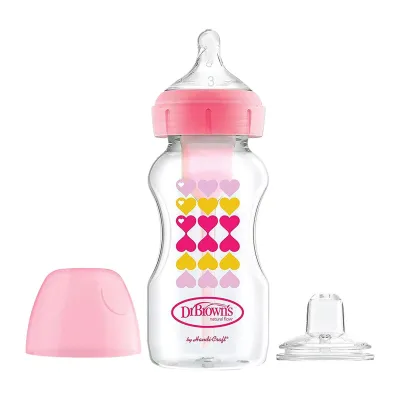
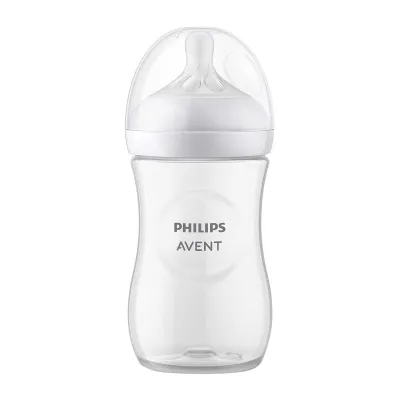
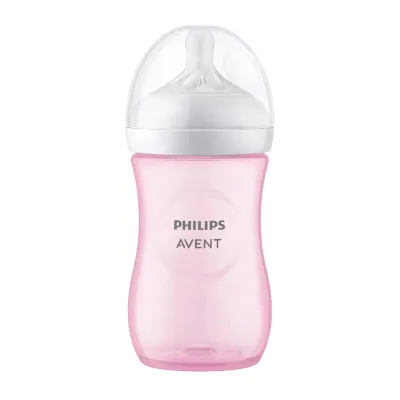
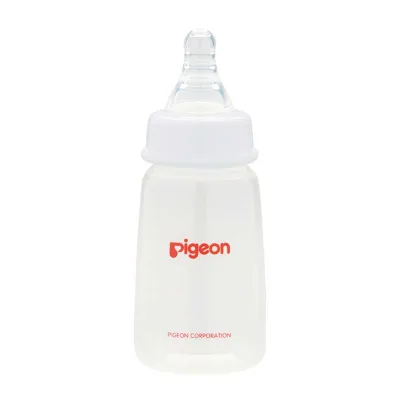
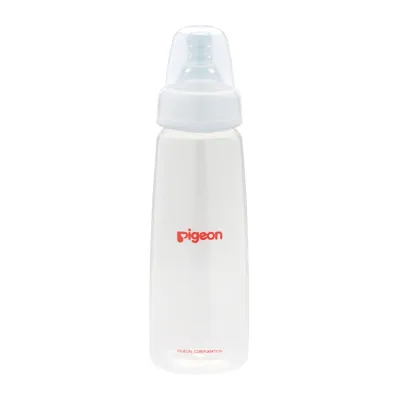
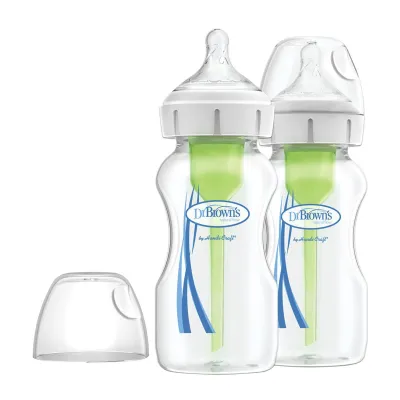
Prices are valid at publication and may change. Please refer to the product page for the latest price.
Quick Comparison: Glass vs. Plastic vs. Silicone
To help you navigate these options, it is helpful to look at how glass, plastic, and silicone compare across key decision factors. While safety is always the top priority, daily usability—such as how heavy a bottle is or how easily it breaks when dropped—will directly affect your feeding experience.
Below is a summary of the primary characteristics of each material to guide your initial selection:
| Material | Weight | Breakability / Durability | Chemical Leaching Risk | Average Price Band (SGD) | Best Suited For |
|---|---|---|---|---|---|
| Glass | Heavy | High risk of shattering; highly durable against wear | Lowest; naturally chemical-free | S$15 – S$35 | Newborns, home feeding, and families prioritizing maximum purity |
| PP Plastic | Very lightweight | Shatterproof; prone to scratching and heat wear | Low (BPA-free); requires regular replacement | S$8 – S$15 | Budget-conscious families, travel, and older babies self-feeding |
| PPSU Plastic | Lightweight | Shatterproof; highly durable and heat-resistant | Low (BPA-free); highly stable | S$20 – S$40 | Long-term daily use, active babies, and heavy sterilization routines |
| Silicone | Moderate | Shatterproof; soft and flexible but can tear | Low; highly stable | S$25 – S$45 | Transitioning from breast to bottle, paced feeding, and travel |
As this comparison shows, no single material excels in every category. A lightweight plastic bottle is highly convenient for outings but requires more frequent replacement than glass. Conversely, a glass bottle offers unmatched purity and longevity but demands careful handling to avoid dangerous breaks. Your decision does not have to be exclusive; many families find that using a combination of materials provides the most practical solution for different times of the day.
Glass Milk Bottles: Safety, Longevity, and Weight
Glass milk bottles have been a trusted standard for generations, primarily due to their exceptional material purity. Because glass is a natural, non-porous material, it does not absorb odors, retain milk fats, or stain from colored liquids. This chemical stability means glass bottles do not leach synthetic chemicals into milk, even when exposed to high-temperature sterilization or repeated heating.

Another significant benefit of glass is its resistance to physical degradation. Unlike plastic, glass does not develop micro-scratches on its inner surfaces during washing. This is a critical hygiene advantage, as micro-scratches in softer materials can harbor microscopic bacteria and milk residue that are difficult to clean. With proper care, glass bottles can remain in pristine condition for years, making them highly reusable for subsequent siblings.
However, the practical limitations of glass center around its weight and fragility. Glass bottles are substantially heavier than plastic or silicone alternatives. While this weight is easily managed by an adult feeding a newborn, it becomes a significant obstacle when your baby reaches the developmental stage of wanting to hold the bottle independently, typically around six months of age. A dropped glass bottle can shatter instantly on hard surfaces, creating a safety hazard in your home.
To mitigate the risk of breakage, many parents use protective silicone sleeves. These sleeves slide over the bottle to provide a cushioned, slip-resistant grip and absorb minor impacts from short drops. If you choose glass, always verify whether a protective sleeve is included with your purchase or if it must be bought separately. Additionally, you must be mindful of thermal shock. Glass can crack if subjected to rapid temperature changes, such as transferring a cold bottle directly from the refrigerator into boiling water. Always consult the manufacturer’s guidelines to understand the specific thermal shock limits of your glass bottles.
Plastic Milk Bottles: Navigating PP, PPSU, and Wear
Plastic milk bottles are highly popular due to their lightweight design, affordability, and shatterproof nature. However, navigating the plastic category requires understanding the differences between materials like standard Polypropylene (PP) and premium options like Polyphenylsulfone (PPSU) or Polyethersulfone (PES). These plastics differ significantly in their durability, appearance, and how they handle long-term wear.
Standard PP bottles are typically translucent or slightly cloudy in appearance. They are highly flexible, budget-friendly, and lightweight, making them an easy choice for quick outings. However, PP is a relatively soft plastic, meaning it scratches easily during cleaning and degrades faster under high heat. Premium PPSU bottles, easily identified by their natural amber or honey-toned tint, offer much higher structural rigidity and superior durability. PPSU is a medical-grade plastic that resists scratches and retains its structural integrity through hundreds of sterilization cycles, though it comes at a higher price point. PES bottles fall in the middle, offering a slight straw-colored tint and moderate durability.
While almost all baby bottles sold today are prominently labeled as “BPA-free,” it is important to remember that this is a regulatory baseline rather than a guarantee against material wear. Over time, all plastic bottles are subject to physical degradation from repeated washing, heating, and sterilization. To verify what material your bottle is made of, look at the recycling code stamped on the base of the bottle. PP bottles are marked with code 5, while other advanced plastics like PPSU or PES generally fall under code 7 (Other).
Because plastic is susceptible to wear, you must monitor your bottles closely for signs of physical aging. Over time, plastic can become cloudy, develop a yellow tint, retain stubborn odors, or show visible micro-scratches on the inside. When these signs appear, the plastic has begun to degrade, creating microscopic crevices where bacteria can multiply. To maintain feeding hygiene, you should replace plastic bottles immediately when any physical wear or cloudiness is observed.
Silicone Milk Bottles: Flexibility and Paced Feeding
Silicone milk bottles represent a modern alternative that bridges the gap between the purity of glass and the shatterproof convenience of plastic. Made from food-grade or medical-grade silicone, these bottles are soft, flexible, and warm to the touch. This unique tactile quality closely mimics the natural feel of skin, which can be highly beneficial for babies who struggle to transition from breastfeeding to bottle-feeding.
The squeezable body of a silicone bottle also supports specific feeding techniques, such as paced bottle-feeding. Caregivers can gently compress the bottle to assist with milk flow or help a baby who is learning to coordinate sucking and swallowing. Because silicone is completely shatterproof and lightweight, it is highly safe for older babies to hold themselves without any risk of injury or breakage.
Despite these benefits, silicone bottles have distinct practical downsides. The material has a naturally high-friction, slightly tacky surface that easily attracts dust, lint, and pet hair. In a warm and humid climate like Singapore’s, silicone can also develop a sticky or greasy residue over time if it is not washed thoroughly with a suitable dishwashing liquid. Furthermore, as your baby grows and begins teething, they may try to bite or chew on the soft silicone collar or body, which can damage the material and create a choking hazard.
When purchasing silicone bottles, always verify that the product is explicitly labeled as 100% food-grade or medical-grade silicone, free from plastic fillers. You should also check the manufacturer’s care instructions carefully. Some silicone bottles require specific cleaning brushes or low-residue soaps to prevent the material from absorbing odors or becoming sticky over time.
Choosing the Right Material for Your Daily Routine
Selecting the right bottle material is not just about comparing technical specifications; it is about finding what fits seamlessly into your daily routine, your baby’s age, and your childcare arrangements.
Home vs. On-the-Go Feeding Scenarios For home feeding, where you have immediate access to a clean countertop, a bottle warmer, and a dedicated drying rack, glass bottles are highly practical. Their weight is easy to manage in a controlled environment, and their ease of cleaning makes them ideal for frequent daily feeds. However, when you are packing a diaper bag for an outing, visiting family, or traveling, lightweight and shatterproof materials like plastic or silicone are far more convenient. They reduce the weight of your bag and eliminate the risk of an accidental drop ruining your supply of expressed breast milk or formula while you are away from home.
Baby’s Age and Motor Skill Development Your baby’s developmental stage should also guide your material choice. During the newborn stage (0 to 6 months), caregivers handle all the feeding and bottle management, making the weight of glass a non-issue. As your baby approaches 6 to 12 months, they will begin developing the motor skills to hold the bottle themselves. At this stage, transitioning to lightweight PP, PPSU, or silicone bottles is highly beneficial. It encourages independent feeding without tiring your baby’s arms, and protects them from injury if they drop the bottle onto their face or the floor.
Singapore Childcare and Daycare Policies If you plan to enroll your child in an infant care or childcare centre in Singapore, you must consider their specific safety guidelines. Many local childcare providers enforce strict policies that prohibit glass bottles in communal feeding and play areas to prevent injury from accidental breakage. In these settings, lightweight, clearly labeled PPSU or PP plastic bottles are usually the preferred choice. Always check with your childcare provider before purchasing a large set of bottles for school use.
The Hybrid Approach: Mixing Materials You do not have to commit to a single material for your entire feeding journey. Many parents adopt a hybrid strategy that combines the strengths of different materials. For example, you might use glass bottles for overnight feeds at home to ensure maximum hygiene, and keep a set of durable PPSU or silicone bottles for daytime outings, travel, and infant care. This approach allows you to enjoy the purity of glass while benefiting from the practical durability of plastic and silicone when you are on the move.
Cleaning, Sterilization, and Replacement Signs
Proper maintenance is essential to ensure your baby’s bottles remain hygienic and safe to use. However, because different materials react differently to heat, moisture, and light, you must tailor your cleaning and sterilization routine to the specific bottle type you use. Always read and follow the manufacturer’s instructions for your specific bottle model before sterilizing.
Understanding Sterilization Compatibility Sterilization methods—including boiling water, steam sterilizers, UV sterilizers, and cold-water chemical solutions—must align strictly with the bottle’s material specifications. While glass can withstand high-heat boiling and UV exposure without any issue, plastic and silicone require more caution. For instance, do not assume all plastic bottles can withstand prolonged UV sterilization. Exposure to UV light can accelerate the aging process of certain plastics, particularly PP, causing them to degrade, discolor, or become brittle much faster than normal. Always check the product packaging or the manufacturer’s website to verify the maximum temperature threshold and approved sterilization methods for your bottles.
Visual Inspection Checklist Regardless of the material you choose, establish a habit of conducting a quick visual and tactile inspection of every bottle during washing. Use this simple checklist to identify when a bottle is no longer safe to use:
- For Plastic Bottles: Check for persistent cloudiness, deep yellowing, stubborn sour milk odors, or visible micro-scratches on the inner walls.
- For Glass Bottles: Run your fingers carefully along the rim, threads, and base to check for hairline cracks, chips, or sharp edges. Ensure that any protective silicone sleeve fits snugly and is removed regularly to clean any trapped moisture underneath.
- For Silicone Bottles: Squeeze and stretch the bottle body to check for tears, thinning areas, bite marks from teething, or a sticky, tacky texture that does not wash away.
The Safety Boundary If your inspection reveals any structural damage, deep scratches, cracks, or significant material degradation, you must stop using the bottle immediately. Continuing to use a compromised bottle poses hygiene risks, as bacteria can easily colonize damaged surfaces. Replacing worn bottles promptly is a crucial step in maintaining a safe and healthy feeding routine for your baby.
Frequently Asked Questions (FAQ)
Can I mix glass and plastic bottles for my baby?
Yes, mixing glass and plastic bottles is entirely safe and highly practical for different scenarios. To ensure a smooth transition between different bottles, focus on keeping the nipple shape, material, and flow rate consistent. Babies are generally more sensitive to changes in the nipple design and flow speed than the material of the bottle container itself.
How do I know when a plastic milk bottle needs replacing?
Rather than relying solely on a fixed calendar schedule (such as replacing bottles every three to six months), let visual and tactile wear guide your decision. You should replace a plastic bottle immediately if you notice persistent cloudiness, lingering sour milk odors that do not wash away, visible scratches on the inside walls, or a change in the plastic’s texture.
Community discussion
Share your experience or ask a question. Comments are reviewed before publication.