
Gentrisone is a potent, triple-action topical medication that is not safe for unsupervised, over-the-counter use on babies. It contains three highly active pharmaceutical ingredients: a strong corticosteroid, an antibiotic, and an antifungal agent. While it might seem like a convenient, all-in-one solution for stubborn diaper rashes, applying this medication to an infant’s delicate skin without a direct prescription and close supervision from a qualified paediatrician poses severe health risks. Infant skin is structurally different from adult skin, making it far more susceptible to the systemic absorption of powerful drugs. Using such a strong combination cream for routine diaper irritation is not only unnecessary but can lead to serious complications like skin thinning, adrenal suppression, and localized drug resistance.
When caring for a baby, it is natural to want a fast-acting remedy for skin discomfort. However, the diaper area presents a unique environment where medications behave much more aggressively than they do on other parts of the body. Understanding the specific roles of the active ingredients in combination creams, the physiological vulnerabilities of infant skin, and the safe alternatives available for daily care is essential for protecting your baby’s health. This guide explains why Gentrisone requires extreme caution and how to manage common diaper rashes safely.
Understanding the Active Ingredients in Gentrisone
To understand why Gentrisone requires such strict medical oversight, parents must look closely at its three active components. Each ingredient is formulated to target a specific type of skin issue, but each also carries distinct risks when applied to the highly permeable skin of an infant.
Products mentioned in this guide
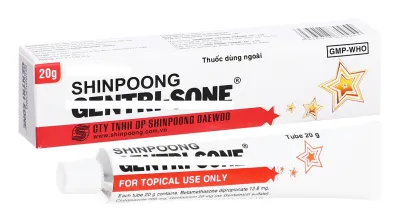
Prices are valid at publication and may change. Please refer to the product page for the latest price.
The first active component is a corticosteroid, typically betamethasone dipropionate. Corticosteroids are powerful anti-inflammatory agents used to reduce redness, swelling, and itching. While highly effective for severe inflammatory skin conditions in adults, topical steroids pose significant hazards to infants. Because a baby’s skin is thin, these hormones can easily penetrate the skin barrier and enter the bloodstream. Prolonged or improper use can lead to local side effects like skin atrophy (thinning), stretch marks, and changes in skin pigmentation. More critically, systemic absorption of corticosteroids can suppress the baby’s adrenal glands, potentially disrupting their natural hormone production and affecting growth.
The second component is an antibiotic, usually gentamicin sulfate. Gentamicin is an aminoglycoside antibiotic designed to eliminate bacterial pathogens that can infect broken skin. While crucial for treating confirmed bacterial infections, using an antibiotic on a non-bacterial rash is highly counterproductive. It disrupts the natural, beneficial microflora that live on the baby’s skin, which help protect against harmful pathogens. Furthermore, unnecessary exposure to topical antibiotics contributes to the development of antibiotic-resistant bacterial strains, making future infections much more difficult to treat with standard medications.
The third component is an antifungal agent, typically clotrimazole. Clotrimazole targets fungal organisms, most notably Candida albicans, which is the yeast responsible for fungal diaper infections. While clotrimazole is a standard and safe treatment when a fungal infection is actually present, using it as a preventive measure or on a simple friction rash is inappropriate. It exposes the baby’s developing system to unnecessary chemical compounds without addressing the root cause of the irritation.
Why Infant Skin and the Diaper Area Need Special Care
The physiological differences between infant and adult skin explain why babies are uniquely vulnerable to the side effects of potent topical medications. An infant’s stratum corneum—the outermost layer of the skin—is significantly thinner and less developed than that of an adult. This means the skin’s natural barrier function is highly permeable, allowing topical substances to pass through into the deeper layers of the skin and the bloodstream much more rapidly. Additionally, babies have a much higher surface-area-to-body-weight ratio than adults, meaning that any substance absorbed through the skin has a proportionally greater impact on their internal systems.

Furthermore, the diaper area presents a highly challenging environment known as an “occlusive” environment. When a baby wears a diaper, the plastic backing, tight fit, and constant presence of urine and stool trap heat, moisture, and humidity against the skin. In a warm, humid tropical climate like Singapore’s, this occlusion effect is naturally amplified. The ambient humidity prevents sweat from evaporating efficiently, which further breaks down the skin barrier and dramatically increases the penetration and potency of any cream applied beneath the diaper. A mild or moderate steroid applied under a diaper can behave like a high-potency steroid, multiplying the risk of systemic absorption and localized skin damage.
Overtreating a simple diaper rash with a triple-action cream is a common but risky mistake. Most diaper rashes are caused by simple friction, wetness, or chemical irritation from urine and faeces. Treating this mild irritation with a heavy-duty combination of steroids, antibiotics, and antifungals is unnecessary and exposes the baby to multiple pharmacological risks without providing additional healing benefits.
When to Use and When to Avoid Combination Creams
Because of these risks, combination creams like Gentrisone should only be used under strict medical guidance. A paediatrician may prescribe such a cream only when they have diagnosed a complex, mixed infection. This occurs when a baby has a severe diaper rash that is simultaneously infected by both bacteria and fungi, accompanied by intense, painful inflammation. In these rare cases, the doctor will carefully weigh the benefits against the risks and provide a highly specific treatment plan.
Conversely, parents must strictly avoid using Gentrisone for routine diaper rash. Standard irritant contact dermatitis—characterized by mild redness on the areas of the skin that directly touch the diaper—does not involve bacterial or fungal pathogens. It is best managed with simple barrier protection and hygiene adjustments. Using a triple-action cream in this scenario is inappropriate and potentially harmful.
Additionally, combination creams must never be applied to viral skin infections, such as chickenpox, hand-foot-and-mouth disease, or herpes simplex. The corticosteroid component in the cream suppresses the local immune response, which can allow a viral infection to spread rapidly, worsen significantly, and delay proper diagnosis. If the cause of a rash is unknown, applying a steroid-containing cream can mask the symptoms, making it incredibly difficult for a doctor to identify the underlying condition.
Safe Application and Monitoring If Prescribed
If a paediatrician determines that a combination cream is absolutely necessary for your baby, strict adherence to their instructions is vital. Parents must never exceed the prescribed dosage, frequency, or duration of treatment. Typically, doctors limit the use of potent steroid-containing creams on infants to a very short window, often no more than three to five days, to minimize the risk of skin thinning and systemic absorption.
When applying the cream, use a very thin layer and target only the specific areas of active infection identified by the doctor. Avoid spreading the cream over large surface areas of the baby’s body, as this dramatically increases the amount of medication absorbed into the bloodstream. Never apply these potent creams to the baby’s face, near the eyes, or on deeply broken, bleeding skin unless explicitly directed by a medical professional.
During the treatment period, monitor your baby’s skin closely for any adverse reactions. Stop using the cream immediately and contact your paediatrician if you notice the rash spreading, the skin appearing unusually thin, shiny, or translucent, or if you observe changes in skin colour (hypopigmentation). The appearance of new blisters, pus-filled bumps, or signs of systemic distress also warrants immediate medical evaluation.
Safer Daily Alternatives for Routine Diaper Rashes
For the vast majority of daily diaper irritations, safe, non-prescription care strategies are highly effective and carry virtually no risk of systemic side effects. The cornerstone of diaper rash management is maintaining excellent hygiene and maximizing airflow. Change your baby’s diaper frequently—ideally as soon as it becomes wet or soiled—to prevent urine and stool from irritating the skin. Clean the area gently using plain, lukewarm water and a soft cloth, or alcohol-free, fragrance-free wipes.
Allowing the baby’s skin to air dry completely before putting on a fresh diaper is incredibly beneficial. Whenever possible, incorporate “diaper-free time” into your daily routine. Laying your baby on a clean, dry towel without a diaper for short periods allows the skin to breathe and heal naturally in a dry environment, breaking the cycle of moisture-induced irritation.
To protect the skin from future irritation, apply a thick layer of a gentle barrier cream or ointment at every diaper change. Look for plain, fragrance-free formulations containing zinc oxide or petroleum jelly. These ingredients do not absorb into the skin; instead, they form a physical shield that repels moisture and prevents friction. If a diaper rash does not improve after a few days of consistent barrier care, or if it begins to bleed, ooze yellow fluid, or is accompanied by a fever, consult a paediatrician for a professional assessment.
Frequently Asked Questions (FAQ)
Can I use Gentrisone for my baby's regular diaper rash?
No, you should not use Gentrisone for regular diaper rash. Regular diaper rash is typically caused by friction and moisture, which can be safely managed with gentle cleaning and zinc oxide barrier creams. Gentrisone contains a potent steroid, an antibiotic, and an antifungal. Using it without a doctor’s prescription exposes your baby to unnecessary risks of skin thinning, systemic drug absorption, and antibiotic resistance.
How long is it safe to use steroid creams on a baby?
The safe duration for using any steroid cream on a baby must be strictly determined by a paediatrician. Because infant skin absorbs medications very quickly, doctors generally limit the use of topical steroids to the shortest time possible, often just a few days. Never extend the treatment period beyond what was prescribed, and do not reuse the cream for future rashes without consulting your doctor first.
What should I do if my baby's rash gets worse after applying the cream?
If your baby’s rash worsens, spreads, or develops new blisters or pus after applying the cream, stop using it immediately. Gently wash the area with plain water to remove any remaining cream, and contact your paediatrician right away. Do not attempt to apply other home remedies, over-the-counter creams, or alternative treatments, as these can interact with the medication or further irritate the compromised skin.
Community discussion
Share your experience or ask a question. Comments are reviewed before publication.