
Selecting the right pregnancy belt is a highly personal decision that depends on your current trimester, your daily activity levels, and the specific physical discomforts you are experiencing. As your body changes to accommodate your growing baby, your center of gravity shifts forward, placing extra strain on your lower back, pelvis, and abdominal muscles. While some expectant mothers require gentle, flexible support to lift a heavy bump, others need targeted stabilization for shifting pelvic joints.
There is no single winning design that serves every stage of pregnancy perfectly. A full belly band offers comprehensive coverage and weight distribution for the later trimesters, whereas an under-belly sling provides a lightweight, breathable lift for an emerging bump. Meanwhile, a pelvic belt bypasses the abdomen entirely to focus on stabilizing the hips and sacroiliac joints. By understanding how these three distinct designs function, you can match the right support to your body’s changing needs and verify all usage instructions on the product label to ensure a safe, comfortable fit.
How Full Belly, Under-Belly, and Pelvic Belts Differ
To choose the right support garment, it is essential to understand how their structural designs alter where and how pressure is distributed across your body. Each type of pregnancy belt targets a different anatomical area and serves a distinct purpose, meaning they cannot be used interchangeably.
Products mentioned in this guide
Prices are valid at publication and may change. Please refer to the product page for the latest price.
Full Belly Support Bands
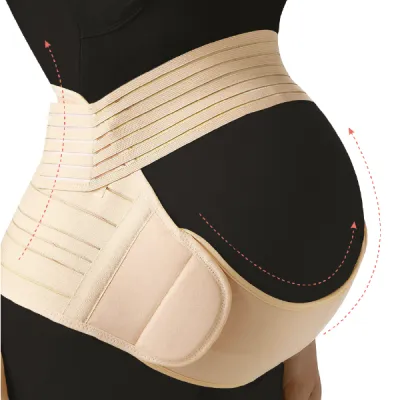
Full belly support bands are wrap-around garments designed to cover the entire abdomen. They typically feature a wide, elasticized band that cradles the underside of the bump and extends upward over the top of the belly, often incorporating additional straps that cross over the lower back or shoulders. This comprehensive design is engineered to distribute the weight of the pregnancy more evenly across your entire torso, reducing the localized downward pull on your lower back and pelvic floor.
Under-Belly Slings
Under-belly slings utilize a U-shaped or V-shaped band that rests snugly beneath the pregnancy bump. Unlike full-coverage bands, these slings focus almost exclusively on lifting the abdomen from below rather than compressing or covering it. They are generally narrower, lighter, and less restrictive, making them an excellent option for those who want targeted support without feeling fully enclosed in heavy fabric.
Pelvic Belts
Pelvic belts, sometimes referred to as sacroiliac (SI) belts, are narrow, firm, and relatively inelastic straps. They are not designed to support the weight of the belly itself; instead, they are worn very low on the hips, wrapping tightly around the pelvic girdle. The primary goal of a pelvic belt is to provide external compression to the pelvic joints, helping to stabilize the hips and reduce the painful shifting that can occur when pregnancy hormones relax your ligaments.
Matching the Belt to Your Trimester and Discomfort
Your physical support requirements will naturally evolve as you progress through each stage of pregnancy. Matching the style of your pregnancy belt to your specific trimester and pain points ensures you get the right level of relief without restricting your natural movement.

First to Early Second Trimester: Under-Belly Slings
During the first trimester and the early weeks of the second trimester, your baby bump is just beginning to show, and the physical strain on your body is usually mild. If you start to experience light lower back strain or a mild pulling sensation as your uterus expands, an under-belly sling is often the ideal starting point. Its low-profile, lightweight design provides just enough upward lift to ease early discomfort without adding unnecessary bulk under your maternity wear. This style is particularly convenient for daily wear in warm, humid climates, where minimizing fabric layers is key to staying comfortable.
Late Second to Third Trimester: Full Belly Bands
As you enter the late second trimester and move into the third, the rapid increase in abdominal weight can lead to significant physical fatigue. This is when a full belly support band becomes highly beneficial. The comprehensive wrap-around design helps manage the intense downward pressure of a fully grown bump, offering relief from round ligament pain—the sharp, stretching sensations on the sides of the lower abdomen. By distributing the weight across your back and shoulders, a full belly band can help you maintain better posture during daily walks, household tasks, or light exercise.
Pelvic Girdle Pain (PGP) or SI Joint Discomfort: Pelvic Belts
If you are experiencing pelvic girdle pain (PGP) or sacroiliac (SI) joint instability, your discomfort is likely centered in your hips, pubic bone, or lower back rather than being caused by the weight of your abdomen. In these cases, a pelvic belt is the most appropriate choice. Because it is worn low and tight around the pelvis, it acts as an external stabilizer for the joints that have become loose due to the hormone relaxin. It is important to note that pelvic belts target joint alignment rather than abdominal lifting, making them highly specialized tools for specific pain patterns.
Condition to Verify
Regardless of which stage of pregnancy you are in, always check the manufacturer’s sizing charts, trimester recommendations, and specific contraindications on the product label before making a purchase. Sizing can vary significantly between brands, and wearing an incorrectly sized belt can lead to discomfort or restricted circulation.
Key Features to Check Before You Buy
When shopping for maternity support wear, looking beyond the basic design to evaluate specific functional features will ensure you select a product that is both comfortable and durable.
Adjustability
Your body will continue to change week by week, which means your pregnancy belt must be highly adjustable to remain useful. Look for designs that feature multiple hook-and-loop panels, adjustable side straps, or sliding buckles. This allows you to customize the level of compression and expand the belt’s circumference as your baby bump grows, ensuring you do not have to purchase multiple sizes throughout your pregnancy.
Material and Breathability
Because pregnancy can increase your core body temperature, choosing the right fabric is crucial for daily comfort. Check the product specifications for breathable, moisture-wicking materials such as perforated neoprene, cotton blends, or lightweight mesh. This is especially important if you live in a tropical climate or plan to wear the belt while staying active, as it helps prevent sweat buildup and skin chafing.
Grip and Stay-Put Design
A common frustration with pregnancy belts is their tendency to slide, roll, or ride up as you move, sit, or walk. To avoid constantly adjusting your garment, verify if the inner lining features silicone grips, non-slip textures, or contoured shaping designed to anchor the belt securely against your hips or undergarments.
Care Instructions
Maternity belts are subjected to daily wear, sweat, and stretching, making regular cleaning essential. Review the washing labels carefully before buying. Opt for belts that can be easily hand-washed or machine-washed on a delicate cycle without losing their elasticity or damaging the hook-and-loop fasteners. Ensuring the support structure maintains its shape after repeated cleaning is key to its long-term effectiveness.
Quick Comparison of Pregnancy Belt Types
To help you quickly contrast the three main designs, the table below summarizes how each pregnancy belt type performs across key decision dimensions.
| Belt Type | Primary Support Area | Best Suited Stage | Main Discomfort Targeted | Fit Profile |
|---|---|---|---|---|
| Full Belly Band | Abdomen, lower back, and shoulders | Late second to third trimester | Round ligament pain, severe lower back fatigue | High coverage, wrap-around, structured |
| Under-Belly Sling | Lower abdomen (upward lift) | First to early second trimester | Mild lower back strain, light abdominal pulling | Low-profile, lightweight, U- or V-shaped |
| Pelvic Belt | Hips and sacroiliac (SI) joints | Any trimester (as symptoms arise) | Pelvic girdle pain (PGP), hip instability | Narrow, firm, worn low across the hips |
Please keep in mind that individual body shapes and comfort preferences vary widely. While this table provides a general framework, you should always prioritize product-specific instructions and your personal comfort over general guidelines.
When to Stop Using a Pregnancy Belt and Seek Help
While pregnancy belts are excellent tools for managing temporary discomfort, they are not intended to cure underlying medical conditions, and they must be used with caution to ensure the safety of both mother and baby.
Stop using your pregnancy belt immediately if you experience any of the following warning signs:
- Skin irritation, redness, or chafing where the fabric contacts your skin.
- Restricted breathing, shortness of breath, or a feeling of chest tightness.
- Digestive discomfort, increased acid reflux, or nausea.
- Any noticeable change or decrease in fetal movement.
Do not attempt to use a support belt to push through sharp, sudden, or worsening pain. Pain is your body’s way of signaling that something requires attention, and masking it with external support can delay necessary medical care. If your discomfort worsens or does not improve with rest, seek a professional medical evaluation.
It is highly recommended to consult your obstetrician, gynecologist, or a qualified pelvic floor physiotherapist before using a pelvic belt, especially if you have a history of joint issues, pelvic floor dysfunction, or high-risk pregnancy factors. Additionally, you should avoid wearing any type of maternity support band while sleeping or resting unless you have been explicitly directed to do so by a healthcare provider, as prolonged compression during inactivity can restrict healthy blood circulation.
Frequently Asked Questions (FAQ)
Can I wear a pregnancy belt all day?
No, you should avoid wearing a pregnancy belt continuously throughout the entire day. Most healthcare professionals recommend limiting wear to two to three hours at a time, or specifically during periods of physical activity, walking, or standing. Wearing a support garment for too long can cause your core and back muscles to become dependent on the external support, potentially weakening them over time. Always remove the belt when you are sitting for extended periods, resting, or sleeping to ensure your muscles continue to engage naturally and to maintain optimal blood circulation.
How tight should my pregnancy belt be?
Your pregnancy belt should feel snug and supportive, but never tight or restrictive. A good rule of thumb is that you should be able to comfortably slide two fingers flat between the belt and your skin. The belt is designed to gently lift and support your bump or stabilize your joints, not to compress your abdomen or restrict your breathing. If you experience numbness, tingling, deep indentations on your skin, or an increase in acid reflux, these are clear warning signs that the belt is adjusted too tightly and needs to be loosened immediately.
Community discussion
Share your experience or ask a question. Comments are reviewed before publication.