
Choosing the right milk formula for your growing baby is one of the most important decisions you will make in their early years. As infants grow, their digestive systems mature and their nutritional requirements shift. Friso infant formula is structured into distinct stages—specifically Stage 1, Stage 2, and Stage 3—to align with these developmental milestones. Understanding the differences between these stages ensures that your child receives age-appropriate nutrition at every step of their journey.
Why Friso Infant Formula is Divided into Stages 1, 2, and 3
Infant development is a rapid, highly sequential process. In the first few weeks of life, a newborn’s digestive tract is highly sensitive and optimized primarily for the digestion of simple milk proteins and fats. As the months progress, the gut matures, producing a wider array of digestive enzymes capable of handling more complex nutrients. At the same time, the baby’s physical activity increases, moving from lying down to rolling, sitting, crawling, and eventually walking. This physical progression demands different ratios of energy, vitamins, and minerals.
To address these changing physiological needs, manufacturers divide formulas into distinct stages. Each stage is tailored to support a specific window of development, ensuring the baby is neither undernourished nor overwhelmed by nutrients their body cannot yet process.
Products mentioned in this guide
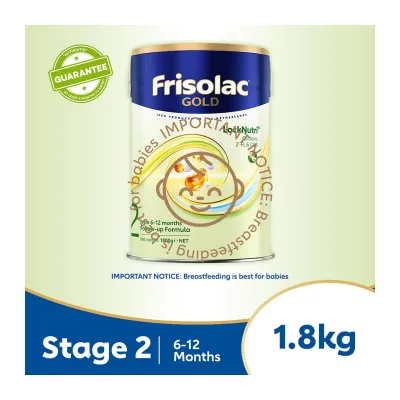
120 Lazada user ratings
Nutritious and healthy for infants, 😋Digestibility: Gentle on baby's tummy, 🏆Brand Trust: best of all time.. buy the bigger can for more sav…Read full reviewShow less
Nutritious and healthy for infants, 😋Digestibility: Gentle on baby's tummy, 🏆Brand Trust: best of all time.. buy the bigger can for more savings
📄Nutritional Value: Gentle on baby's tummy, 😋Digestibility: Provides essential nutrients for development, 🏆Brand Trust: best of all time
📄Nutritional Value: Nutritious and healthy for infants, 😋Digestibility: Gentle on baby's tummy, 🏆Brand Trust: best of all time
📄Nutritional Value: Great formula for babies, 😋Digestibility: easy to prepare and digest 🏆Brand Trust: best of all time
Recommended by pediatricians, Easy to prepare and feed, been using this brand since infant stage
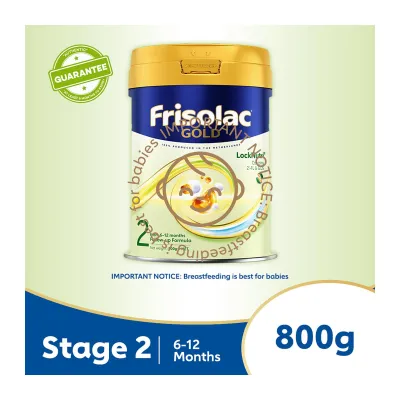
151 Lazada user ratings
📄Nutritional Value: Gentle on baby's stomach, 😋Digestibility: Great value for money, 🏆Brand Trust: best of all time
My son is taking Frisolac 2 since 6 months old. He is happy with it.
Great quality and received in good condition. Highly recommended
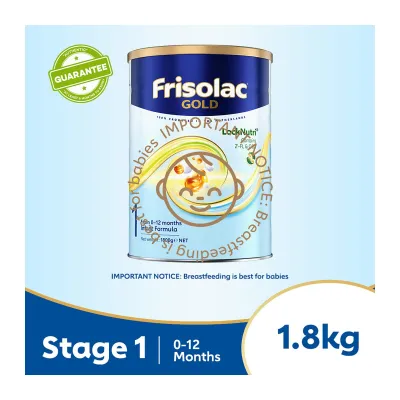
101 Lazada user ratings
Easy to prepare and mix well., Gentle on baby's tummy, no discomfort., Provides essential nutrients for healthy development., Great formula …Read full reviewShow less
Easy to prepare and mix well., Gentle on baby's tummy, no discomfort., Provides essential nutrients for healthy development., Great formula for newborns!,
Thanks Redmart to provide good delivery service for those heavy and bulky items.
Deliver in good condition
My baby love this!
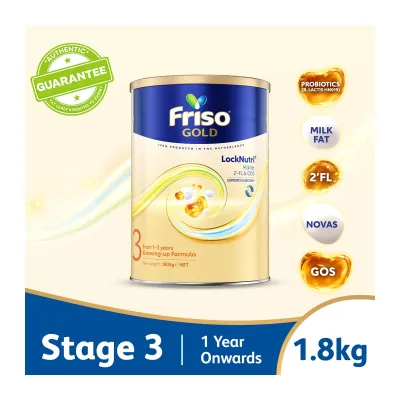


23 Lazada user ratings
First time buying this, hope this will help my 2yo poo softer and not strain so much when pooing. The box was half opened, Luckily the tins …Read full reviewShow less
First time buying this, hope this will help my 2yo poo softer and not strain so much when pooing. The box was half opened, Luckily the tins not dented. The rice and milk powder could be too heavy for the box. Could be packed better in a way.
Many delivery slots available, and items were delivered very fast. Highly recommended!
Easy to prepare and mix, Easy to prepare and mix, Promotes healthy digestion,
Easy to prepare and mix, Effective in managing constipation.
Prices are valid at publication and may change. Please refer to the product page for the latest price.
Below is a high-level comparison summarizing the target age range, primary nutritional focus, and key label indicators for Stages 1, 2, and 3:
| Stage | Target Age | Primary Nutritional Focus | Key Label Indicators |
|---|---|---|---|
| Friso Gold Stage 1 | 0 to 6 months | Easy digestion, foundational growth, exclusive liquid nutrition | Infant Formula, "0-6 Months" |
| Friso Gold Stage 2 | 6 to 12 months | Complementing solid foods, iron and calcium support | Follow-on Formula, "6-12 Months" |
| Friso Gold Stage 3 | 1 to 3 years | Bridging nutritional gaps, supporting active toddlerhood | Growing-up Milk, "1-3 Years" |
It is crucial to note that exact nutrient ratios, ingredients, and specific formulations can vary depending on the country or region where the formula is purchased. Always verify the precise nutritional values, ingredient lists, and preparation instructions printed on the physical tin rather than relying on generalized online charts.
Friso Gold Stage 1 (0–6 Months): Nutritional Focus and Label Checks
During the first six months of life, breast milk or infant formula serves as the sole source of nutrition for your baby. Friso Gold Stage 1 is specifically formulated to meet the needs of newborns and young infants whose digestive systems are still developing. The primary focus of this stage is easy digestion and providing the foundational building blocks for rapid physical and cognitive growth. The protein structures and fat blends in Stage 1 are designed to be gentle on a delicate stomach, minimizing the likelihood of digestive discomfort.

When preparing Stage 1 formula, meticulous attention to detail is vital for your newborn’s safety. Caregivers must carefully check the product label for specific age-based feeding tables and preparation instructions. The water-to-powder ratio must be followed exactly as directed by the manufacturer; altering the concentration of the formula can lead to severe dehydration or nutritional deficiencies. Always use the scoop provided in that specific tin, as scoop sizes can vary between different stages and batches.
Monitoring how your baby tolerates the formula is an ongoing responsibility. Observable signs of good tolerance include steady weight gain along a consistent growth curve, regular stool patterns that are soft and easy to pass, and a generally content disposition after feeding. If you observe persistent spitting up, excessive gas, unusual stool consistency, or slow weight gain, consult a pediatrician to evaluate whether a specialized formula or a different feeding strategy is required.
Friso Gold Stage 2 (6–12 Months): Adjusting for Solid Foods
Around the six-month mark, babies typically begin their transition to solid foods. Friso Gold Stage 2, often classified as a follow-on formula, is designed to support this exciting developmental phase. As infants become more active—learning to sit up, roll, and crawl—their physiological demands change. Stage 2 formulas generally feature adjusted levels of key minerals like iron and calcium. Iron is particularly important during this stage, as a baby’s natural iron stores accumulated during pregnancy begin to deplete around six months of age.
Introducing solid foods is a gradual process of exploration, and milk remains a primary source of nutrition during the second half of the first year. Stage 2 formula is formulated to complement, not replace, the purees, mashed fruits, and soft solids you introduce to your baby. Balancing formula intake with solid foods requires observing your baby’s appetite cues. Offer solids first or after milk feeds depending on your pediatrician’s guidance, ensuring they receive a diverse range of nutrients from both sources.
Because the nutritional density and physical properties of Stage 2 powder differ from Stage 1, you must check the specific tin for updated preparation guidelines. Serving sizes, feeding frequencies, and scoop measurements often change at this stage. Never assume the preparation instructions from Stage 1 carry over directly to Stage 2; always read the label on the new tin before the first feed.
Friso Gold Stage 3 (1–3 Years): Supporting Toddler Development
Once your child reaches their first birthday, they transition from infancy to toddlerhood. Friso Gold Stage 3, commonly referred to as growing-up milk, is formulated for children aged one to three years. At this stage, your toddler’s diet should consist primarily of varied, healthy family foods. However, toddlers can be notoriously picky eaters, and their rapid physical and cognitive development requires consistent nutritional support. Stage 3 milk is designed to act as a safety net, helping to bridge potential nutritional gaps in a toddler’s daily intake.
The formulation of Stage 3 typically features adjusted protein, vitamin, and mineral levels tailored to the needs of active toddlers. It is important to remember that toddler formula is a supplement to, rather than a replacement for, a balanced diet. It should not crowd out whole foods or discourage your child from exploring different textures and flavors. Encouraging a love for diverse, nutrient-dense family meals remains the primary goal of toddler nutrition.
Deciding whether to introduce Stage 3 milk depends on your child’s individual eating habits and growth. Parents should evaluate their toddler’s actual dietary intake—noting whether they consume a balanced variety of iron-rich foods, fruits, vegetables, and healthy fats. Consulting a healthcare professional, such as a pediatrician or a pediatric dietitian, can help you determine if your toddler genuinely benefits from a growing-up milk or if pasteurized whole cow’s milk is a more suitable option for their specific needs.
Decision Framework: When to Switch and How to Transition
Transitioning between formula stages requires a thoughtful approach tailored to your child’s unique developmental timeline. Rather than switching solely based on the calendar, use a conditional decision framework to guide your choices. Move to Stage 2 if your baby is approaching six months of age, shows physical readiness for solid foods (such as sitting with support and showing interest in your meals), and is cleared by your pediatrician. Move to Stage 3 if your toddler is over 12 months old, is consuming a variety of solid foods, and you have verified with a healthcare professional that a growing-up milk is appropriate for their dietary profile.
Conversely, these standard stages may not fit your child’s needs if they have specific medical conditions, severe reflux, or suspected milk protein allergies. In such cases, specialized hypoallergenic or prescription formulas are required, and any transition must be managed under strict medical supervision. Always verify with your doctor if your baby shows signs of intolerance, or if you are unsure about their developmental readiness to progress to the next stage.
When you do decide to transition, executing the switch gradually can help minimize digestive upset. A standard, gradual transition method involves slowly introducing the new formula over several days. For example, you might replace one feed of the old formula with the new stage on day one, two feeds on day two, and gradually increase the proportion until the transition is complete. However, always defer to the manufacturer’s specific transition guidelines printed on the packaging, as preparation methods and scoop sizes can vary.
During any transition phase, keep a close eye on your baby for observable red flags. Signs of digestive distress—such as persistent diarrhea, vomiting, unusual skin rashes, excessive crying after feeds, or a sudden refusal to feed—indicate that the transition should be paused. If these symptoms occur, stop the switch, revert to the previously tolerated formula stage, and seek professional medical advice immediately.
Frequently Asked Questions (FAQ)
Can I mix Friso Stage 1 and Stage 2 in the same bottle?
Mixing different formula stages in the same bottle is sometimes considered by parents during a transition phase to help the baby adjust to the taste and texture of the new stage. While this can be done as a temporary, short-term transition strategy, it is not recommended as a long-term feeding practice. Mixing stages permanently can alter the intended nutritional balance and make it difficult to track your baby’s actual intake of specific vitamins and minerals.
If you choose to mix stages during a transition, you must check the specific manufacturer instructions on the Friso packaging. Because scoop sizes and water-to-powder ratios often differ between Stage 1 and Stage 2, you cannot simply mix the powders together using a single scoop. Each stage’s powder must be measured precisely according to its own instructions and scoop, ensuring the overall water volume matches the combined requirements of both portions to prevent digestive strain.
What if my baby refuses the new Friso stage after switching?
It is not uncommon for a baby or toddler to temporarily refuse a new formula stage due to subtle differences in taste, smell, or texture. If your child rejects the new stage, try making practical, low-risk adjustments. Ensure the water temperature matches what they are accustomed to, as even a slight temperature variation can cause rejection. Check the nipple flow rate of your bottles; as babies grow, they may require a faster flow rate, and frustration at the bottle can sometimes be mistaken for formula refusal.
Slowing down the transition pace is another effective strategy. If a rapid switch failed, revert to the previous stage and reintroduce the new stage much more gradually over a week or two. However, if the refusal is accompanied by signs of physical distress, allergic reactions (such as hives or swelling), vomiting, or signs of dehydration (such as fewer wet diapers or lethargy), stop feeding the new formula immediately and consult a pediatrician.
Community discussion
Share your experience or ask a question. Comments are reviewed before publication.