
Finding the right formula milk involves balancing physical preparation safety, nutritional suitability, and household budgeting. While many brands present similar foundational nutrition, they differ significantly in their physical scoop designs, powder densities, specialized ingredient additions, and long-term cost-per-feed metrics. Scoop accuracy is a frequently overlooked safety factor; a scoop that is poorly designed or used incorrectly can lead to inconsistent feeding concentrations, which may affect a baby’s hydration and digestion.
Beyond the mandatory baseline nutrients required by food regulations, brands differentiate themselves with optional ingredients like prebiotics, probiotics, or specific lipid blends. Caregivers must learn to read the actual ingredient panel rather than relying on front-of-pack marketing claims. Finally, the upfront price of a formula tin does not tell the whole story. True value is calculated by looking at the cost-per-feed, which depends on the powder weight, scoop size, and your baby’s daily feeding volume.
Evaluating Formula Scoop Measurement Accuracy
The physical design of a formula scoop plays a critical role in ensuring your baby receives the correct balance of nutrients and water. Manufacturers design scoops specifically for the density and texture of their own powder. Some tins feature built-in leveling bars or scrapers, while others require you to use a clean, dry knife to level the powder. These design differences directly impact how easily you can achieve a consistent, flat scoop without packing the powder too tightly.
Products mentioned in this guide
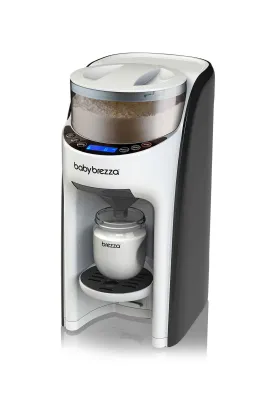
Prices are valid at publication and may change. Please refer to the product page for the latest price.
Powder compaction is a common source of measurement error during busy feeding routines. When you scoop formula, the physical force can compress the powder, leading to an over-concentrated feed. Conversely, if the powder is too loose or contains air pockets, the feed may be under-concentrated. Observing how the powder behaves in the scoop—whether it flows freely or tends to clump—helps you adjust your technique to ensure consistency.
Always consult the manufacturer’s specific preparation instructions on the tin. Some brands instruct caregivers to scoop gently and level off, while others may have specific guidelines regarding how to handle the scoop. Following these instructions precisely is vital because even minor deviations in scoop weight can accumulate over multiple daily feeds, potentially causing mild digestive discomfort or hydration issues for your infant.
The texture of the powder itself varies between brands due to differences in fat content, drying processes, and ingredient structures. Fine, dry powders may aerate easily, requiring a gentle tap of the scoop to settle the powder before leveling, if recommended by the manufacturer. Greasier or more cohesive powders might stick to the sides of the plastic scoop, meaning you must regularly inspect the scoop to ensure no residual powder is altering the measurement volume.
Comparing Ingredient Profiles for Daily Feeding
When evaluating what goes into your baby’s bottle, the ingredient list and nutrition information panel are your most reliable resources. All infant formulas sold in retail markets must meet strict national food standards and mandatory baseline nutrient requirements, ensuring they provide essential proteins, fats, carbohydrates, vitamins, and minerals. Consequently, the core nutritional value across standard brands is highly consistent, regardless of the brand’s premium positioning.

Premium brands often highlight optional ingredients, such as specific prebiotics (like galacto-oligosaccharides or fructo-oligosaccharides), probiotics, docosahexaenoic acid (DHA), arachidonic acid (ARA), or lutein. While these additions are designed to support development, caregivers should verify their presence and concentrations on the back-of-pack nutrition panel rather than relying on front-label marketing claims. This allows you to make objective comparisons based on actual nutritional values rather than promotional language.
Specialized formulations exist to address specific digestive or medical needs, such as lactose sensitivity, spit-up, or cow’s milk protein allergies. These formulas may use hydrolyzed proteins, alternative carbohydrate sources, or thickening agents. Because these products are formulated for specific physiological conditions, they should only be introduced under the direct guidance of a qualified pediatrician or healthcare professional to ensure they are appropriate for your baby’s health.
It is also essential to match the formula to your baby’s specific developmental stage. Formula stages (such as “Stage 1” for newborns, “Stage 2” for older infants, and “Stage 3” for toddlers) are tailored to meet the changing nutritional demands of growing children. Always verify that the product’s age indication matches your baby’s current age, and consult your pediatrician before transitioning between stages or switching brands, especially if your baby has underlying health conditions or growth concerns.
Assessing Overall Value and Cost-Per-Feed
To understand the true financial impact of a formula brand on your household budget, you must look beyond the retail price of a single tin. A lower upfront tin price does not always translate to a lower cost-per-feed. To calculate the actual cost, you need to determine the cost per gram of powder and multiply it by the exact weight of powder required for a single standard feed, as specified by the manufacturer’s preparation instructions.
To calculate the exact cost-per-feed, you can use a simple formula based on the information provided on the product label. First, divide the retail price of the tin (in S$) by the total net weight of the powder in grams to find the cost per gram. Next, multiply this cost per gram by the weight of a single scoop (in grams) and then multiply that by the number of scoops required for a single standard feed. This calculation gives you the precise cost of preparing one bottle, allowing you to compare different brands on an equal financial footing regardless of their packaging sizes.
Once you have the cost-per-feed, you can project your realistic monthly expenses by factoring in your baby’s daily feeding frequency. A newborn feeding multiple times a day will have a different monthly cost profile than an older infant who is consuming solid foods and feeding less frequently. Tracking these numbers helps you plan your household budget more accurately and identify where genuine savings can be made without compromising on nutritional quality.
Purchasing channels also play a significant role in overall value. While buying single tins at local supermarkets is convenient, purchasing through official brand websites or authorized online marketplaces often unlocks substantial savings. Many authorized distributors offer bulk bundle discounts, loyalty reward points, or recurring subscription programs that lower the average cost per tin. Always ensure you buy from reputable, authorized sellers to guarantee product authenticity and proper storage conditions.
Decision Framework: Choosing the Right Formula Brand
Selecting the right formula brand involves aligning your household’s daily routine and budget with your baby’s specific developmental needs. If your primary concern is minimizing preparation errors and ensuring consistent feeds, prioritize brands that offer advanced scoop ergonomics, such as tins with dedicated scoop storage compartments, leveling edges, or clear measurement markings. These features help reduce the risk of powder compaction and make nighttime preparation much more manageable.
If your baby requires specific nutritional support or has a sensitive digestive system, focus your decision on targeted ingredient profiles. Look for formulas that offer the specific protein structures or prebiotic blends recommended for your baby’s comfort. In these scenarios, the physical scoop design or the cost-per-feed becomes secondary to finding a formulation that your baby tolerates well and supports their steady growth.
For households where managing ongoing expenses is the primary constraint, maximizing cost-per-feed value through bulk packaging and subscription models is the most practical path. Choosing a widely available, standard formulation that fits comfortably within your budget ensures you can maintain a consistent supply without financial strain. Many high-quality, standard formulas provide excellent, complete nutrition at a highly accessible price point.
Regardless of which path you choose, safety and health must always come first. Before making any changes to your baby’s diet, switching brands, or introducing a specialized formula, consult a qualified pediatrician. This is especially critical if your baby has underlying health conditions, is experiencing poor weight gain, or has shown signs of food sensitivities. A professional medical assessment ensures that your chosen formula aligns perfectly with your baby’s unique health profile.
Frequently Asked Questions (FAQ)
This section addresses common questions regarding formula scoop safety and preparation practices to help you maintain feeding accuracy.
Can I use a scoop from one formula brand to measure another brand's powder?
No, you should never use a scoop from one formula brand to measure powder from a different brand. Scoop volumes, shapes, and the density of the formula powder vary significantly between manufacturers. Even if two scoops look similar in size, they are calibrated to deliver precise weights of their respective powders, and swapping them can lead to highly inaccurate feed concentrations.
Using the wrong scoop can result in serious health risks for your baby. Over-concentrating the feed by adding too much powder can cause dehydration, constipation, and severe strain on your baby’s developing kidneys. Conversely, under-concentrating the feed by adding too little powder dilutes the nutrients, which can lead to poor weight gain and malnutrition if continued over time. Always use the exact scoop provided in the specific tin you are currently using.
What should I do if I lose the original formula scoop?
If you lose the original scoop, the safest course of action is to contact the manufacturer’s local customer service department or visit their official website to request an exact replacement scoop. Many brands have dedicated customer care lines that can assist you in obtaining the correct measuring tool for your specific product batch.
Avoid the temptation to use standard household measuring spoons, kitchen scales, or scoops from older, different tins. Household spoons do not account for the specific density, aeration, and compaction characteristics of formula powder, making them highly inaccurate for this purpose. If you must prepare a feed before a replacement scoop arrives, consult a healthcare professional or your pediatrician for safe, temporary feeding alternatives.
Community discussion
Share your experience or ask a question. Comments are reviewed before publication.